Ligand and structure-based toxicological assessment of (thio)semicarbazones on cholinesterases
Damião Sampaio de Sousa, Akenaton Onassis Cardoso Viana Gomes, Caio Henrique Alexandre Roberto, Anthony Barbosa Belarmino, Francisco Rogênio da Silva Mendes, Márcia Machado Marinho, Pedro de Lima-Neto, Gabrielle Silva Marinho

TL;DR
This study assesses the neurotoxic potential of six thiosemicarbazone compounds using computational methods and finds that some may inhibit cholinesterases and harm aquatic life.
Contribution
The study introduces a structure–toxicity relationship for thiosemicarbazones using ligand- and structure-based computational approaches.
Findings
Bromine substitution increases electrophilicity, while sulfur and nitrogen are key nucleophilic sites in TSCBZ.
TSCBZ1, 4, and 6 may cause acute and chronic toxicity in aquatic organisms.
TSCBZ1 and TSCBZ4 show higher acetylcholinesterase affinity than galantamine, indicating potential selective inhibition.
Abstract
Thiosemicarbazones (TSCBZ) are promising insecticidal compounds, but their potential neurotoxicity remains unclear. This study aimed to evaluate the toxicity and cholinesterase inhibition of six substituted TSCBZ derivatives using ligand- and structure-based computational approaches. Electronic property analysis revealed that bromine substitution enhances electrophilicity, while sulfur (in TSCBZ1–3) and nitrogen (in TSCBZ4–6) are the most nucleophilic sites. Toxicity prediction indicated that TSCBZ1, 4, and 6 may induce acute and chronic effects in aquatic organisms. Molecular docking showed that TSCBZ1 and TSCBZ4 exhibit higher affinity for acetylcholinesterase than galantamine, suggesting potential selective inhibition. These findings provide novel insights into the structure–toxicity relationship of TSCBZ and their environmental safety profile. The online version contains…
Genes, proteins, chemicals, diseases, species, mutations and cell lines named across the full text — each resolved to its canonical identifier and authoritative record.
Click any figure to enlarge with its caption.
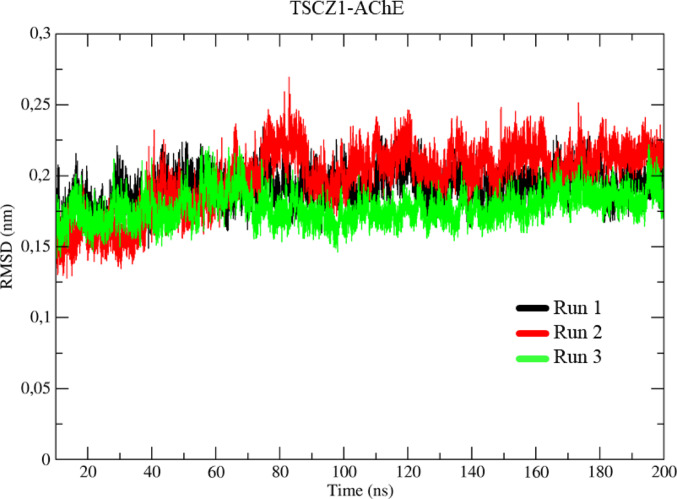 Figure 10
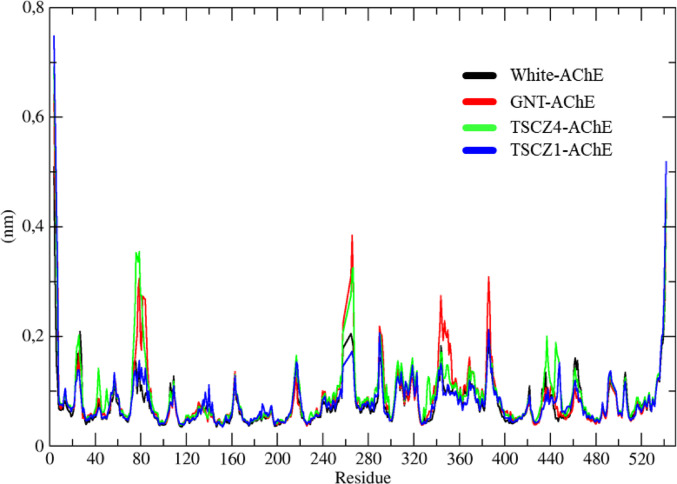 Figure 11
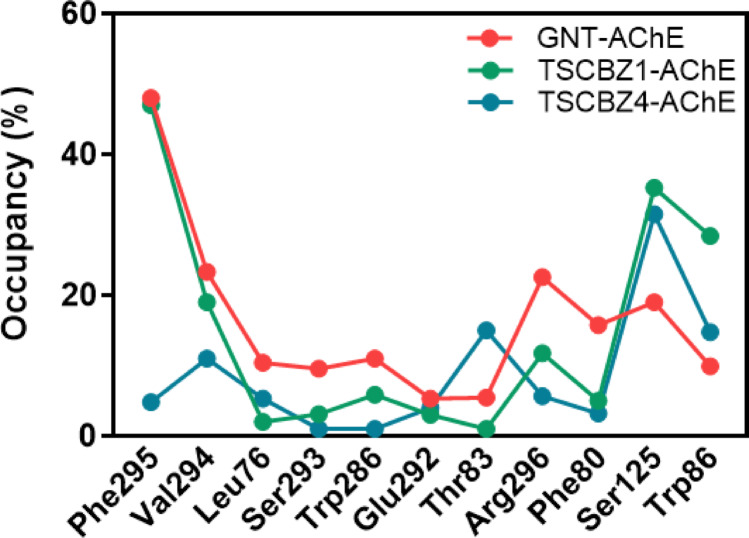 Figure 12
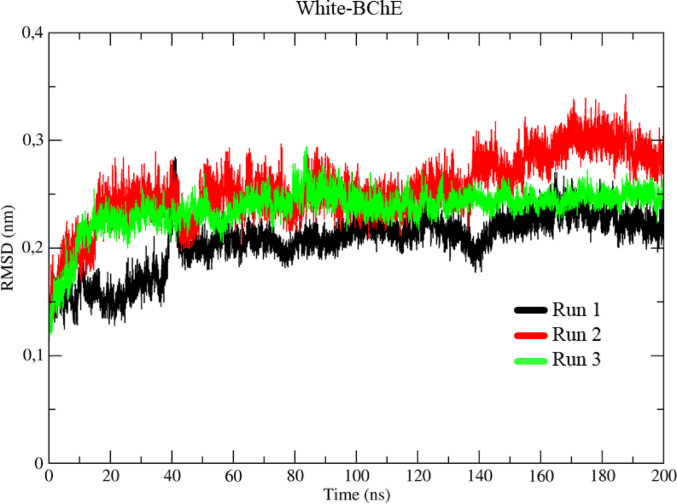 Figure 13
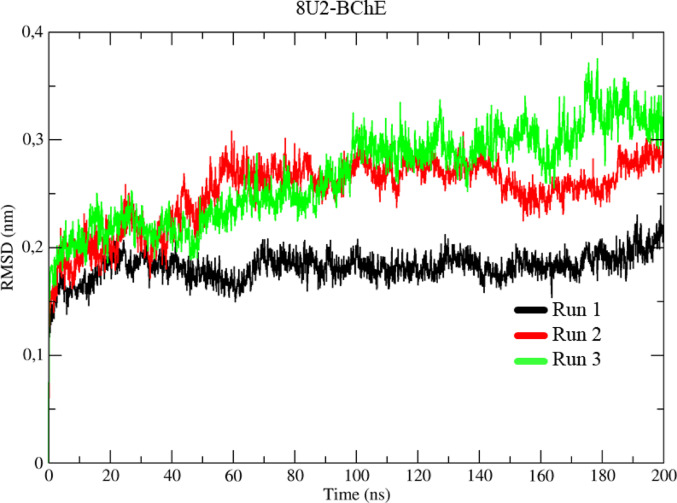 Figure 14
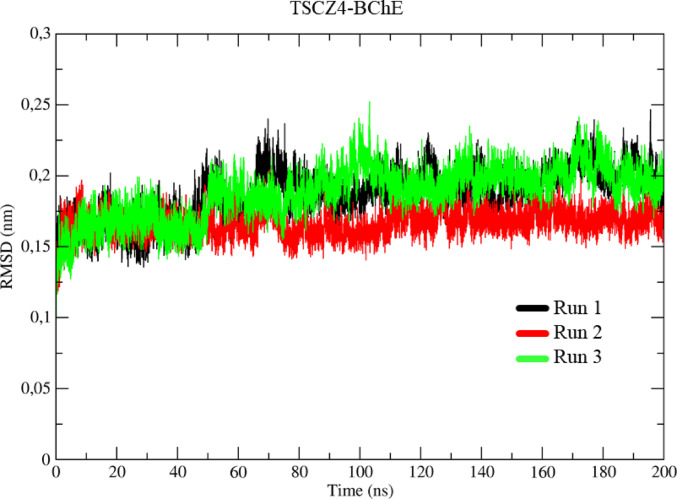 Figure 15
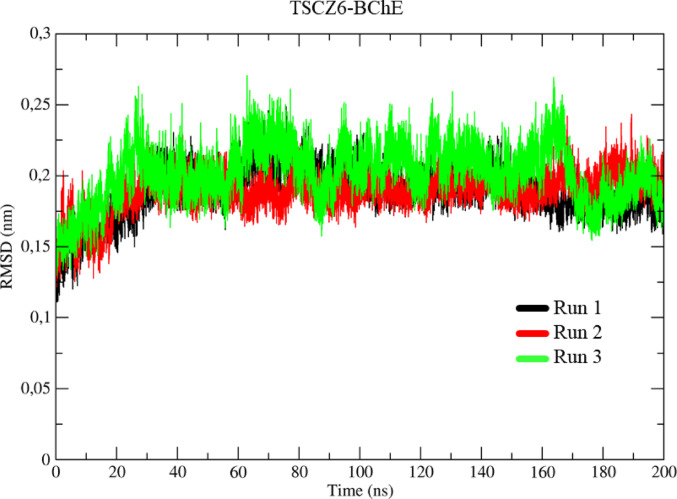 Figure 16
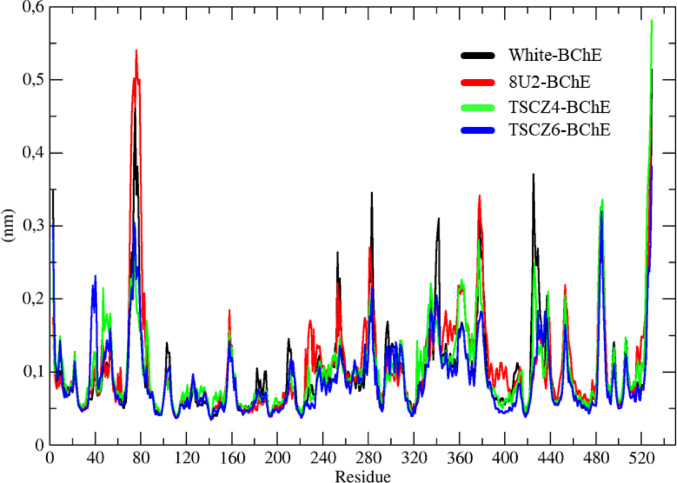 Figure 17
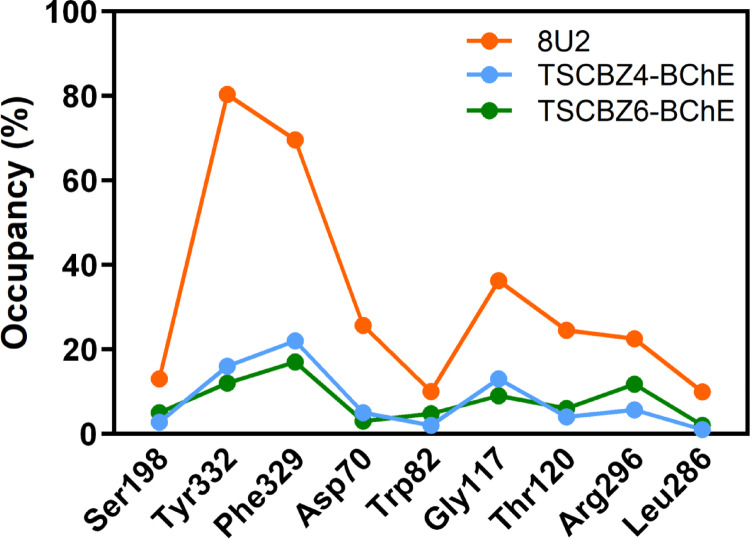 Figure 18
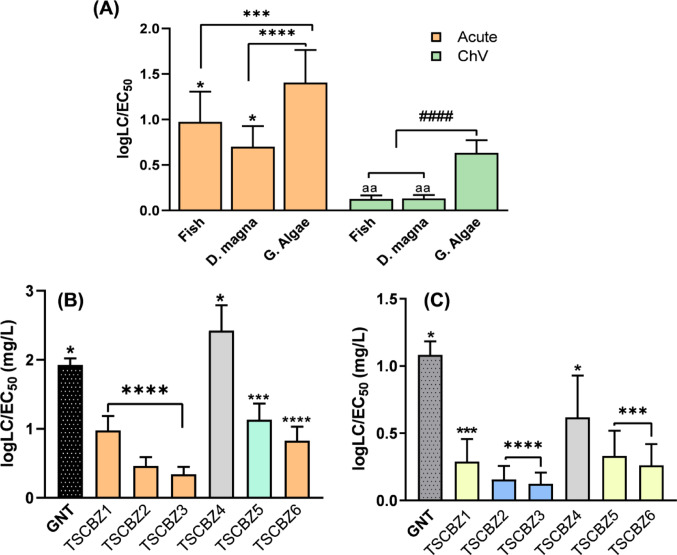 Figure 19
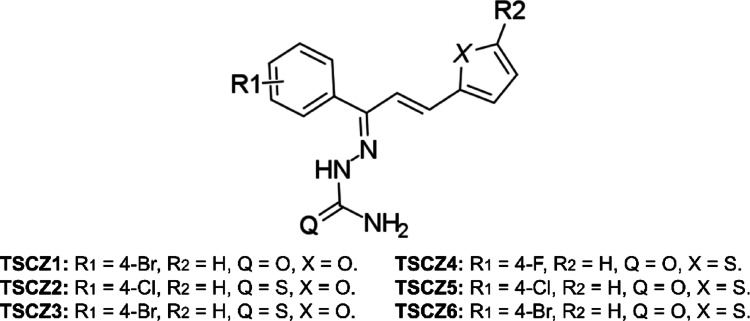 Figure 1
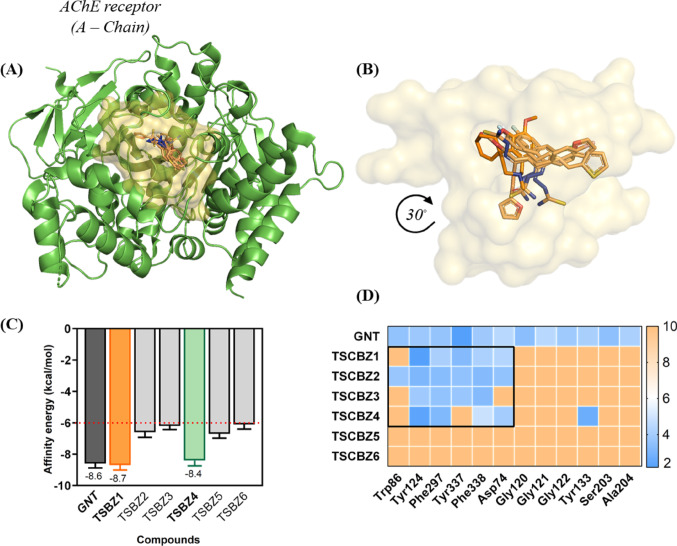 Figure 20
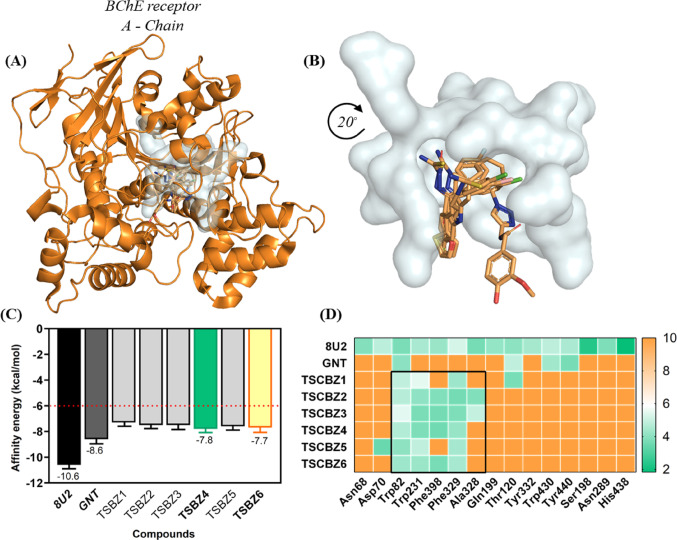 Figure 21
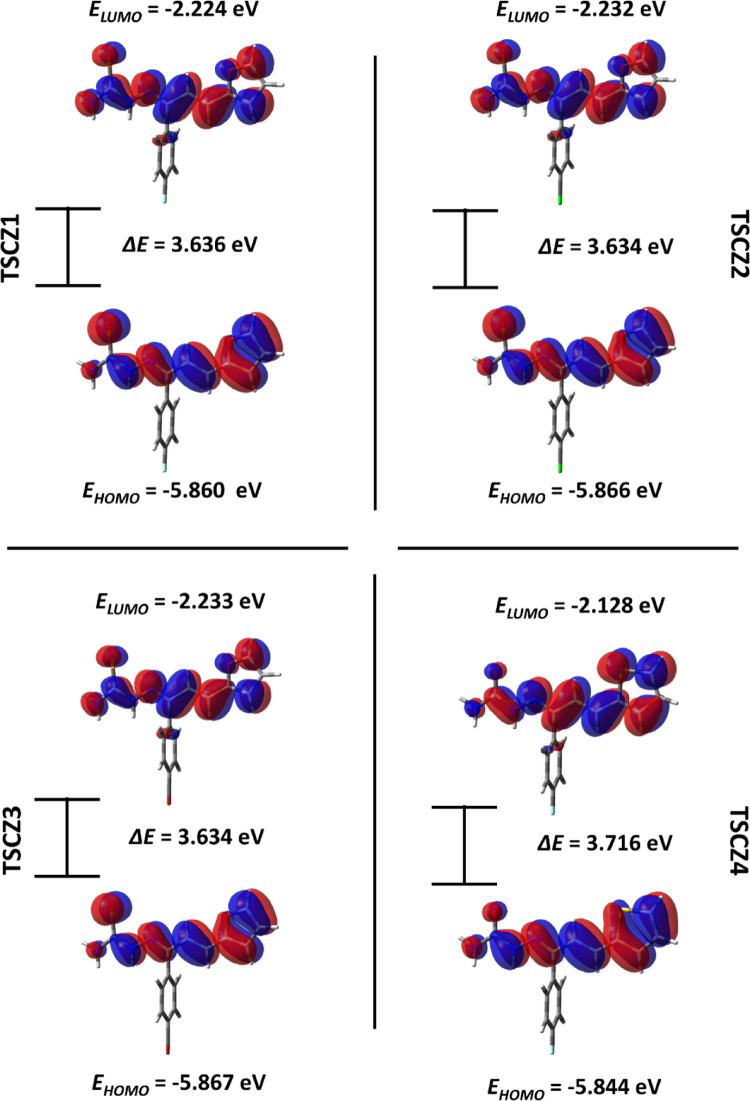 Figure 2
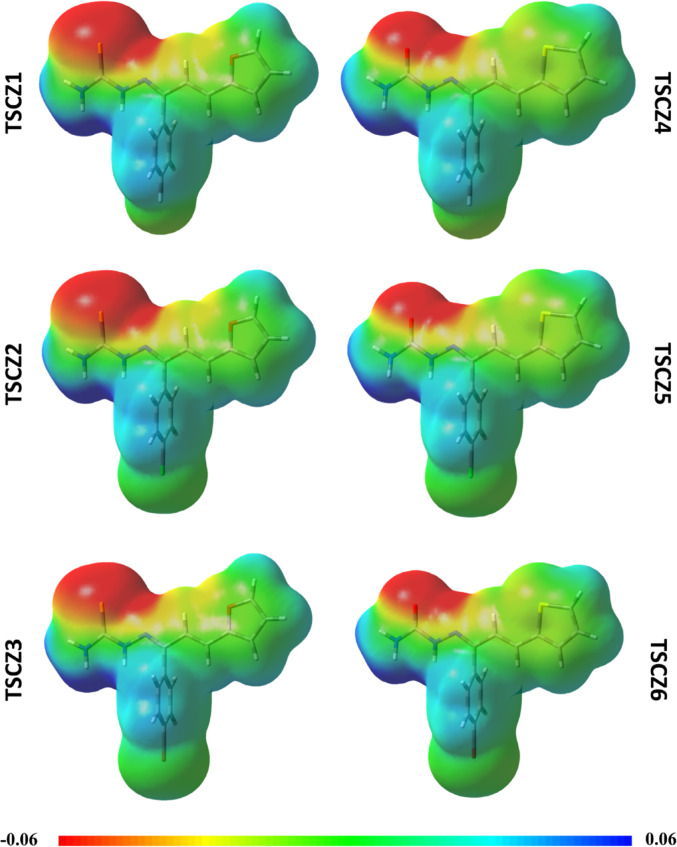 Figure 3
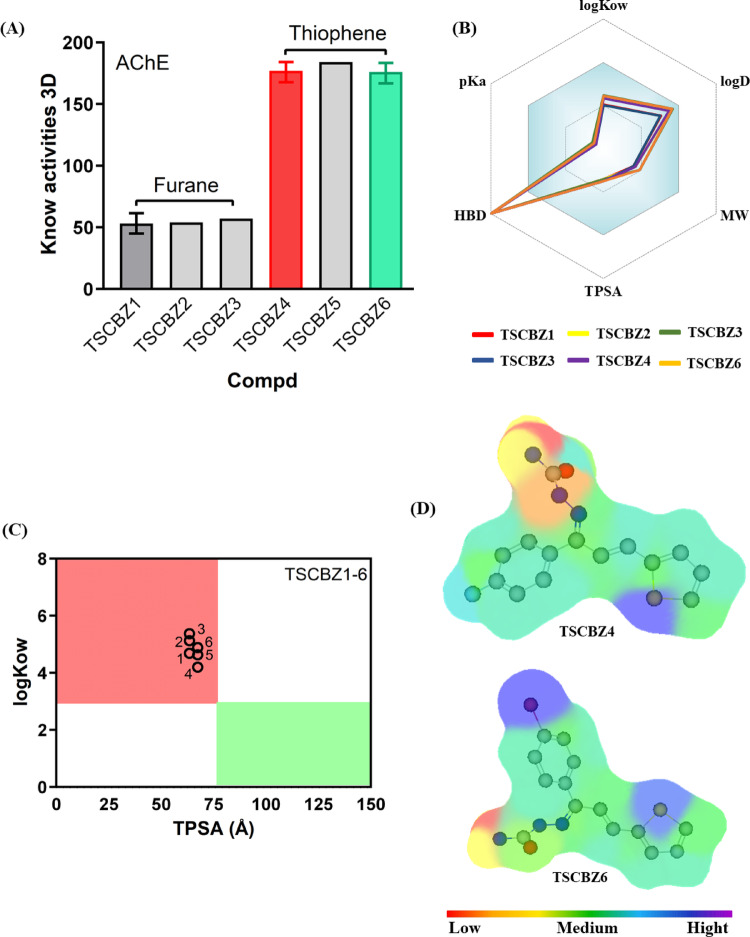 Figure 4
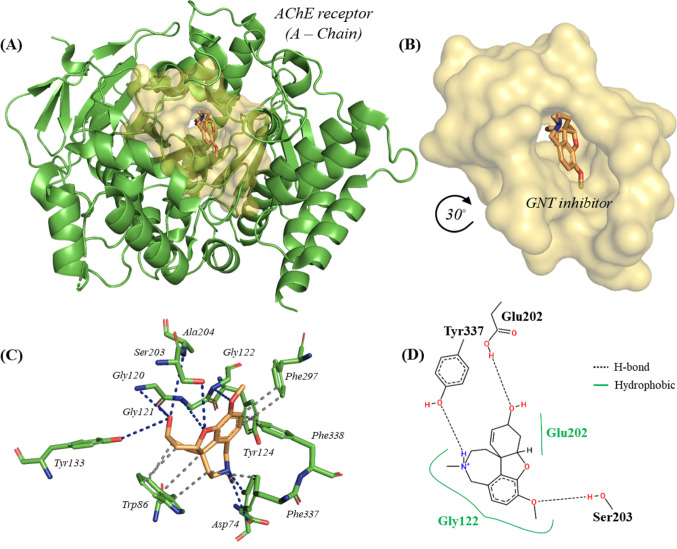 Figure 5
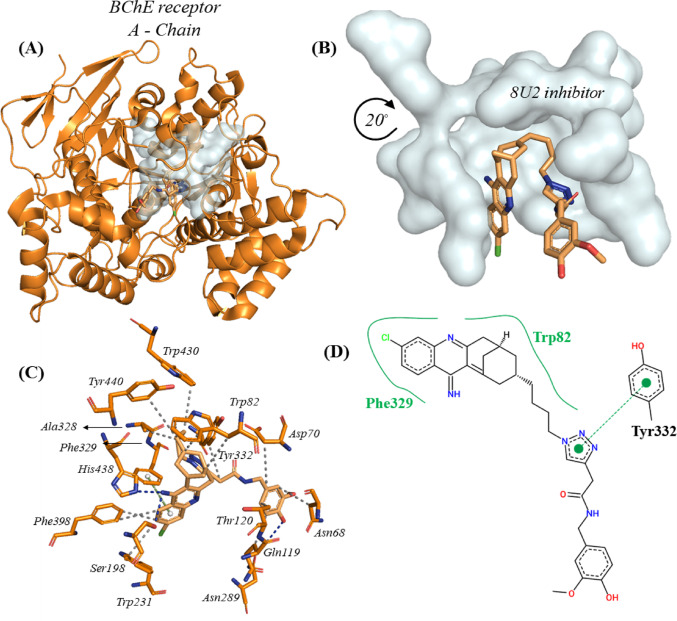 Figure 6
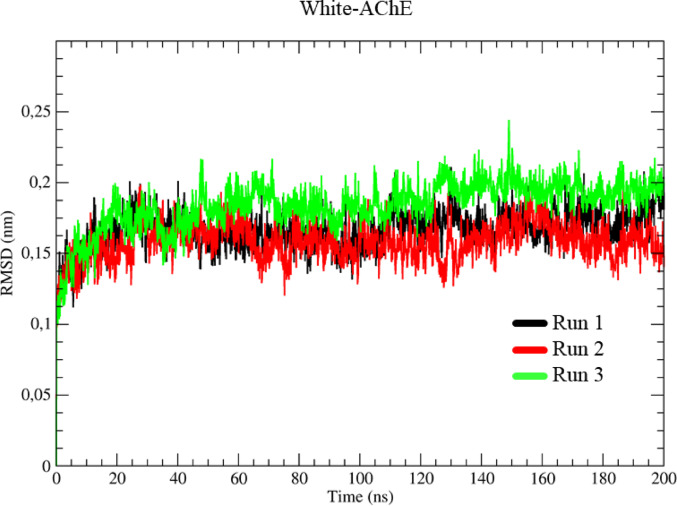 Figure 7
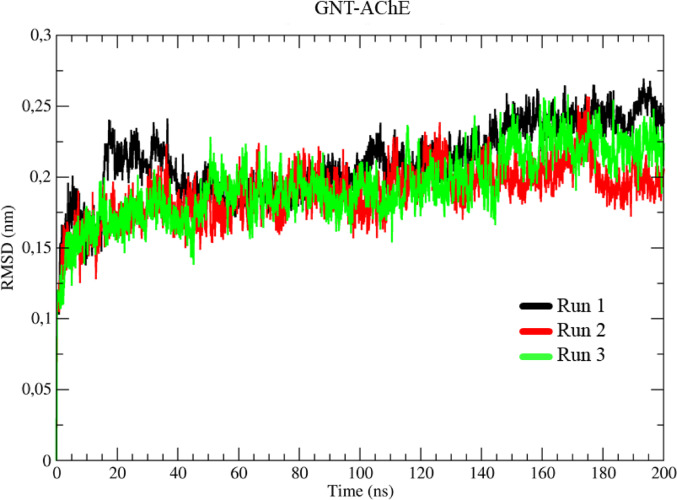 Figure 8
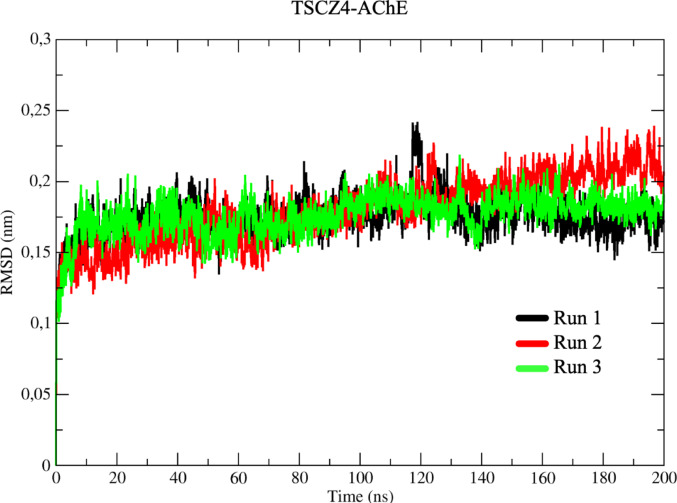 Figure 9
Peer Reviews
No public reviews on file for this paper yet. If you reviewed it on a platform where reviews are public (OpenReview, ICLR, NeurIPS, ICML), you can paste yours below so the community can read it here.
Videos
No videos yet. Explain this paper in a talk, walkthrough, or lecture? Add one.
Taxonomy
TopicsCholinesterase and Neurodegenerative Diseases · Pesticide Exposure and Toxicity · Environmental Toxicology and Ecotoxicology