Bri2 BRICHOS domain inhibits IAPP amyloid formation and improves beta cell function in stem cell-derived islets under metabolic stress
Jing Cen, Anja Ivis, Svitlana Vasylovska, Kina Adjieva, Robin S. Lindsay, Gunilla T. Westermark, Joey Lau

TL;DR
This study shows that the Bri2 BRICHOS domain prevents harmful IAPP amyloid formation and helps beta cells function better under stress in stem cell-derived islets.
Contribution
The study demonstrates that Bri2 BRICHOS overexpression reduces IAPP amyloid and protects beta cell function in stem cell-derived islets under metabolic stress.
Findings
IAPP colocalizes with insulin in SC-islet beta cells and forms amyloid under metabolic stress.
Bri2 BRICHOS overexpression prevents IAPP amyloid formation and partially protects beta cell function.
Amyloid reduction is not due to beta cell impairment but to protection against IAPP toxicity.
Abstract
Accumulation of islet amyloid polypeptide (IAPP) and amyloid formation is associated with beta cell dysfunction and cell death in human islets and may also contribute to graft failure post stem cell-derived islet (SC-islet) transplantation. The BRICHOS domain, a secretory peptide proteolysed from the Bri2 protein, possesses chaperone activity and has been shown to inhibit fibril formation of amyloid β-peptide in the brain and IAPP in human islets. In this study, we aimed to evaluate amyloid formation in SC-islets in vitro, as well as assess the role of Bri2 BRICHOS on amyloid formation and beta cell function. Human SC-islets were used as an in vitro model to explore the accelerated amyloid formation and to investigate the role of Bri2 BRICHOS via adenovirus-transduced overexpression. SC-islets were cultured under normal glucose conditions or metabolic stress-like conditions.…
Genes, proteins, chemicals, diseases, species, mutations and cell lines named across the full text — each resolved to its canonical identifier and authoritative record.
Click any figure to enlarge with its caption.
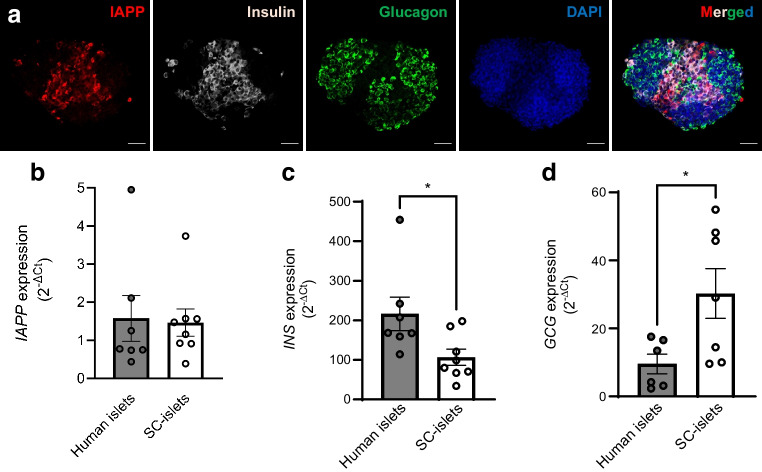 Figure 1
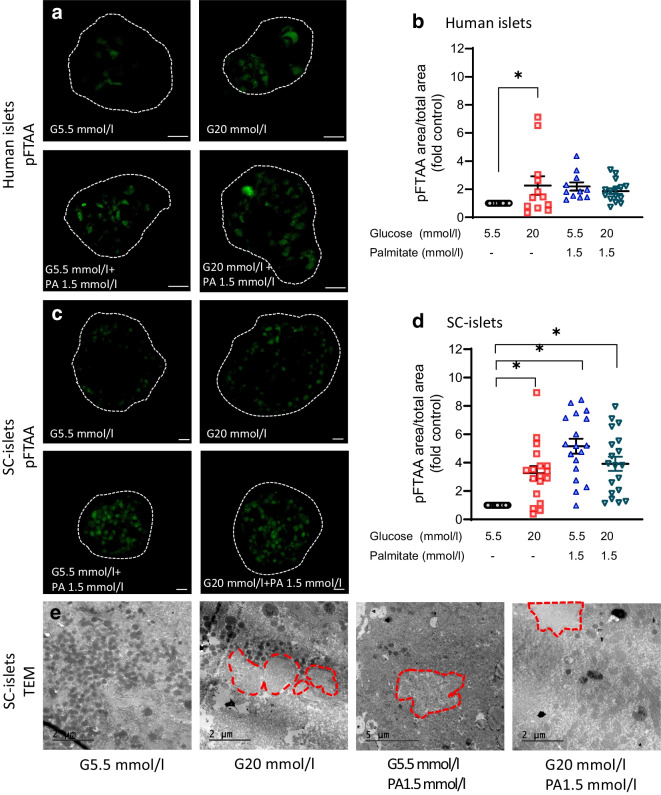 Figure 2
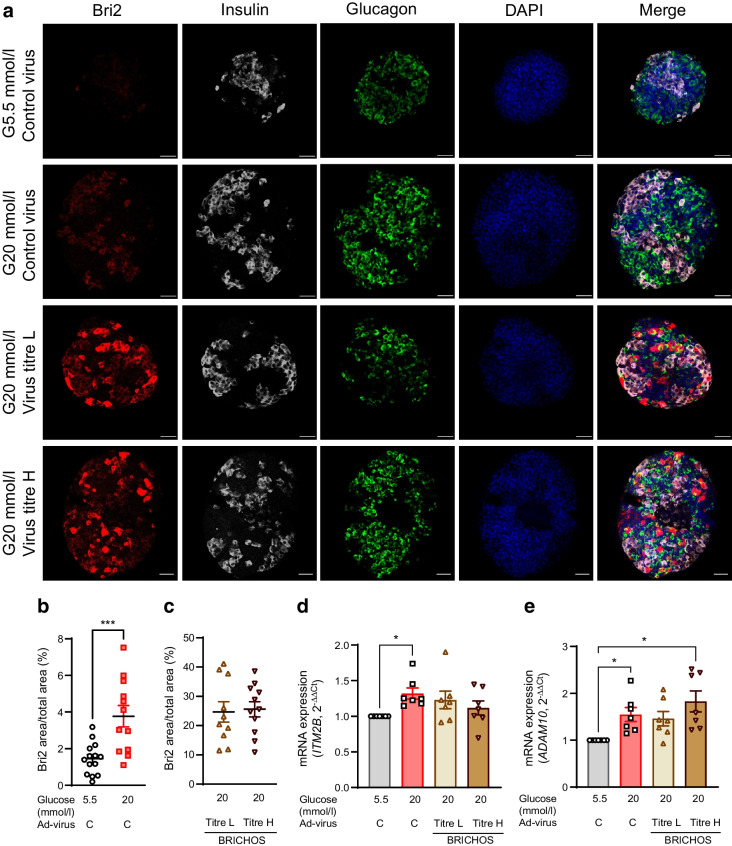 Figure 3
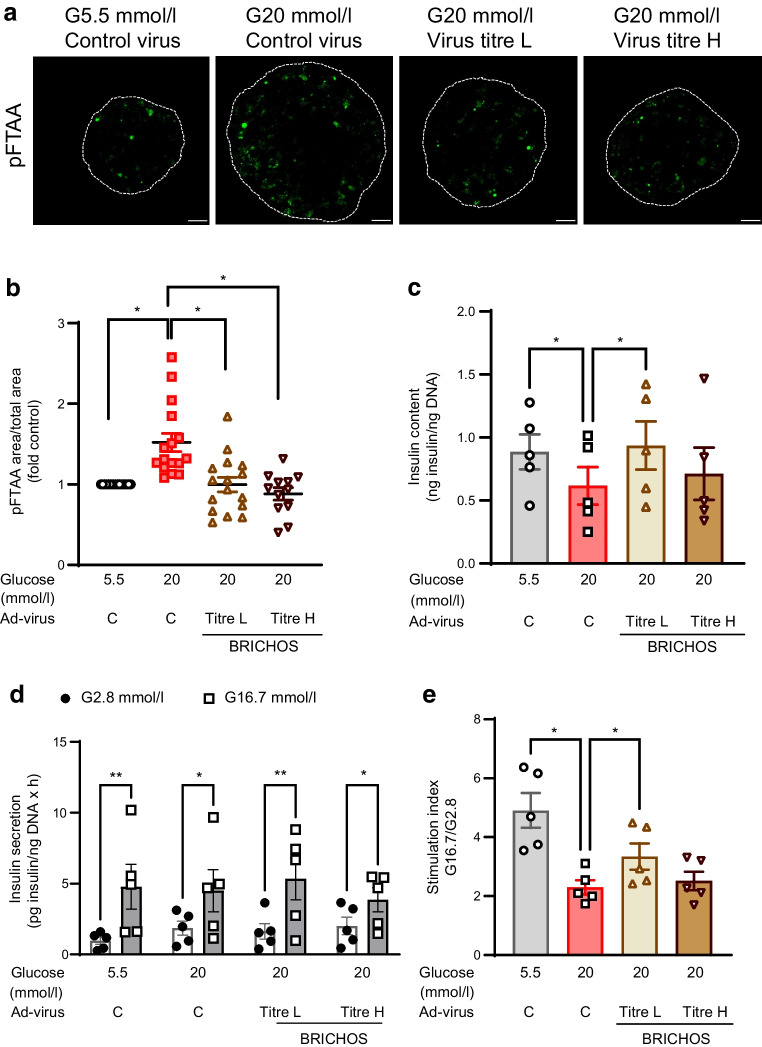 Figure 4
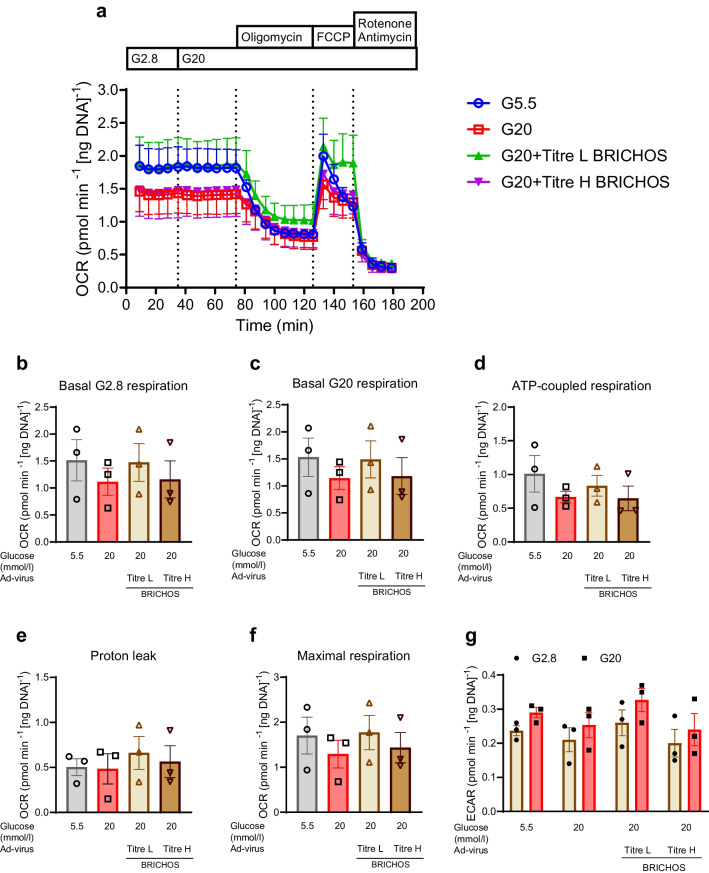 Figure 5
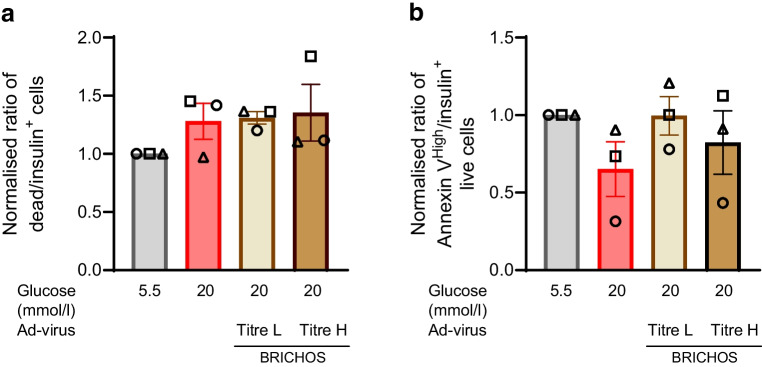 Figure 6
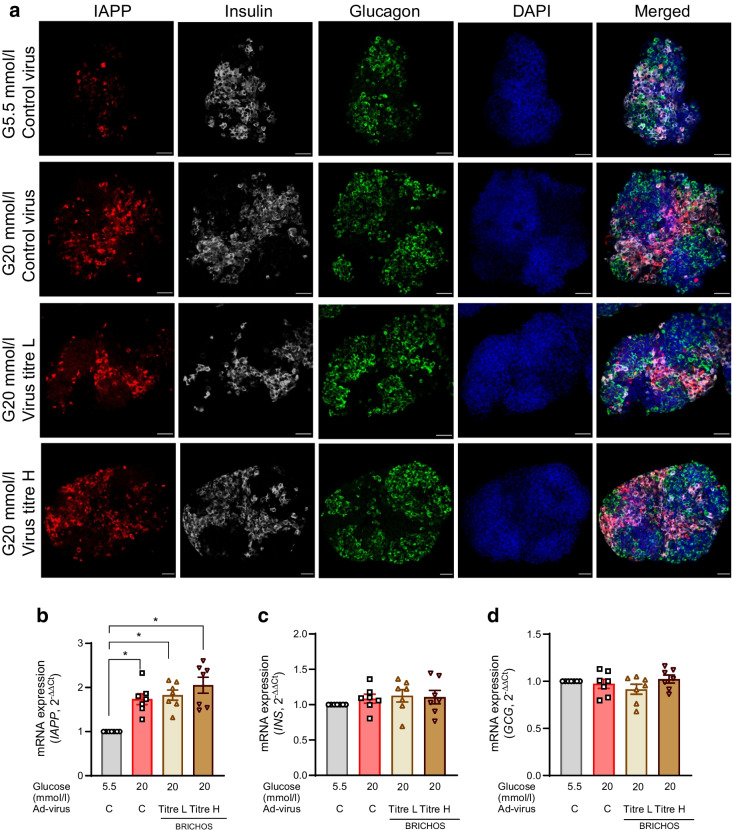 Figure 7
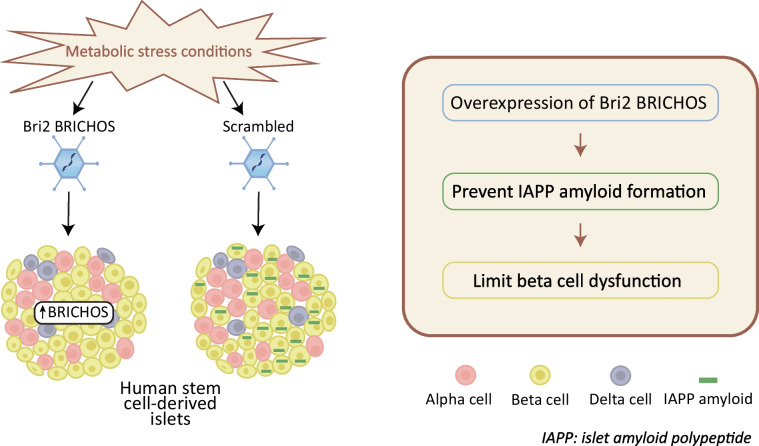 Figure 8
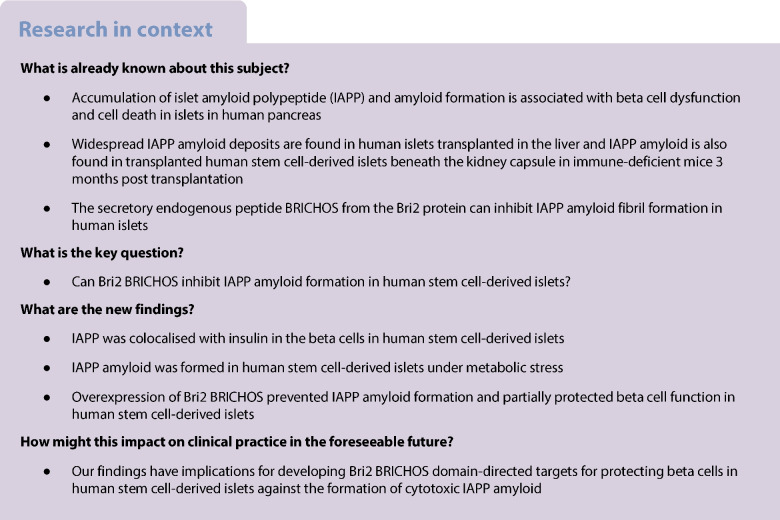 Figure 9
Peer Reviews
No public reviews on file for this paper yet. If you reviewed it on a platform where reviews are public (OpenReview, ICLR, NeurIPS, ICML), you can paste yours below so the community can read it here.
Videos
No videos yet. Explain this paper in a talk, walkthrough, or lecture? Add one.
Taxonomy
TopicsAlzheimer's disease research and treatments · Pancreatic function and diabetes · Neurogenesis and neuroplasticity mechanisms