Comparative physiology and biomimetics in metabolic and environmental health: what can we learn from extreme animal phenotypes?
Peter Stenvinkel, Peter Kotanko, Johanna Painer-Gigler, Paul G. Shiels, Pieter Evenepoel, Leon Schurgers, Barbara Natterson-Horowitz, Szilvia Kalogeropoulu, Joshua Schiffman, Richard J. Johnson

TL;DR
This paper reviews how animals in extreme environments have unique metabolic traits that could help treat human metabolic diseases and highlights the need to protect these species from environmental threats.
Contribution
The paper introduces insights from extreme animal phenotypes to identify novel therapeutic targets for human metabolic disorders.
Findings
Hibernating animals like brown bears offer models for understanding reversible insulin resistance and energy homeostasis.
Adaptations to hypoxia and metabolic aging in extreme species could lead to solutions for human diseases like obesity and diabetes.
Environmental stressors, including climate change, threaten even the most resilient species despite their metabolic advantages.
Abstract
This review explores the remarkable metabolic adaptations of species that thrive in extreme environments, providing insights into their resilience, flexibility and disease resistance. Species such as hibernating brown bears, migratory birds, cavefish, Greenland sharks and naked mole rats exhibit unique metabolic traits that challenge conventional paradigms of metabolic regulation. These adaptations, including resistance to hypoxia and metabolic ageing, offer potential solutions to human metabolic disorders, including obesity, type 2 diabetes and CVD. Insights from comparative physiology, particularly the mechanisms by which animals cope with food scarcity, extreme temperatures and hypoxia, could help identify novel therapeutic targets for advancing human health. For example, hibernation can serve as a model for understanding metabolic diseases, providing insights into reversible insulin…
Genes, proteins, chemicals, diseases, species, mutations and cell lines named across the full text — each resolved to its canonical identifier and authoritative record.
Click any figure to enlarge with its caption.
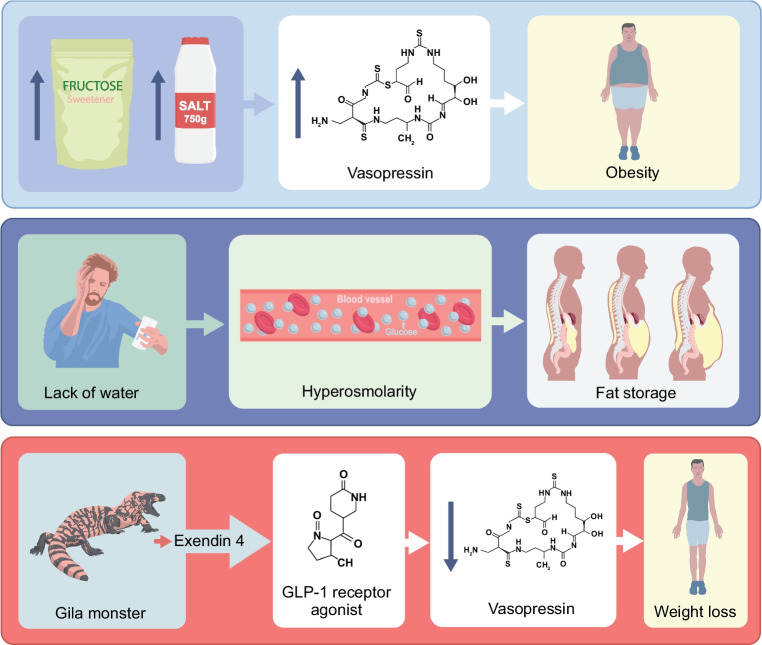 Figure 1
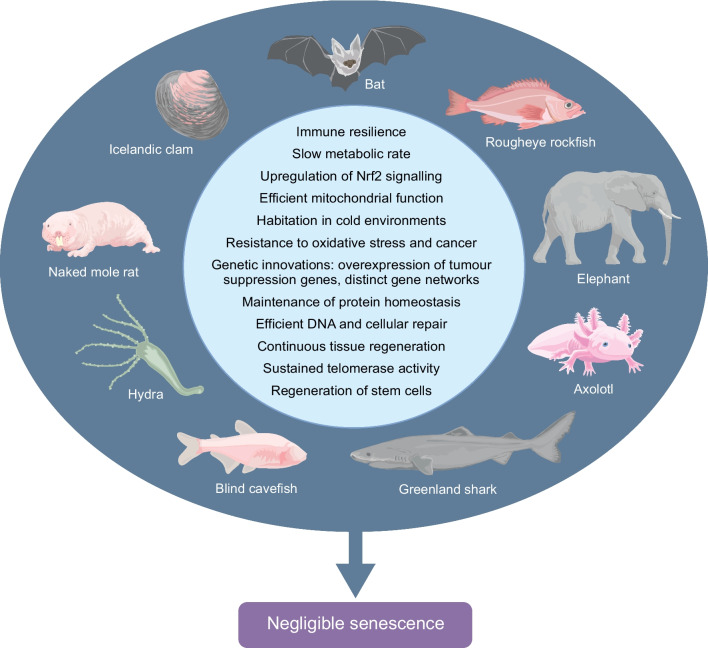 Figure 2
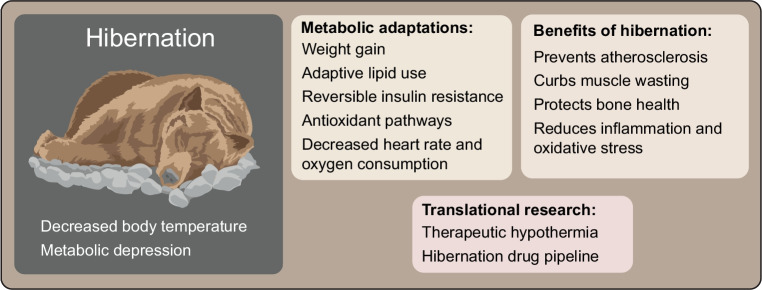 Figure 3
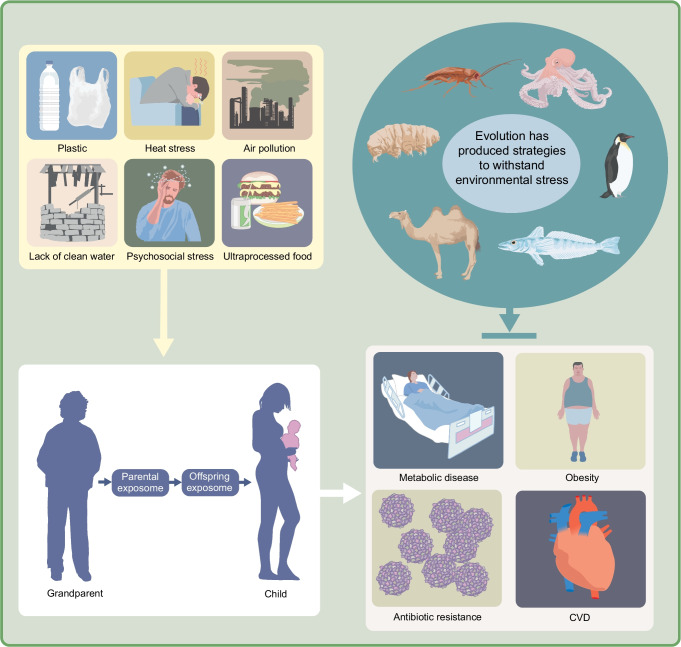 Figure 4
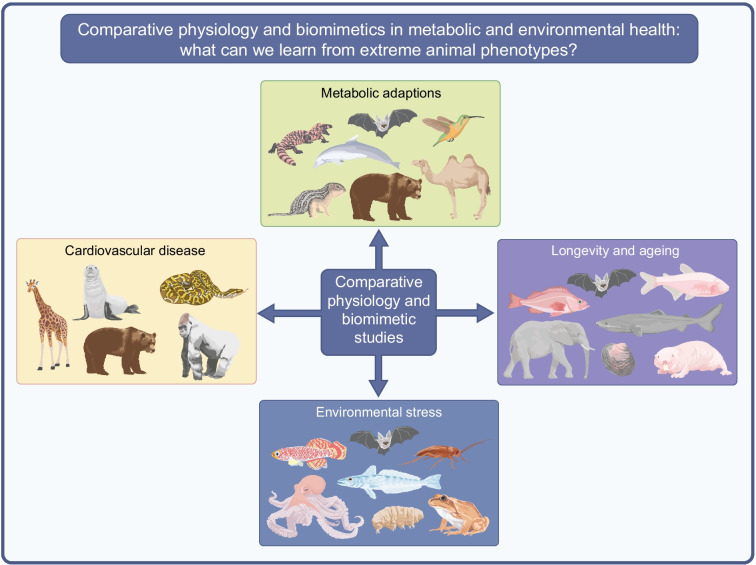 Figure 5
Peer Reviews
No public reviews on file for this paper yet. If you reviewed it on a platform where reviews are public (OpenReview, ICLR, NeurIPS, ICML), you can paste yours below so the community can read it here.
Videos
No videos yet. Explain this paper in a talk, walkthrough, or lecture? Add one.
Taxonomy
TopicsBat Biology and Ecology Studies · Physiological and biochemical adaptations · High Altitude and Hypoxia