Recurrent hypoglycaemia promotes cardiomyopathy and cardiac vulnerability in a rodent model of type 1 diabetes
Calum Forteath, Heather J. Merchant, Cyril Kocherry, Colin E. Murdoch, Jennifer Kerr, Jennifer R. Gallagher, Mark L. Evans, Bernard Thorens, Ulrik Pedersen-Bjergaard, Bastiaan E. de Galan, Rory J. McCrimmon, Alison D. McNeilly

TL;DR
Recurrent low blood sugar episodes in type 1 diabetes worsen heart function and structure in mice, highlighting a new risk factor for heart disease.
Contribution
This study is the first to show in vivo how repeated hypoglycaemia worsens diabetic heart disease through molecular and physiological changes.
Findings
Recurrent hypoglycaemia worsens microvascular dysfunction in type 1 diabetic mice.
Chronic hypoglycaemia leads to early dilated cardiomyopathy in type 1 diabetic mice.
Hypoglycaemia increases cardiac vulnerability and alters gene expression related to heart function.
Abstract
CVD remains the leading cause of mortality in individuals with type 1 diabetes over the age of 40 years. Although intensive insulin therapy lowers chronic hyperglycaemia and improves cardiovascular outcomes, it also increases the frequency of hypoglycaemic episodes, an emerging but poorly understood contributor to CVD risk. The mechanisms by which recurrent hypoglycaemia exacerbates cardiovascular pathology in type 1 diabetes are unknown. Using a C57BL/J streptozocin-induced male mouse model of type 1 diabetes, combined with detailed physiological and molecular assessments, we investigated the impact of recurrent hypoglycaemia (<3.0 mmol/l) on cardiovascular structure and function using laser Doppler imaging with iontophoresis and ultrasound imaging. Type 1 diabetes induces significant microvascular endothelial dysfunction, which is worsened by recurrent hypoglycaemia. Chronic…
Genes, proteins, chemicals, diseases, species, mutations and cell lines named across the full text — each resolved to its canonical identifier and authoritative record.
Click any figure to enlarge with its caption.
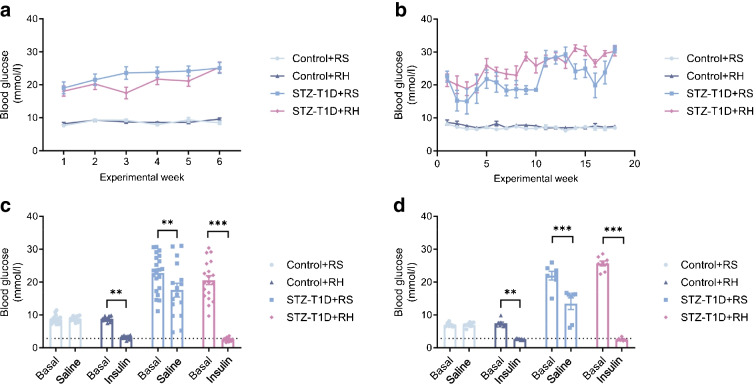 Figure 1
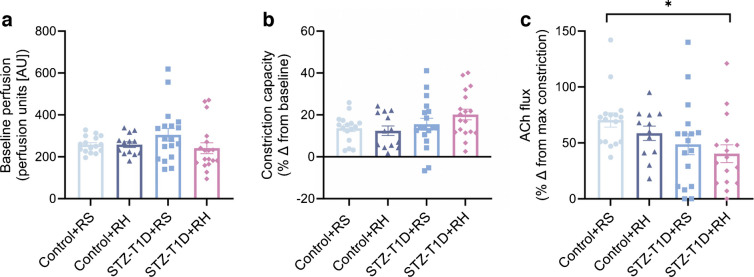 Figure 2
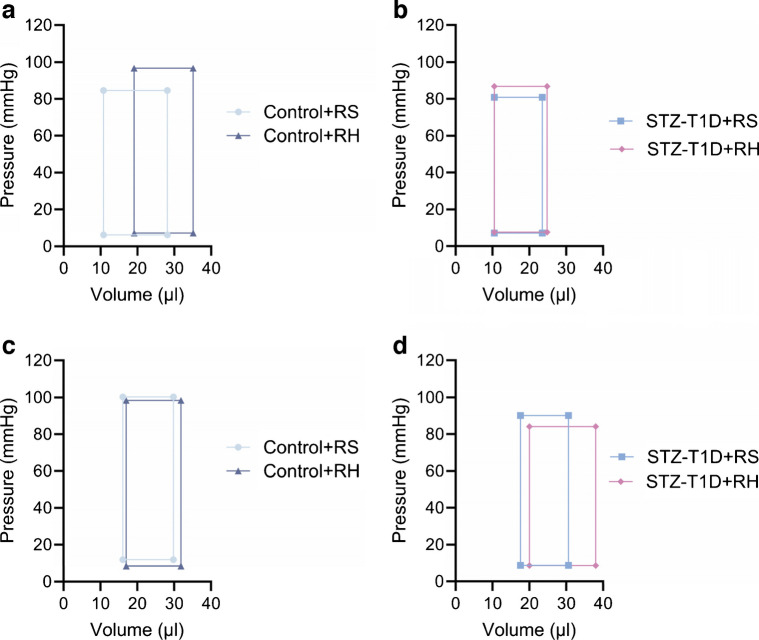 Figure 3
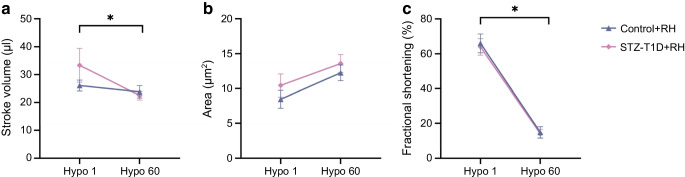 Figure 4
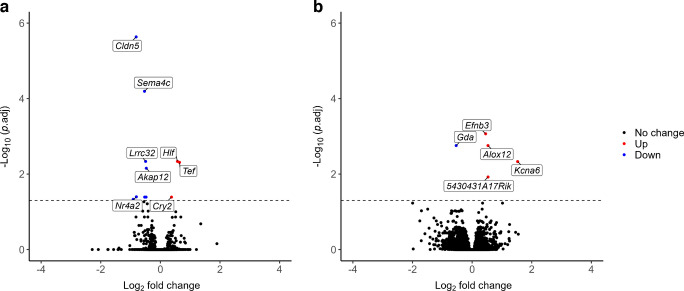 Figure 5
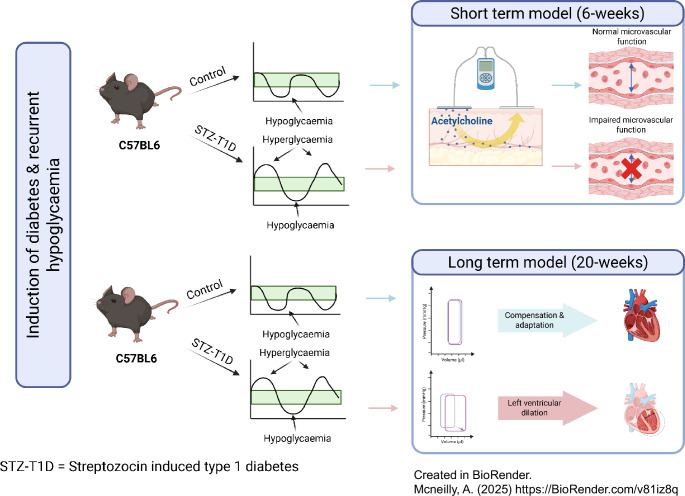 Figure 6
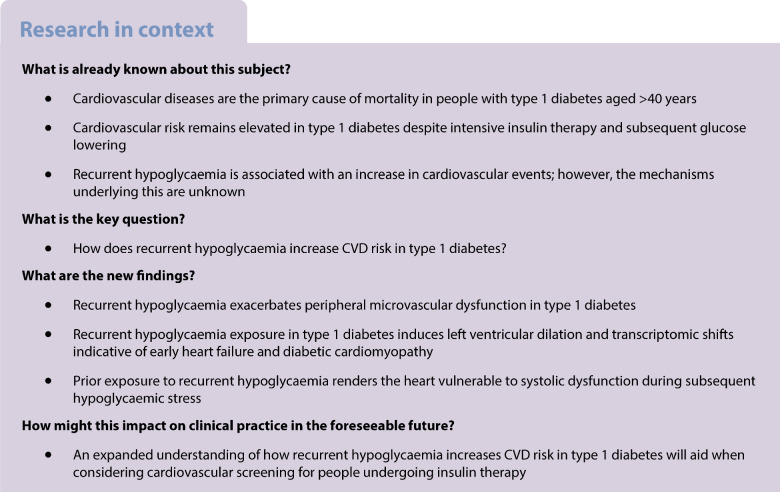 Figure 7
Peer Reviews
No public reviews on file for this paper yet. If you reviewed it on a platform where reviews are public (OpenReview, ICLR, NeurIPS, ICML), you can paste yours below so the community can read it here.
Videos
No videos yet. Explain this paper in a talk, walkthrough, or lecture? Add one.
Taxonomy
TopicsDiabetes and associated disorders · Diabetes Management and Research · Cardiovascular Function and Risk Factors