Clinically unfavorable transcriptome subtypes of non-WNT/non-SHH medulloblastomas are associated with a predominance in proliferating and progenitor-like cell subpopulations
Konstantin Okonechnikov, Daniel Schrimpf, Jan Koster, Philipp Sievers, Till Milde, Felix Sahm, David T. W. Jones, Andreas von Deimling, Stefan M. Pfister, Marcel Kool, Andrey Korshunov

TL;DR
This study shows that certain subtypes of medulloblastoma tumors with poor clinical outcomes are linked to higher numbers of fast-growing and immature cell types.
Contribution
The study identifies specific cell subpopulations associated with transcriptome subtypes of non-WNT/non-SHH medulloblastomas and their clinical outcomes.
Findings
Unfavorable transcriptome subtypes are enriched with proliferating and progenitor-like cell subpopulations.
Neuronally differentiated cell subpopulations are more common in favorable transcriptome subtypes.
Higher proportions of proliferating cells correlate with shorter survival in Grp3 and Grp4 medulloblastomas.
Abstract
The non-WNT/non-SHH (Grp3/Grp4) medulloblastomas (MBs) include eight second-generation subgroups (SGS; I–VIII) each with distinct molecular and clinical characteristics. Recently, we also identified two prognostically relevant transcriptome subtypes within each SGS MB, which are associated with unique gene expression signatures and signaling pathways. These prognostic subsets may be in connection to the intra-tumoral cell landscape that underlies SGS MB clinical-molecular diversity. Here, we performed a deconvolution analysis of the Grp3/Grp4 MB bulk RNA profiles using the previously identified single-cell RNA-seq reference dataset and focusing on variability in the cellular composition of SGS MB. RNA deconvolution analysis of the Grp3/Grp4 MB disclosed the subgroup-specific neoplastic cell subpopulations. Neuronally differentiated axodendritic GP3-C1 and glutamatergic GP4-C1…
Genes, proteins, chemicals, diseases, species, mutations and cell lines named across the full text — each resolved to its canonical identifier and authoritative record.
Click any figure to enlarge with its caption.
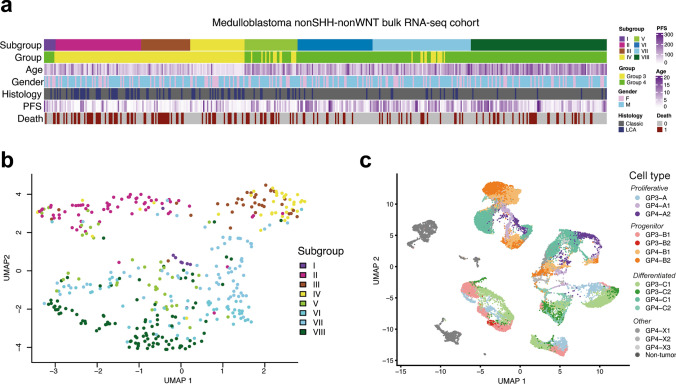 Figure 1
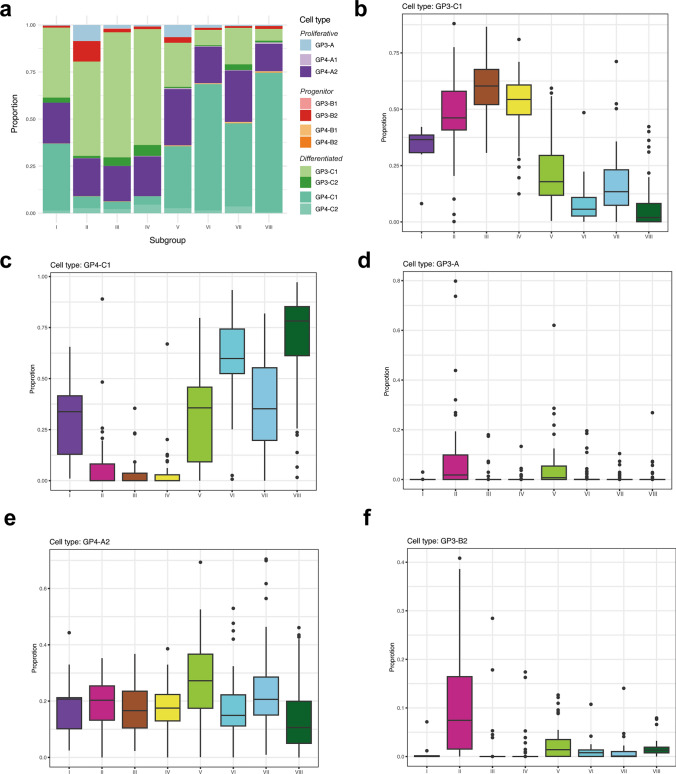 Figure 2
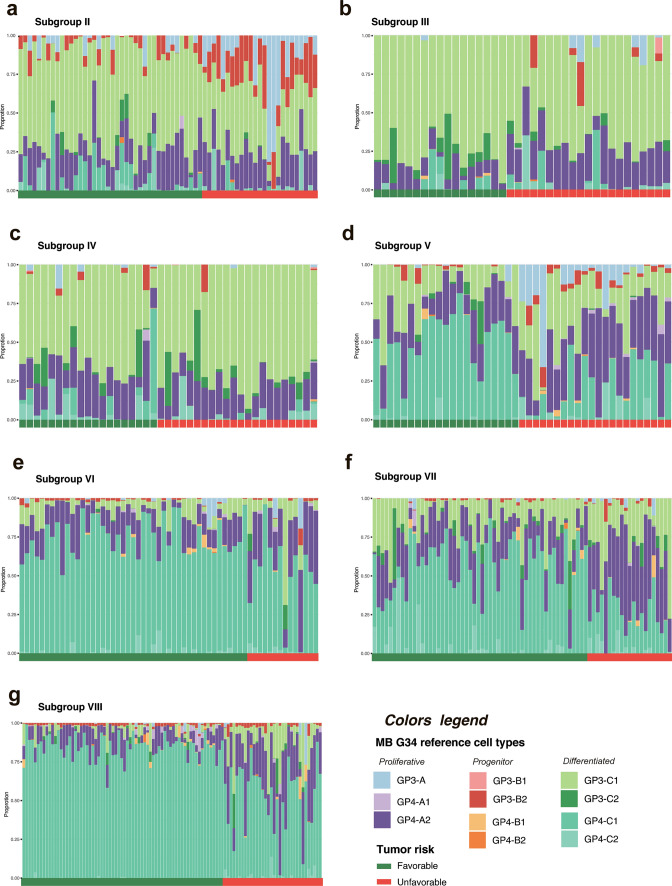 Figure 3
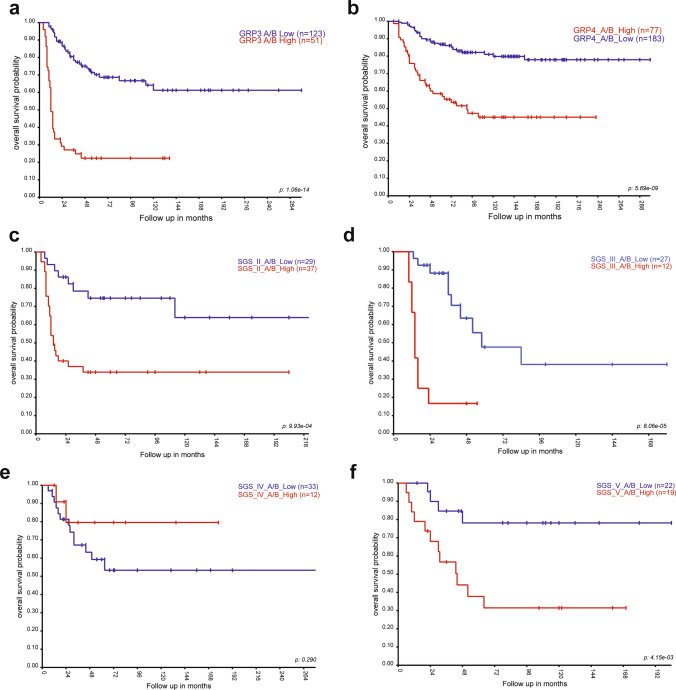 Figure 4
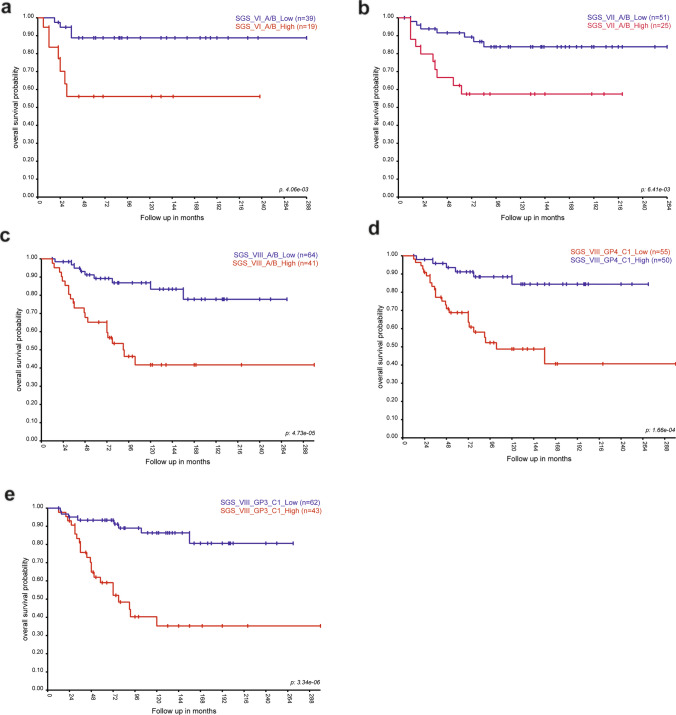 Figure 5
Peer Reviews
No public reviews on file for this paper yet. If you reviewed it on a platform where reviews are public (OpenReview, ICLR, NeurIPS, ICML), you can paste yours below so the community can read it here.
Videos
No videos yet. Explain this paper in a talk, walkthrough, or lecture? Add one.
Taxonomy
TopicsGlioma Diagnosis and Treatment · Ferroptosis and cancer prognosis · Cancer-related molecular mechanisms research