Formulation film based on zinc acetate/cellulose with anti-inflammatory, angiogenesis, and remodeling abilities for enhancing burn healing
Rania S. Salah, Ghada H. Elsayed, Marwa El-Hussieny, Mohamed R. Mousa, Sawsan Dacrory

TL;DR
A new zinc acetate and cellulose film was developed to improve burn healing in rats by reducing inflammation and promoting tissue repair.
Contribution
A novel zinc acetate/cellulose film formulation was created and shown to enhance burn healing through anti-inflammatory and tissue remodeling effects.
Findings
The C-Zn1.5 film significantly reduced IL-1β and TNF-α levels while increasing collagen1 and Bcl2 concentrations in burn tissues.
The film downregulated VEGF, TGF-β, MMP2, and TIMP2 gene expression at day 8 but upregulated them at day 16, indicating dynamic healing processes.
Zinc/cellulose films showed superior wound healing abilities compared to Silvazine cream in the rat burn model.
Abstract
Burns are most challenging to treat as they result in skin impairment or even death. This study elucidated the therapeutic benefits of Zinc/cellulose films on thermal burn injuries in rats at two distinct time points [eight and sixteen days after the injury]. A novel formulation film based on Zinc acetate and cellulose for enhancing burn healing has been prepared. Hydroxyl ethyl cellulose (HEC) and Polyvinyl alcohol have mixed to form homogenous solution then zinc acetate with different ratios has been added. The prepared film has been investigated by different analysis FTIR, XRD and SEM then applied on burn rat model using Silvazine cream as a reference drug. Our findings illustrated that treatments under investigation after 8 and 16 days enhanced wound contraction rate and improved pathological alteration triggered by burn induction. C-Zn1.5 film declined IL-1β [8 day 30.03 ± 0.24,…
Genes, proteins, chemicals, diseases, species, mutations and cell lines named across the full text — each resolved to its canonical identifier and authoritative record.
Click any figure to enlarge with its caption.
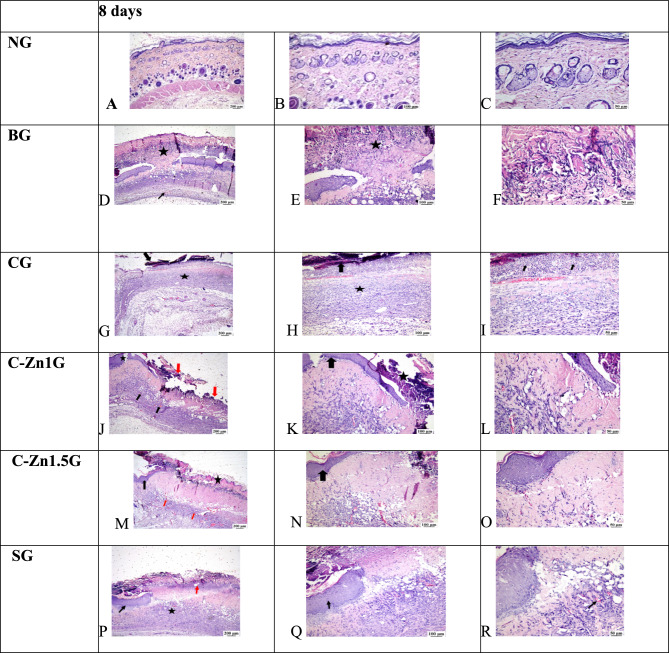 Figure 10
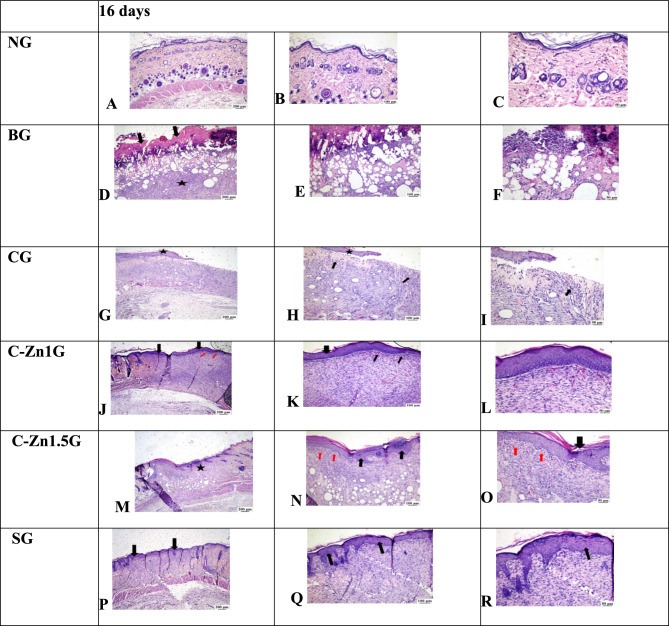 Figure 11
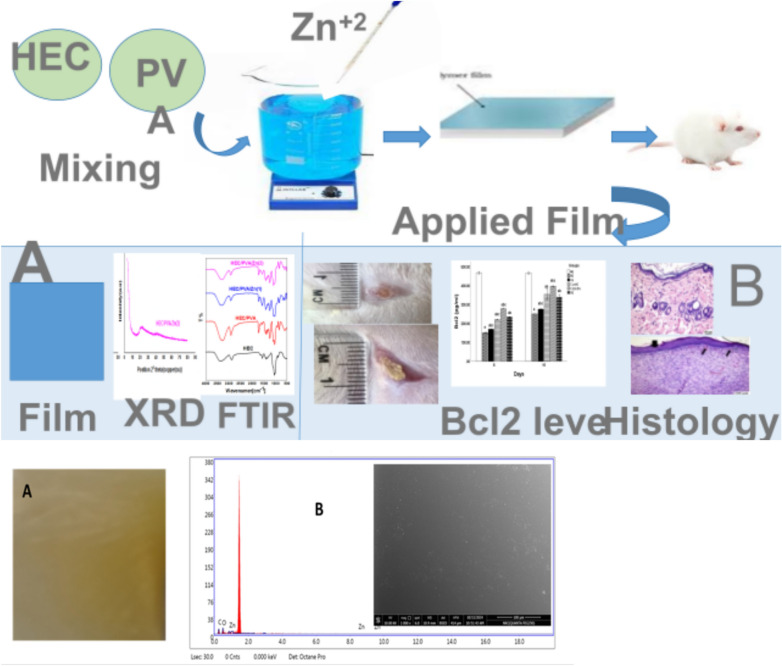 Figure 1
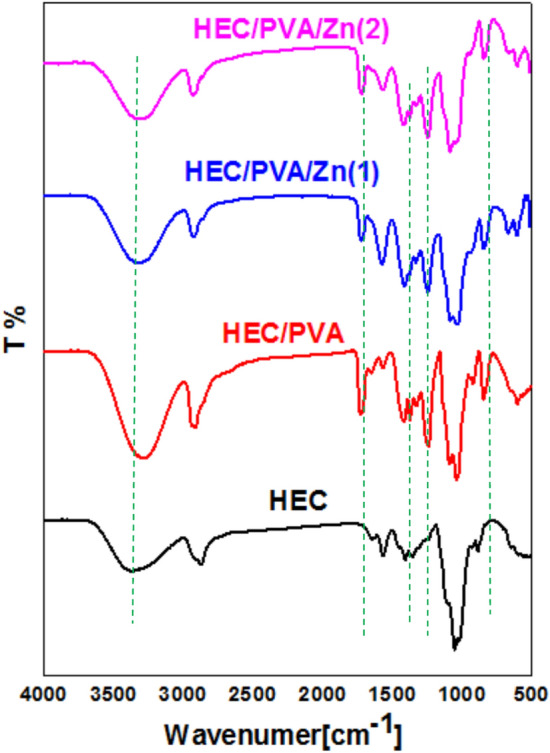 Figure 2
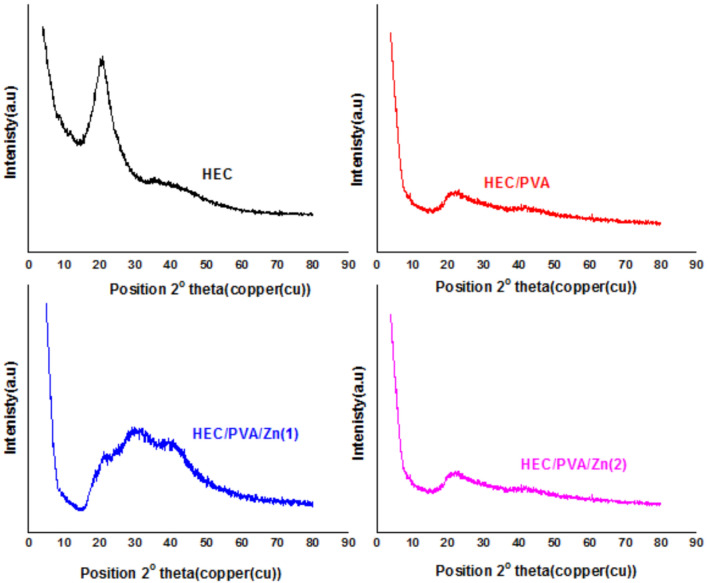 Figure 3
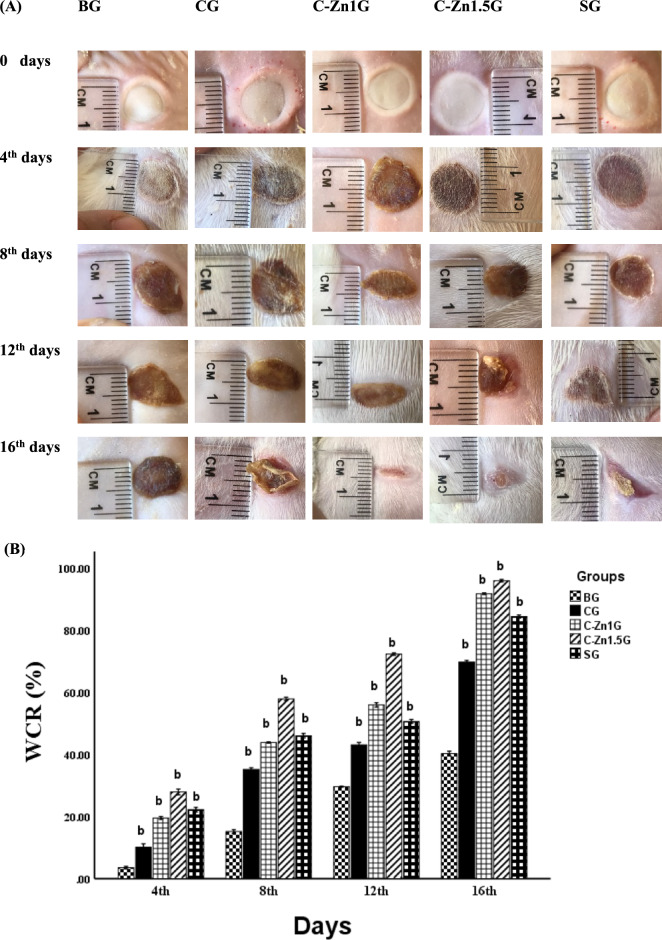 Figure 4
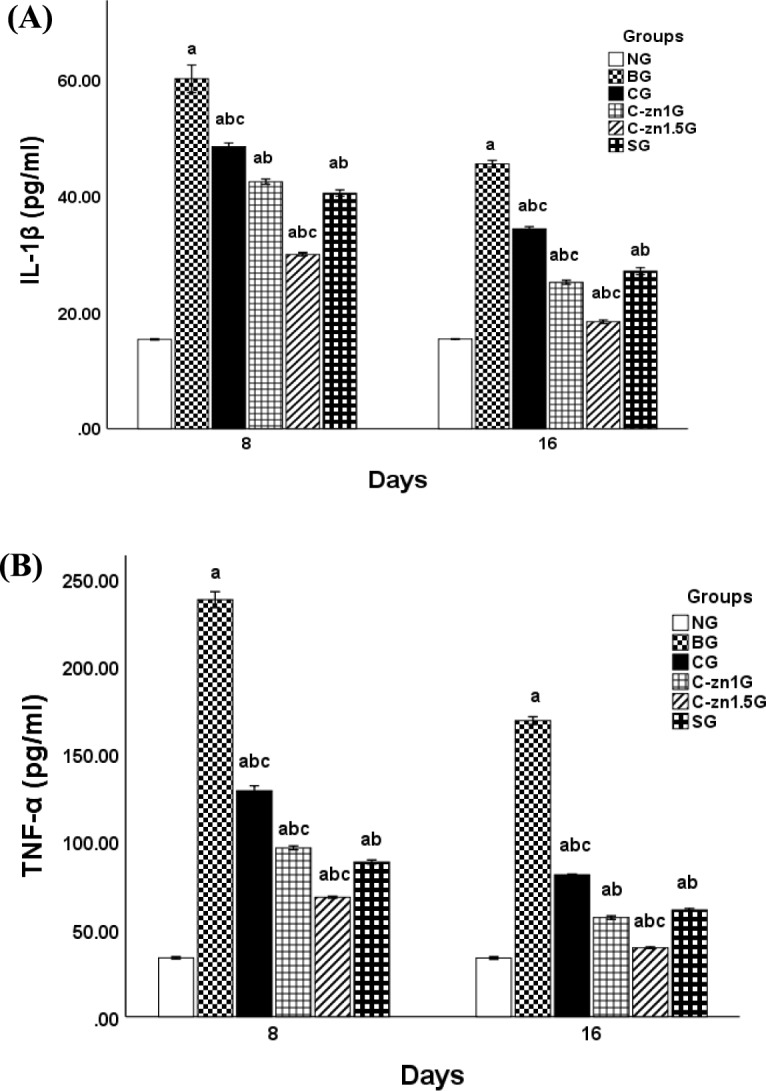 Figure 5
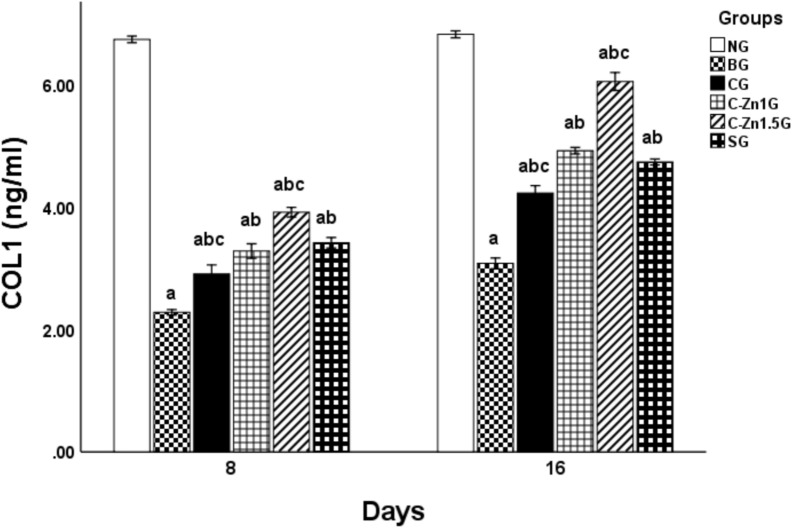 Figure 6
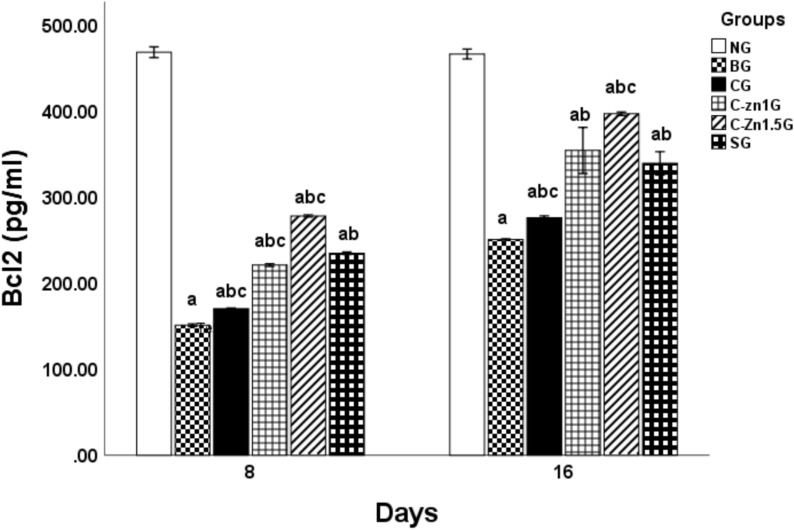 Figure 7
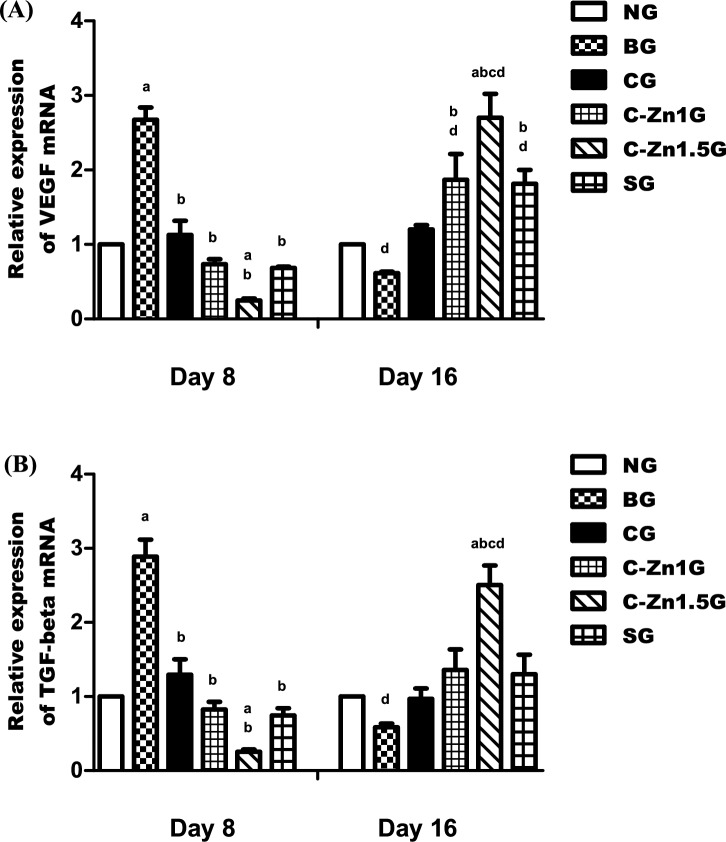 Figure 8
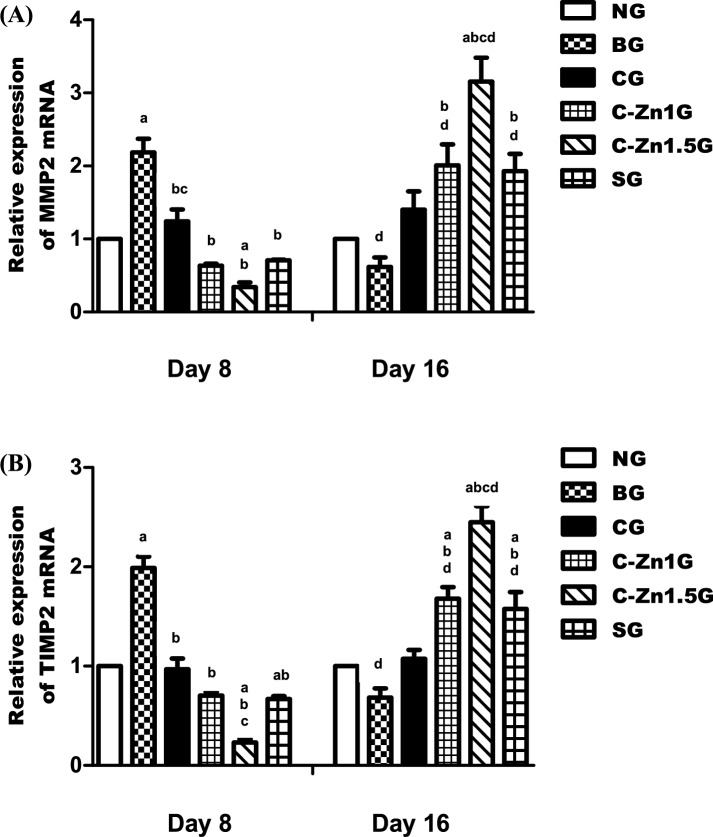 Figure 9
Peer Reviews
No public reviews on file for this paper yet. If you reviewed it on a platform where reviews are public (OpenReview, ICLR, NeurIPS, ICML), you can paste yours below so the community can read it here.
Videos
No videos yet. Explain this paper in a talk, walkthrough, or lecture? Add one.
Taxonomy
TopicsWound Healing and Treatments · Corneal Surgery and Treatments · Tissue Engineering and Regenerative Medicine