Integrated morphological, molecular, histological, and antimicrobial analysis of the leather leaf slug Eleutherocaulis alte from Assiut Governorate, Egypt
Safaa M. Ali, Torkia A. Mohammed, Shimaa H. Salem, Hayam A. Saber, Asmaa R. Abdel-Malek

TL;DR
This study explores the leather leaf slug Eleutherocaulis alte from Egypt using multiple methods, revealing its unique features and potent antimicrobial properties in its mucus.
Contribution
The study provides novel taxonomic, anatomical, and biomedical insights into Eleutherocaulis alte, highlighting its mucus as a promising natural antimicrobial source.
Findings
The slug's mucus showed strong antimicrobial activity against Bacillus subtilis and Candida albicans.
Histological analysis identified distinct secretory cell types in the slug's epidermal and subepidermal layers.
Molecular analysis confirmed the slug's identity as E. alte with 98.23% similarity to Laevicaulis alte.
Abstract
The leatherleaf slug Eleutherocaulis alte from Assiut Governorate, Egypt, was investigated using an integrative approach combining morphological, molecular, histological, and bioactivity analyses. Morphological characterization revealed a dorsoventrally flattened body with a brown dorsal surface marked by a pale median line, dark spots, and a narrow central foot. Mitochondrial cytochrome c oxidase I (COI) gene sequencing confirmed its identity as E. alte, showing 98.23% similarity to Laevicaulis alte, and the sequence was deposited in GenBank (OR162029). Scanning electron microscopy demonstrated porous mucus-secreting surfaces essential for locomotion and adhesion, while histological examination revealed distinct secretory cell types within the epidermal and subepidermal layers, including a suprapedal gland producing mixed acidic and neutral mucopolysaccharides. Bioactivity assays…
Genes, proteins, chemicals, diseases, species, mutations and cell lines named across the full text — each resolved to its canonical identifier and authoritative record.
Click any figure to enlarge with its caption.
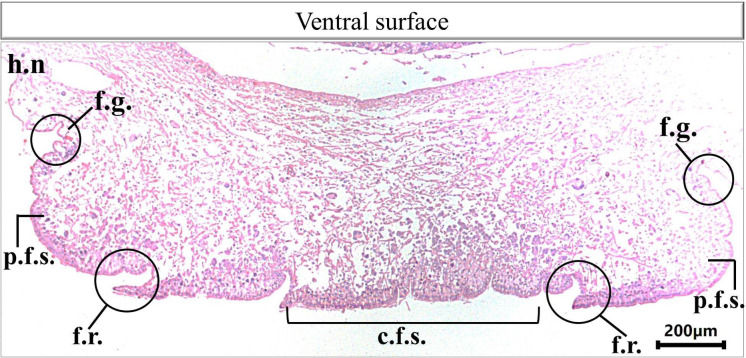 Figure 10
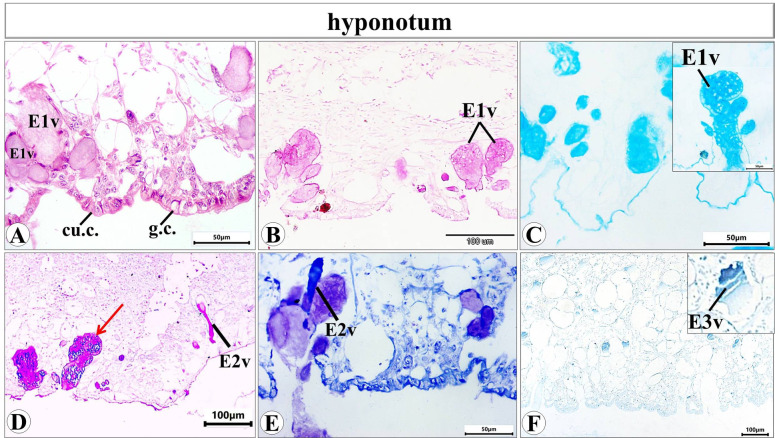 Figure 11
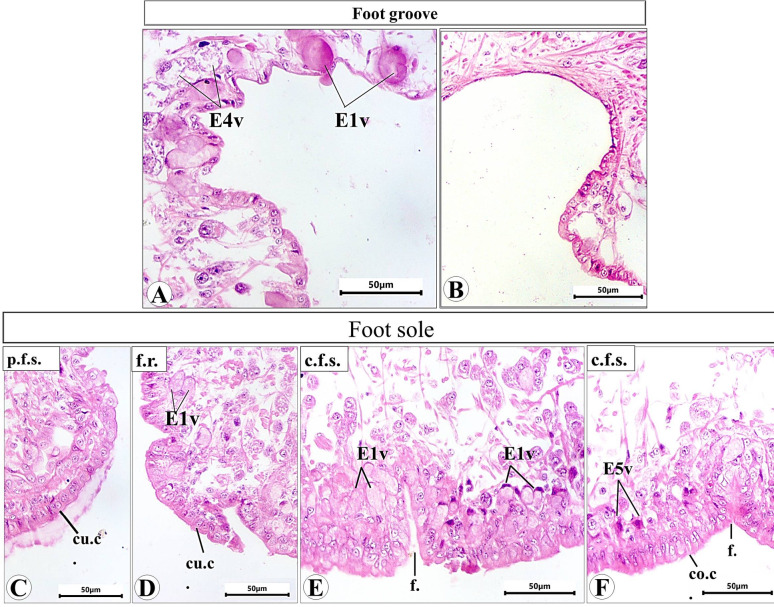 Figure 12
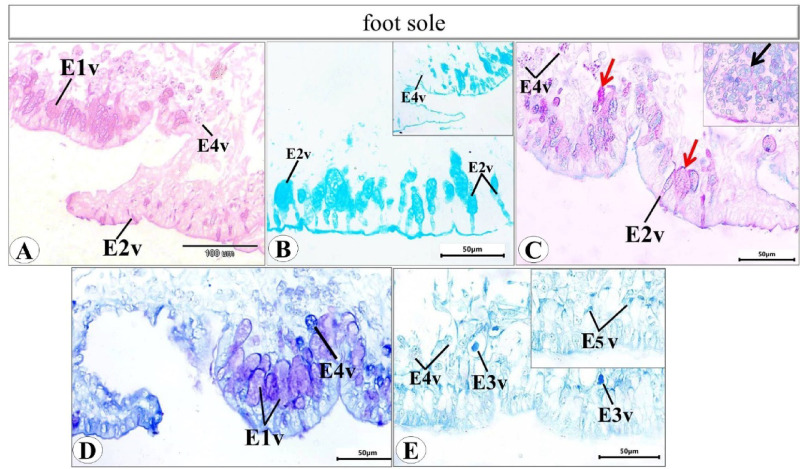 Figure 13
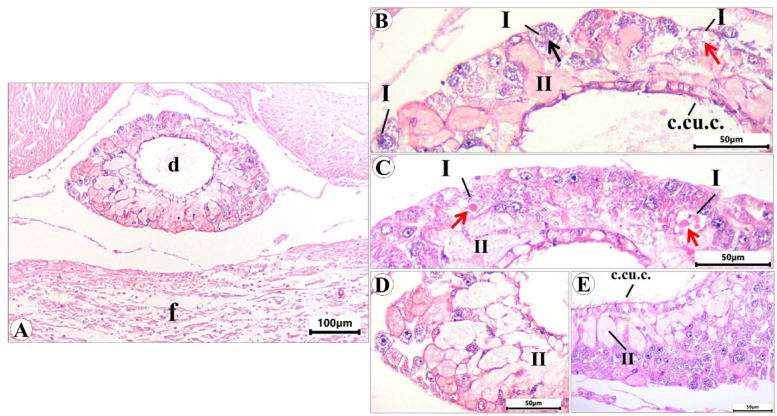 Figure 14
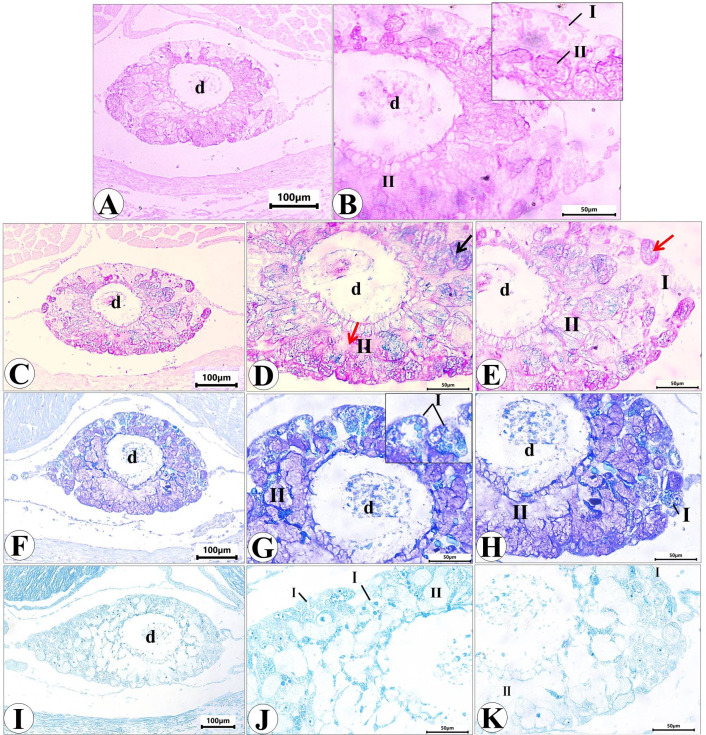 Figure 15
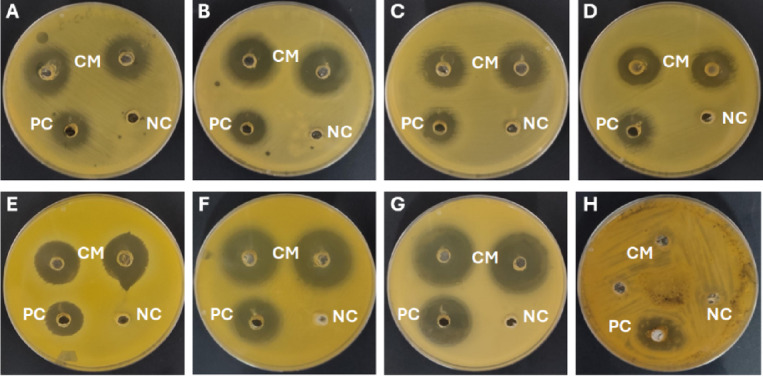 Figure 16
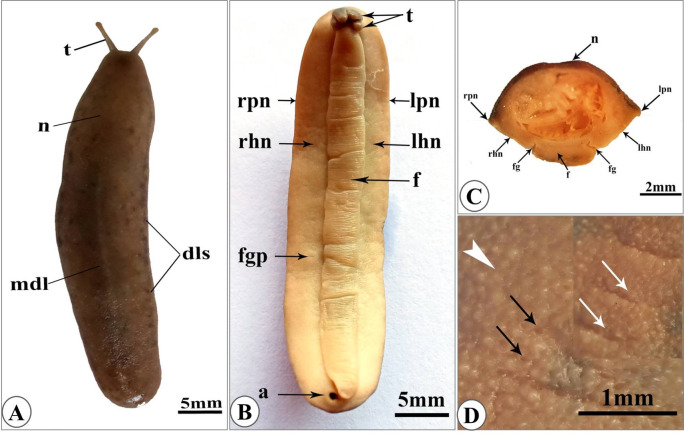 Figure 1
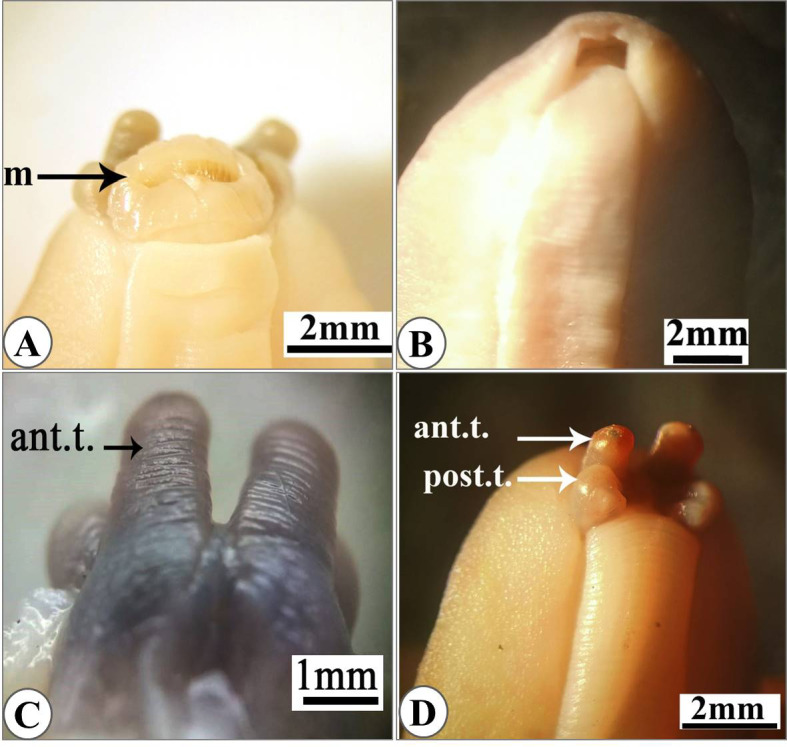 Figure 2
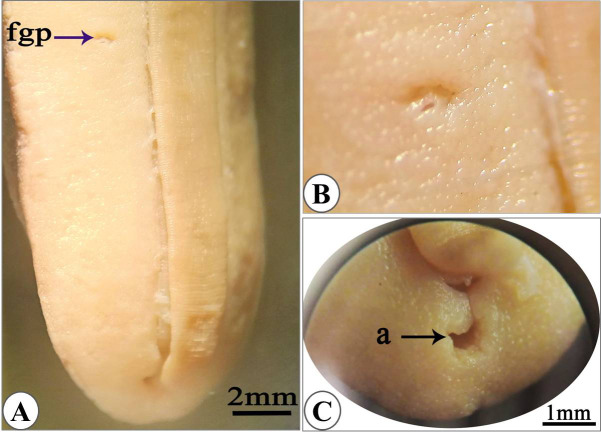 Figure 3
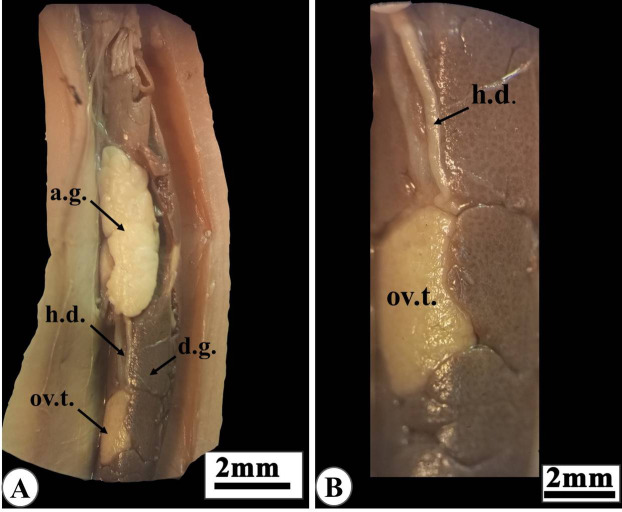 Figure 4
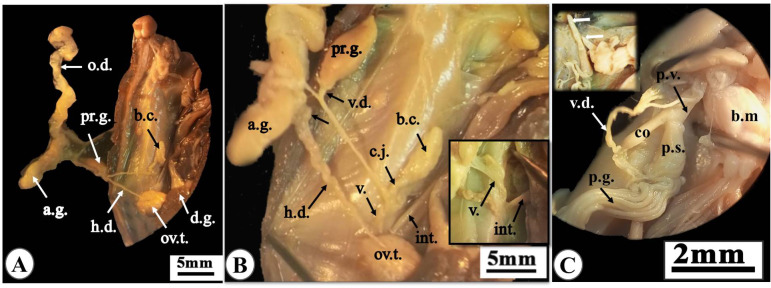 Figure 5
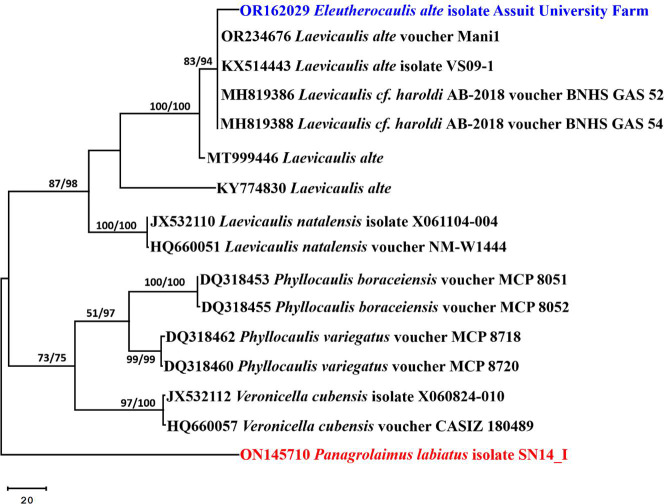 Figure 6
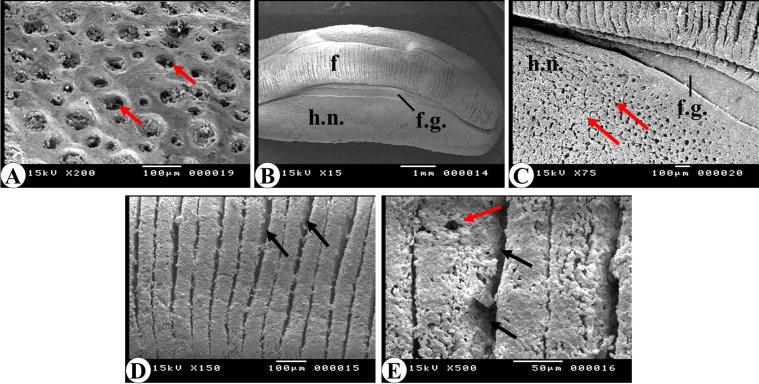 Figure 7
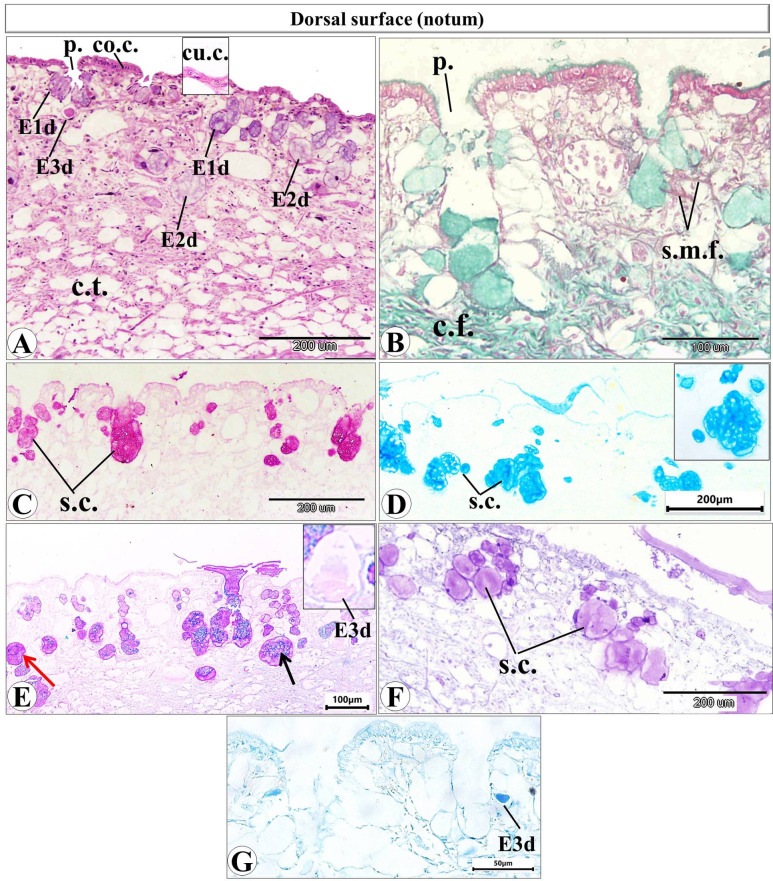 Figure 8
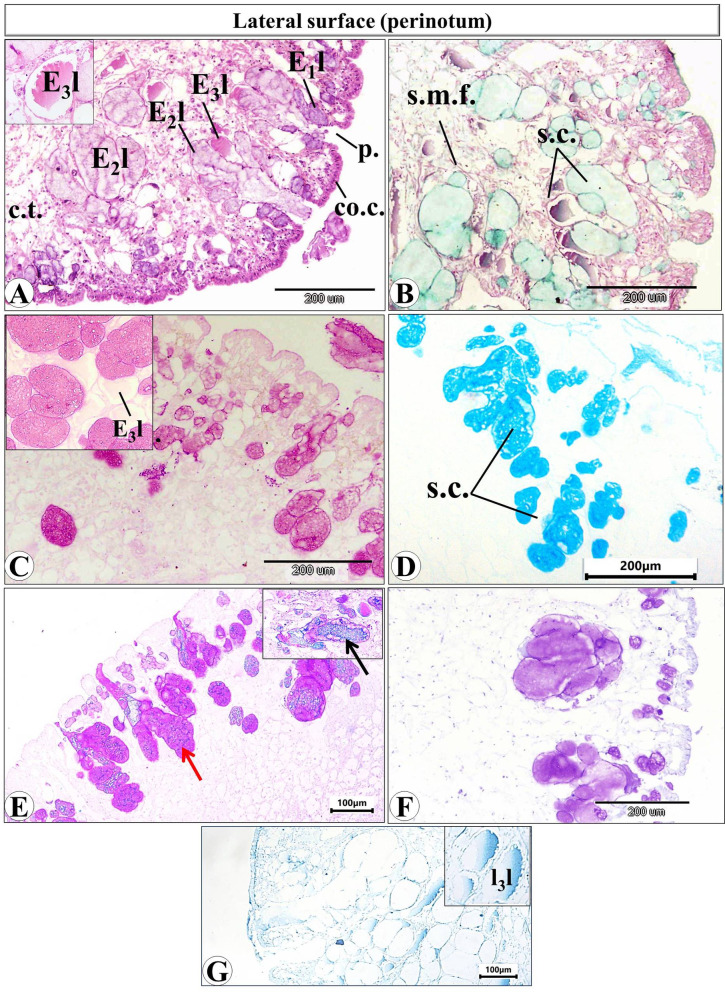 Figure 9
Peer Reviews
No public reviews on file for this paper yet. If you reviewed it on a platform where reviews are public (OpenReview, ICLR, NeurIPS, ICML), you can paste yours below so the community can read it here.
Videos
No videos yet. Explain this paper in a talk, walkthrough, or lecture? Add one.
Taxonomy
TopicsMollusks and Parasites Studies · Leech Biology and Applications · Diatoms and Algae Research