Detecting Amyloid–β Pathology in Subjective Cognitive Decline using novel CSF and plasma biomarkers
José Contador, Federico Emanuele Pozzi, Gonzalo Sánchez‐Benavides, Ana Fernández‐Arcos, Carolina Minguillón, Karine Fauria, Armand González Escalante, Paula Ortiz‐Romero, Clara Quijano‐Rubio, Gwendlyn Kollmorgen, Nathalie Le Bastard, Alicia Nadal, Fernando Gonzalez‐Ortiz

TL;DR
The study compares CSF and blood biomarkers to detect amyloid pathology in people with subjective cognitive decline, finding that some plasma biomarkers can rule out Alzheimer's pathology effectively.
Contribution
The study introduces novel CSF and plasma biomarkers for detecting amyloid pathology in subjective cognitive decline with high negative predictive values.
Findings
CSF p-tau231, p-tau205, and p-tau235 showed the largest effect sizes for detecting amyloid status in CSF.
Plasma p-tau217 and p-tau217/Aβ42 achieved high discrimination accuracy and NPV for amyloid detection.
Plasma biomarkers effectively rule out amyloid pathology in SCD individuals but have limited utility for confirmation due to low PPVs.
Abstract
Cerebrospinal fluid (CSF) and blood‐based biomarkers are essential tools for detecting individuals with cognitive complaints and at‐risk of Alzheimer's disease (AD). However, their utility in detecting underlying AD pathology in subjective cognitive decline (SCD) remains to be fully established, and direct comparisons between different biomarkers and platforms are needed. This study aimed to compare the performance of CSF and blood‐based biomarkers for detecting Amyloid‐b (Ab) pathology in individuals with SCD, including core AD and AD‐related pathophysiology biomarkers We studied individuals with SCD from the β‐AARC cohort, which enrolled individuals seeking medical advice for cognitive complaints. Ab‐positivity (A+) was defined as CSF Aβ42/Aβ40<0.062 (Lumipulse). The following CSF biomarkers were compared: p‐tau181, t‐tau, α‐synuclein, GFAP, IL‐6, NfL, Neurogranin, S100B, sTREM2,…
Genes, proteins, chemicals, diseases, species, mutations and cell lines named across the full text — each resolved to its canonical identifier and authoritative record.
Click any figure to enlarge with its caption.
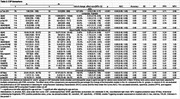 Figure 1
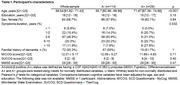 Figure 2
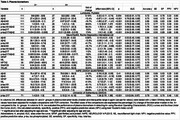 Figure 3
Peer Reviews
No public reviews on file for this paper yet. If you reviewed it on a platform where reviews are public (OpenReview, ICLR, NeurIPS, ICML), you can paste yours below so the community can read it here.
Videos
No videos yet. Explain this paper in a talk, walkthrough, or lecture? Add one.
Taxonomy
TopicsDementia and Cognitive Impairment Research · Alzheimer's disease research and treatments · Schizophrenia research and treatment