Progress and challenges in transplantation of human pluripotent stem cell derived cardiomyocytes for cardiac therapy
Jacelyn D. Bain, Ryan W. Barrs, Ying Mei

TL;DR
This paper reviews progress and challenges in using stem cell-derived heart cells for treating heart disease.
Contribution
The paper provides a comprehensive overview of recent advancements and challenges in translating hPSC-CMs into clinical therapies.
Findings
Advancements in hPSC-CM differentiation and manufacturing have improved scalability and clinical readiness.
Preclinical and clinical studies show potential for hPSC-CMs to repair damaged heart tissue.
Key challenges include optimizing delivery methods and understanding repair mechanisms.
Abstract
Myocardial infarction and heart failure remain leading causes of mortality worldwide. Human pluripotent stem cell-derived cardiomyocytes (hPSC-CMs) represent a promising approach to regenerating damaged myocardium and restoring cardiac function. This review highlights advancements in hPSC-CM differentiation, scale-up, and clinical-grade manufacturing; delivery approaches; and insights from preclinical and clinical studies. We also examine mechanisms of repair, key challenges and mitigation strategies, and future directions to advance hPSC-CM therapies toward clinical translation.
Genes, proteins, chemicals, diseases, species, mutations and cell lines named across the full text — each resolved to its canonical identifier and authoritative record.
Click any figure to enlarge with its caption.
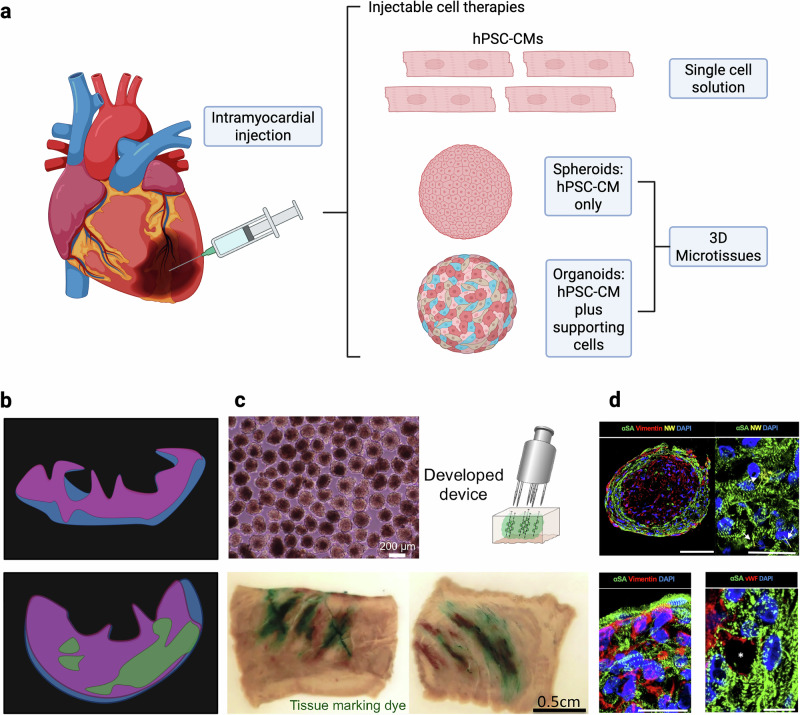 Figure 1
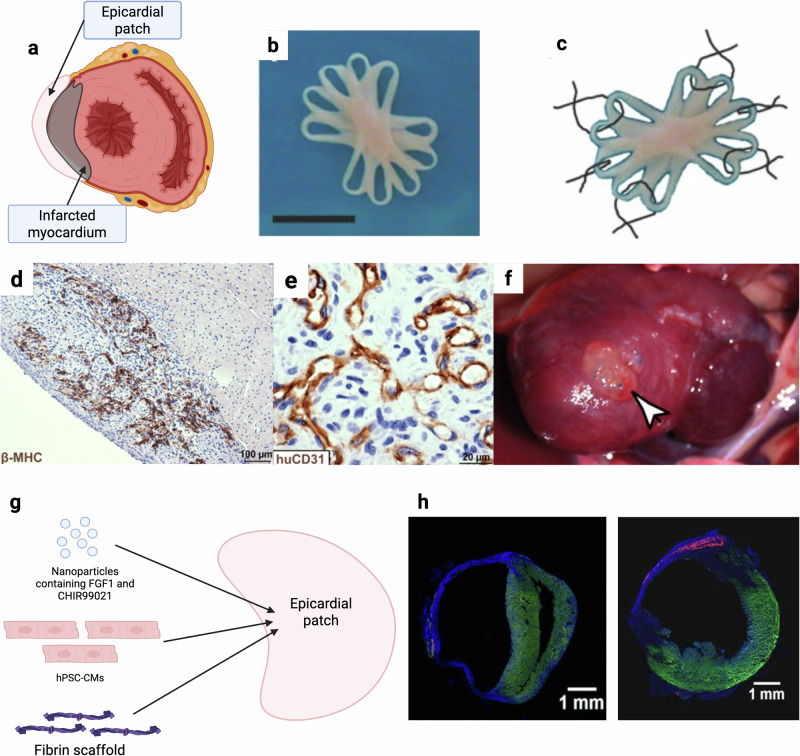 Figure 2
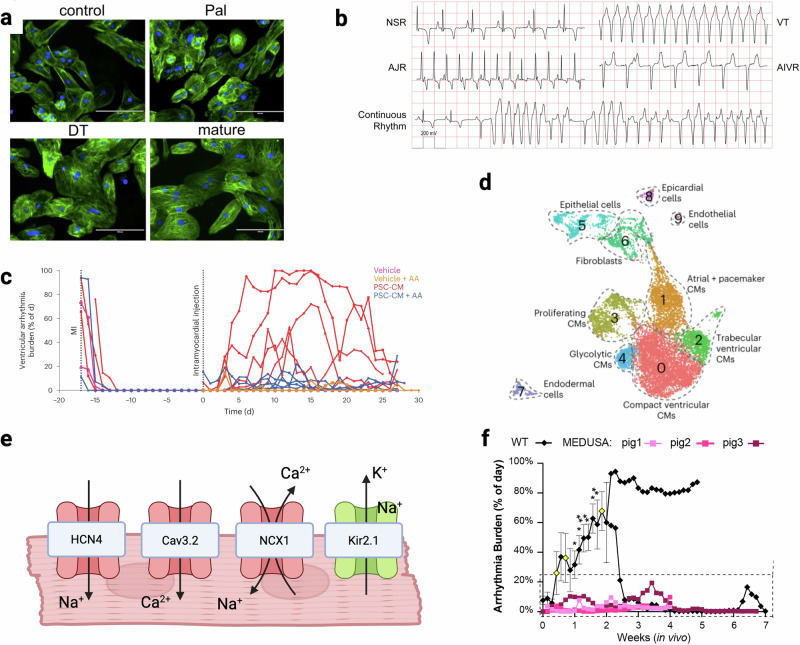 Figure 3
Peer Reviews
No public reviews on file for this paper yet. If you reviewed it on a platform where reviews are public (OpenReview, ICLR, NeurIPS, ICML), you can paste yours below so the community can read it here.
Videos
No videos yet. Explain this paper in a talk, walkthrough, or lecture? Add one.
Taxonomy
TopicsPluripotent Stem Cells Research · Congenital heart defects research · Mesenchymal stem cell research