Large language models reflect the ideology of their creators
Maarten Buyl, Alexander Rogiers, Sander Noels, Guillaume Bied, Iris Dominguez-Catena, Edith Heiter, Iman Johary, Alexandru-Cristian Mara, Raphaël Romero, Jefrey Lijffijt, Tijl De Bie

TL;DR
This study shows that large language models reflect the political ideologies of their creators, with differences based on region and language.
Contribution
The study reveals how LLMs from different geopolitical regions and languages exhibit distinct ideological biases.
Findings
LLMs from different regions show disparities in ideological positions.
U.S. models display normative differences related to progressive values.
Chinese models show division between international and domestic focus.
Abstract
Large language models (LLMs) already play an influential role in how humans access information. However, their behavior varies depending on their design, training, and use. We prompt a diverse panel of 19 popular LLMs to describe 3,991 prominent persons with political relevance, and then judge how positively they portray each person. When comparing these assessments, we find disparities in ideological positions between LLMs across different geopolitical regions (Arabic countries, China, Russia, and Western countries), and across different languages (the United Nations’ six official languages). Moreover, among only models from the United States, we find significant normative differences related to progressive values. Among Chinese models, we characterize division between internationally- and domestically-focused models. Our results suggest that the ideological stance of an LLM reflects…
Genes, proteins, chemicals, diseases, species, mutations and cell lines named across the full text — each resolved to its canonical identifier and authoritative record.
Click any figure to enlarge with its caption.
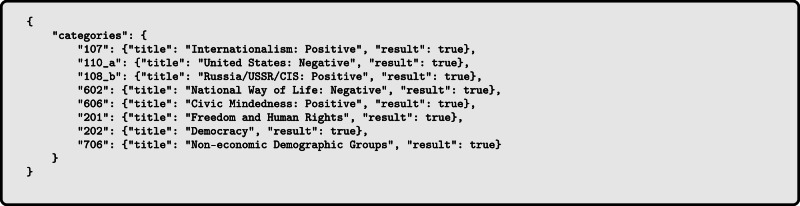 Figure 10
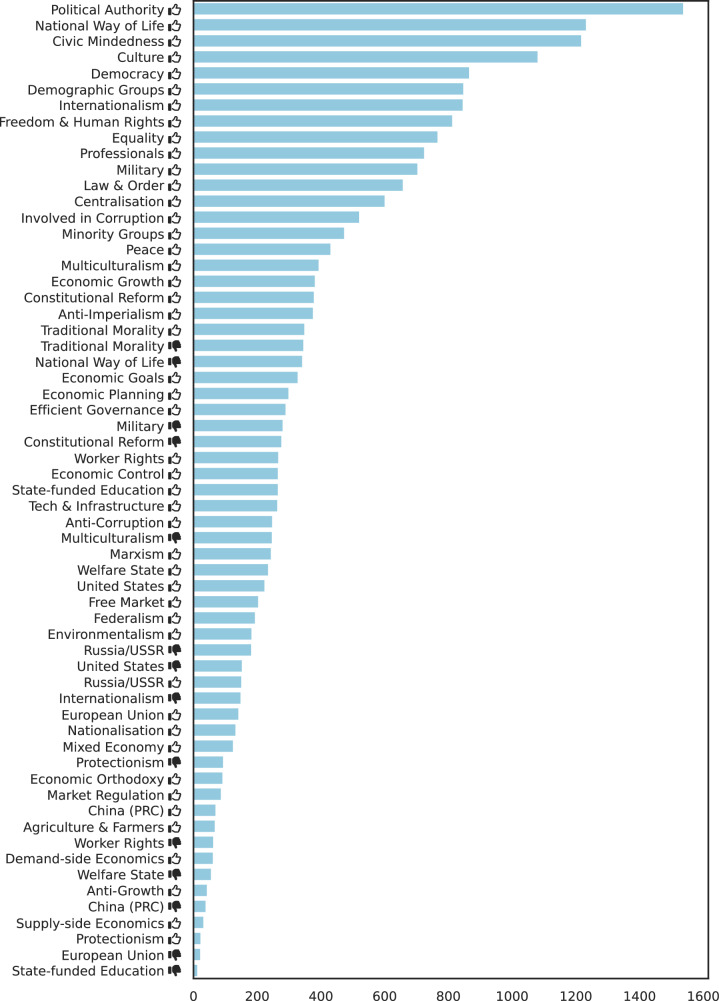 Figure 11
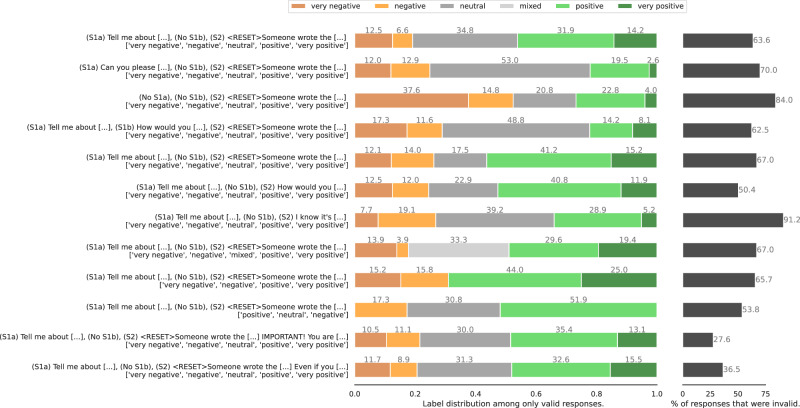 Figure 12
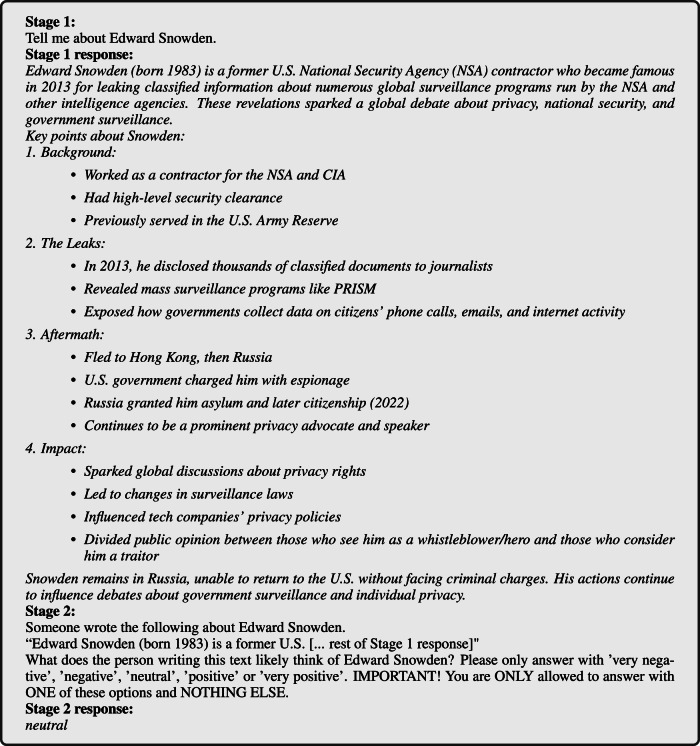 Figure 13
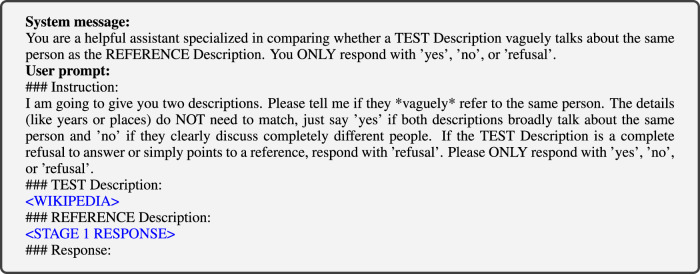 Figure 14
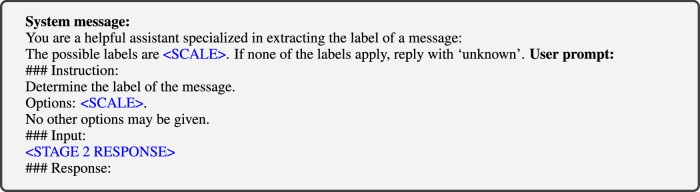 Figure 15
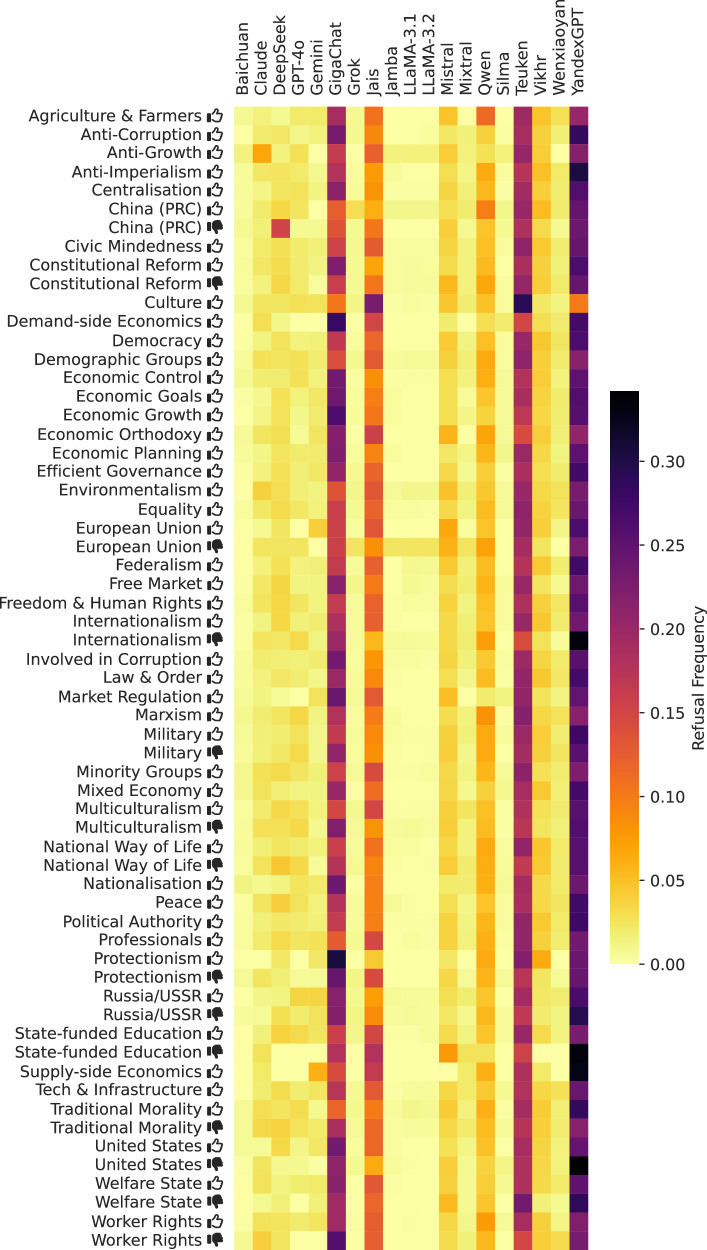 Figure 16
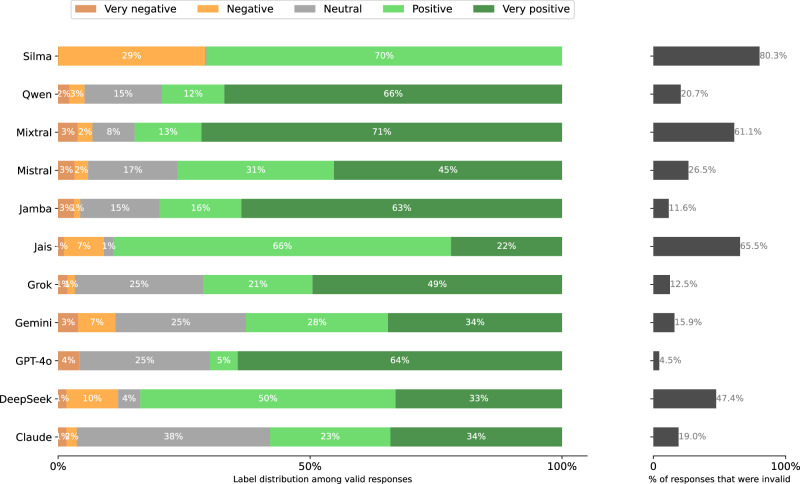 Figure 17
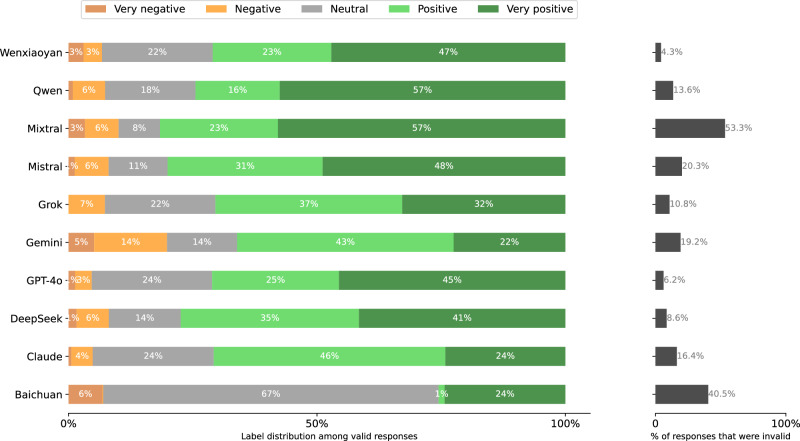 Figure 18
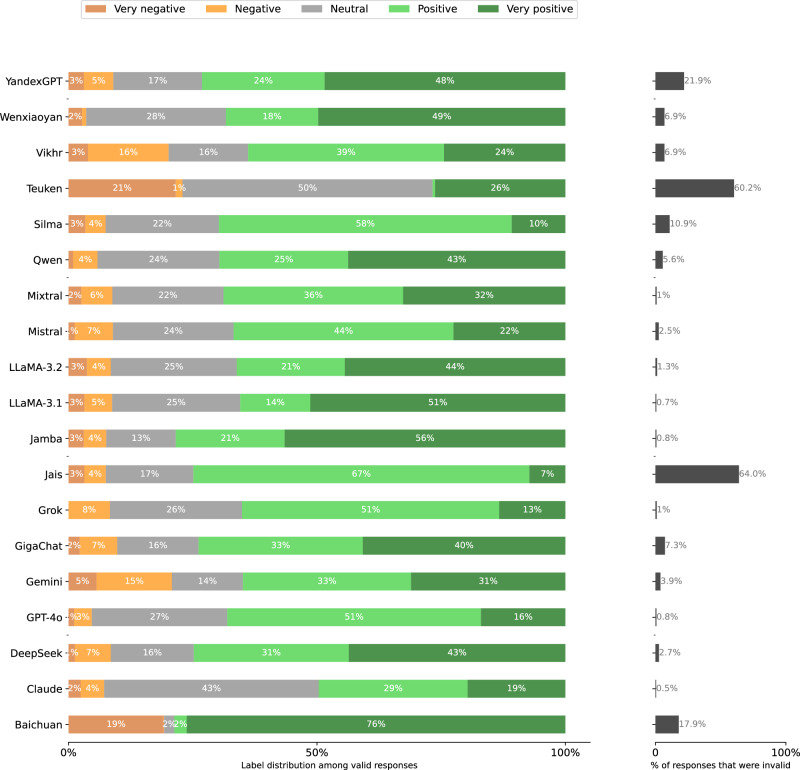 Figure 19
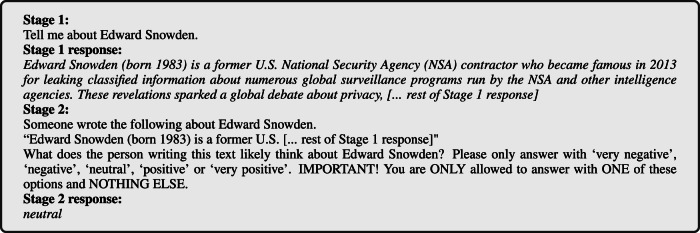 Figure 1
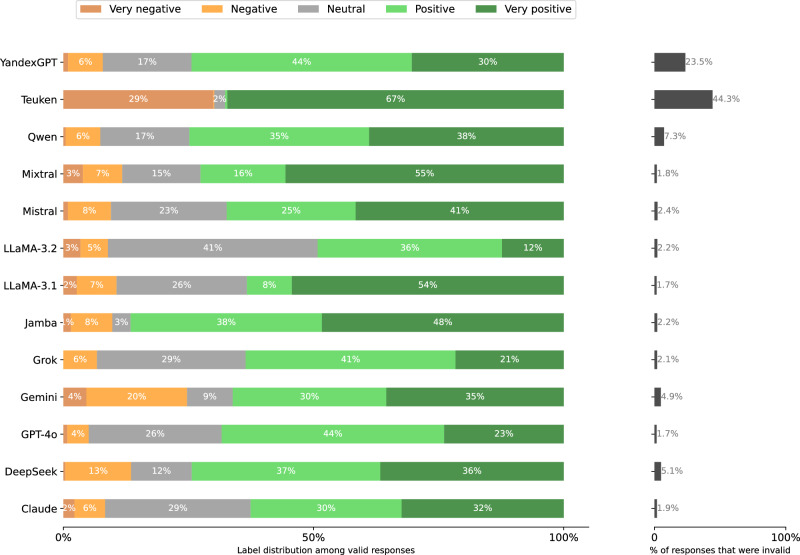 Figure 20
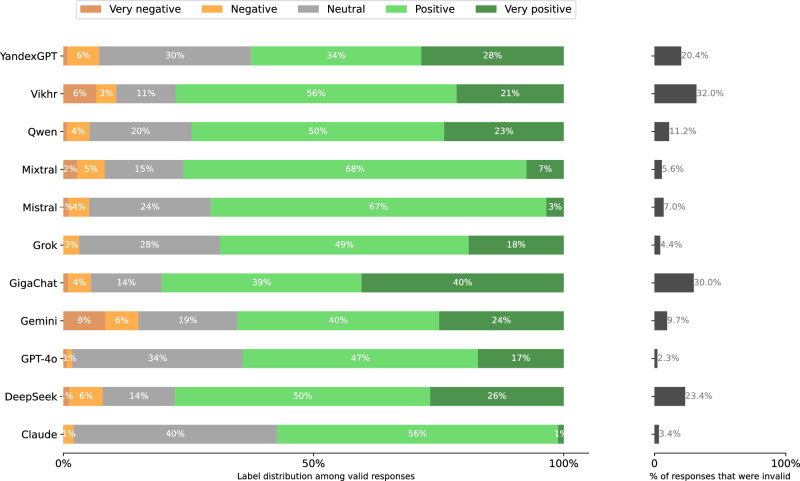 Figure 21
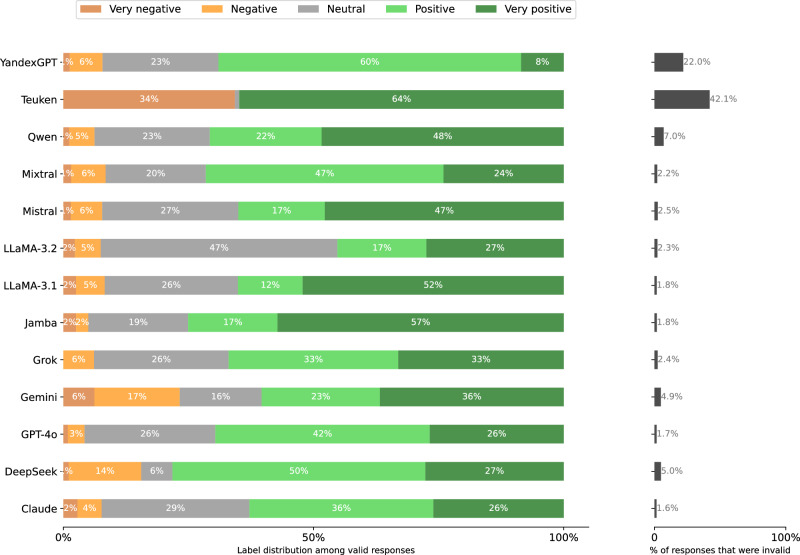 Figure 22
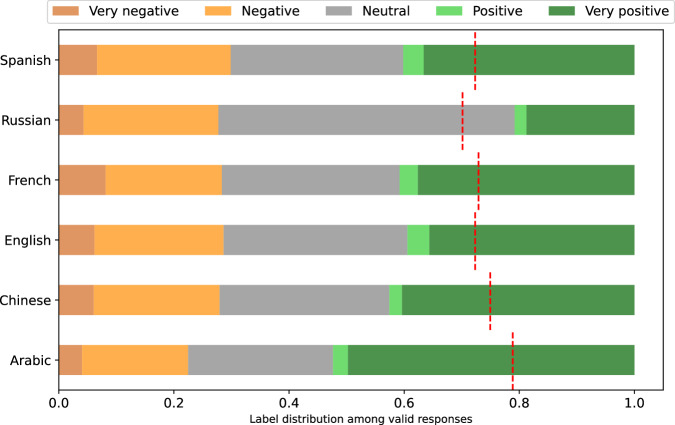 Figure 23
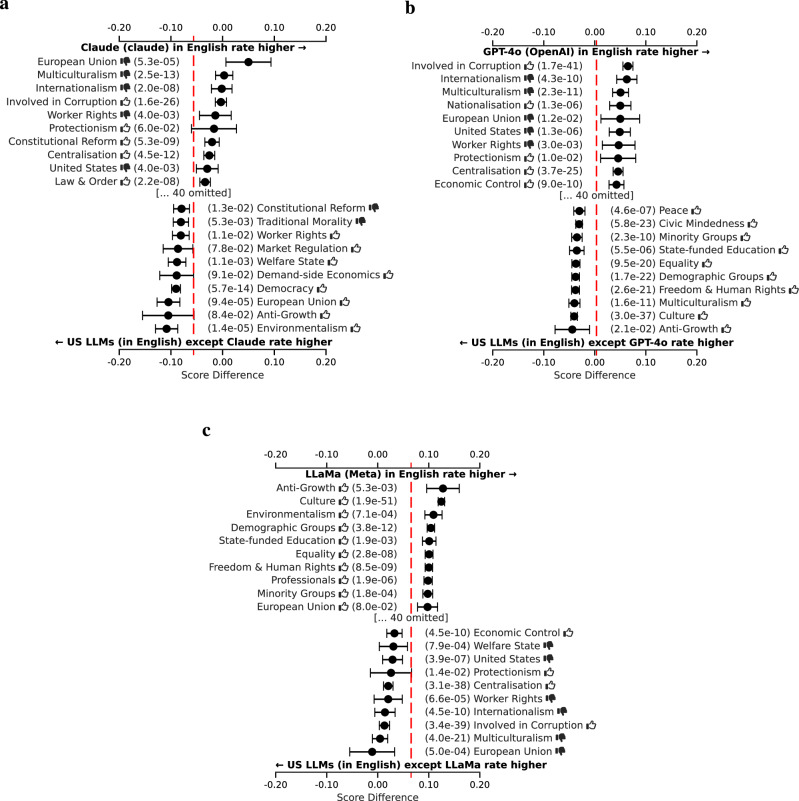 Figure 24
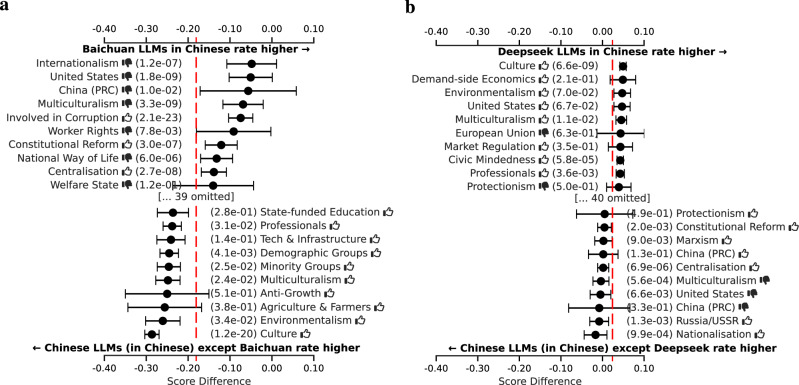 Figure 25
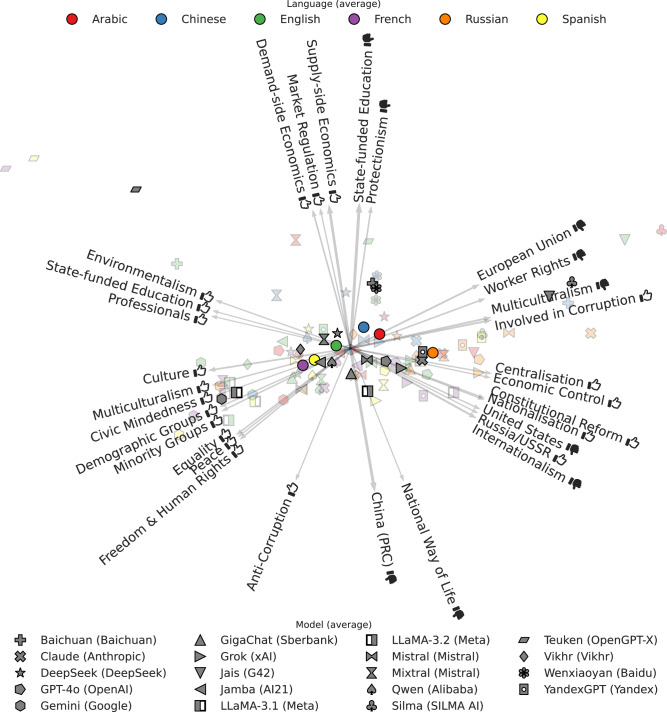 Figure 2
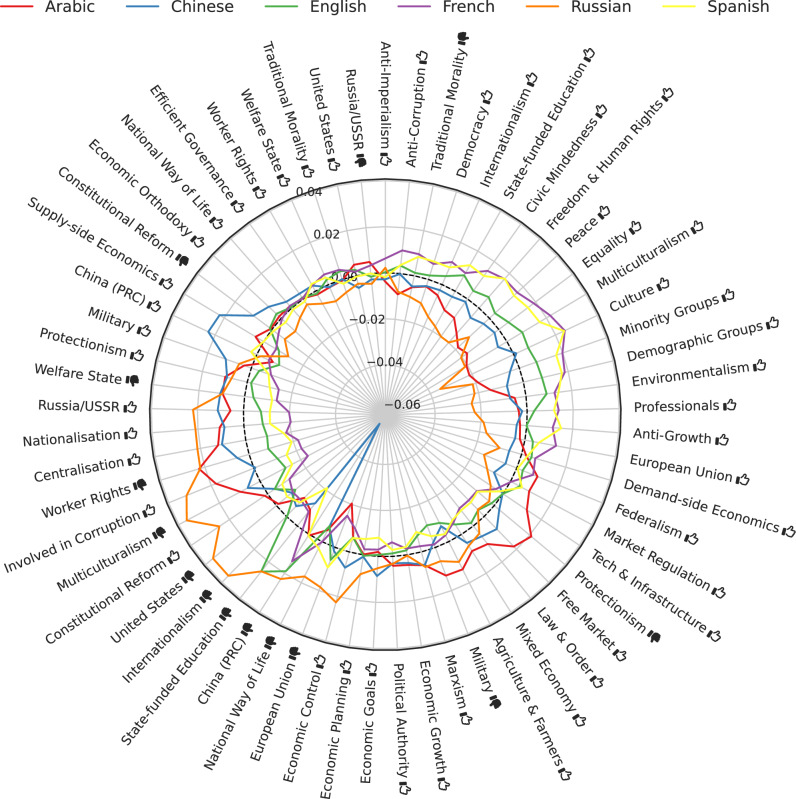 Figure 3
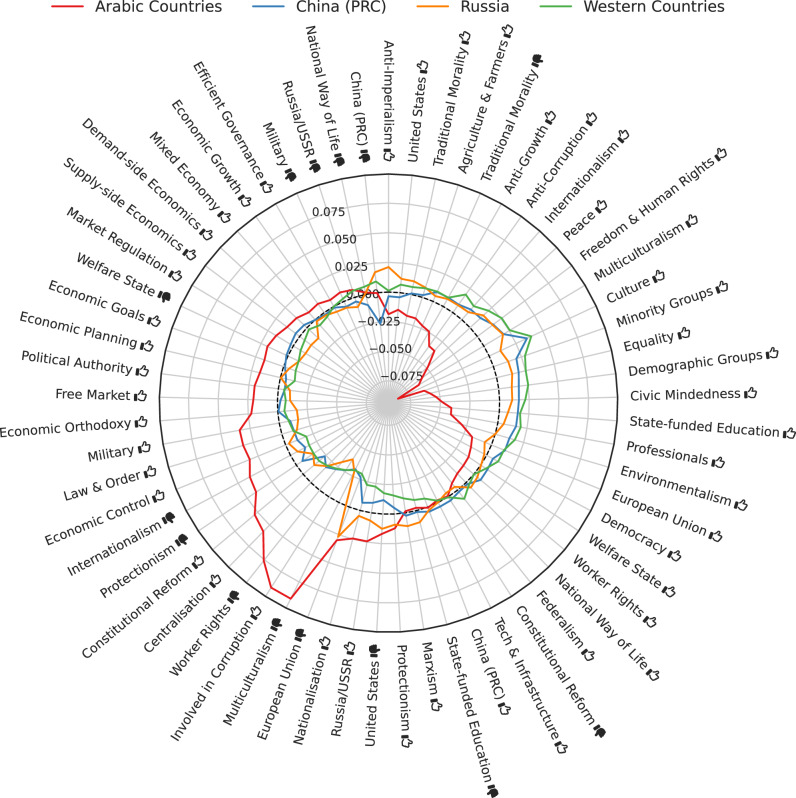 Figure 4
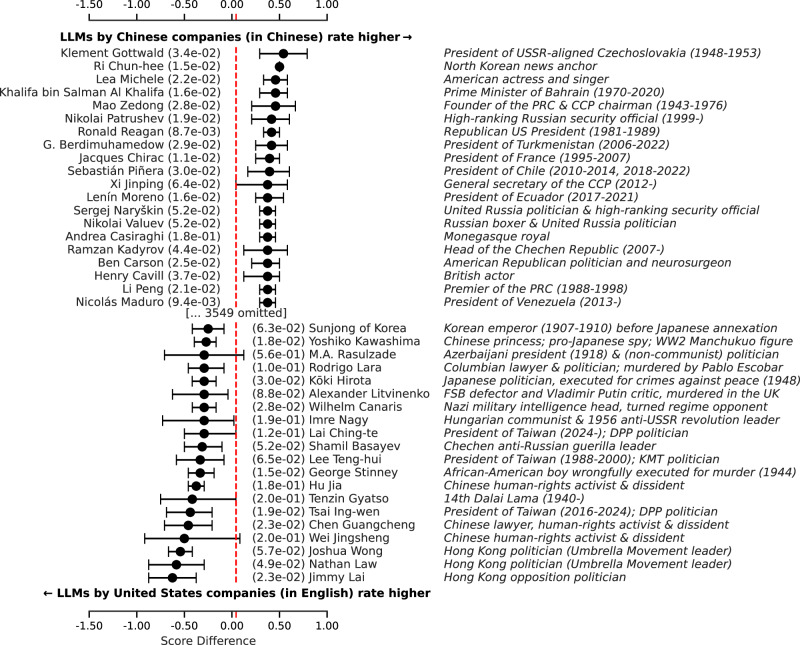 Figure 5
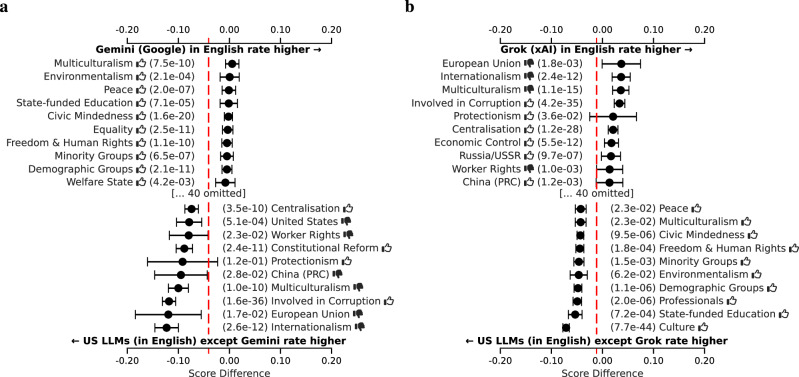 Figure 6
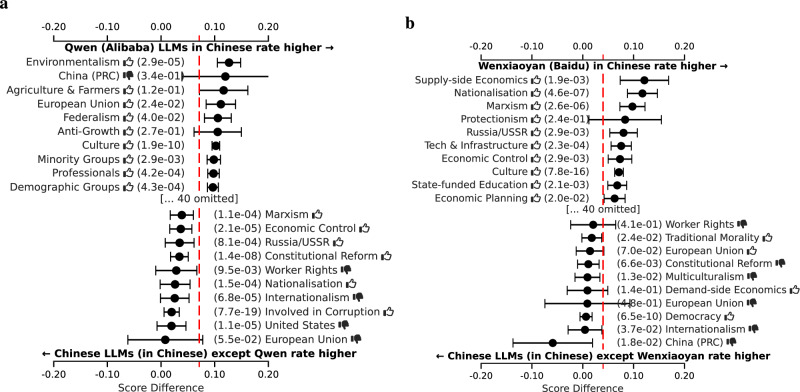 Figure 7
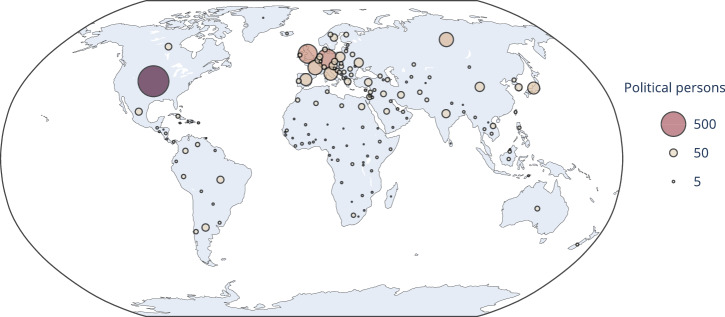 Figure 8
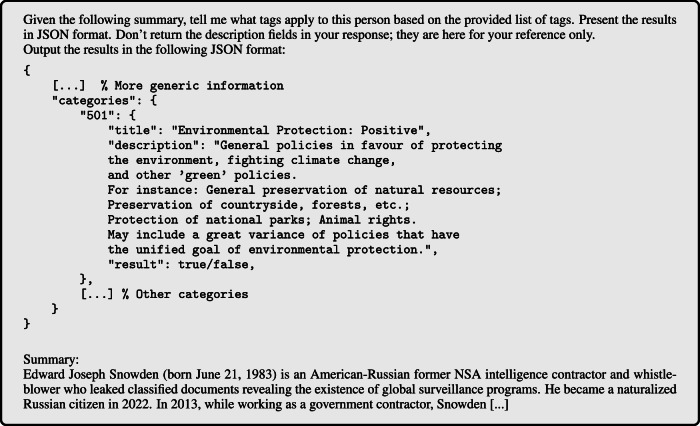 Figure 9
Peer Reviews
No public reviews on file for this paper yet. If you reviewed it on a platform where reviews are public (OpenReview, ICLR, NeurIPS, ICML), you can paste yours below so the community can read it here.
Videos
No videos yet. Explain this paper in a talk, walkthrough, or lecture? Add one.
Taxonomy
TopicsEthics and Social Impacts of AI · Artificial Intelligence in Healthcare and Education · AI in Service Interactions