Circadian Clock Dysfunction Exacerbate Autistic‐Like Behaviour and Wnt/β‐Catenin Signalling Dysregulation in ASD Mice and Treatment of Melatonin
Yuxing Zhang, Yinan Chen, Wu Li, Liya Tang, Guangyu Wang, Jiangshan Li, Xiang Feng

TL;DR
This study shows that circadian clock dysfunction worsens autistic-like behaviors in mice and that melatonin treatment can help by restoring Wnt signaling.
Contribution
The study reveals a novel link between Bmal1, circadian dysfunction, and Wnt/β-catenin signaling in ASD and shows melatonin's therapeutic potential.
Findings
Bmal1 deficiency worsens autistic-like behaviors and disrupts Wnt signaling in VPA-exposed mice.
Melatonin treatment reverses Wnt downregulation and improves behavioral deficits in these mice.
Bmal1 may act as a co-activator in the Wnt-β-catenin signaling pathway.
Abstract
Between 50% and 80% of children diagnosed with Autism Spectrum Disorder (ASD) are estimated to experience sleep disturbances, highlighting the importance of exploring the role of the circadian clock in ASD development. Previous studies have identified a potential link between Bmal1 deficiency and ASD in mouse models. In this study, we first characterise the expression patterns of circadian proteins. Subsequent behavioural tests and western blot analyses revealed that mice exposed to valproic acid (VPA) displayed autistic‐like behaviours, along with altered circadian protein expression and disruption in Wnt signalling protein levels. Further studies showed that Bmal1 knockout exacerbates these behavioural changes and further impaired Wnt signalling and downstream protein expression in VPA‐exposed mice. Notably, treatment with the circadian biomarker melatonin reversed Wnt downregulation…
Genes, proteins, chemicals, diseases, species, mutations and cell lines named across the full text — each resolved to its canonical identifier and authoritative record.
Click any figure to enlarge with its caption.
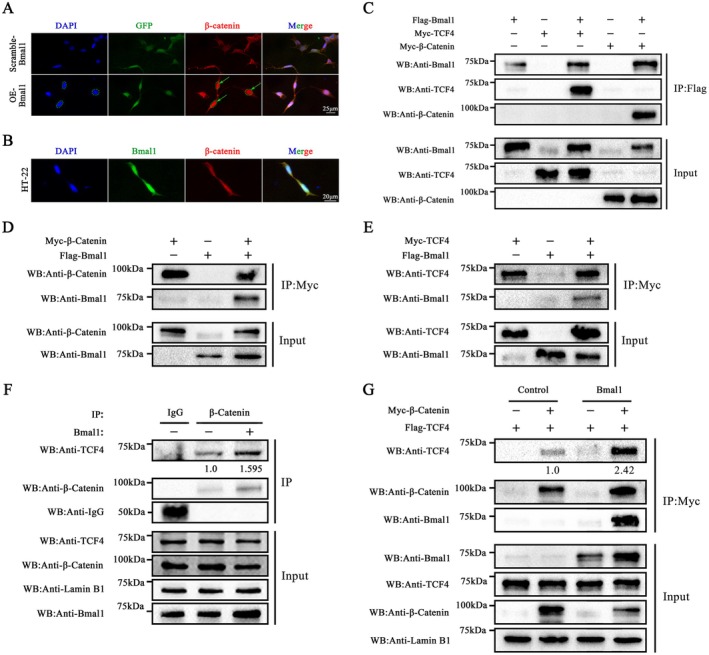 Figure 1
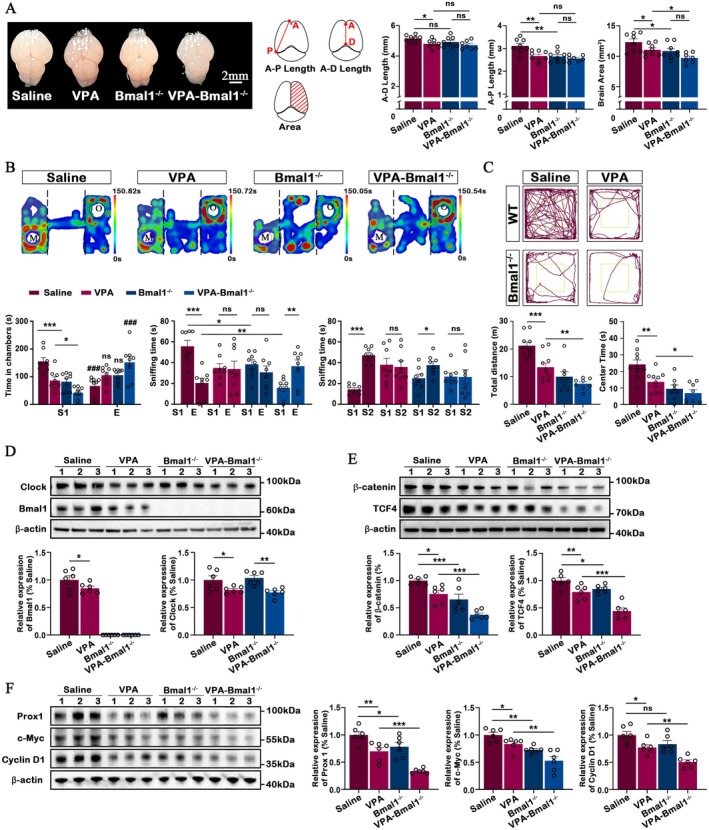 Figure 2
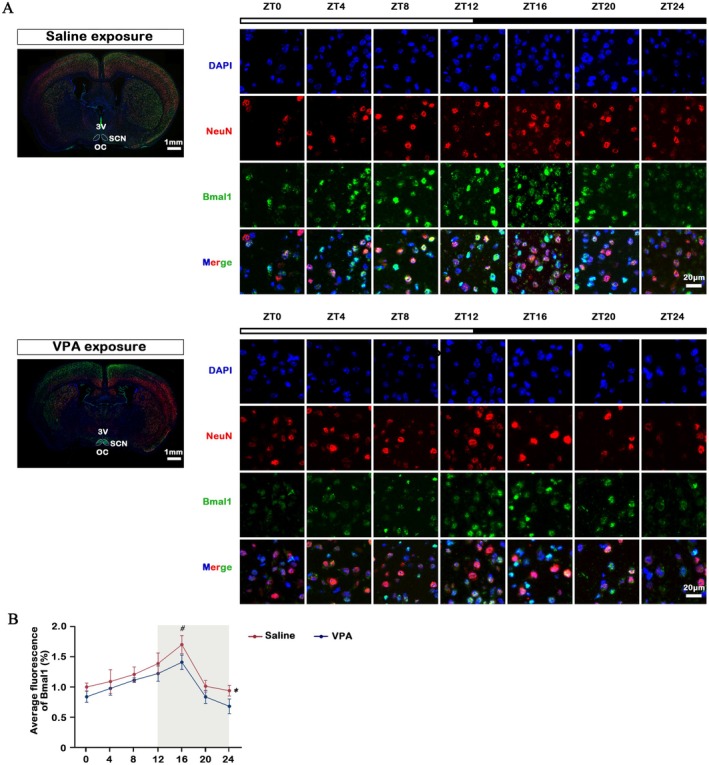 Figure 3
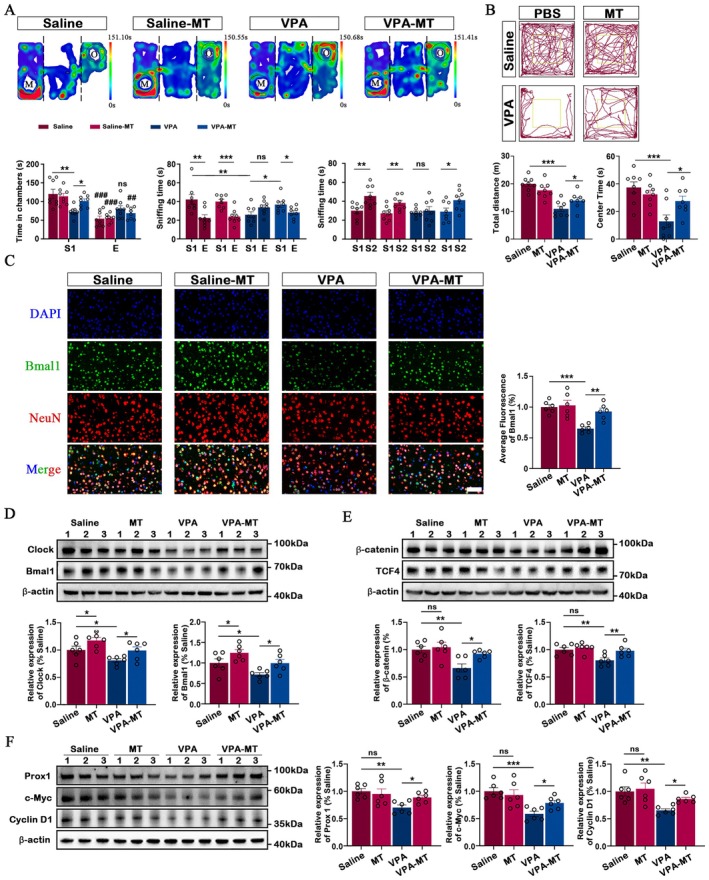 Figure 4
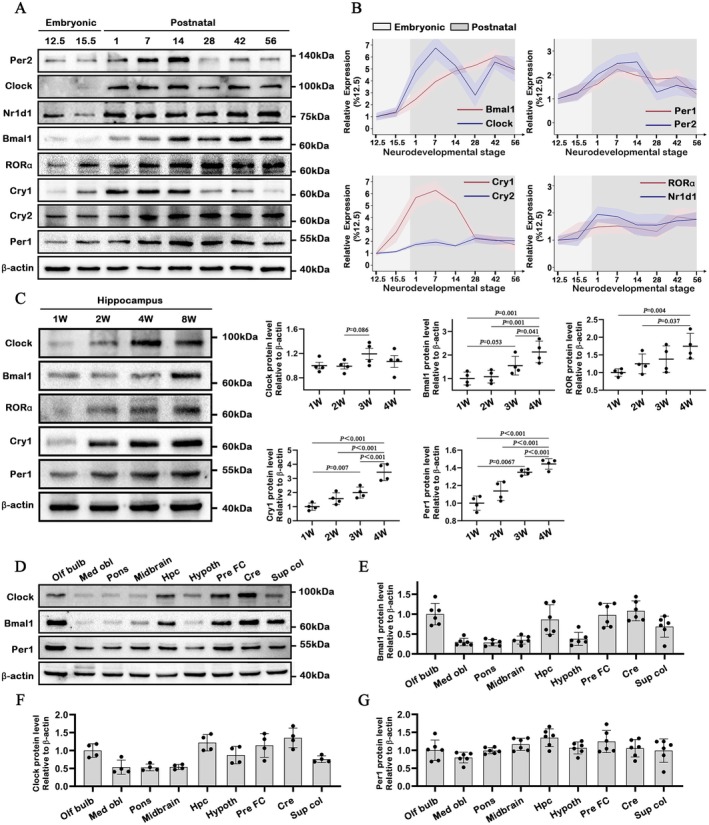 Figure 5
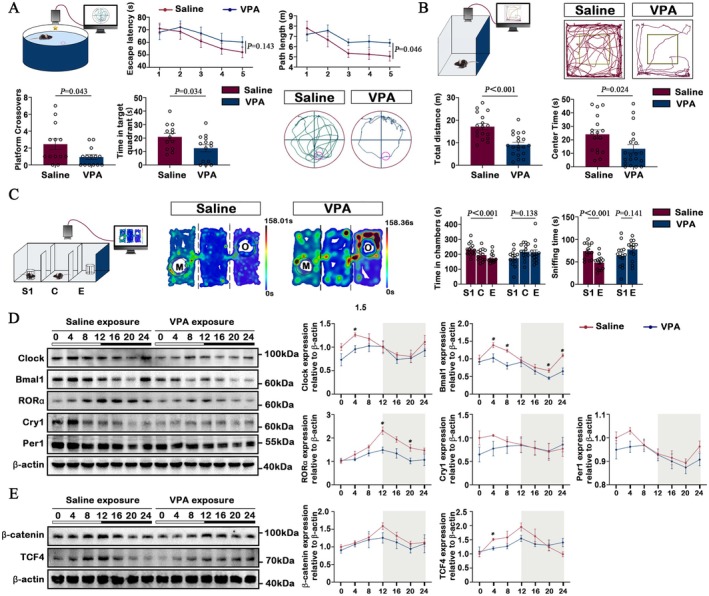 Figure 6
Peer Reviews
No public reviews on file for this paper yet. If you reviewed it on a platform where reviews are public (OpenReview, ICLR, NeurIPS, ICML), you can paste yours below so the community can read it here.
Videos
No videos yet. Explain this paper in a talk, walkthrough, or lecture? Add one.
Taxonomy
TopicsAutism Spectrum Disorder Research · Circadian rhythm and melatonin · Genetics and Neurodevelopmental Disorders