Elamipretide Improves Mitochondrial Function in Mitochondrial Trifunctional Protein‐Deficient Mice and Human Fibroblasts
Eduardo Vieira Neto, Meicheng Wang, Austin J. Szuminsky, Lethicia Ferraro, Shakuntala Basu, Xuejun Zhao, Anuradha Karunanidhi, Yudong Wang, Jerry Vockley

TL;DR
Elamipretide, a cardiolipin-binding peptide, improves mitochondrial function in mice and human cells with TFP deficiency, suggesting a new treatment possibility.
Contribution
Elamipretide is shown to improve mitochondrial function in TFP deficiency without altering cardiolipin levels.
Findings
Elamipretide improved exercise endurance in βTFP-deficient mice.
Mitochondrial bioenergetics and ROS levels were affected in patient fibroblasts.
FAO-ETC enzyme activities improved in liver mitochondria of treated mice.
Abstract
Mitochondrial trifunctional protein (TFP) deficiency is an inherited disorder of long‐chain fatty acid β‐oxidation (FAO). TFP is a heteromeric enzyme composed of two α and two β‐subunits. Despite early detection and dietary treatment, TFP deficiency patients often develop hypoglycemia, rhabdomyolysis, cardiomyopathy, and peripheral neuropathy. Degenerative retinopathy and milder peripheral neuropathy occur in patients with an isolated deficiency of the αTFP subunit of long‐chain 3‐hydroxyacyl‐CoA dehydrogenase (LCHAD) activity. Triheptanoin treatment improves most complications, but not peripheral neuropathy and retinopathy. Notably, TFP also carries a fourth enzymatic function involved in cardiolipin remodeling, which we previously found to be impaired in TFP/LCHAD deficiency. We therefore tested whether elamipretide, a synthetic cardiolipin‐binding peptide, could improve mitochondrial…
Genes, proteins, chemicals, diseases, species, mutations and cell lines named across the full text — each resolved to its canonical identifier and authoritative record.
Click any figure to enlarge with its caption.
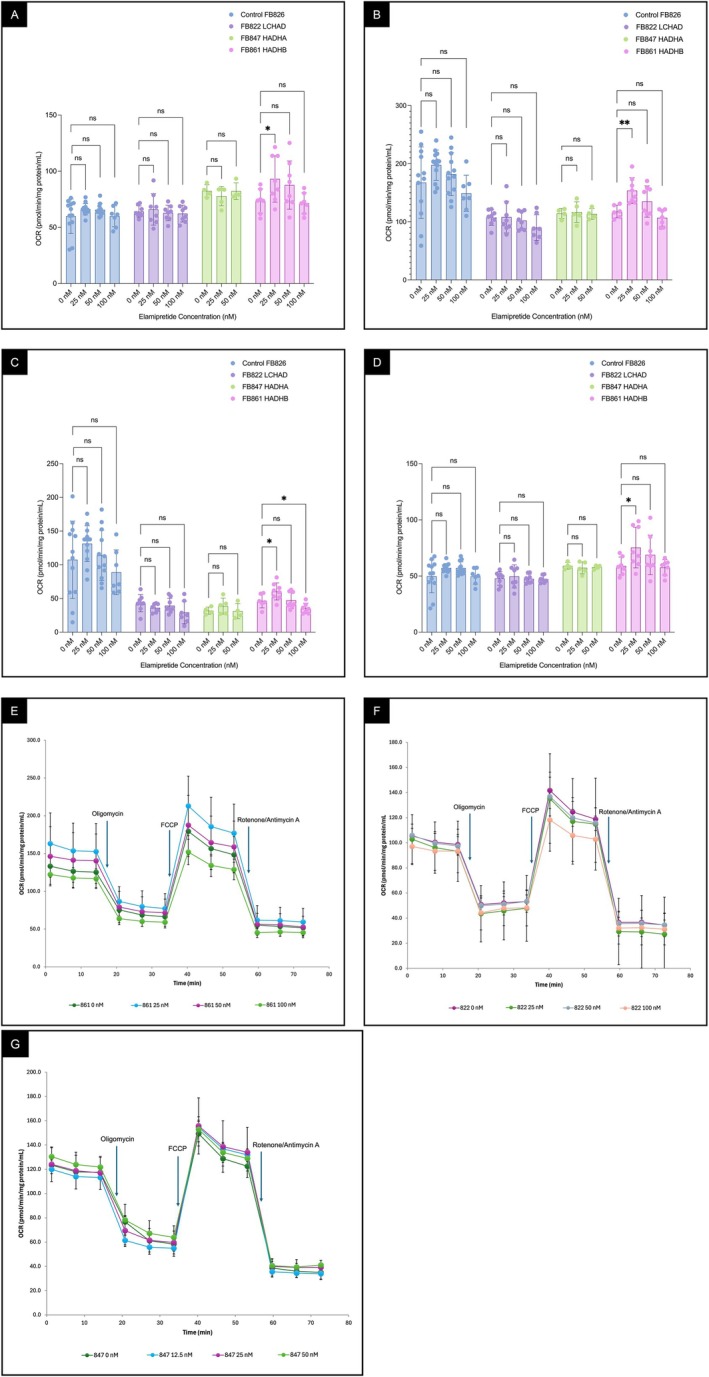 Figure 1
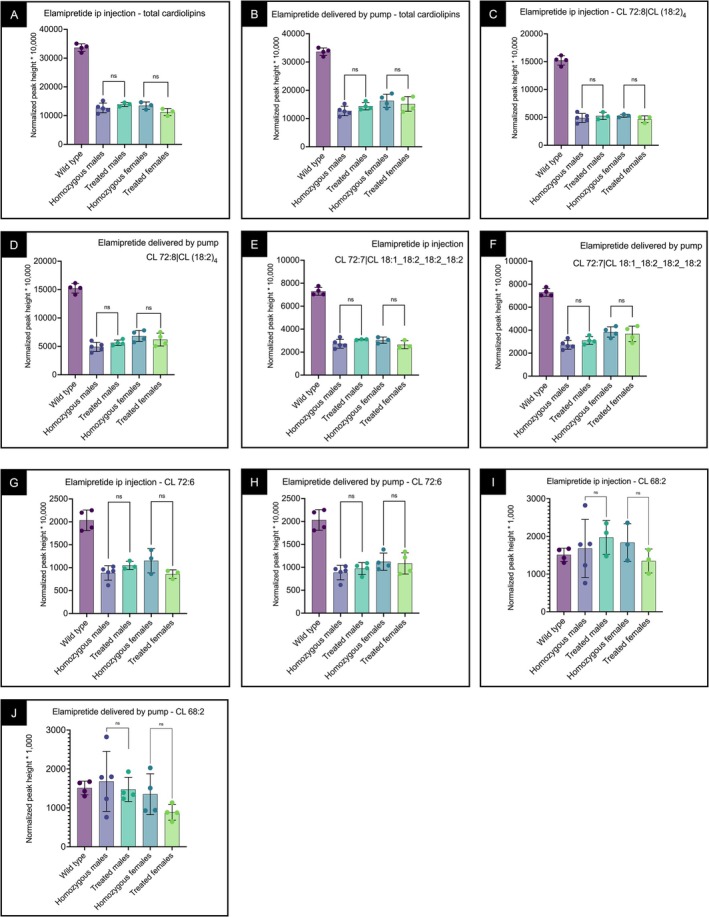 Figure 2
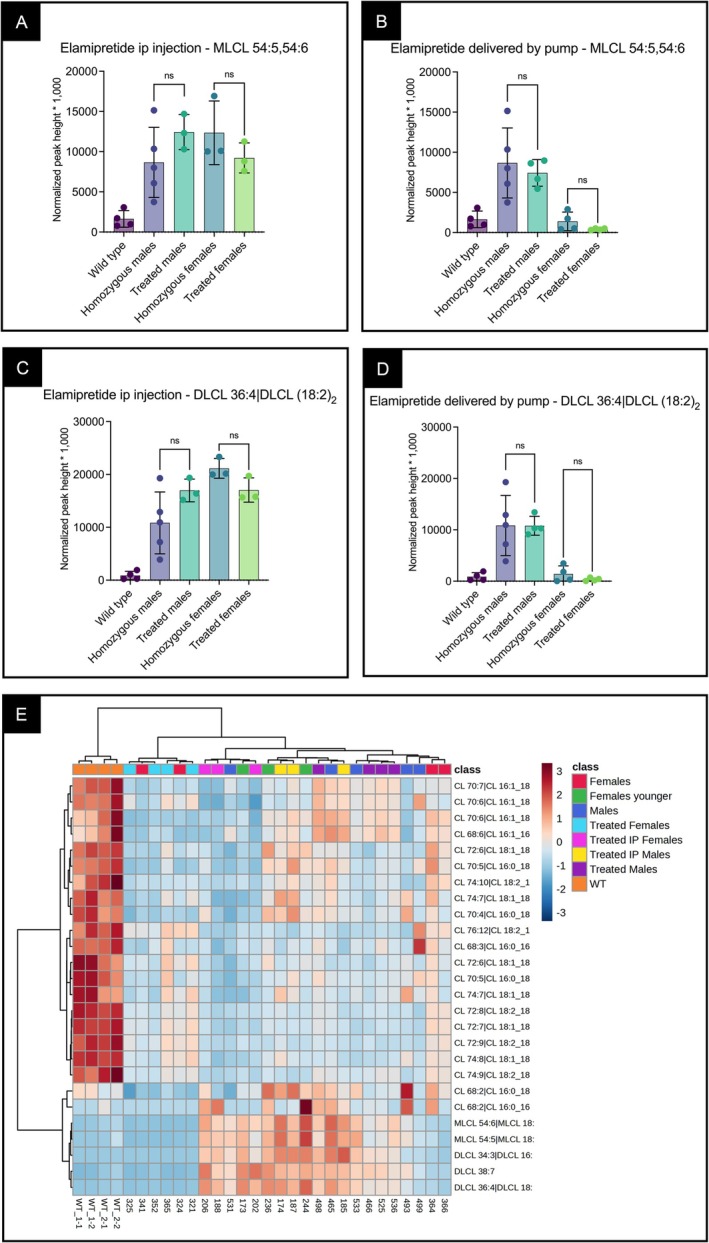 Figure 3
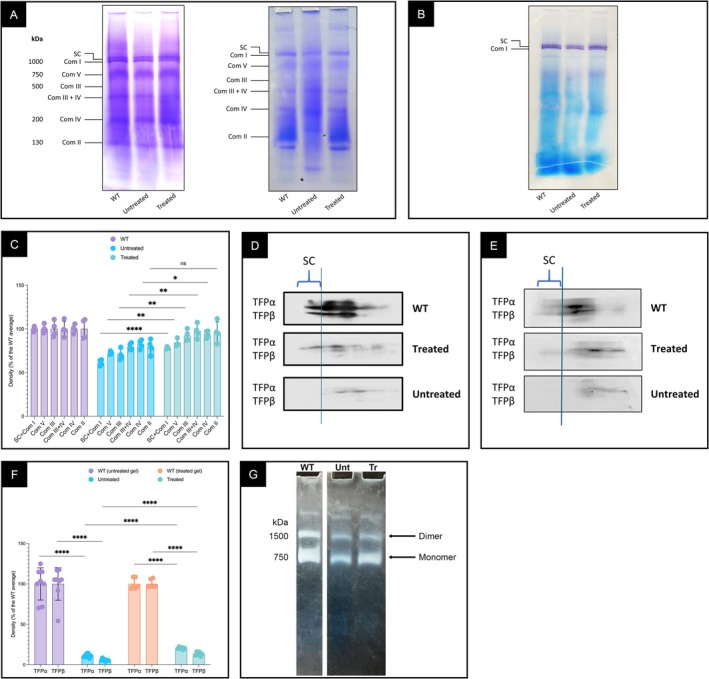 Figure 4
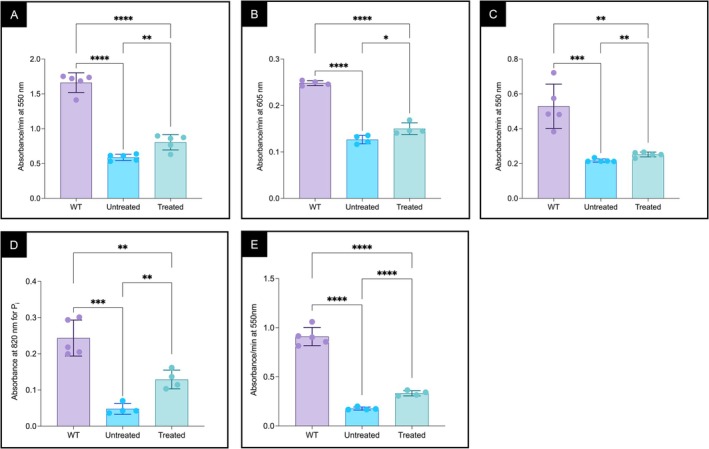 Figure 5
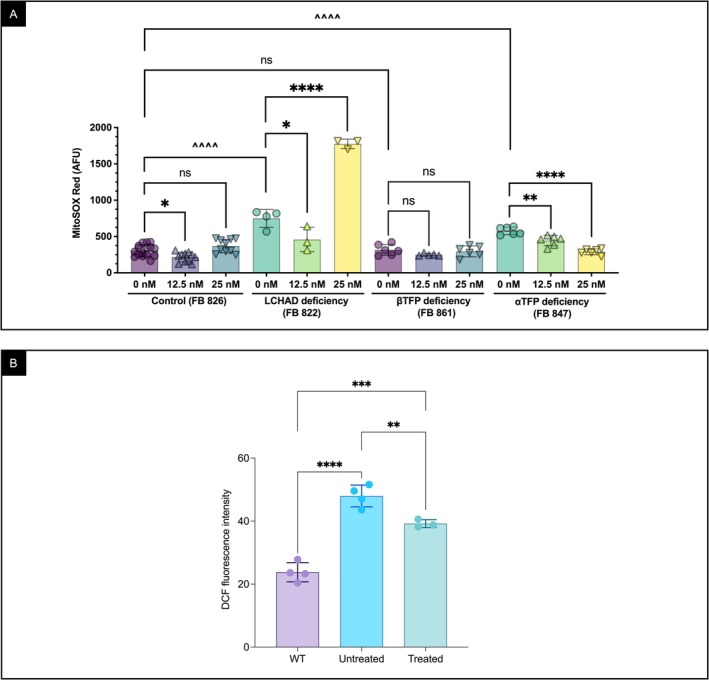 Figure 6
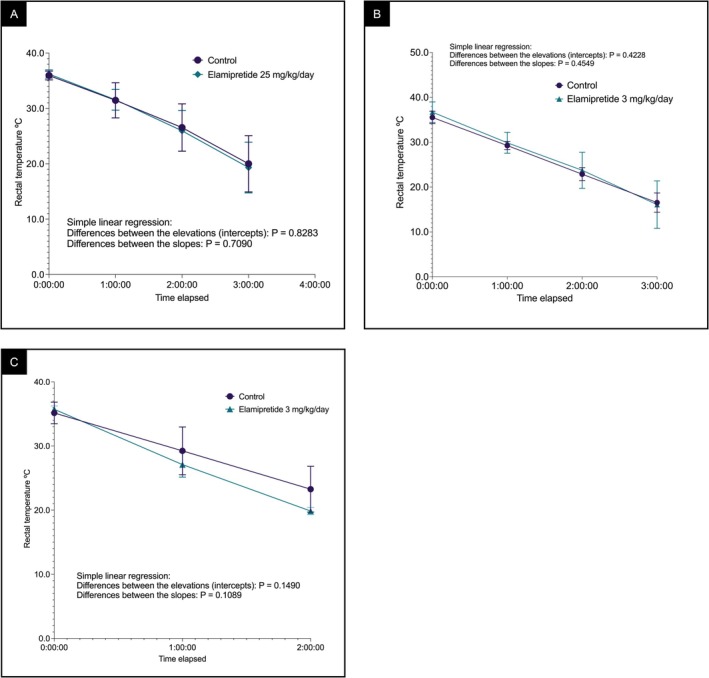 Figure 7
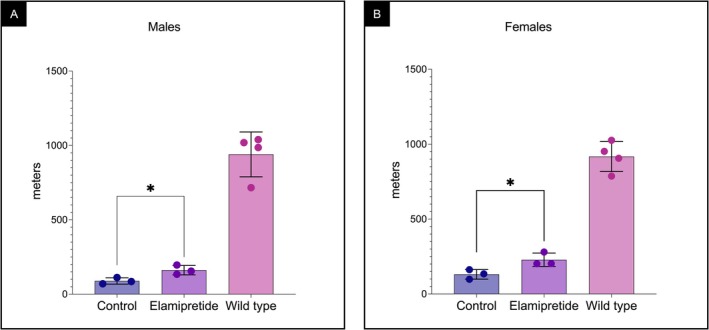 Figure 8
Peer Reviews
No public reviews on file for this paper yet. If you reviewed it on a platform where reviews are public (OpenReview, ICLR, NeurIPS, ICML), you can paste yours below so the community can read it here.
Videos
No videos yet. Explain this paper in a talk, walkthrough, or lecture? Add one.
Taxonomy
TopicsMetabolism and Genetic Disorders · Mitochondrial Function and Pathology · Adipose Tissue and Metabolism