Novel CSF astrocyte biomarkers are associated with amyloid load in Alzheimer's disease
Luiza Santos Machado, Guilherme Povala, Ilaria Pola, Dzeneta Vizlin‐Hodzic, Pedro Rosa‐Neto, Kaj Blennow, Eduardo R. Zimmer, Henrik Zetterberg, Andrea L. Benedet, Nicholas J. Ashton

TL;DR
This study identifies new cerebrospinal fluid biomarkers linked to astrocyte activity and amyloid buildup in Alzheimer's disease.
Contribution
The paper introduces GPC5, LRIG1, and NCAN as novel astrocyte biomarkers associated with Alzheimer's disease progression and amyloid pathology.
Findings
CSF NCAN levels were significantly reduced in Alzheimer's patients compared to cognitively unimpaired and MCI individuals.
GPC5 levels were elevated in Aβ-positive cognitively impaired individuals and showed widespread cortical associations with amyloid deposition.
LRIG1 and NCAN levels increased in Aβ-positive cognitively impaired individuals compared to Aβ-negative ones.
Abstract
Astrocytes are highly involved in Alzheimer's disease (AD) pathophysiology. GFAP, an astrocyte‐enriched protein, increases in response to amyloid (Aβ) pathology and is used as a fluid biomarker of astrocyte reactivity in AD. However, GFAP does not fully reflect the astrocytic dynamics in response to the disease. Thus, we aimed to identify novel astrocyte biomarkers in CSF that contribute to the understanding of the pathological changes in AD. We analyzed CSF proteomic data from 728 individuals in the ADNI cohort (SomaLogic). A pre‐defined list of 30 astrocyte‐enriched genes was contrasted with the available ADNI CSF proteomic data, resulting in eight proteins of interest, including GFAP. We examined their CSF levels across cognitively unimpaired (CU), mild cognitively impaired (MCI), and AD individuals (Figure 1a). The proteins levels in CSF were further investigated in CU and…
Genes, proteins, chemicals, diseases, species, mutations and cell lines named across the full text — each resolved to its canonical identifier and authoritative record.
Click any figure to enlarge with its caption.
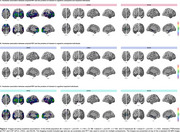 Figure 1
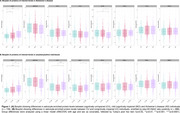 Figure 2
Peer Reviews
No public reviews on file for this paper yet. If you reviewed it on a platform where reviews are public (OpenReview, ICLR, NeurIPS, ICML), you can paste yours below so the community can read it here.
Videos
No videos yet. Explain this paper in a talk, walkthrough, or lecture? Add one.
Taxonomy
TopicsAlzheimer's disease research and treatments · Dementia and Cognitive Impairment Research · Neuroinflammation and Neurodegeneration Mechanisms