Bipedalism or bipedalisms: The os coxae of StW 573
Robin Crompton, Sarah Elton, Jason Heaton, Travis Pickering, Kristian Carlson, Tea Jashashvili, Amelie Beaudet, Laurent Bruxelles, Kathleen Kuman, Susannah K. Thorpe, Eishi Hirasaki, Christopher Scott, William Sellers, Todd Pataky, Ronald Clarke, Juliet McClymont

TL;DR
This study examines the pelvis of a 3.67 million-year-old Australopithecus prometheus fossil to explore the possibility of multiple species of Australopithecus with different forms of bipedal locomotion.
Contribution
The study presents new evidence supporting the existence of two Australopithecus species at Sterkfontein with distinct pelvic morphologies and forms of bipedality.
Findings
StW 573 and StW 431 show human-like iliac crest breadth and ischium length, suggesting a human-like bipedal pelvis.
StW 573 and StW 431 are consistently classified with modern humans in discriminant function analysis.
Other australopiths like Sts 14 and KNM-WT 15000 are more peripheral to modern humans in the analysis.
Abstract
There has been a long debate about the possibility of multiple contemporaneous species of Australopithecus in both eastern and southern Africa, potentially exhibiting different forms of bipedal locomotion. Here, we describe the previously unreported morphology of the os coxae in the 3.67 Ma Australopithecus prometheus StW 573 from Sterkfontein Member 2, comparing it with variation in ossa coxae in living humans and apes as well as other Plio‐Pleistocene hominins. Statistical comparisons indicate that StW 573 and 431 resemble humans in their anteroposteriorly great iliac crest breadth compared with many other early australopiths, whereas Homo ergaster KNM WT 15000 surprisingly also has a relatively anterioposteriorly short iliac crest. StW 573 and StW 431 appear to resemble humans in having a long ischium compared with Sts 14 and KNM WT 15000. A Quadratic Discriminant Function Analysis…
Genes, proteins, chemicals, diseases, species, mutations and cell lines named across the full text — each resolved to its canonical identifier and authoritative record.
Click any figure to enlarge with its caption.
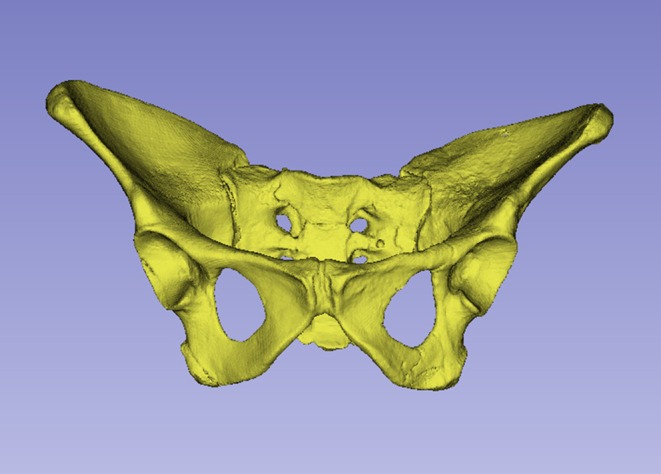 Figure 1
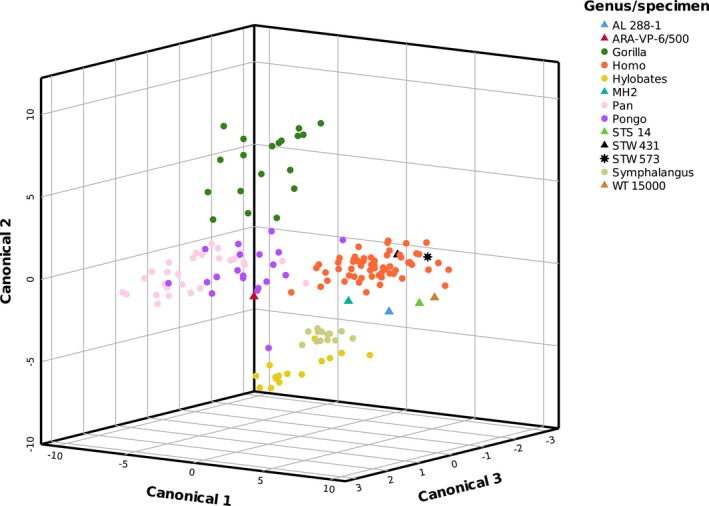 Figure 2
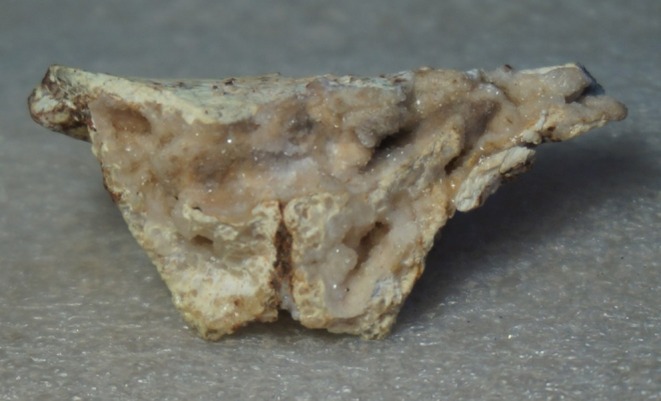 Figure 3
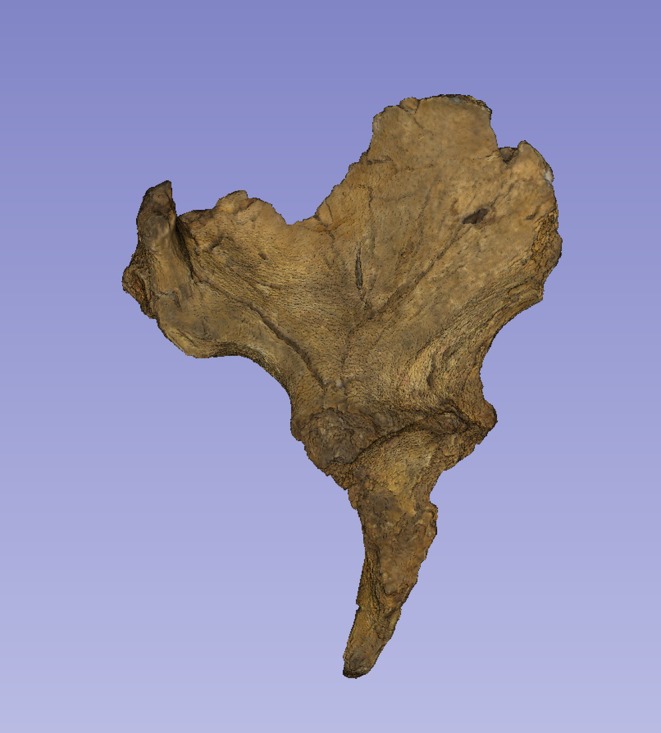 Figure 4
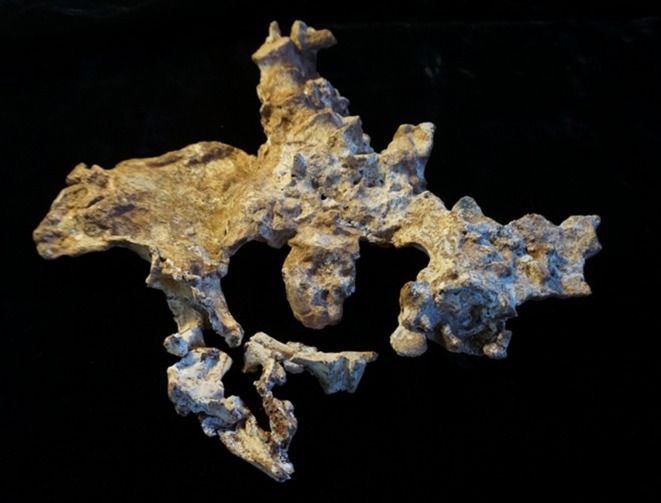 Figure 5
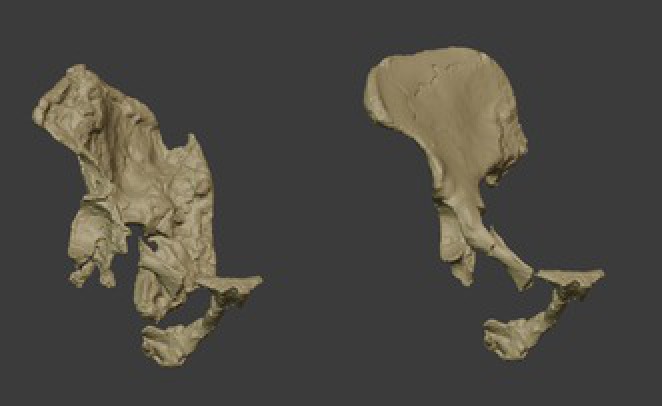 Figure 6
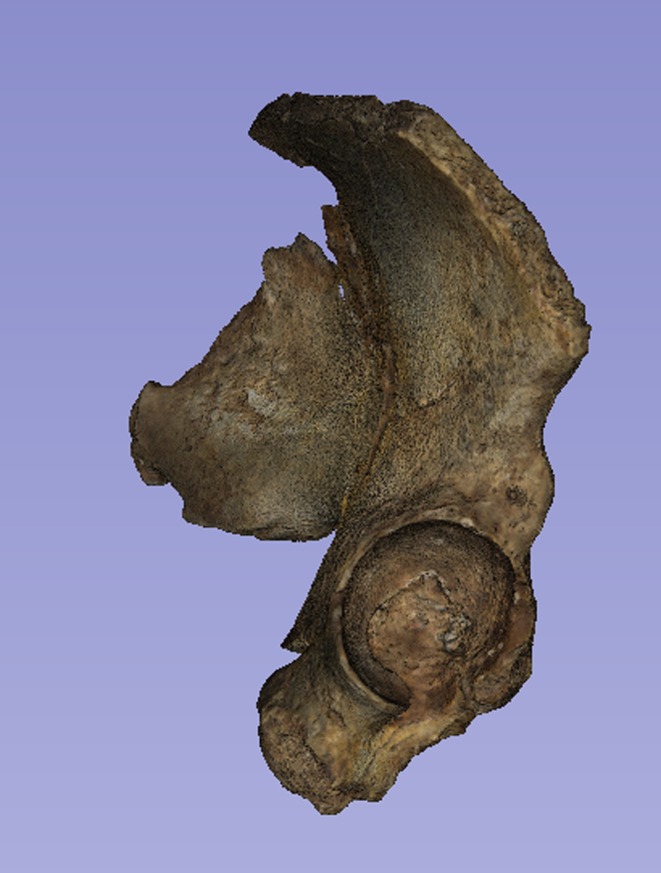 Figure 7
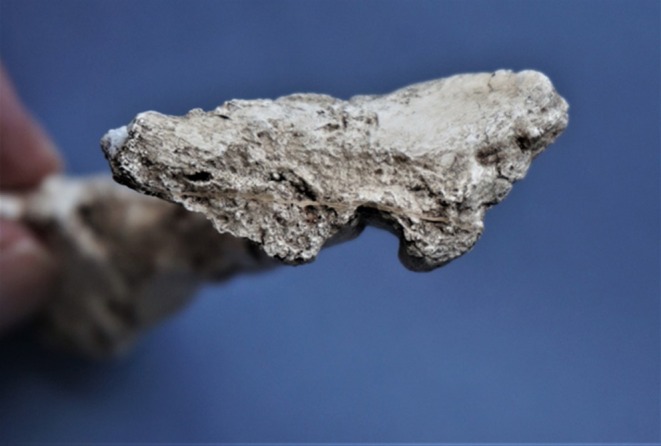 Figure 8
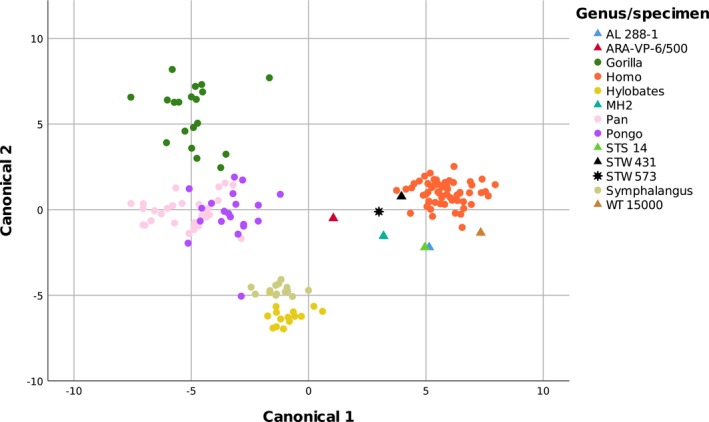 Figure 9
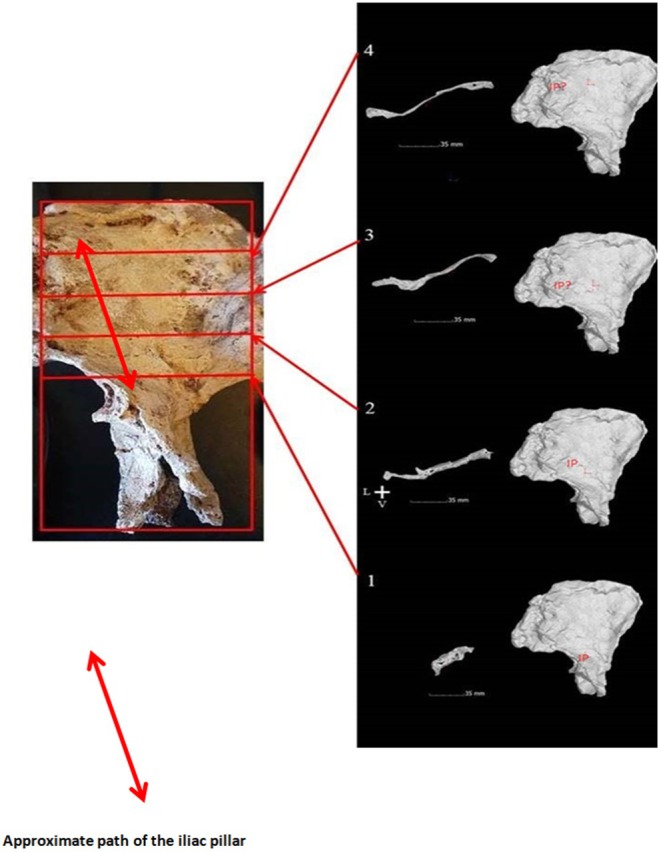 Figure 10
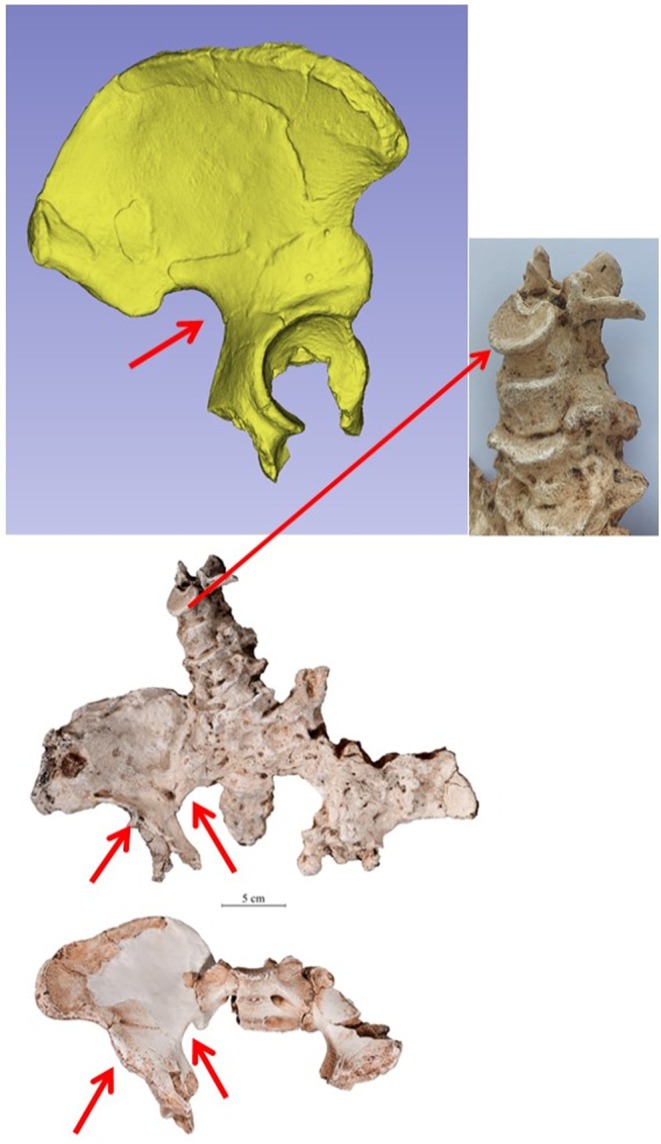 Figure 11
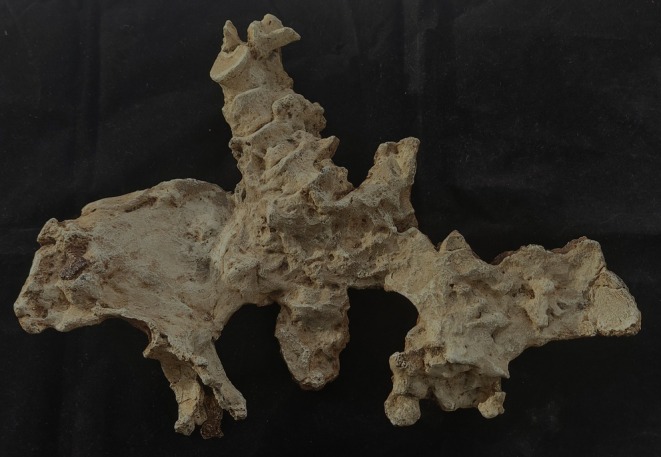 Figure 12
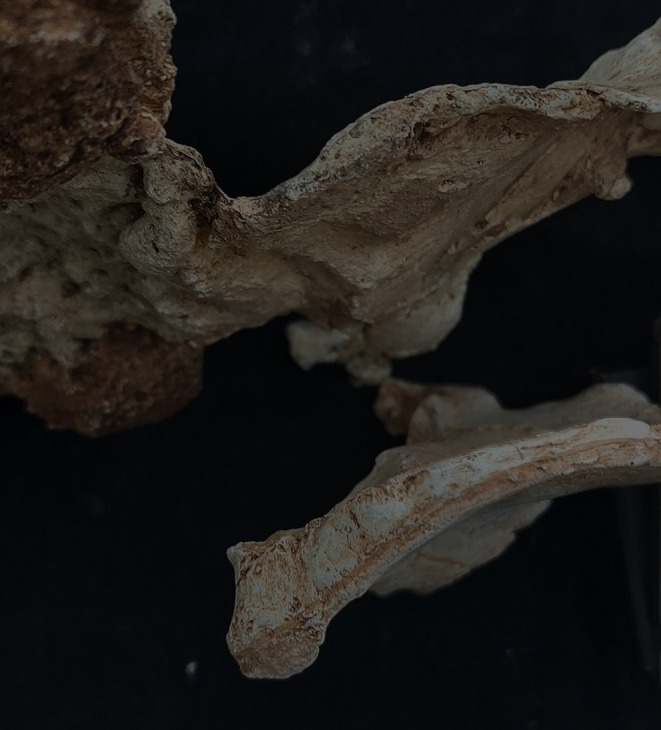 Figure 13
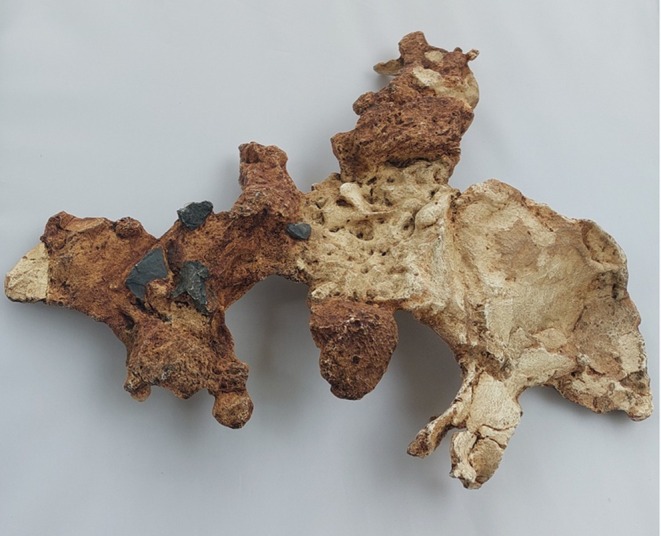 Figure 14
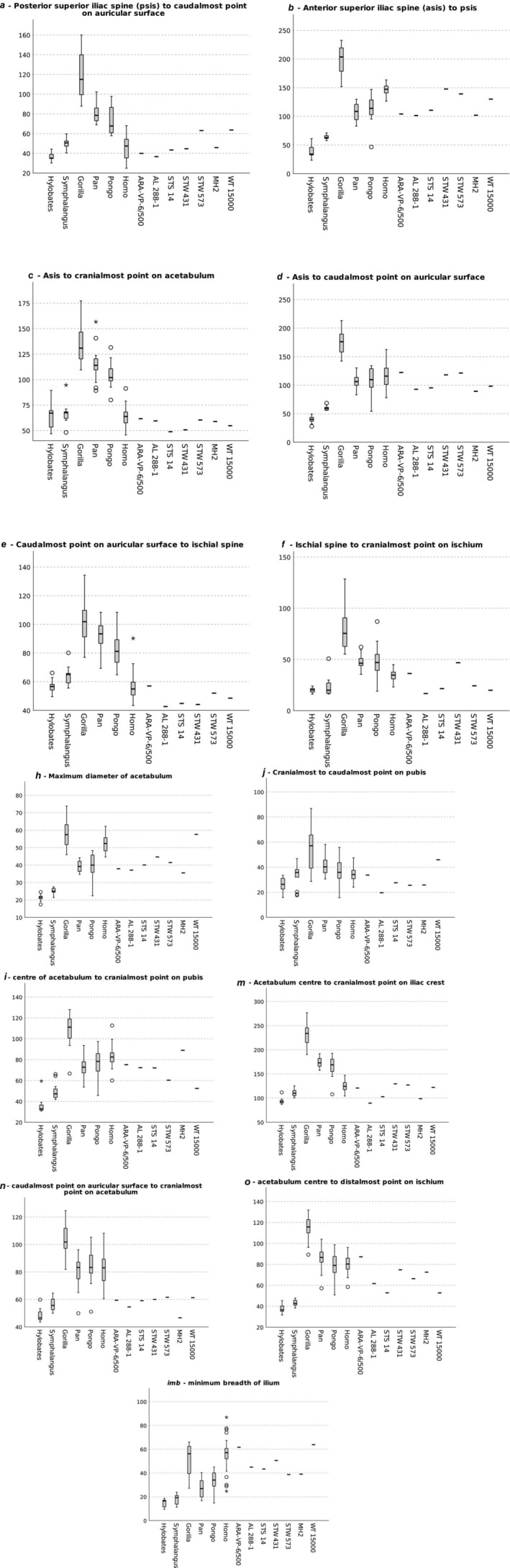 Figure 15
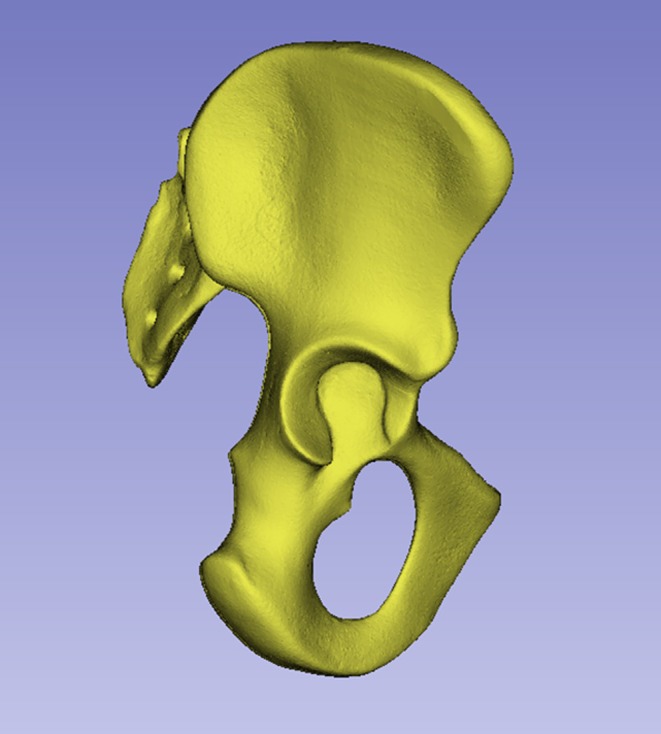 Figure 16
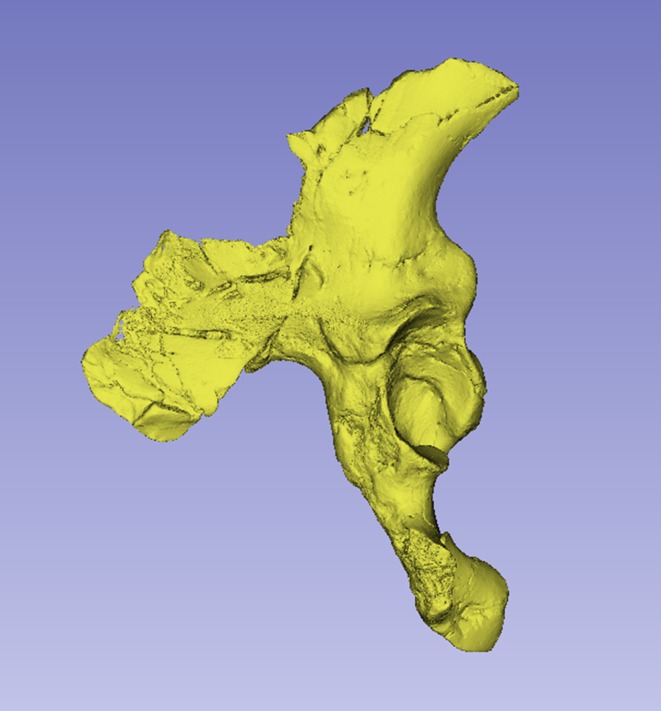 Figure 17
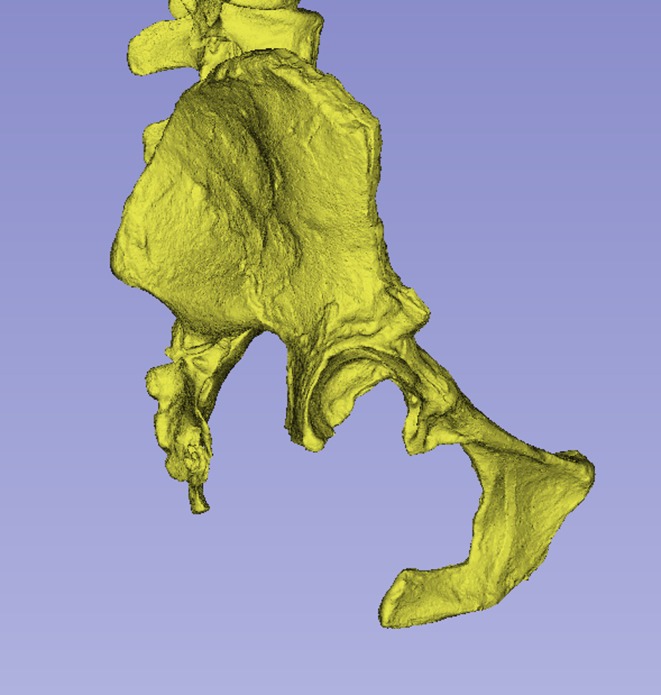 Figure 18
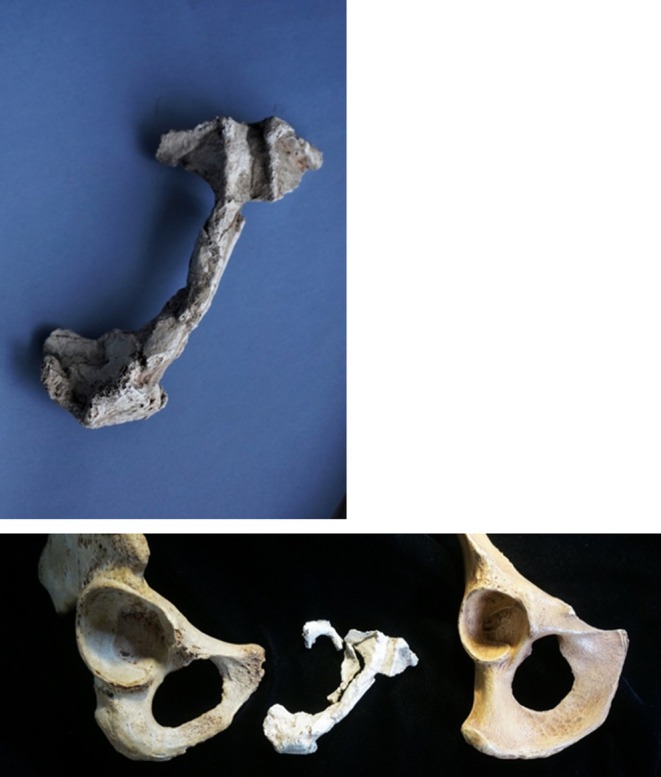 Figure 19
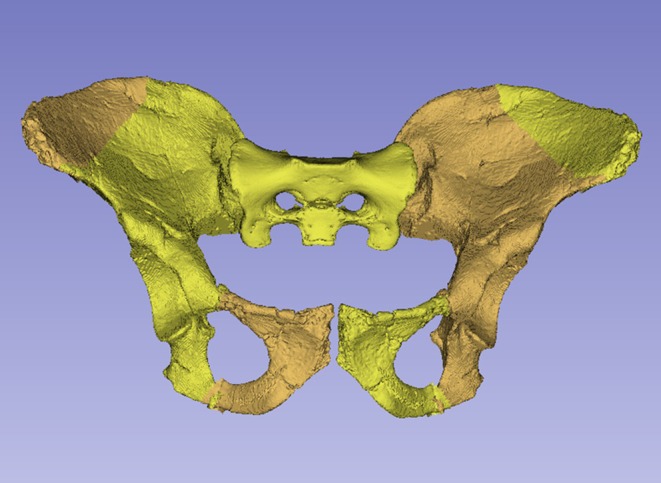 Figure 20
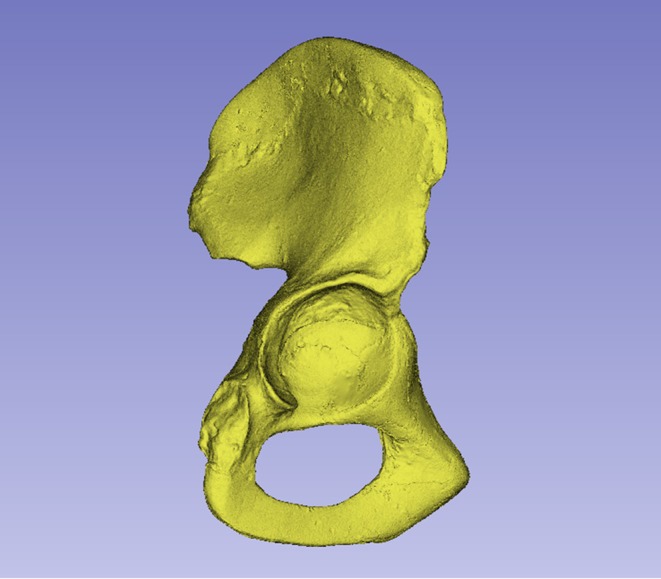 Figure 21
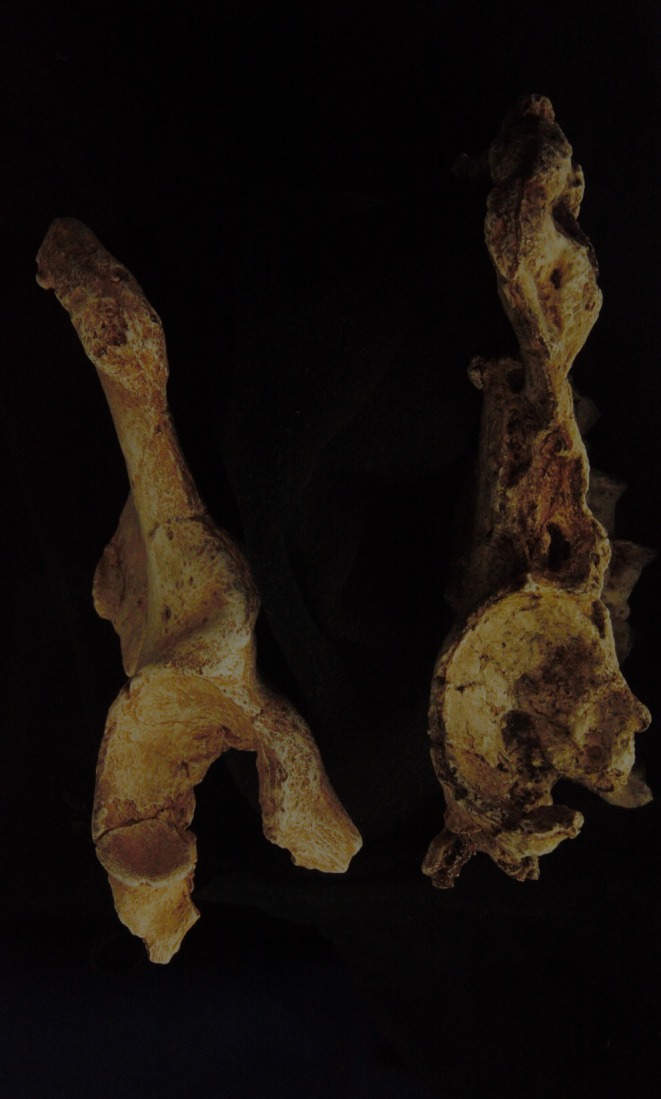 Figure 22
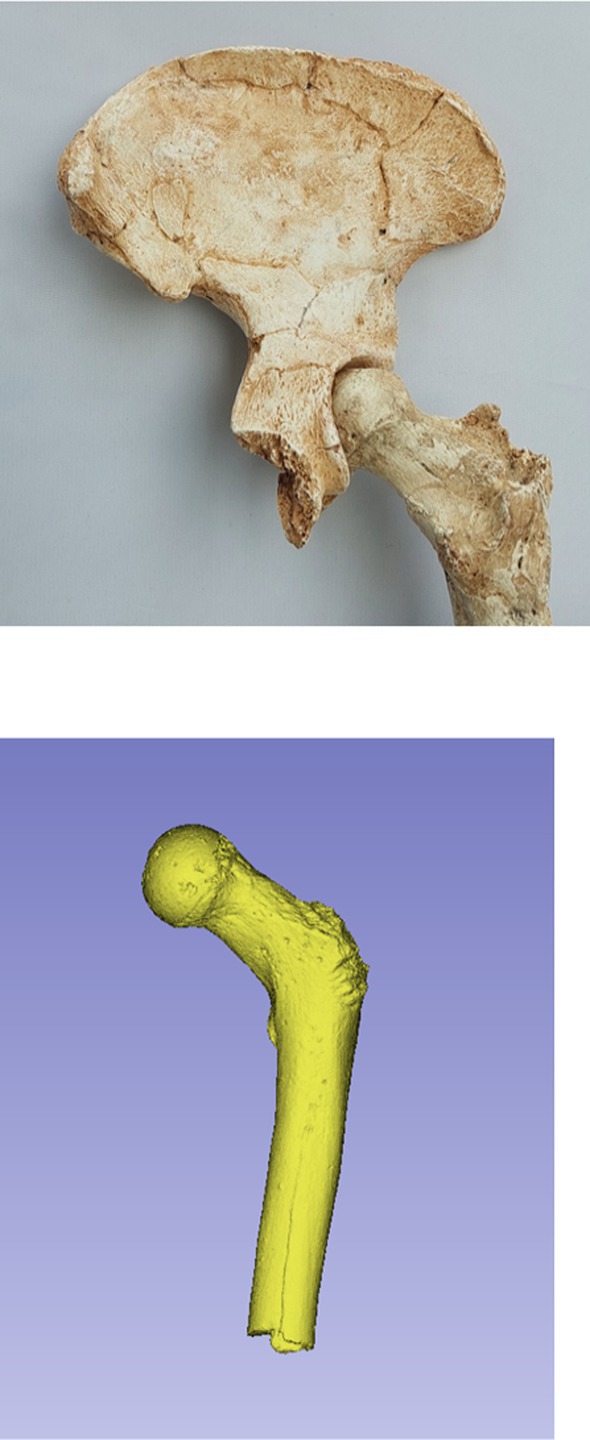 Figure 23
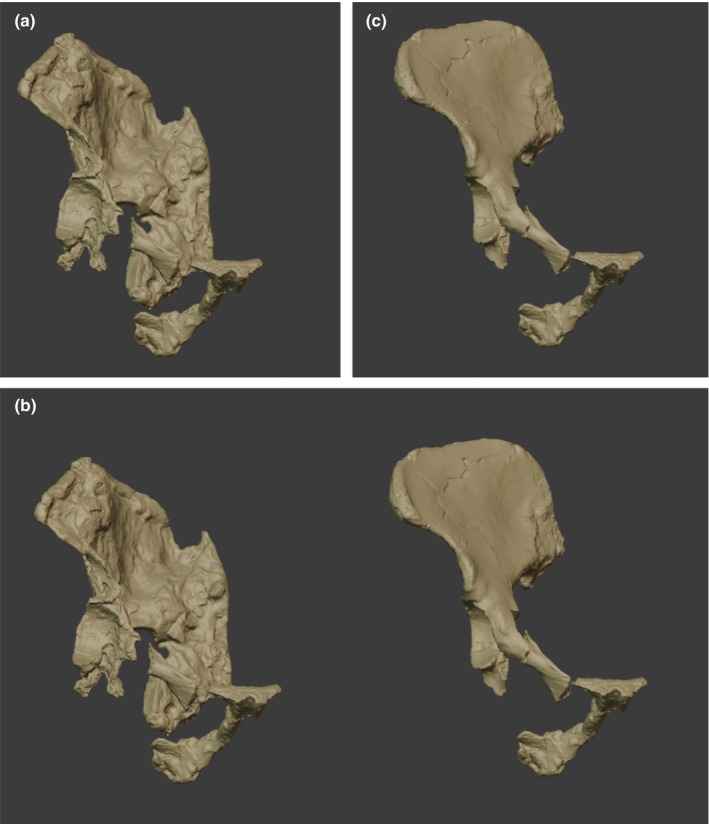 Figure 24
Peer Reviews
No public reviews on file for this paper yet. If you reviewed it on a platform where reviews are public (OpenReview, ICLR, NeurIPS, ICML), you can paste yours below so the community can read it here.
Videos
No videos yet. Explain this paper in a talk, walkthrough, or lecture? Add one.
Taxonomy
TopicsPleistocene-Era Hominins and Archaeology · Evolution and Paleontology Studies · Morphological variations and asymmetry