Vascular pathology drives the association of plasma GFAP with gray matter atrophy and cognitive decline in amyloid‐negative individuals
Markley Silva Oliveira, Matheus Scarpatto Rodrigues, Guilherme Povala, Marina Scop Medeiros, João Pedro Ferrari‐Souza, Firoza Z Lussier, Pamela C.L. Ferreira, Guilherme Bauer‐Negrini, Livia Amaral, Andreia Rocha, Sarah Abbas, Hussein Zalzale, Carolina Soares, Pampa Saha

TL;DR
This study shows that in people without amyloid issues, high vascular problems link plasma GFAP to brain shrinkage and worse memory, especially with high blood pressure and diabetes.
Contribution
The study reveals vascular pathology, not amyloid, drives GFAP's link to brain atrophy and cognitive decline in amyloid-negative individuals.
Findings
Plasma GFAP is associated with hippocampal atrophy and cognitive decline in individuals with high vascular burden.
Hypertension and diabetes strongly contribute to the GFAP-neurodegeneration link.
No significant associations were found in individuals with low vascular burden.
Abstract
Amyloid (Aβ) pathology potentiates the association between GFAP, a biomarker for reactive astrogliosis, and neurodegeneration, while it remains unclear whether GFAP is associated with neurodegeneration without Aβ abnormalities. Preclinical studies suggest vascular pathology may activate glial cells, triggering deleterious effects. Here, we tested the hypothesis that, similar to Aβ pathology, vascular pathology may also potentiate the effects of plasma GFAP on neurodegeneration and cognitive decline in Aβ‐negative individuals. We assessed 324 cognitively impaired (CDR < 0) Aβ‐negative (Centiloid < 24) participants from a memory clinic cohort (BICWALZS), with available CDR global, MMSE, plasma GFAP, clinical assessment of peripheral vascular risk factors [PVPs: hypertension (HTN), diabetes (DBT), and dyslipidemia (DLP)], FLAIR and T1‐based volumetrics. Participants were divided into two…
Genes, proteins, chemicals, diseases, species, mutations and cell lines named across the full text — each resolved to its canonical identifier and authoritative record.
Click any figure to enlarge with its caption.
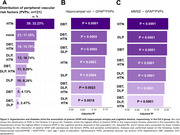 Figure 1
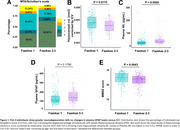 Figure 2
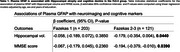 Figure 3
Peer Reviews
No public reviews on file for this paper yet. If you reviewed it on a platform where reviews are public (OpenReview, ICLR, NeurIPS, ICML), you can paste yours below so the community can read it here.
Videos
No videos yet. Explain this paper in a talk, walkthrough, or lecture? Add one.
Taxonomy
TopicsDementia and Cognitive Impairment Research · Alzheimer's disease research and treatments · S100 Proteins and Annexins