Trans-septal delivery of hydrogel-encapsulated human umbilical cord MSC-derived neurospheres for acute neuroprotection in traumatic brain injury
Dong Wook Kim, Ok Joo Lee, Bo Young Choi, Md. Tipu Sultan, Olatunji Ajiteru, Min Kyu Park, Ji Seung Lee, Soon Hee Kim, Kyu Young Choi, Sang Won Suh, Chan Hum Park

TL;DR
This study shows that hydrogel-encapsulated human umbilical cord stem cell-derived neurospheres can protect the brain and improve recovery after traumatic brain injury in rodents.
Contribution
The novel approach of using hydrogel-encapsulated hUC-MSC-derived neurospheres for acute neuroprotection in TBI is demonstrated for the first time.
Findings
Trans-septal delivery of hydrogel-encapsulated neurospheres reduced neuronal damage and improved neurological outcomes in a TBI model.
Encapsulation in hydrogel enhanced cell survival and neuroprotective effects in co-cultured HT22 cells and in vivo.
Neurospheres preserved dendritic integrity and reduced neurodegenerative markers in hippocampal regions after TBI.
Abstract
This study explores the therapeutic potential of hydrogel-encapsulated neurospheres derived from human umbilical cord mesenchymal stem cells (hUC-MSCs) in mitigating traumatic brain injury (TBI) and enhancing functional recovery in a rodent model. Trans-septal (intranasal) transplantation of these neurospheres demonstrated significant neurological improvement, reduced neuronal damage, and preserved neuronal structures and functions. The hUC-MSCs cultured in a customized bioreactor retained essential MSC characteristics, including marker expression and multi-lineage differentiation potential, ensuring their therapeutic efficacy. Following neural induction, hUC-MSCs formed neurospheres that promoted cell aggregation, differentiation, and neuroprotective effects. Encapsulation within a hydrogel provided a stable environment, significantly reducing TBI-induced cell death in co-cultured HT22…
Genes, proteins, chemicals, diseases, species, mutations and cell lines named across the full text — each resolved to its canonical identifier and authoritative record.
Click any figure to enlarge with its caption.
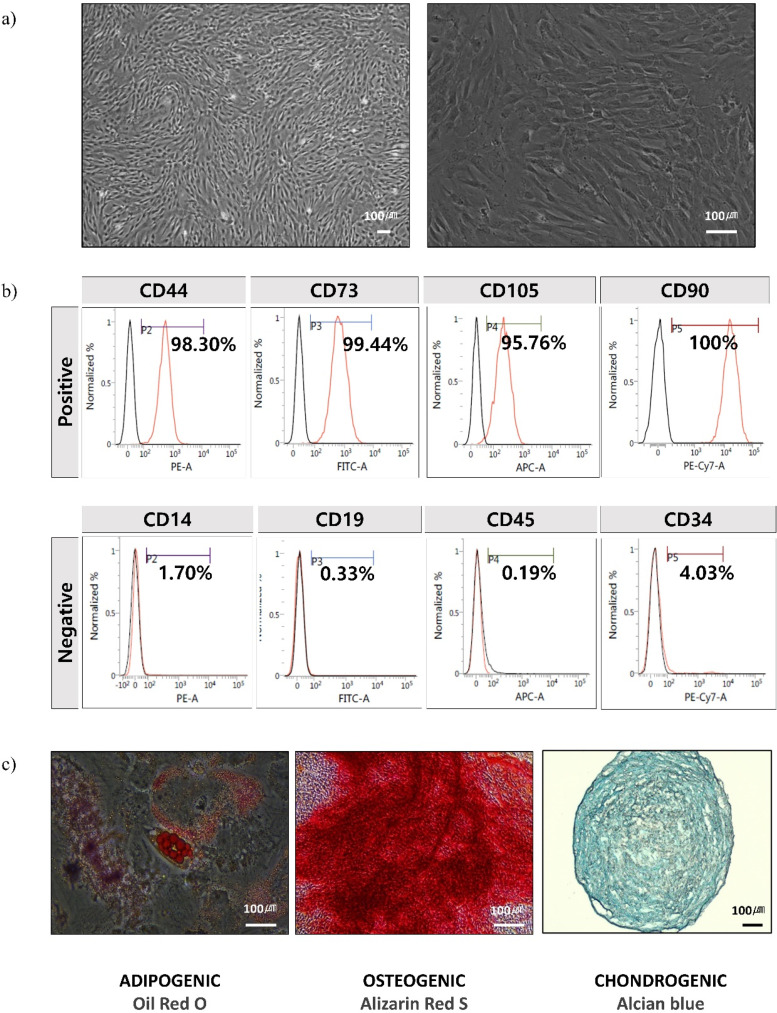 Figure 1
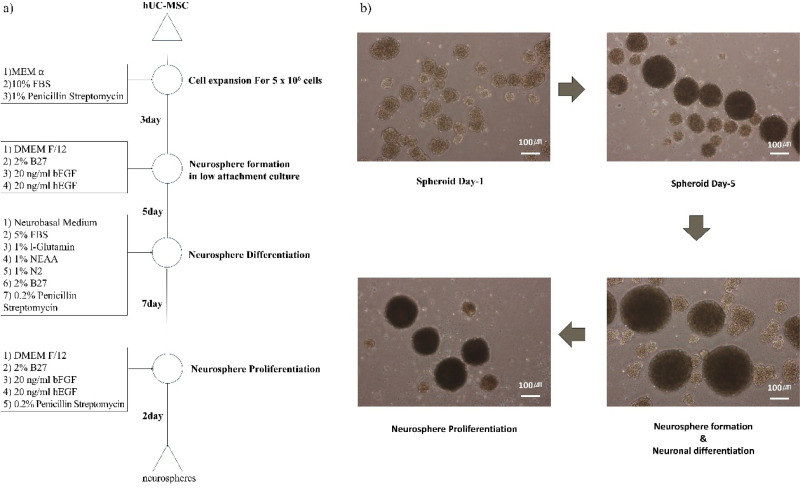 Figure 2
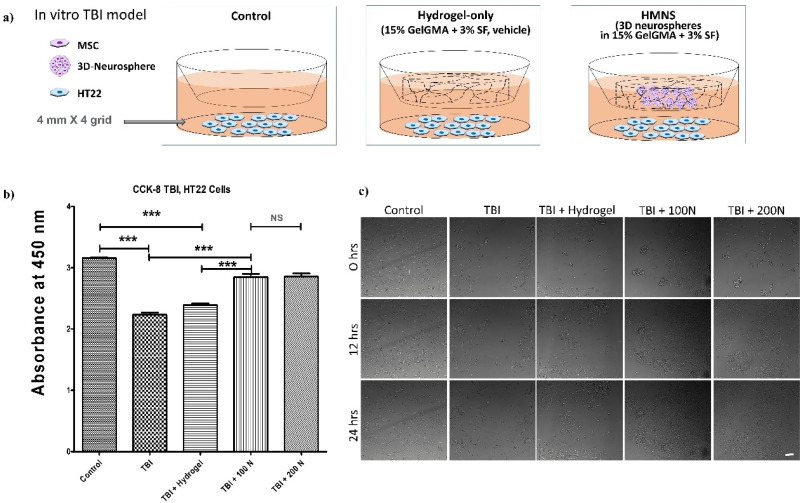 Figure 3
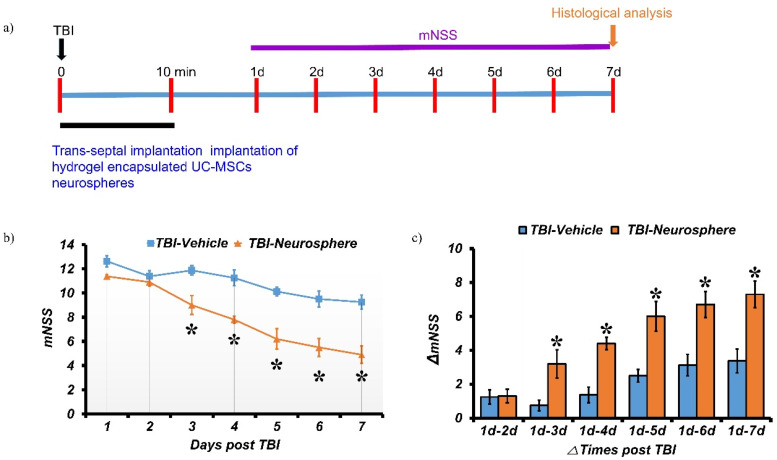 Figure 4
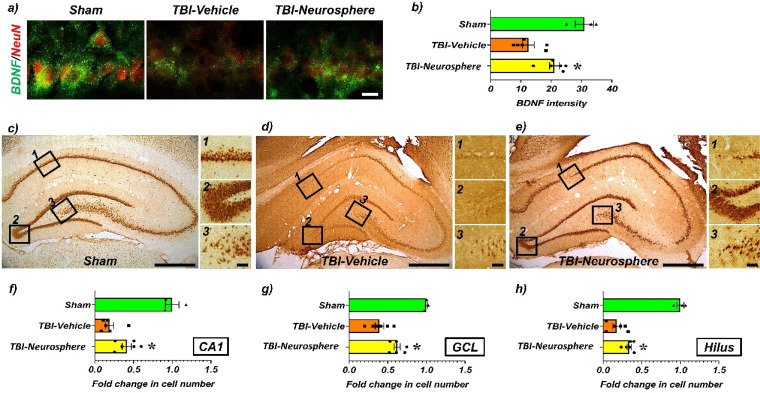 Figure 5
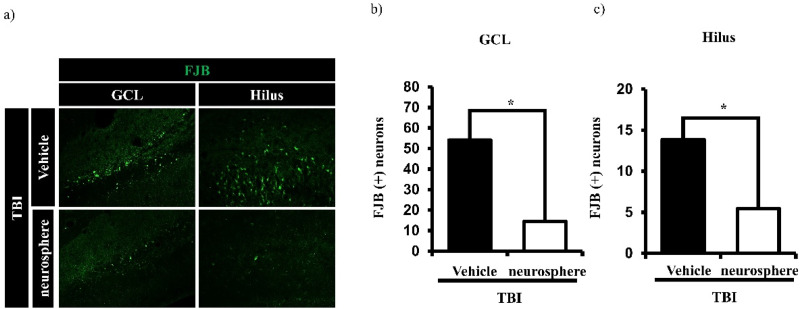 Figure 6
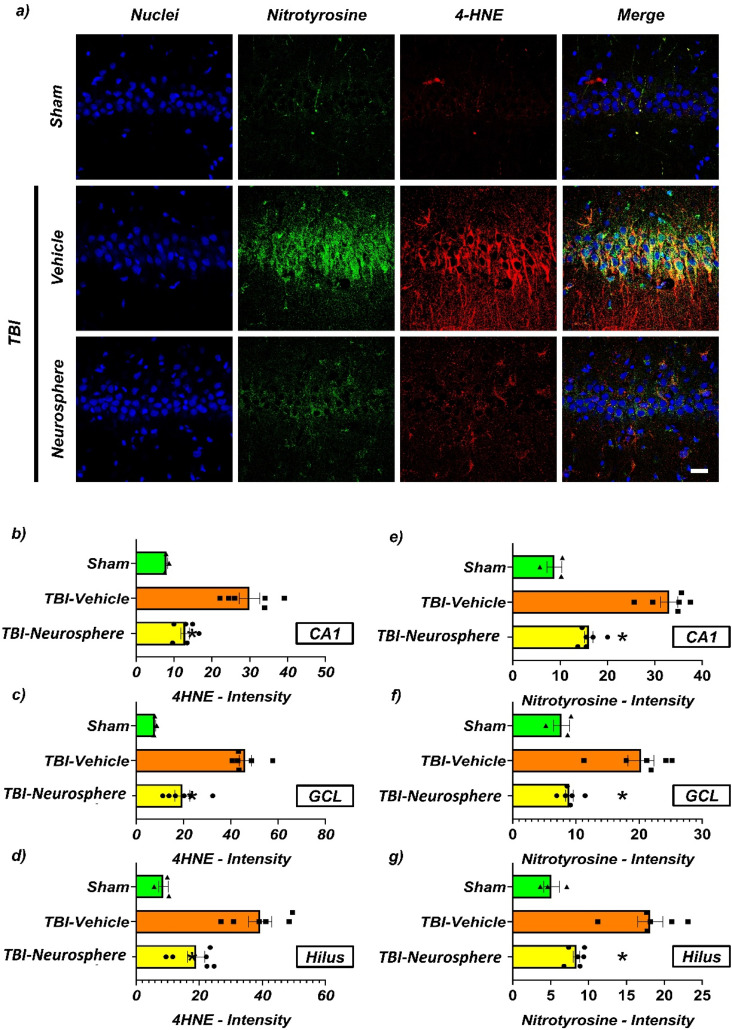 Figure 7
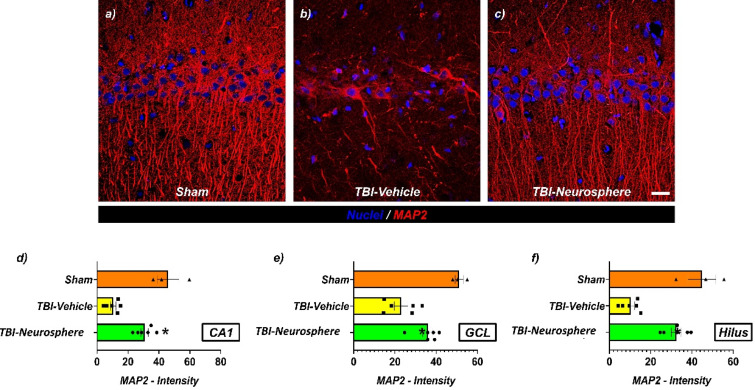 Figure 8
Peer Reviews
No public reviews on file for this paper yet. If you reviewed it on a platform where reviews are public (OpenReview, ICLR, NeurIPS, ICML), you can paste yours below so the community can read it here.
Videos
No videos yet. Explain this paper in a talk, walkthrough, or lecture? Add one.
Taxonomy
TopicsMesenchymal stem cell research · Neurogenesis and neuroplasticity mechanisms · Nerve injury and regeneration