Therapeutic Monitoring of Patients With Hereditary Tyrosinemia Type 1—A Belgian Monocentric Experience
Anne‐Sophie Adam, Lionel Marcélis, David Fage, Elise Mathieu, Aurélie Empain, Céline Dufour, Frédéric Cotton, Corinne de Laet

TL;DR
This study compares different biomarkers for monitoring treatment in patients with hereditary tyrosinemia type 1, finding that succinylacetone is more reliable than NTBC levels.
Contribution
The study identifies succinylacetone as a more effective marker for metabolic control than NTBC concentrations in HT-1 patients.
Findings
Succinylacetone is a better indicator of metabolic control than NTBC blood levels.
Dried blood spots have limitations for monitoring amino acids like tyrosine.
δ-aminolevulinic acid and alpha-fetoprotein are essential for assessing neurological and hepatic risks.
Abstract
Hereditary tyrosinemia type I (HT‐1) is a rare metabolic disorder treated by NTBC, requiring careful therapeutic and nutritional monitoring. While follow‐up traditionally relies on urinary succinylacetone, plasma NTBC and plasma amino acids, dried blood spot (DBS) methods have introduced alternative monitoring options. However, the optimal biochemical monitoring remains debated. This study evaluated the clinical utility of NTBC measurements compared with established biomarkers in HT‐1. In this retrospective single‐centre study, we analysed biological data from 12 HT‐1 patients treated with NTBC over 6 years. We analysed correlations between NTBC, succinylacetone, δ‐aminolevulinic acid (δ‐ALA) and alpha‐fetoprotein concentrations, and compared tyrosine and phenylalanine levels in DBS and plasma. Succinylacetone suppression in both urine and blood was achieved across a broad range of NTBC…
Genes, proteins, chemicals, diseases, species, mutations and cell lines named across the full text — each resolved to its canonical identifier and authoritative record.
Click any figure to enlarge with its caption.
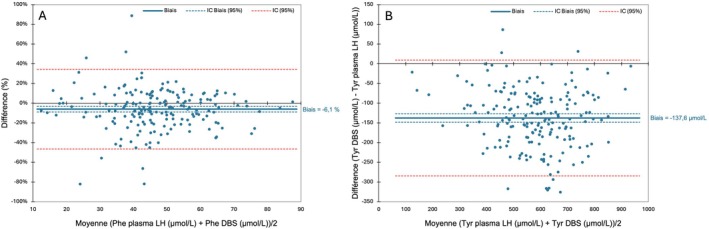 Figure 1
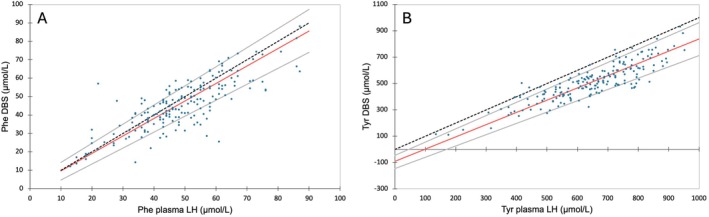 Figure 2
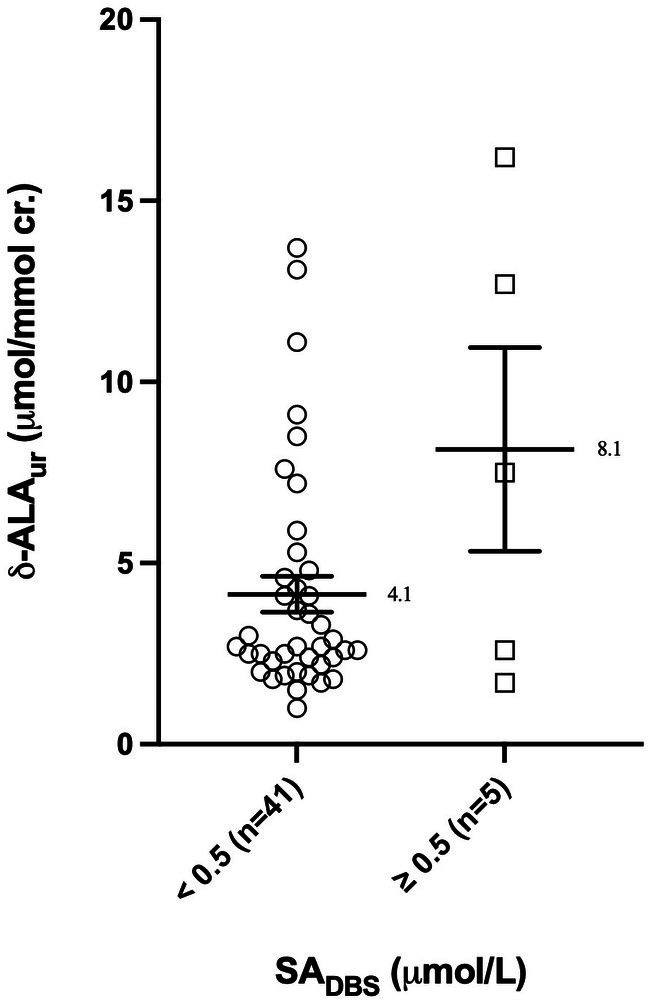 Figure 3
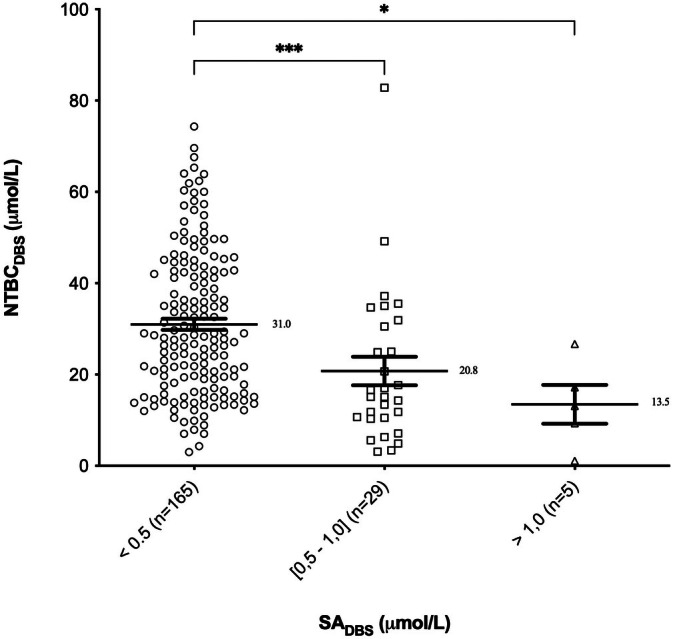 Figure 4
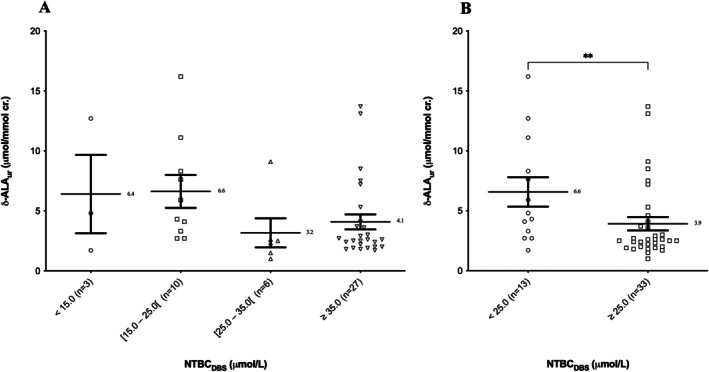 Figure 5
Peer Reviews
No public reviews on file for this paper yet. If you reviewed it on a platform where reviews are public (OpenReview, ICLR, NeurIPS, ICML), you can paste yours below so the community can read it here.
Videos
No videos yet. Explain this paper in a talk, walkthrough, or lecture? Add one.
Taxonomy
TopicsMetabolism and Genetic Disorders · Folate and B Vitamins Research · Porphyrin Metabolism and Disorders