Rationalizing Enhanced Affinity of Engineered T‐Cell Receptors in Cancer Immunotherapy Through Interaction Energy Calculations and Residue Correlation Analysis
Mario Frezzini, Daniele Narzi

TL;DR
This paper explores how a single mutation in T-cell receptors boosts cancer immunotherapy effectiveness through computational analysis of molecular interactions.
Contribution
The study reveals that affinity enhancement in engineered TCRs arises from dynamic residue interactions, not just the mutation itself.
Findings
A single mutation in the βCDR1 region leads to a six-fold increase in TCR binding affinity.
Affinity enhancement is driven by dynamic interplay of proximal and distal residues.
Computational methods reveal the role of structural flexibility and allosteric communication in TCR-pMHC interactions.
Abstract
The advancement of T cell engineering has significantly transformed the field of cancer immunotherapy. In particular, T cells equipped with modified T cell receptors present a promising therapeutic strategy, especially for addressing solid tumors. Nonetheless, critical obstacles, including suboptimal clinical response rates, off‐target toxicity, and the immunosuppressive nature of the tumor microenvironment, have impeded the full clinical implementation of this approach. Understanding the molecular determinants governing the interaction between T‐cell receptors and major histocompatibility complex molecules is pivotal not only for designing TCRs capable of selectively and effectively recognizing MHC on cancer cells but also for minimizing off‐target toxicity, thereby improving the safety profile of TCR‐based therapies. In this study, we used a test case involving a natural TCR (c728)…
Genes, proteins, chemicals, diseases, species, mutations and cell lines named across the full text — each resolved to its canonical identifier and authoritative record.
Click any figure to enlarge with its caption.
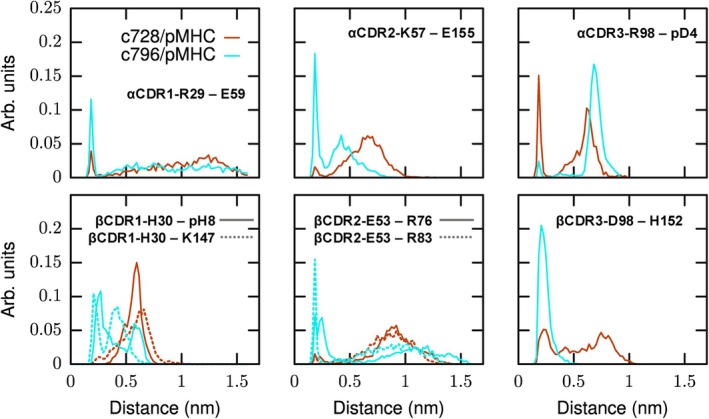 Figure 1
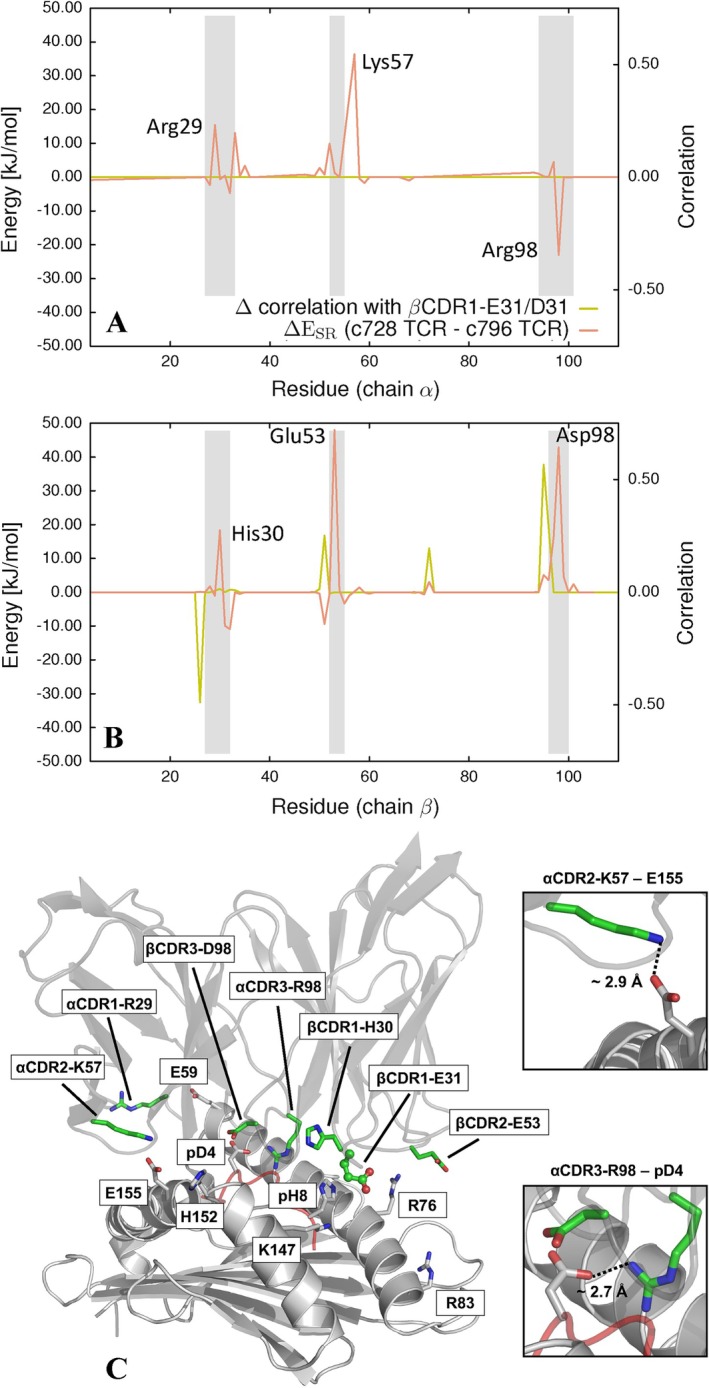 Figure 2
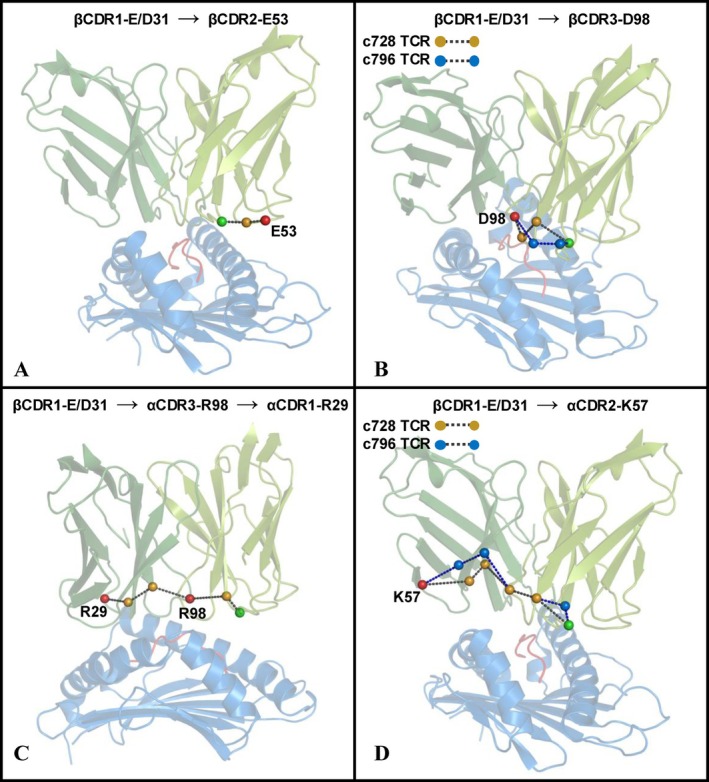 Figure 3
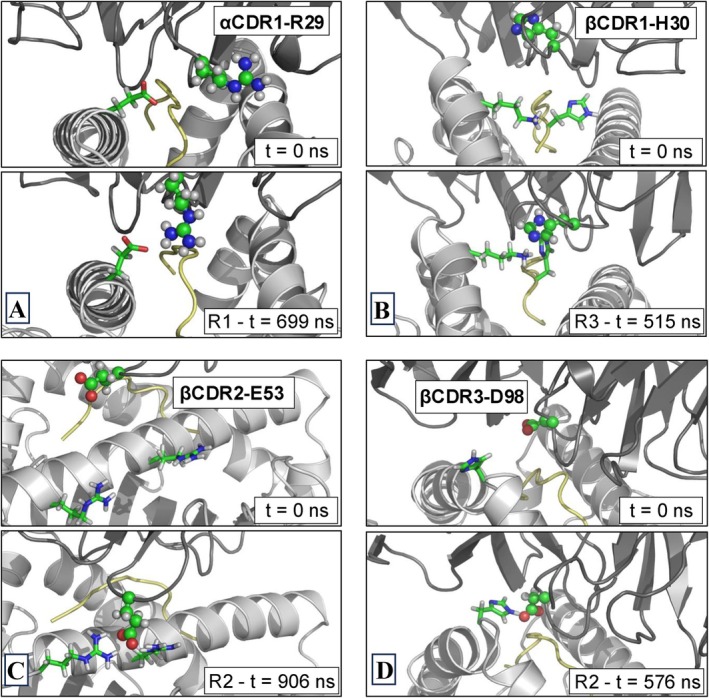 Figure 4
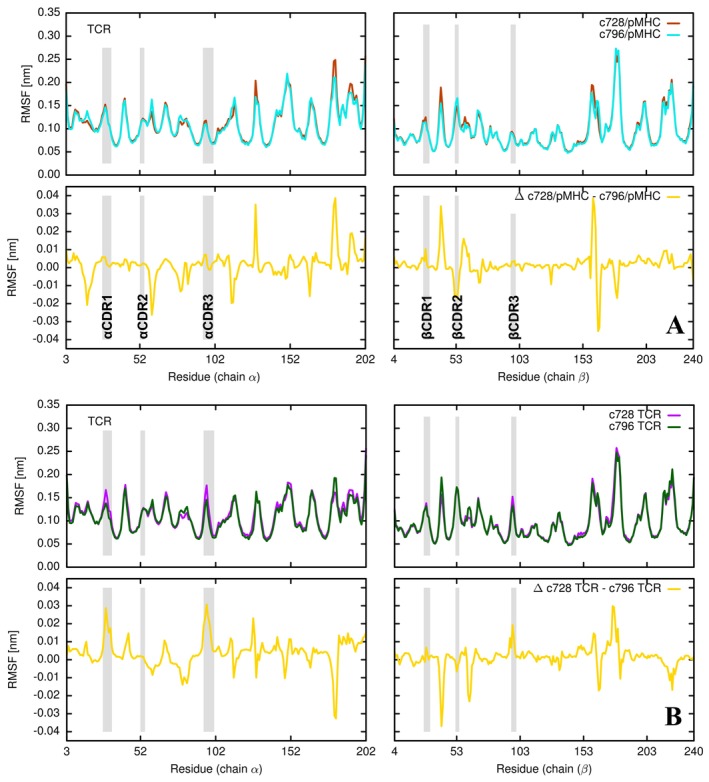 Figure 5
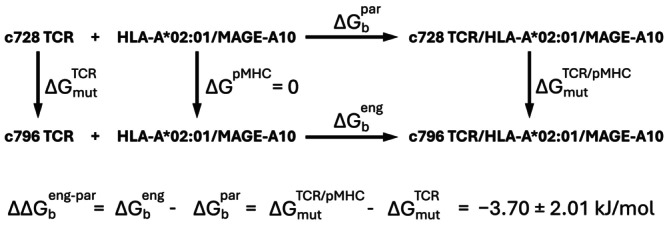 Figure 6
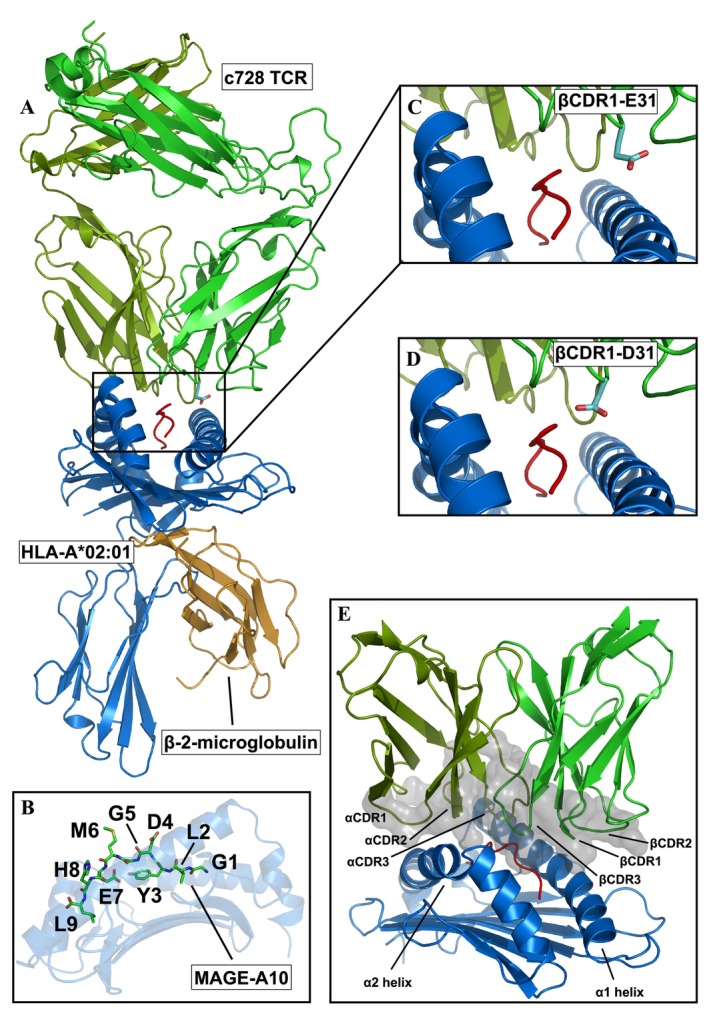 Figure 7
Peer Reviews
No public reviews on file for this paper yet. If you reviewed it on a platform where reviews are public (OpenReview, ICLR, NeurIPS, ICML), you can paste yours below so the community can read it here.
Videos
No videos yet. Explain this paper in a talk, walkthrough, or lecture? Add one.
Taxonomy
TopicsCAR-T cell therapy research · Immune Cell Function and Interaction · Synthesis and Biological Evaluation