Not a Sip: Effects of Zero Tolerance Laws on Road Traffic Fatalities
Andres Ramasco

TL;DR
This study examines the impact of zero tolerance laws on road traffic fatalities and finds no significant reduction in deaths or alcohol consumption.
Contribution
The study provides new empirical evidence on the effectiveness of zero tolerance laws in reducing traffic fatalities.
Findings
Adoption of zero tolerance laws did not lead to sizable reductions in traffic fatalities.
There was an increase in injury counts following the implementation of these laws.
No significant changes in alcohol consumption were observed.
Abstract
A substantial proportion of alcohol related fatalities and their consequences are preventable, prompting policymakers to implement measures aimed at reducing these deaths. I exploit time and geographic variation in the adoption of zero‐tolerance laws in a difference‐in‐differences design to study the impact of these regulations on traffic‐related incidents. Using county‐level data, I find no sizable reductions in fatalities and an increase in injury counts after the adoption of such laws. I do not find significant changes in several measures of alcohol consumption, consistent with the lack of reduction in driving fatalities.
Genes, proteins, chemicals, diseases, species, mutations and cell lines named across the full text — each resolved to its canonical identifier and authoritative record.
Click any figure to enlarge with its caption.
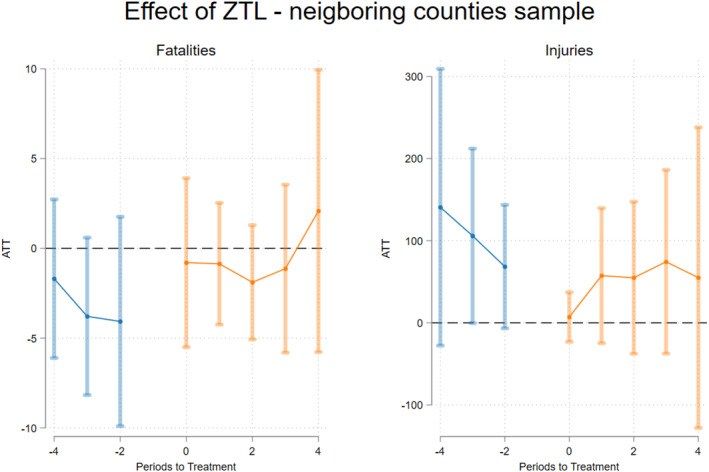 Figure 1
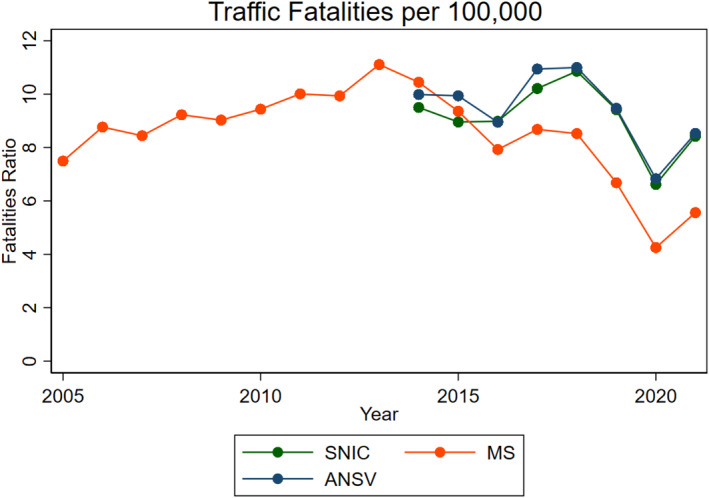 Figure 2
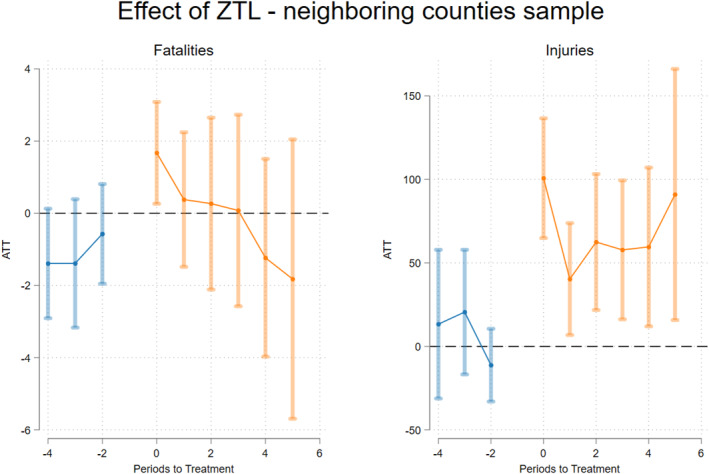 Figure 3
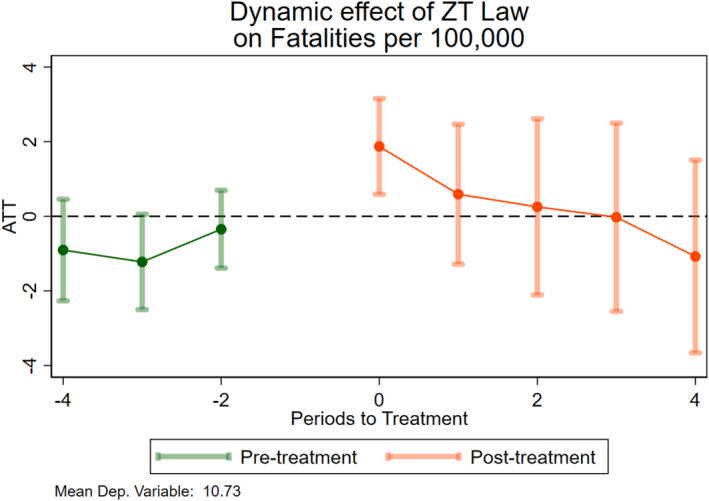 Figure 4
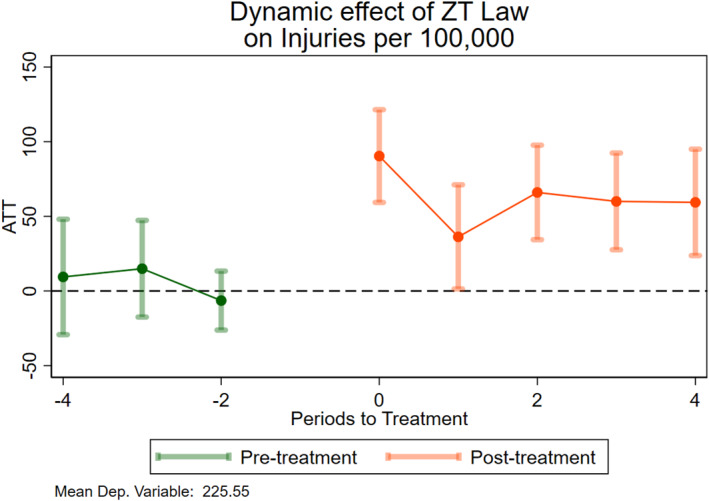 Figure 5
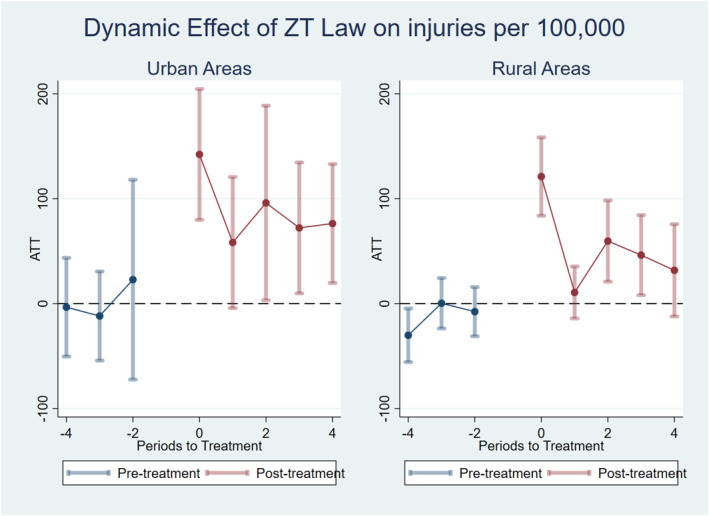 Figure 6
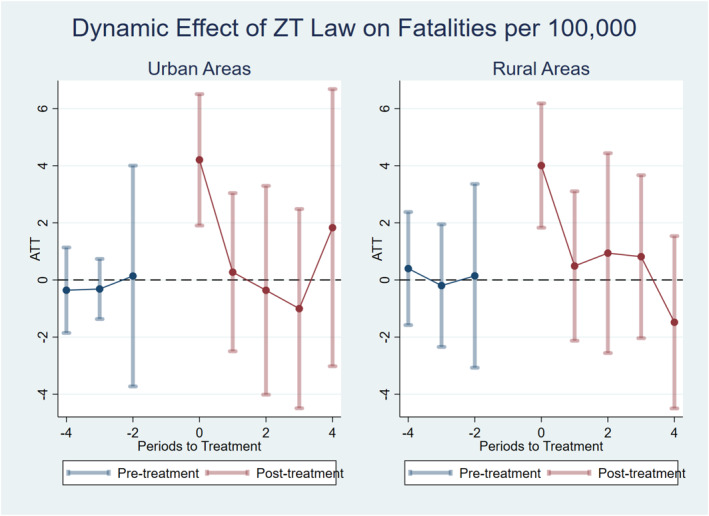 Figure 7
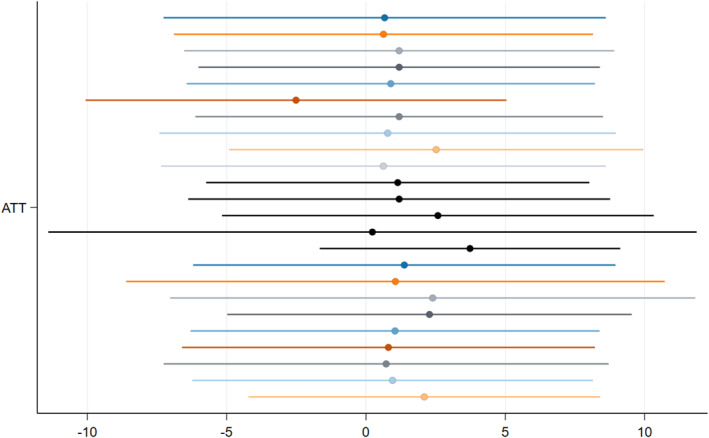 Figure 8
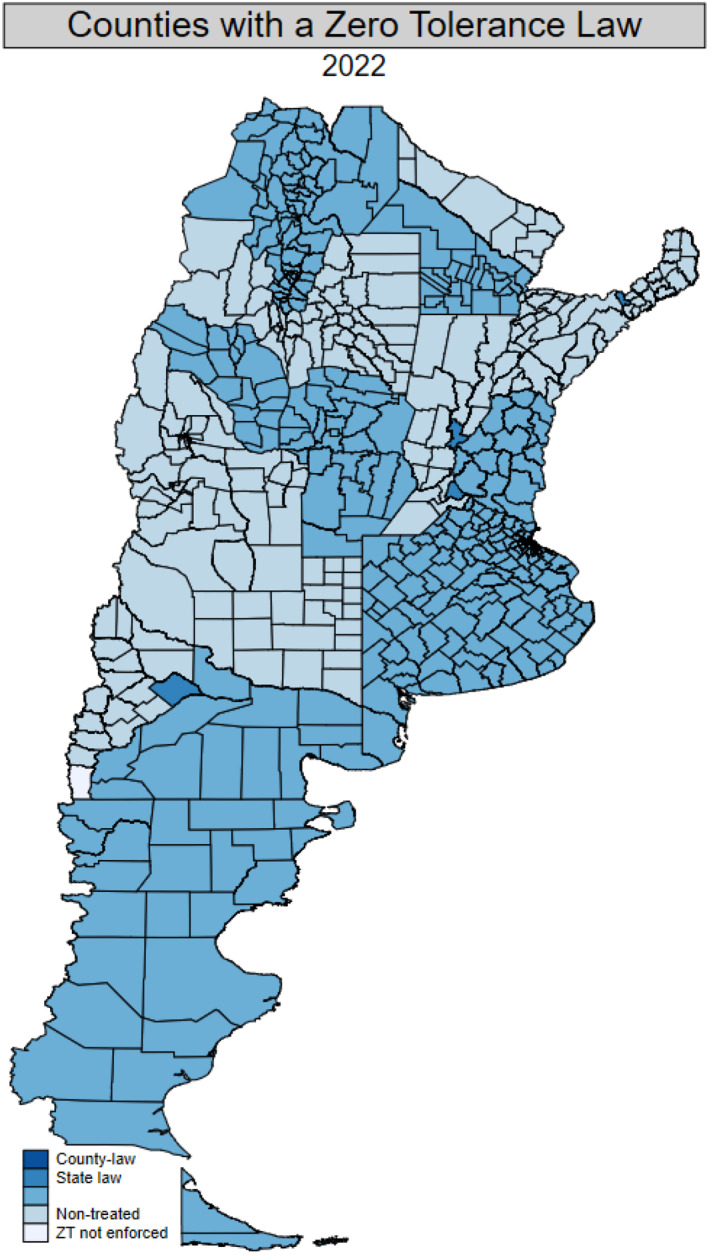 Figure 9
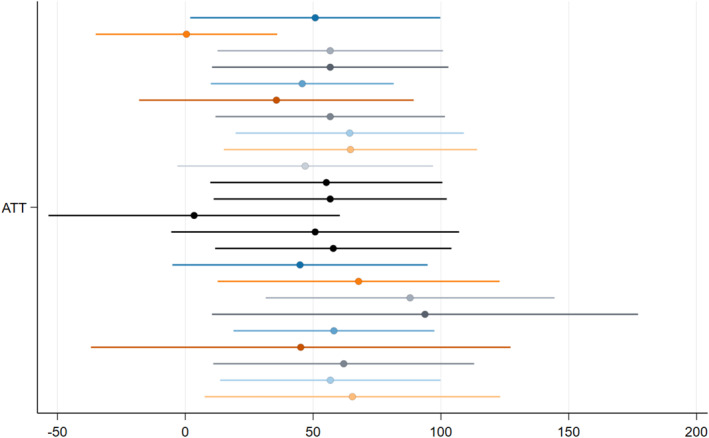 Figure 10
Peer Reviews
No public reviews on file for this paper yet. If you reviewed it on a platform where reviews are public (OpenReview, ICLR, NeurIPS, ICML), you can paste yours below so the community can read it here.
Videos
No videos yet. Explain this paper in a talk, walkthrough, or lecture? Add one.
Taxonomy
TopicsSubstance Abuse Treatment and Outcomes · Traffic and Road Safety · Older Adults Driving Studies