Birth preparedness and complication readiness knowledge, practices and its associated factors among recently delivered women: A cross-sectional study in Bharatpur, Chitwan, Nepal
Asmita Ghimire, Bipan Bahadur Tiwari, Eak Narayan Poudel, Mamta Chhetri, Devraj Regmi, Laxman Poudel, Adaoha Agu, Adaoha Agu, Adaoha Agu, Adaoha Agu, Adaoha Agu

TL;DR
This study examines how well women in Nepal prepare for childbirth and potential complications, finding that over 46% are well-prepared, with knowledge and antenatal care being key factors.
Contribution
The study provides new insights into BPCR practices and associated factors in a low-resource setting like Nepal, emphasizing the role of antenatal care and knowledge.
Findings
46.8% of recently delivered women in Bharatpur were well prepared for childbirth and complications.
Knowledge of BPCR components was significantly associated with better preparation (AOR = 5.34).
Preparedness for blood donors was notably low at 36.4%.
Abstract
Birth preparedness and complication readiness (BPCR) is a comprehensive strategy, aimed at ensuring that expectant mothers and their families are for normal delivery and preparing for potential complications that may arise during pregnancy, labor, delivery, and the postpartum period without any delays. BPCR interventions are widely promoted by government and international agencies to reduce maternal and neonatal health risk in developing countries like Nepal. Studying BPCR also helps identify gaps in knowledge, access, and practices, guiding interventions to strengthen health system and community awareness, especially in low-resource settings. This study was conducted to assess birth preparedness and complication readiness knowledge, practices and its associated factors among recently delivered women in Bharatpur city, Chitwan, Nepal. A community based cross-sectional study was…
Genes, proteins, chemicals, diseases, species, mutations and cell lines named across the full text — each resolved to its canonical identifier and authoritative record.
Click any figure to enlarge with its caption.
 Figure 1
 Figure 2
 Figure 3
 Figure 4
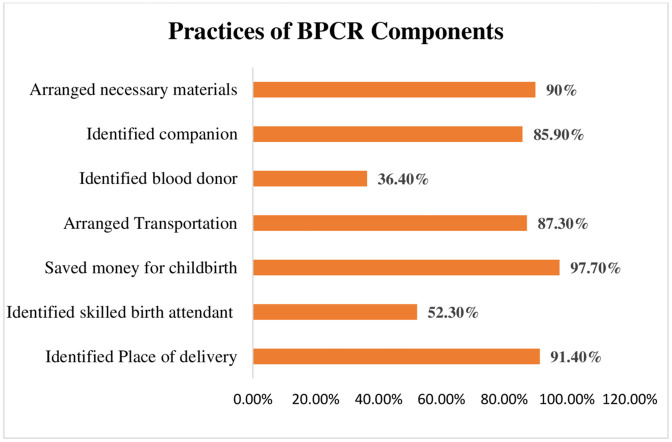 Figure 5
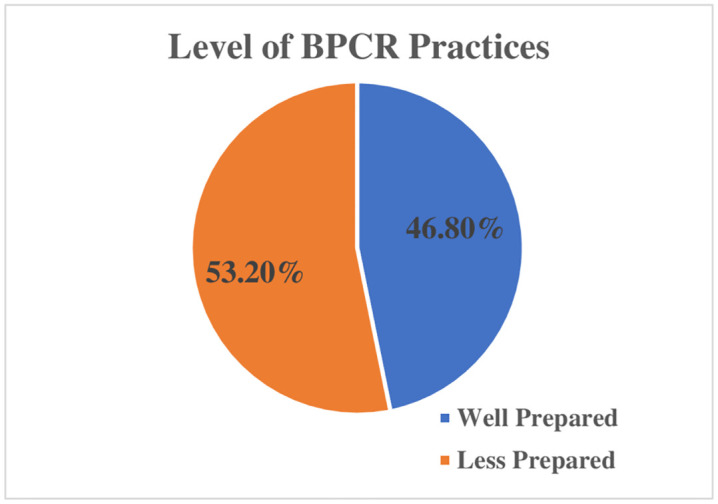 Figure 6
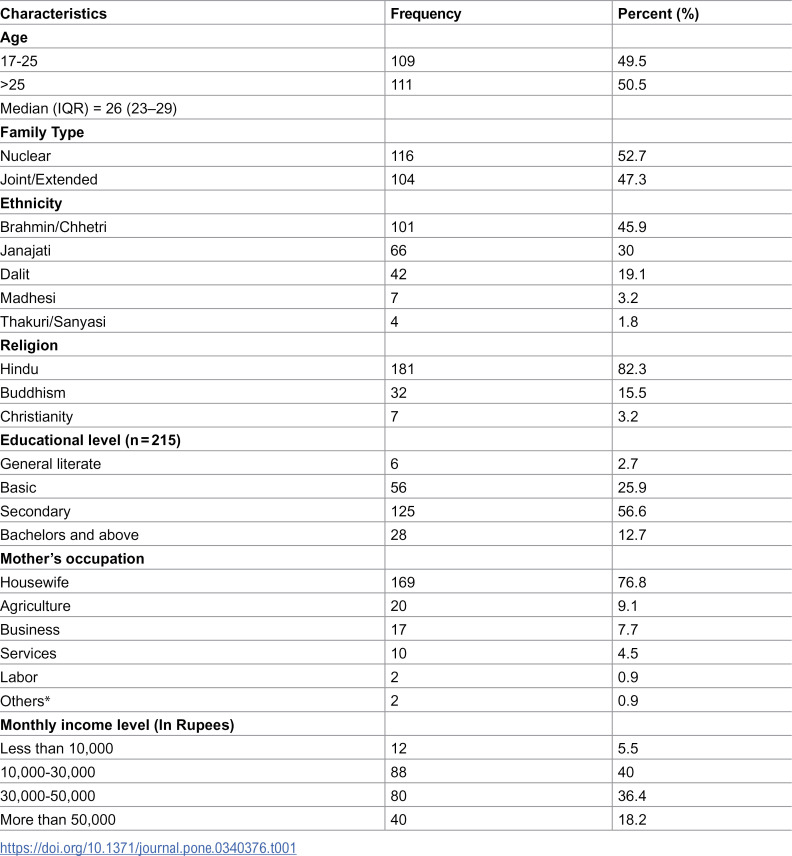 Figure 7
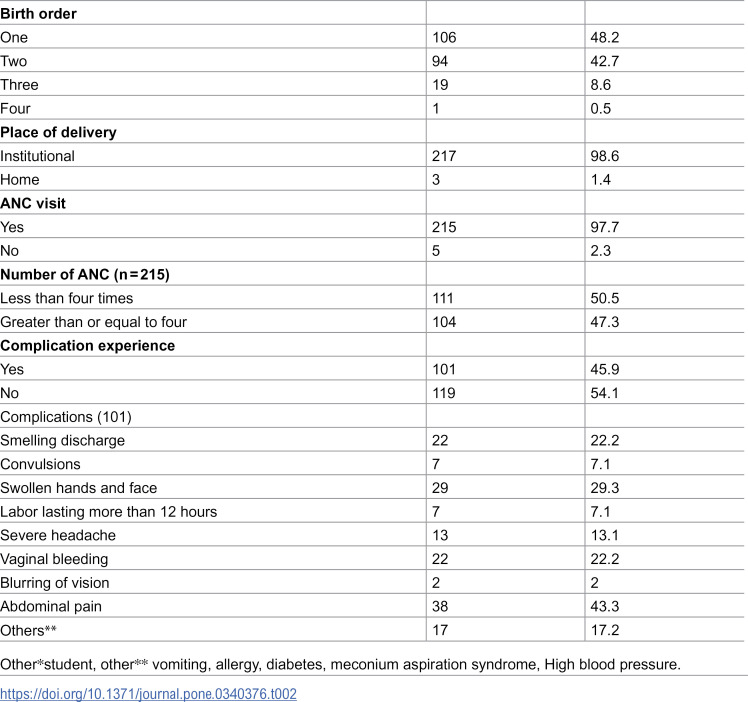 Figure 8
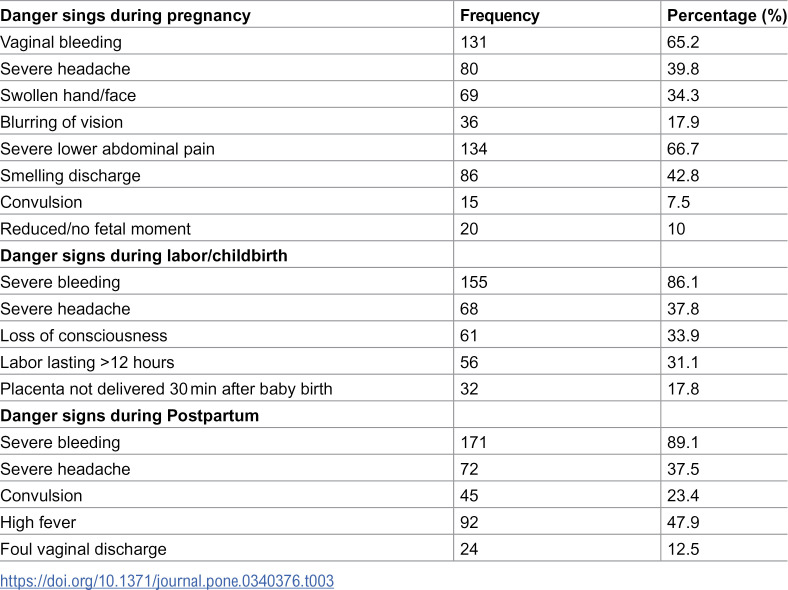 Figure 9
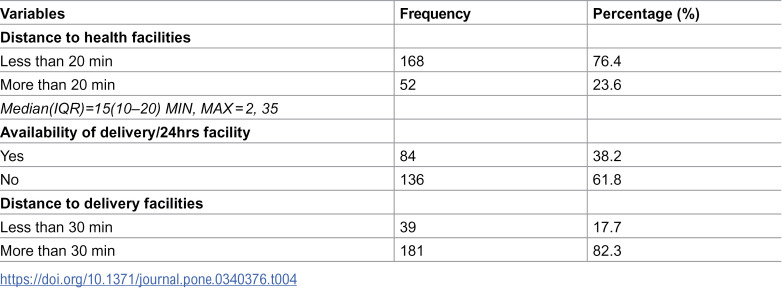 Figure 10
 Figure 11
 Figure 12
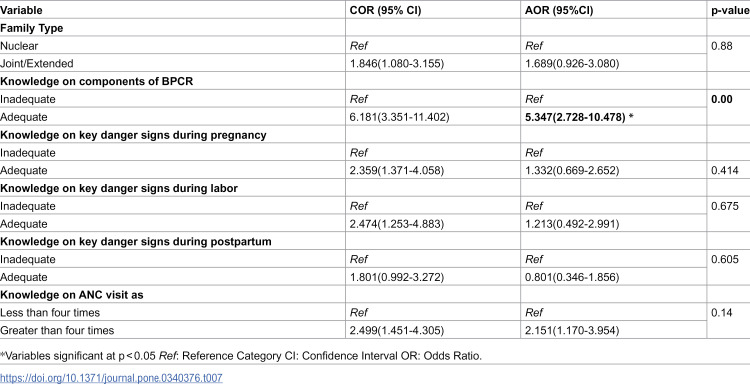 Figure 13
Peer Reviews
No public reviews on file for this paper yet. If you reviewed it on a platform where reviews are public (OpenReview, ICLR, NeurIPS, ICML), you can paste yours below so the community can read it here.
Videos
No videos yet. Explain this paper in a talk, walkthrough, or lecture? Add one.
Taxonomy
TopicsGlobal Maternal and Child Health · Maternal and Perinatal Health Interventions · Breastfeeding Practices and Influences