A distributed framework for zero-day malware detection using federated ensemble models
Hassan Ishfaq, Jamal Hussain Shah, Rabia Saleem, Maira Afzal, Sohail Saif, Sohail Saif, Sohail Saif, Sohail Saif

TL;DR
This paper introduces a new framework using federated learning to detect zero-day malware more accurately and efficiently.
Contribution
A novel stacked ensemble federated learning model with accuracy-aware node weighting for improved malware classification.
Findings
The proposed model outperforms existing methods in accuracy and computational efficiency.
Independent training at federated nodes followed by ensemble stacking reduces overfitting and improves learning rates.
The model effectively handles inter- and intra-class similarities among malware families.
Abstract
Classification and detection of zero-day attacks remain a significant challenge within the domain of cybersecurity. Due to the vast types of malware families and the presence of an imbalanced dataset, real-time detection and classification become increasingly complex and inaccurate. Thus, there’s an urgent need to develop an intelligent and adaptive defense mechanism capable of identifying and classifying such attacks with improved precision and robustness. This paper proposed a stacked ensemble federated learning model with an accuracy-aware node weighting scheme to address the challenges posed by inter- and intra-class similarities among different types of malwares. In the initial phase, malware Portable Executable (PE) files are collected from multiple online repositories and validated by three different antivirus programs through VirusTotal to ensure reliability. These validated…
Genes, proteins, chemicals, diseases, species, mutations and cell lines named across the full text — each resolved to its canonical identifier and authoritative record.
Click any figure to enlarge with its caption.
 Figure 1
 Figure 2
 Figure 3
 Figure 4
 Figure 5
 Figure 6
 Figure 7
 Figure 8
 Figure 9
 Figure 10
 Figure 11
 Figure 12
 Figure 13
 Figure 14
 Figure 15
 Figure 16
 Figure 17
 Figure 18
 Figure 19
 Figure 20
 Figure 21
 Figure 22
 Figure 23
 Figure 24
 Figure 25
 Figure 26
 Figure 27
 Figure 28
 Figure 29
 Figure 30
 Figure 31
 Figure 32
 Figure 33
 Figure 34
 Figure 35
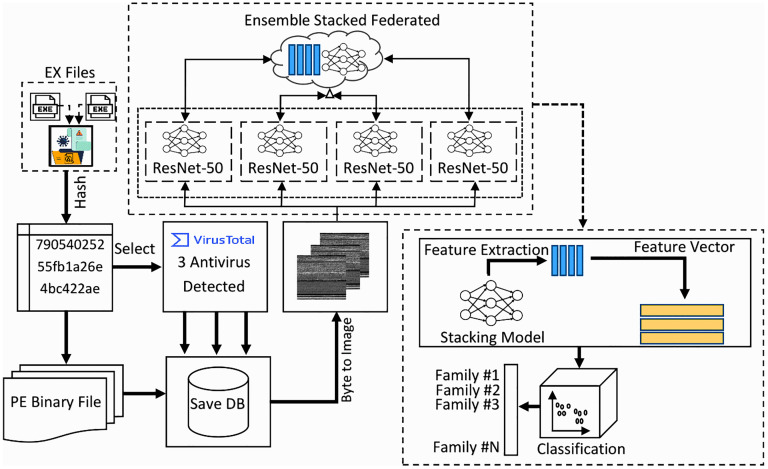 Figure 36
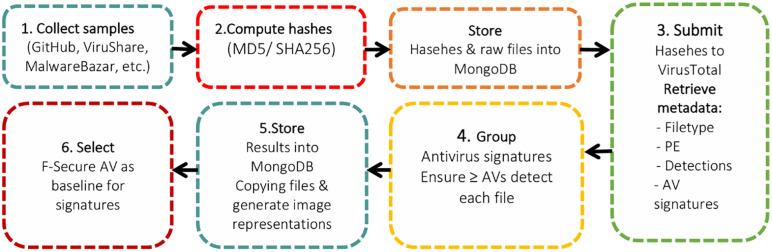 Figure 37
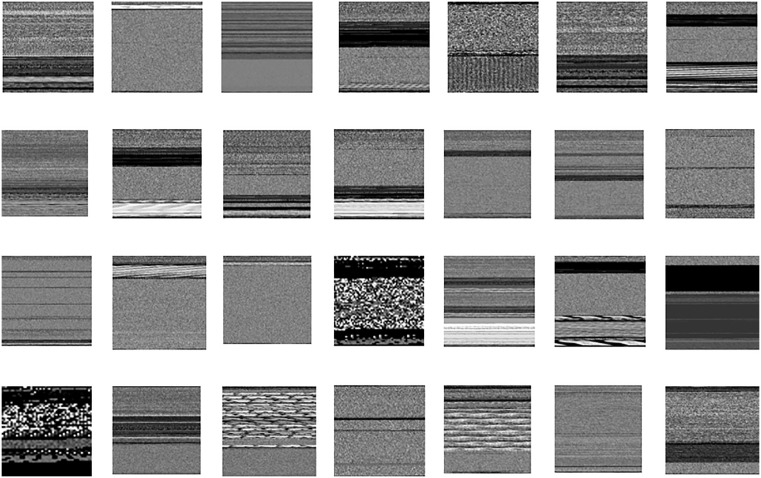 Figure 38
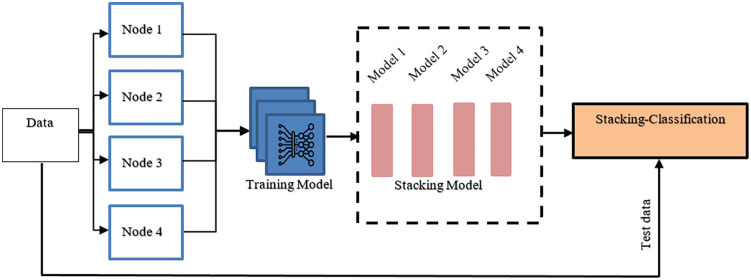 Figure 39
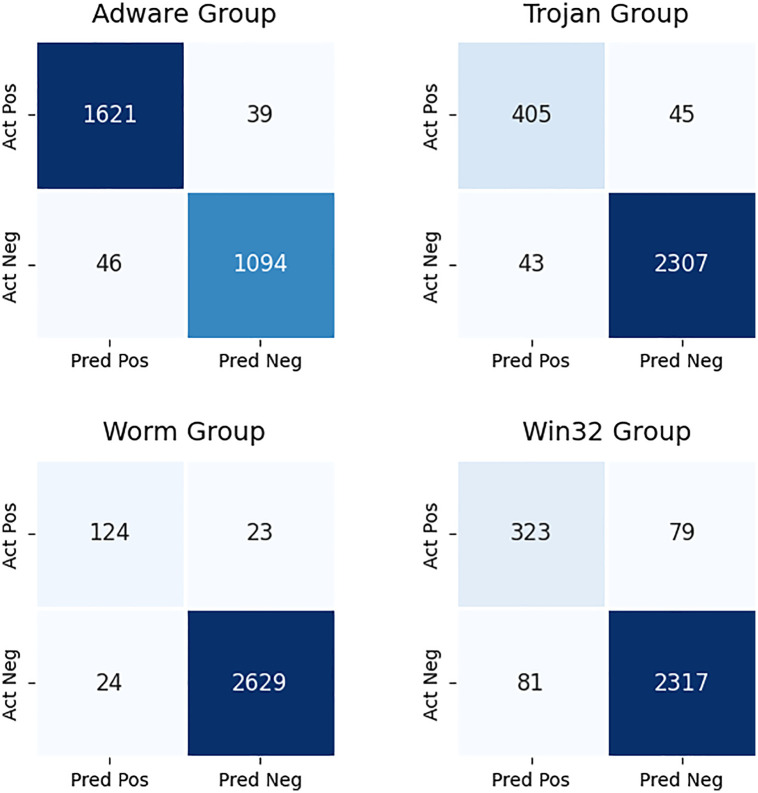 Figure 40
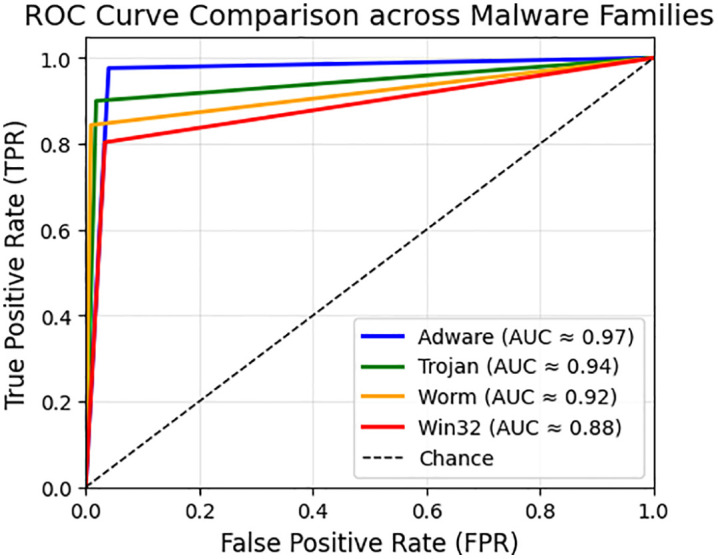 Figure 41
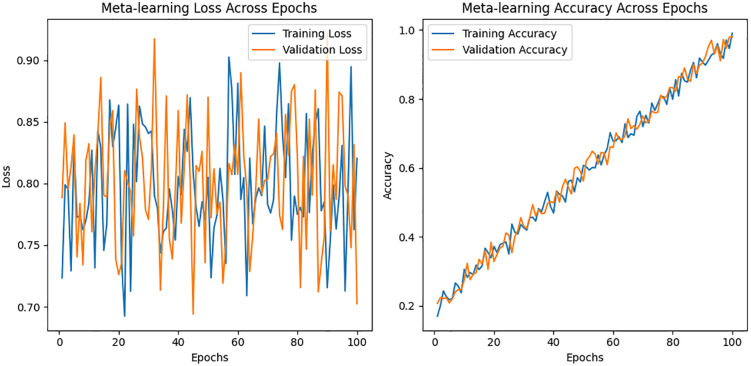 Figure 42
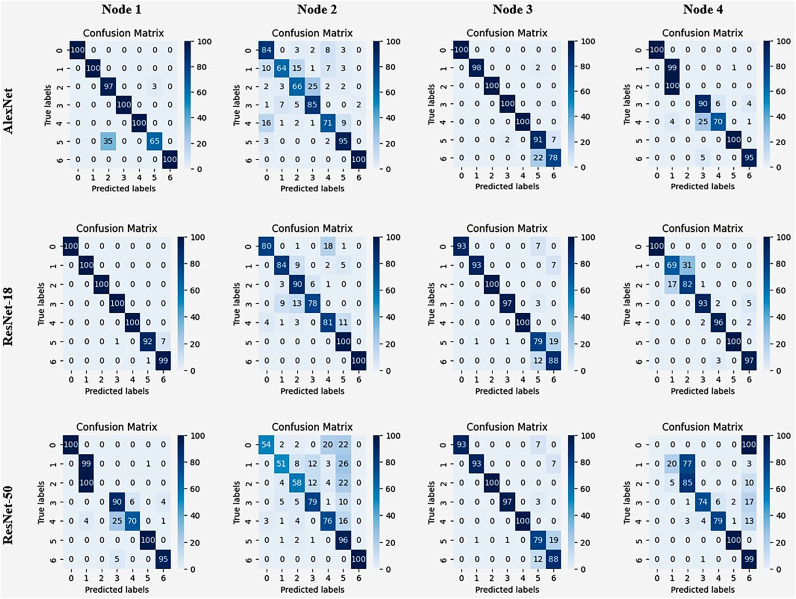 Figure 43
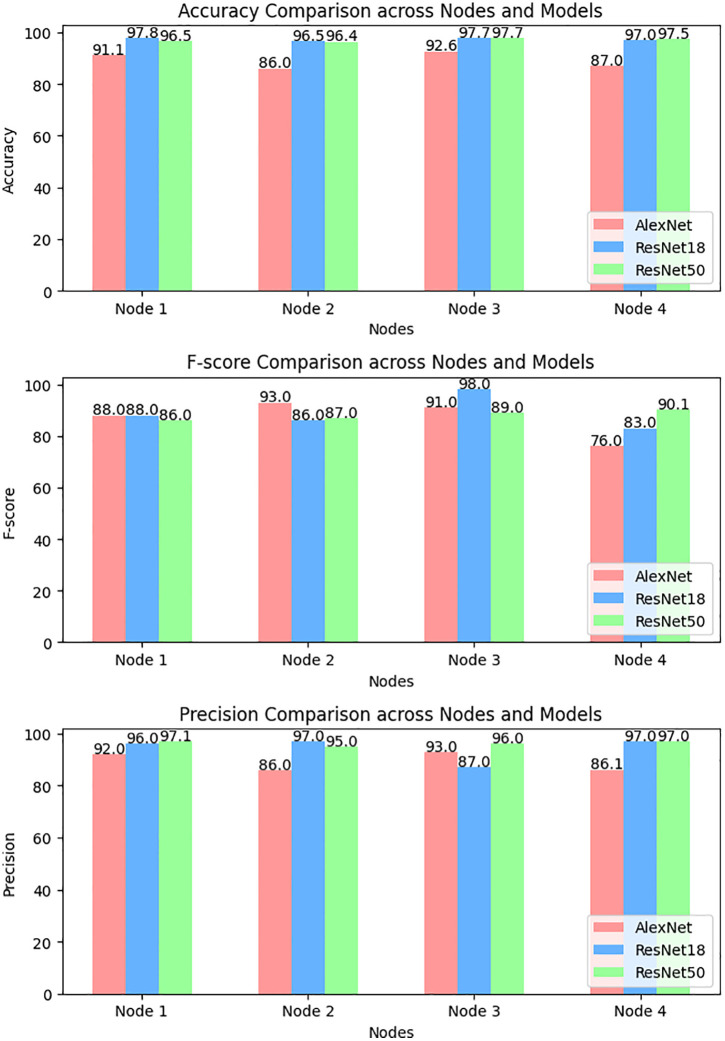 Figure 44
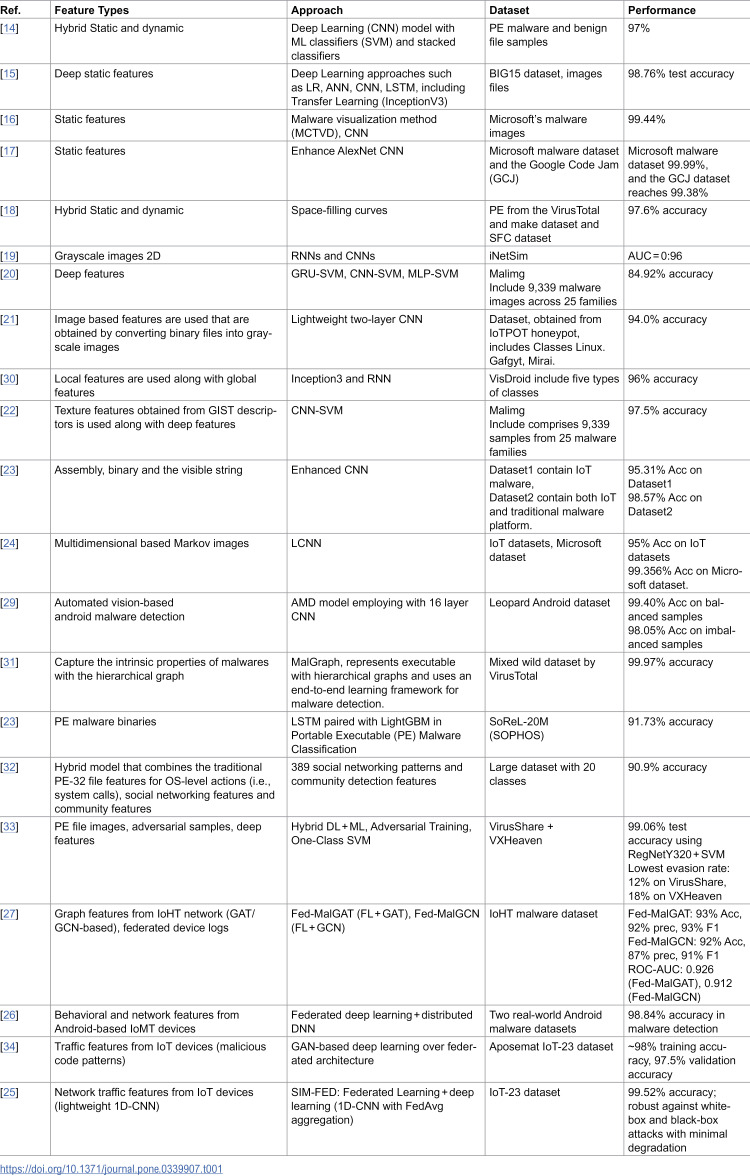 Figure 45
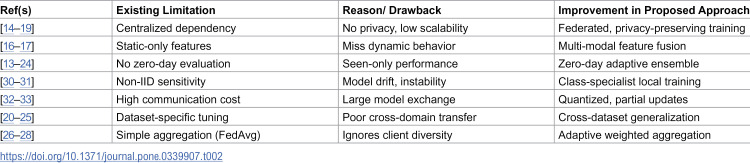 Figure 46
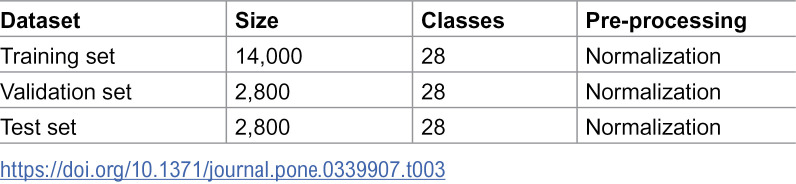 Figure 47
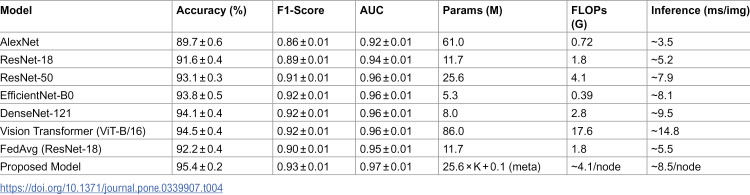 Figure 48
 Figure 49
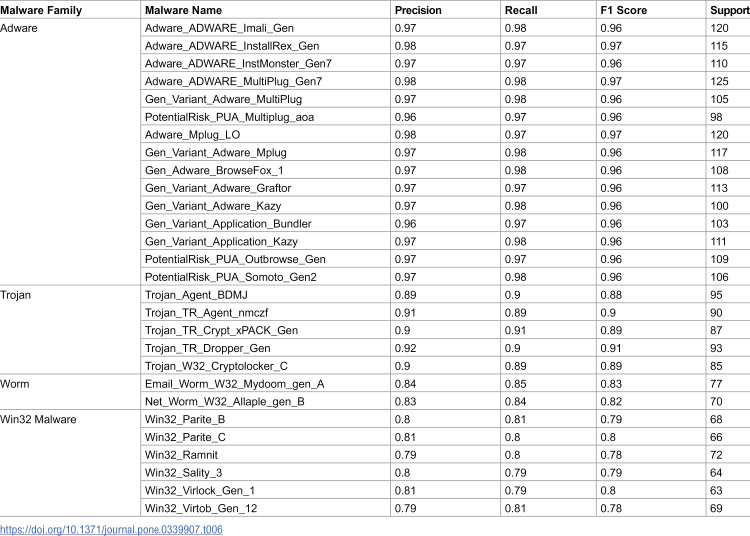 Figure 50
Peer Reviews
No public reviews on file for this paper yet. If you reviewed it on a platform where reviews are public (OpenReview, ICLR, NeurIPS, ICML), you can paste yours below so the community can read it here.
Videos
No videos yet. Explain this paper in a talk, walkthrough, or lecture? Add one.
Taxonomy
TopicsAdvanced Malware Detection Techniques · Network Security and Intrusion Detection · Adversarial Robustness in Machine Learning