Structural engineering, BSA binding and computational analysis of isonipacotate based enzyme inhibitors containing 1,2,4-triazole
Naeem A. Virk, Aziz-ur-Rehman, Javed Iqbal, Tahir Ali Chohan, Abdullah R. Alzahrani, Talha Jawaid, Zia Ur Rehman, Abida Khan

TL;DR
This paper presents the synthesis and analysis of new enzyme inhibitors based on 1,2,4-triazole compounds, showing promising activity against several enzymes.
Contribution
The study introduces novel piperidine-based triazole analogues with improved enzyme inhibition properties.
Findings
Compound 7h showed the best inhibition of AChE with an IC50 of 1.29 μM.
Compound 7i was the most active against BChE and 15-LOX.
Most analogues outperformed standard drugs in α-Glucosidase inhibition.
Abstract
Synthetic chemistry facing little difficulties in C–C, C–S, and C–N double bonds activation is a very long-standing challenge. The current studies based on the development of C–N double and single bond, N–N bond and C–S in the trizole and azinane merged rings into single unit. The targeted compounds were obtained through metal free, microwave assisted and conventional techniques. The present work covers sulfonamide, hydrazide synthesis, 1,2,4-triazole, and thioether synthesis to produce piperidine-based triazole analogues (7a-j). An array of electrophiles (6a-j) was treated with 1,2,4-triazole (5) under conventional (59–72% yield) and microwave assisted (87–95% yield) protocols to acquire the targeted molecules (7a-j). The proton and carbon NMR, and IR techniques were used for structural characterization. The analogues (7a-j) were screened against BChE, α-Glucosidase, 15-LOX, and AChE…
Genes, proteins, chemicals, diseases, species, mutations and cell lines named across the full text — each resolved to its canonical identifier and authoritative record.
Click any figure to enlarge with its caption.
 Figure 1
 Figure 2
 Figure 3
 Figure 4
 Figure 5
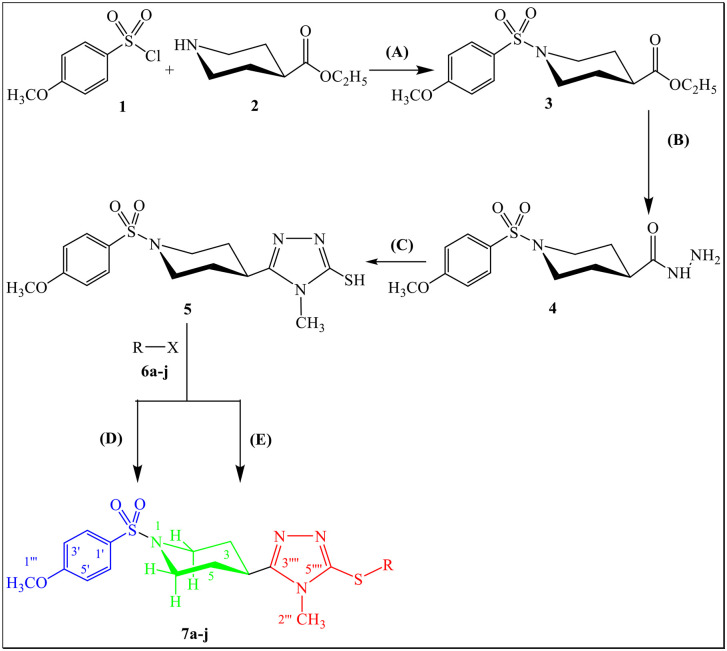 Figure 6
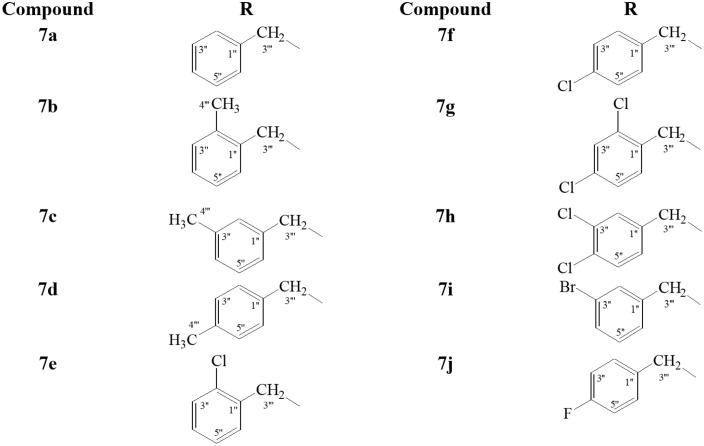 Figure 7
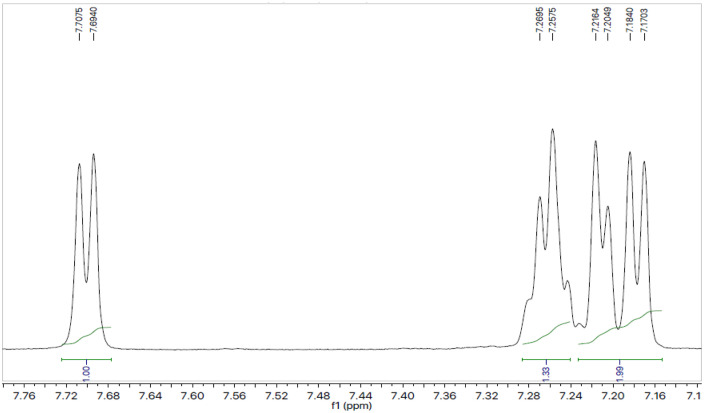 Figure 8
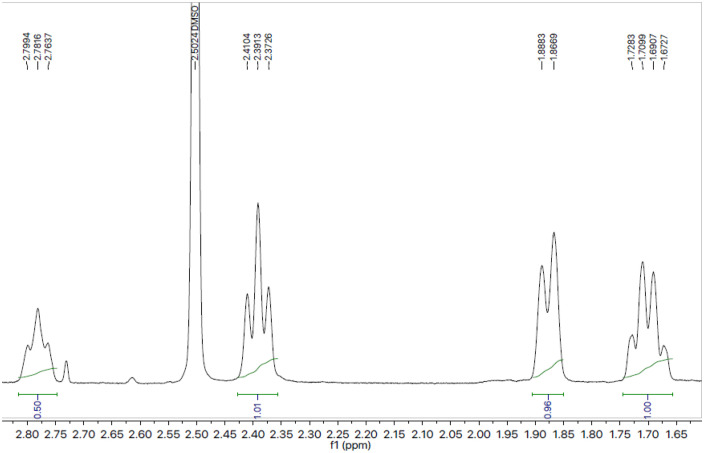 Figure 9
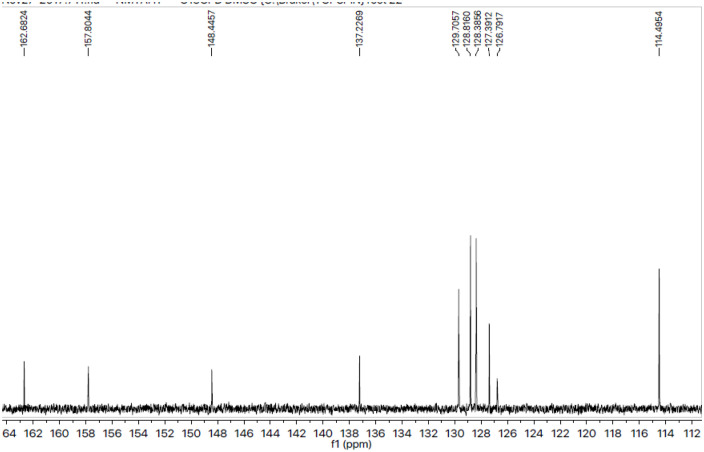 Figure 10
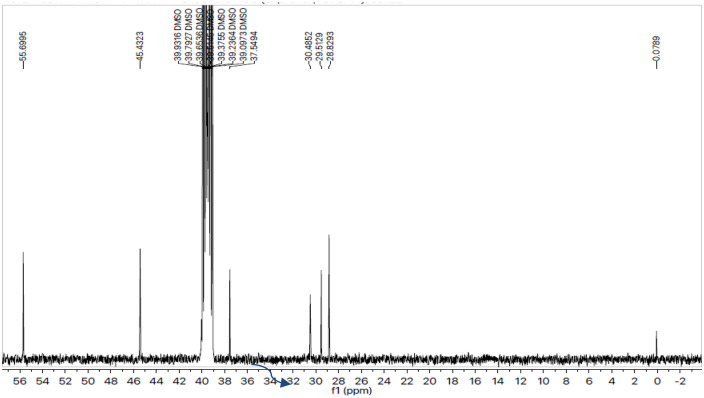 Figure 11
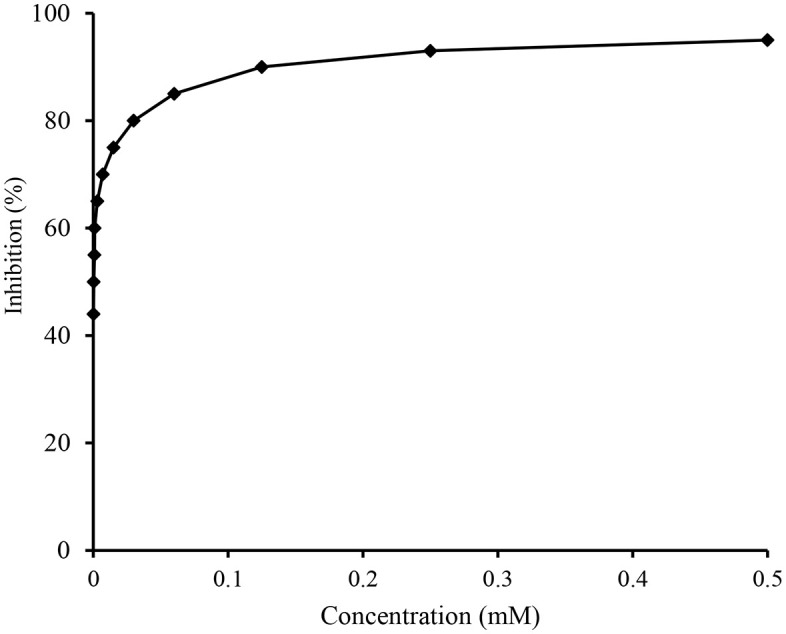 Figure 12
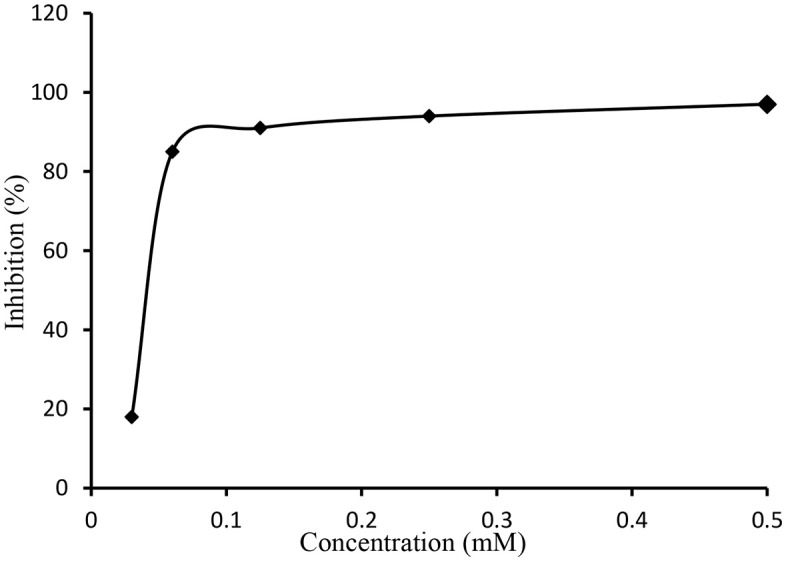 Figure 13
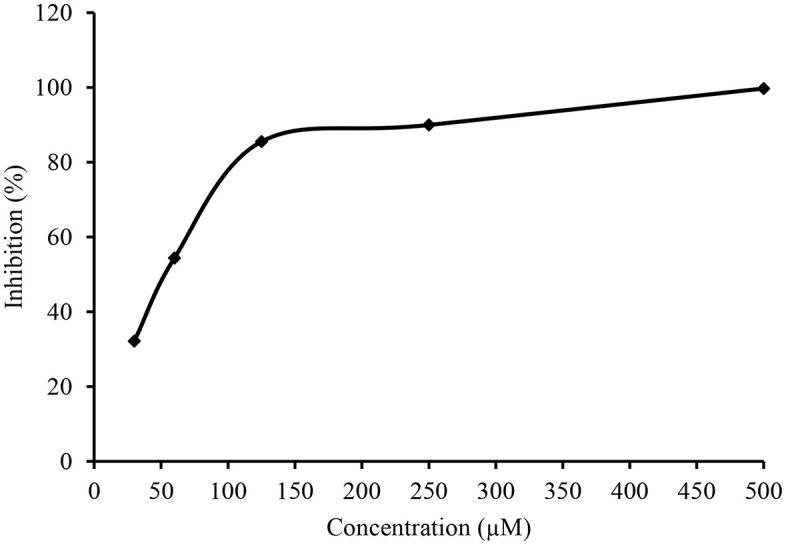 Figure 14
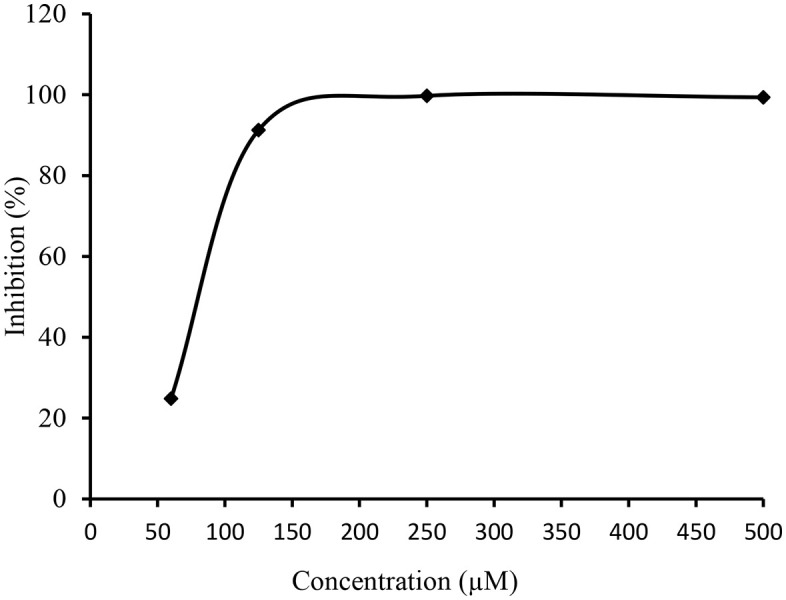 Figure 15
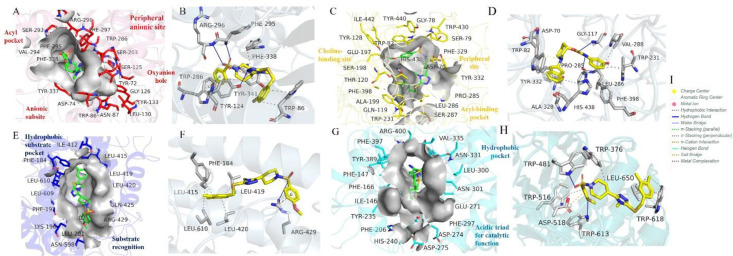 Figure 16
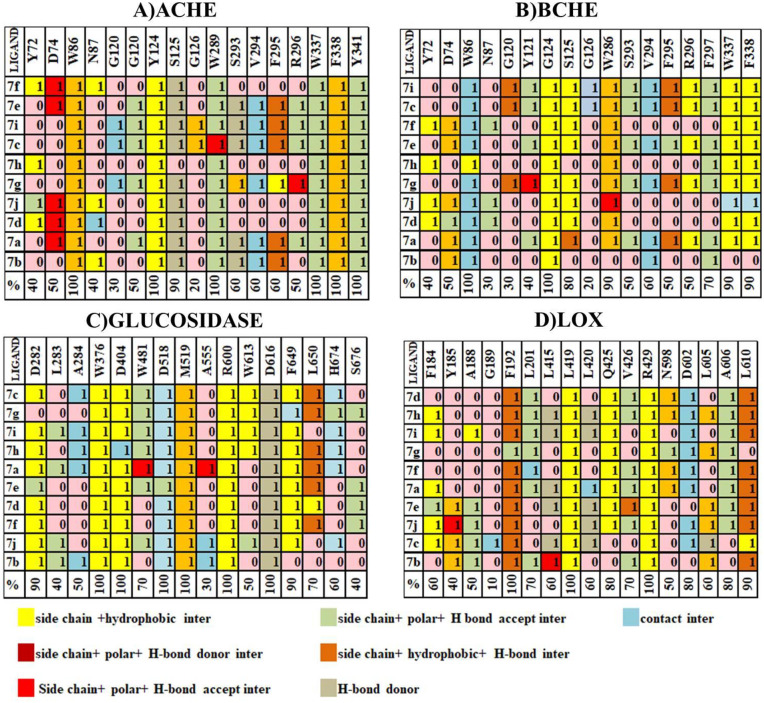 Figure 17
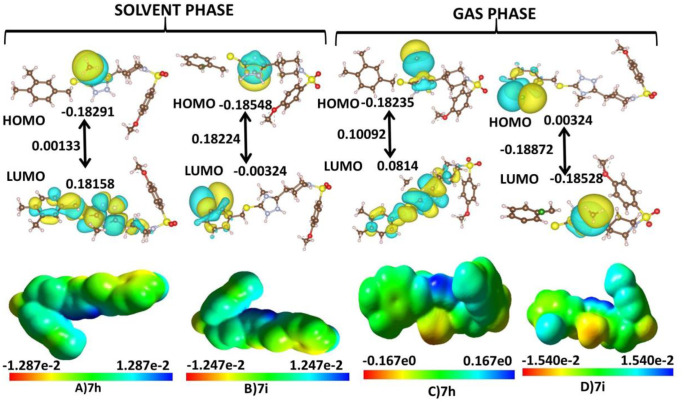 Figure 18
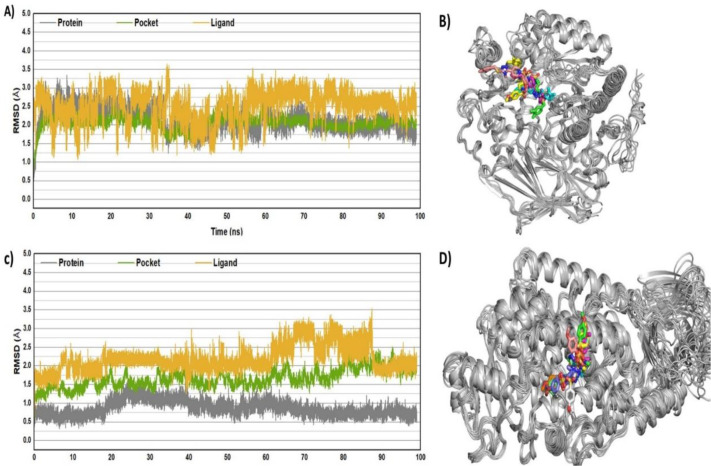 Figure 19
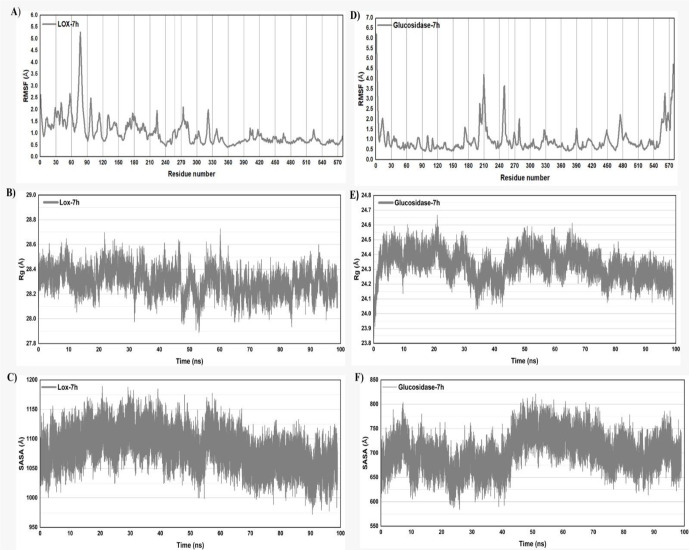 Figure 20
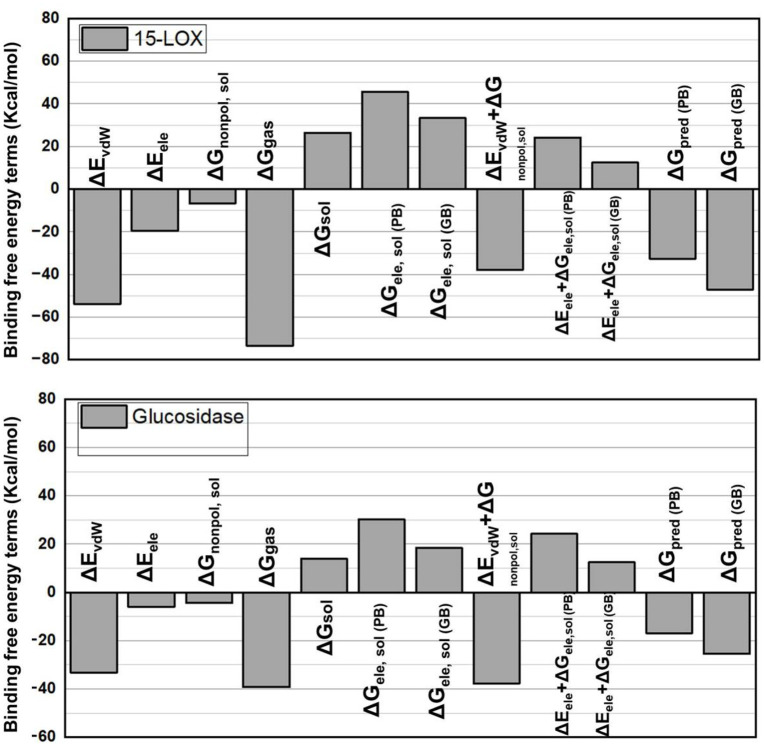 Figure 21
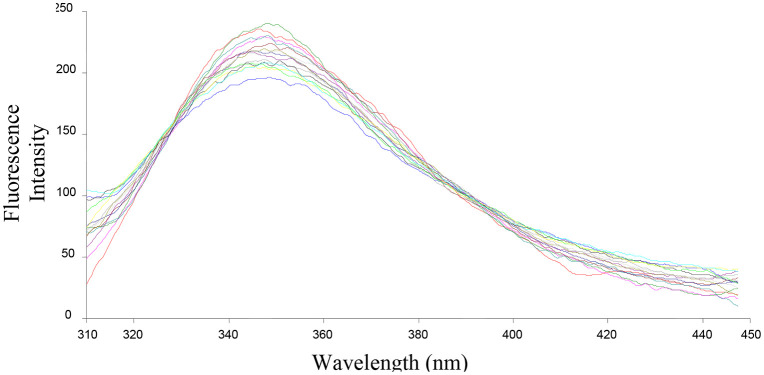 Figure 22
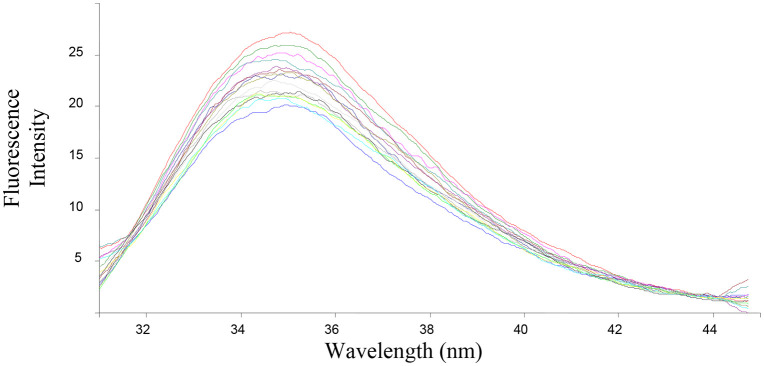 Figure 23
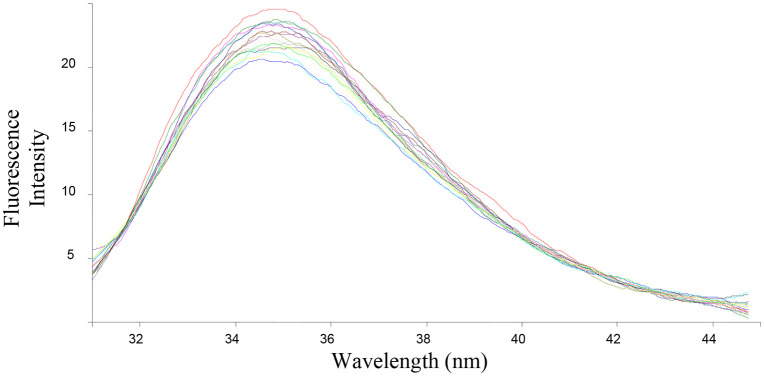 Figure 24
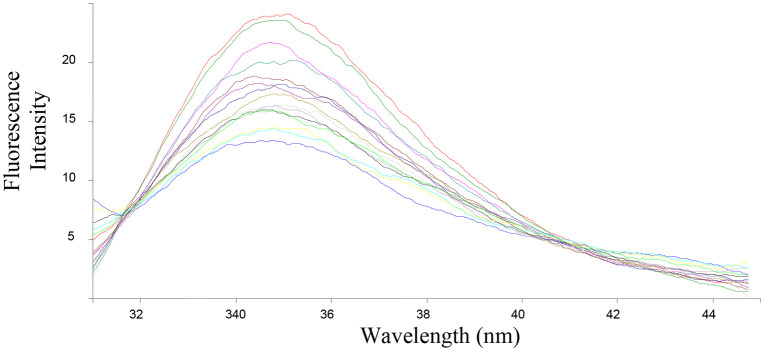 Figure 25
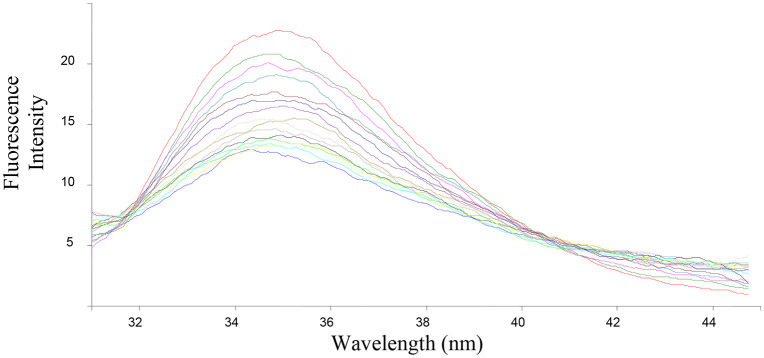 Figure 26
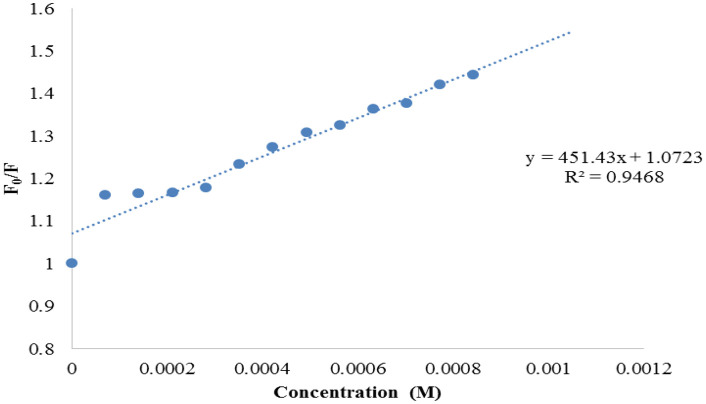 Figure 27
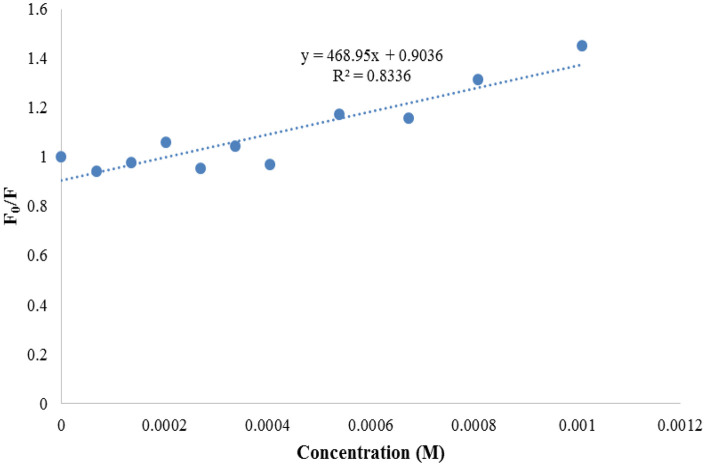 Figure 28
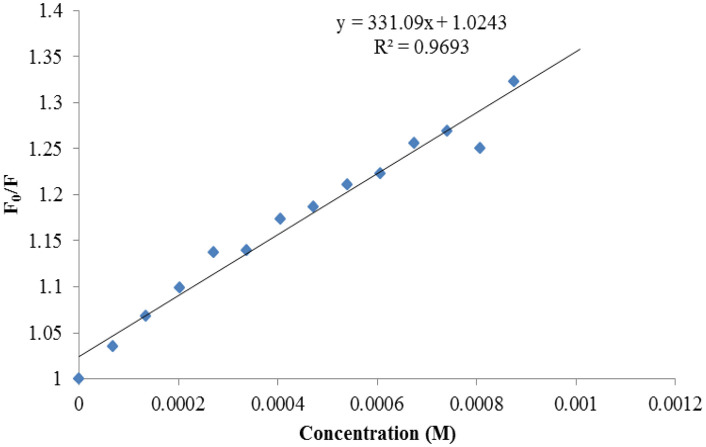 Figure 29
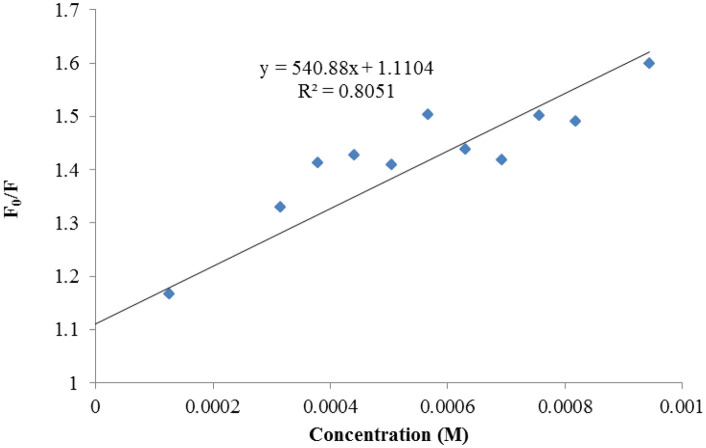 Figure 30
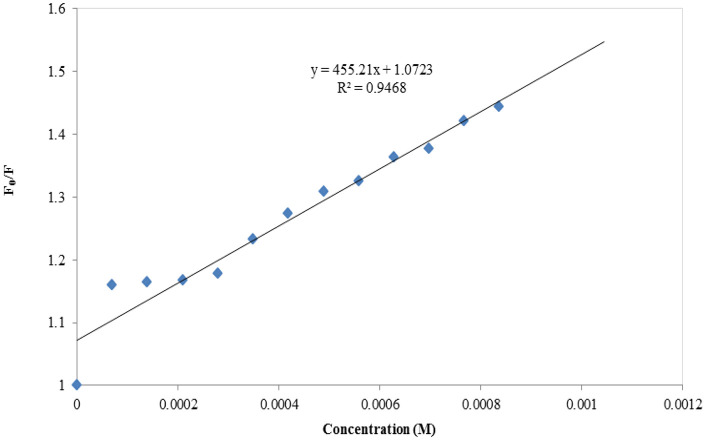 Figure 31
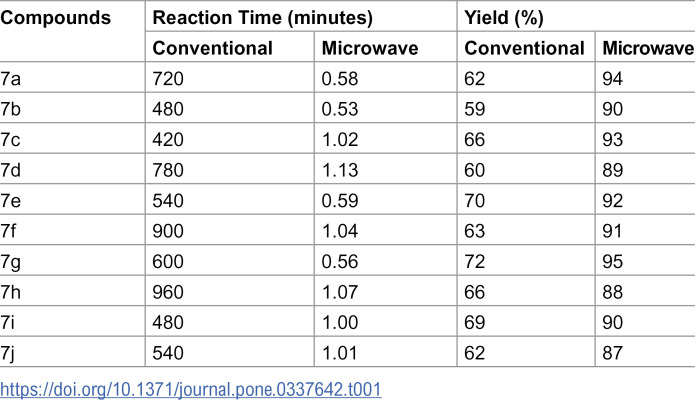 Figure 32
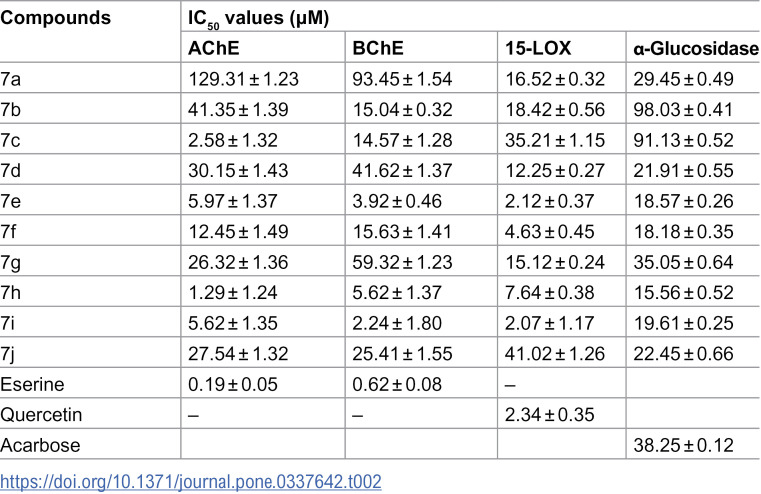 Figure 33
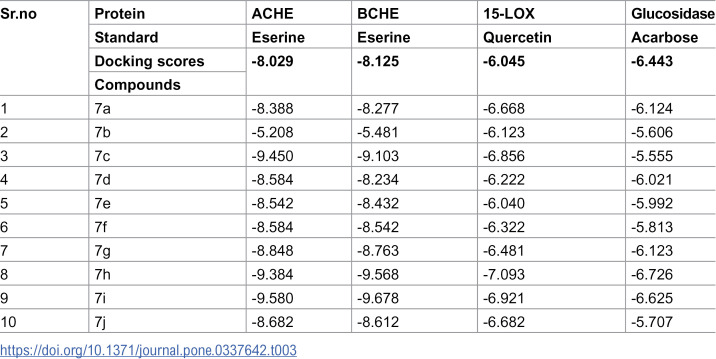 Figure 34
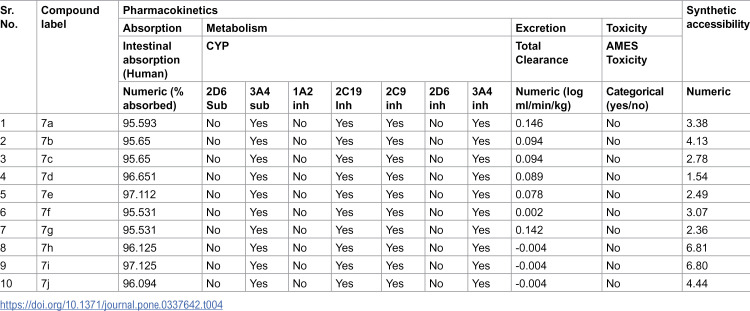 Figure 35
 Figure 36
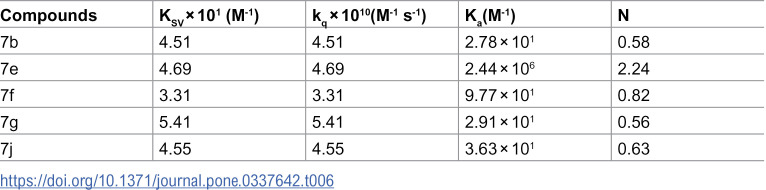 Figure 37
Peer Reviews
No public reviews on file for this paper yet. If you reviewed it on a platform where reviews are public (OpenReview, ICLR, NeurIPS, ICML), you can paste yours below so the community can read it here.
Videos
No videos yet. Explain this paper in a talk, walkthrough, or lecture? Add one.
Taxonomy
TopicsClick Chemistry and Applications · Enzyme function and inhibition · Carbohydrate Chemistry and Synthesis