Unbiased inference for echocardiogram urgency prediction using double machine learning
Yiqun Jiang, Wenli Zhang, Yu-Li Huang, Cameron MacKenzie, Qing Li

TL;DR
This paper introduces a model using double machine learning to prioritize patients for echocardiograms, improving efficiency and resource allocation in clinical settings.
Contribution
The novel use of double machine learning to disentangle clinical and administrative variables for echocardiogram urgency prediction.
Findings
The model outperforms traditional methods in predicting appointment urgency.
Administrative and cancer-related comorbidity variables significantly impact patient prioritization.
The approach provides robust variable effect estimations and actionable insights for clinicians.
Abstract
The increased utilization of echocardiography in clinical practice has witnessed a substantial rise, underscoring its pivotal role as a diagnostic tool for various cardiovascular conditions. However, due to the relative scarcity of echocardiography tests, challenges persist in efficiently prioritizing patients for echocardiographic assessments. In this study, we develop a model to assess the urgency of appointments by considering both clinical and administrative variables extracted from Electronic Health Record data. We use double machine learning techniques to analyze these variables and improve our predictions of patient urgency. Traditional methods for estimating variable effects have limitations, particularly in our research context, where clinical and administrative variables may influence one another while also directly impacting the outcome (i.e., the urgency of appointments). In…
Genes, proteins, chemicals, diseases, species, mutations and cell lines named across the full text — each resolved to its canonical identifier and authoritative record.
Click any figure to enlarge with its caption.
 Figure 1
 Figure 2
 Figure 3
 Figure 4
 Figure 5
 Figure 6
 Figure 7
 Figure 8
 Figure 9
 Figure 10
 Figure 11
 Figure 12
 Figure 13
 Figure 14
 Figure 15
 Figure 16
 Figure 17
 Figure 18
 Figure 19
 Figure 20
 Figure 21
 Figure 22
 Figure 23
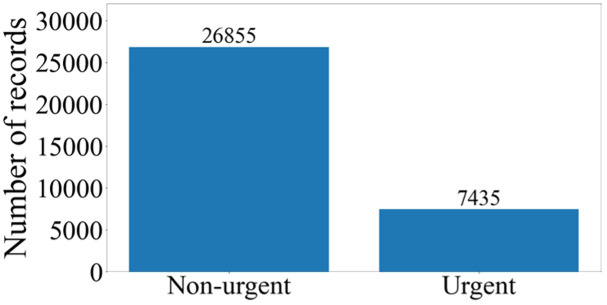 Figure 24
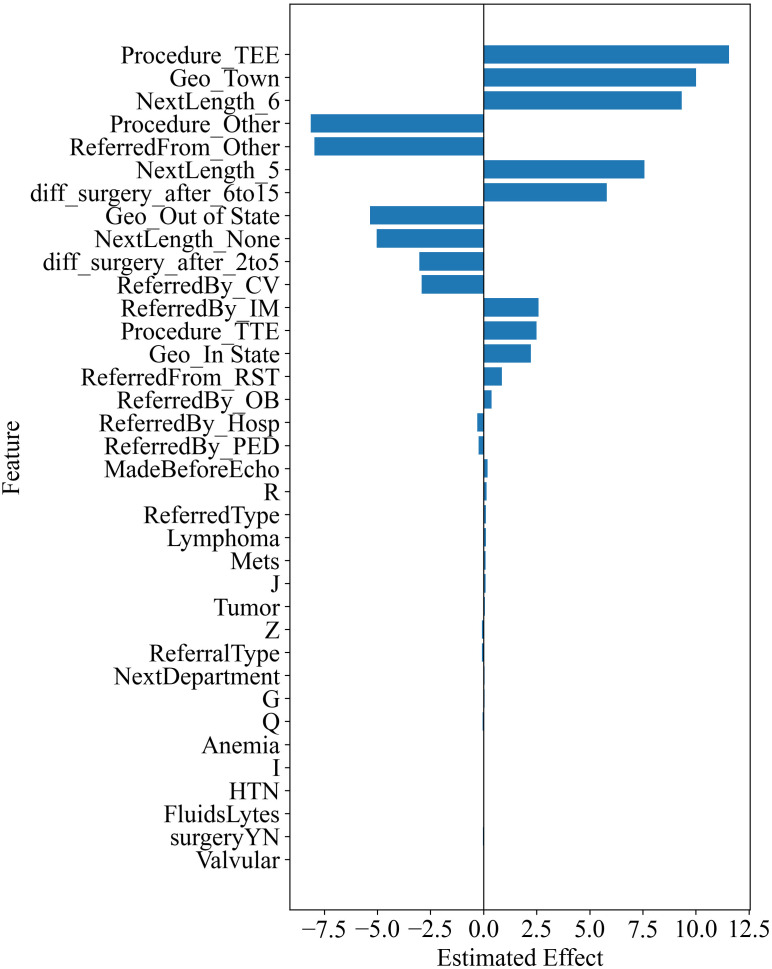 Figure 25
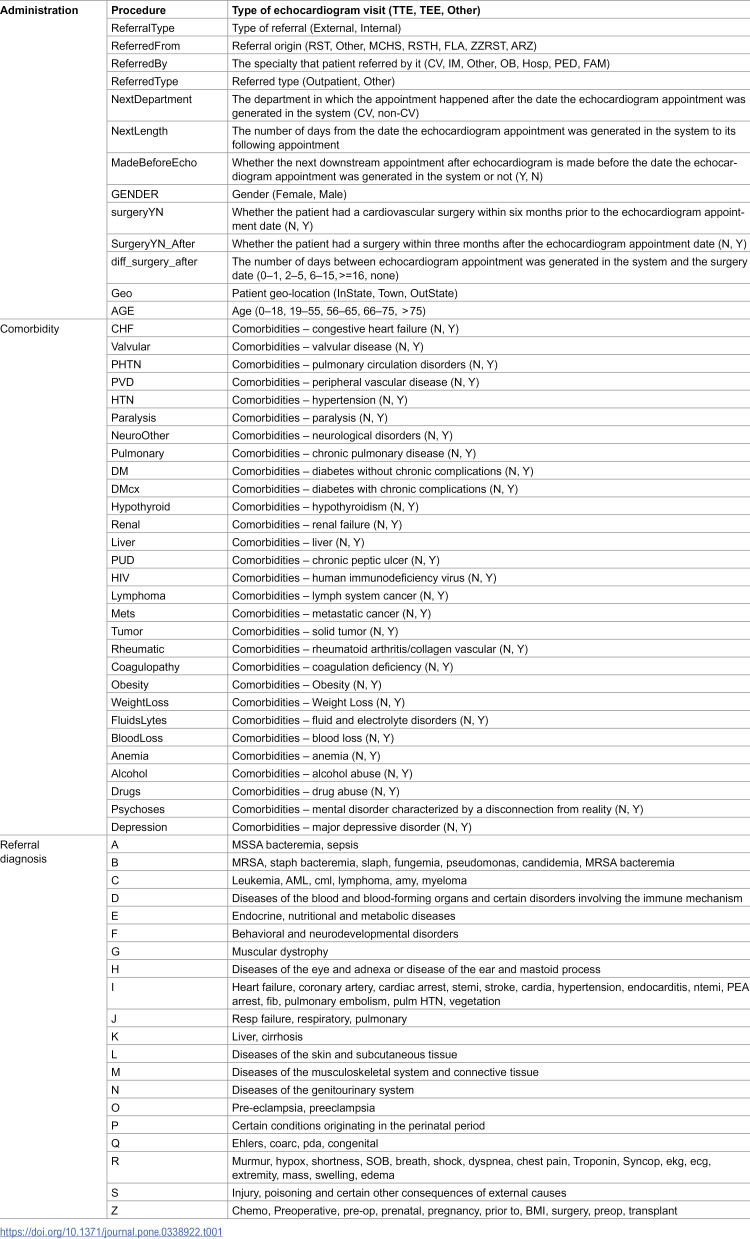 Figure 26
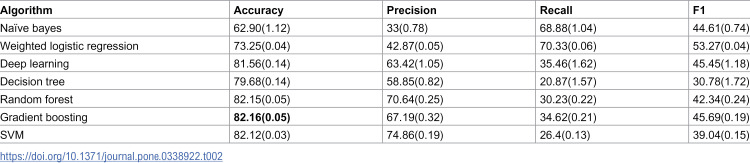 Figure 27
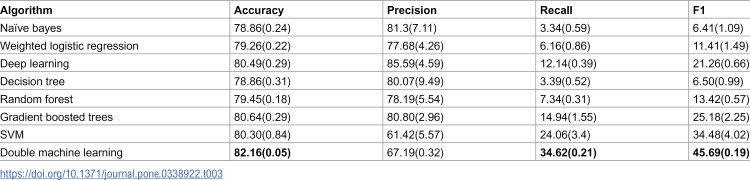 Figure 28
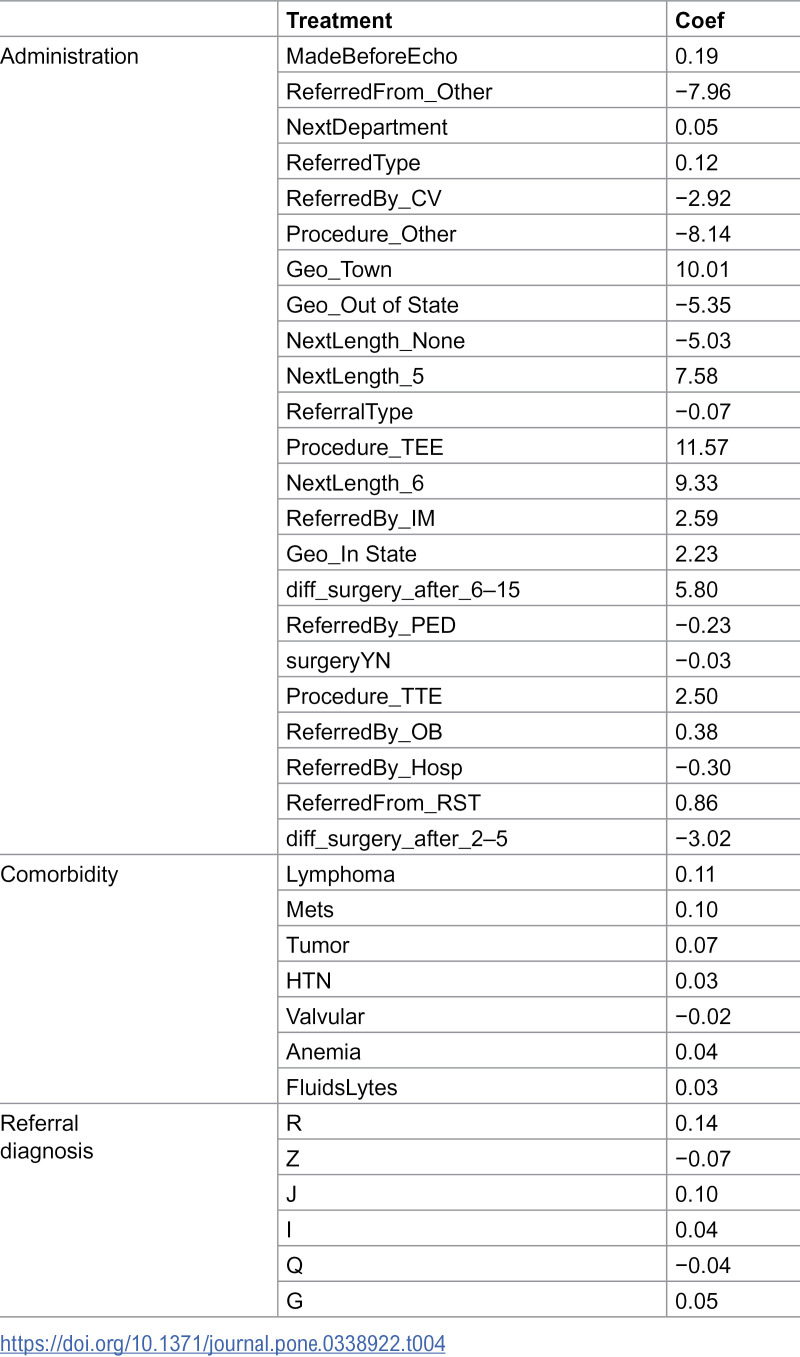 Figure 29
Peer Reviews
No public reviews on file for this paper yet. If you reviewed it on a platform where reviews are public (OpenReview, ICLR, NeurIPS, ICML), you can paste yours below so the community can read it here.
Videos
No videos yet. Explain this paper in a talk, walkthrough, or lecture? Add one.
Taxonomy
TopicsArtificial Intelligence in Healthcare and Education · Machine Learning in Healthcare · Sepsis Diagnosis and Treatment