Identifying subgroups with differential levels of service response to a digital screening and service navigation program for unmet social care needs
James R. John, Teresa Winata, Si Wang, Melissa Smead, Weng Tong Wu, Jane Kohlhoff, Virginia Schmied, Bin Jalaludin, Kenny Lawson, Siaw-Teng Liaw, Raghu Lingam, Andrew Page, Christa Lam-Cassettari, Katherine Boydell, Ping-I. Lin, Ilan Katz, Ann Dadich, Shanti Raman, Rebekah Grace

TL;DR
This study finds that a digital health intervention for unmet social care needs works better for some families than others, depending on their background and mental health.
Contribution
The study identifies subgroups of families with differing responses to digital interventions based on sociodemographic and psychosocial factors.
Findings
Three distinct family subgroups were identified based on mental health, education, and location.
Class 2 participants had significantly higher unmet needs compared to Class 3, showing the intervention was less effective for vulnerable groups.
Digital tools may not be sufficient for families with higher psychosocial adversity, suggesting a need for tiered support systems.
Abstract
Digital screening and navigation interventions are increasingly integrated into health systems to identify and support families’ unmet social care needs, yet their effectiveness in improving outcomes remains unclear among priority population communities. We hypothesise that responses to such digital interventions might vary based on sociodemographic and psychosocial characteristics. Data were analysed from 288 participants in a randomised controlled trial evaluating Watch Me Grow-Electronic – a digital screening and service navigation model to identify psychosocial needs, parental wellbeing, and child developmental needs in South Western Sydney (urban site) and Murrumbidgee (regional/rural site), New South Wales, Australia. Latent class analysis was used to identify subgroups of families based on parental and child clinical and sociodemographic factors. A zero-inflated negative…
Genes, proteins, chemicals, diseases, species, mutations and cell lines named across the full text — each resolved to its canonical identifier and authoritative record.
Click any figure to enlarge with its caption.
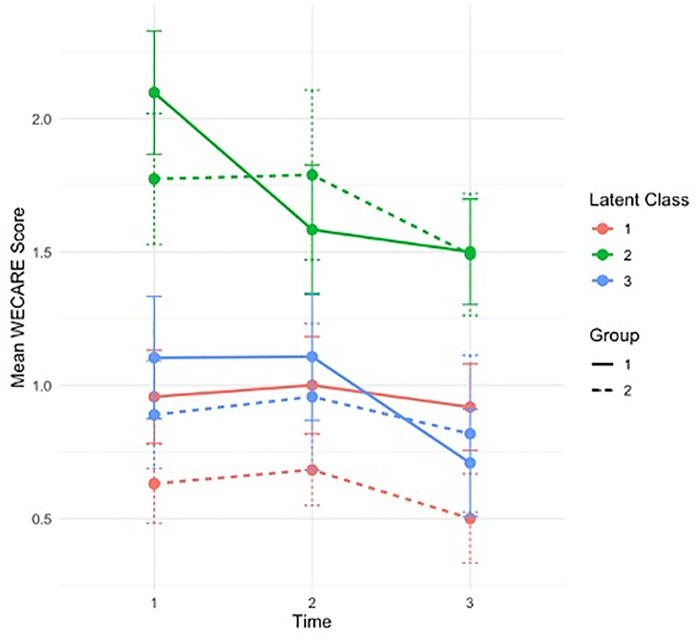 Figure 1
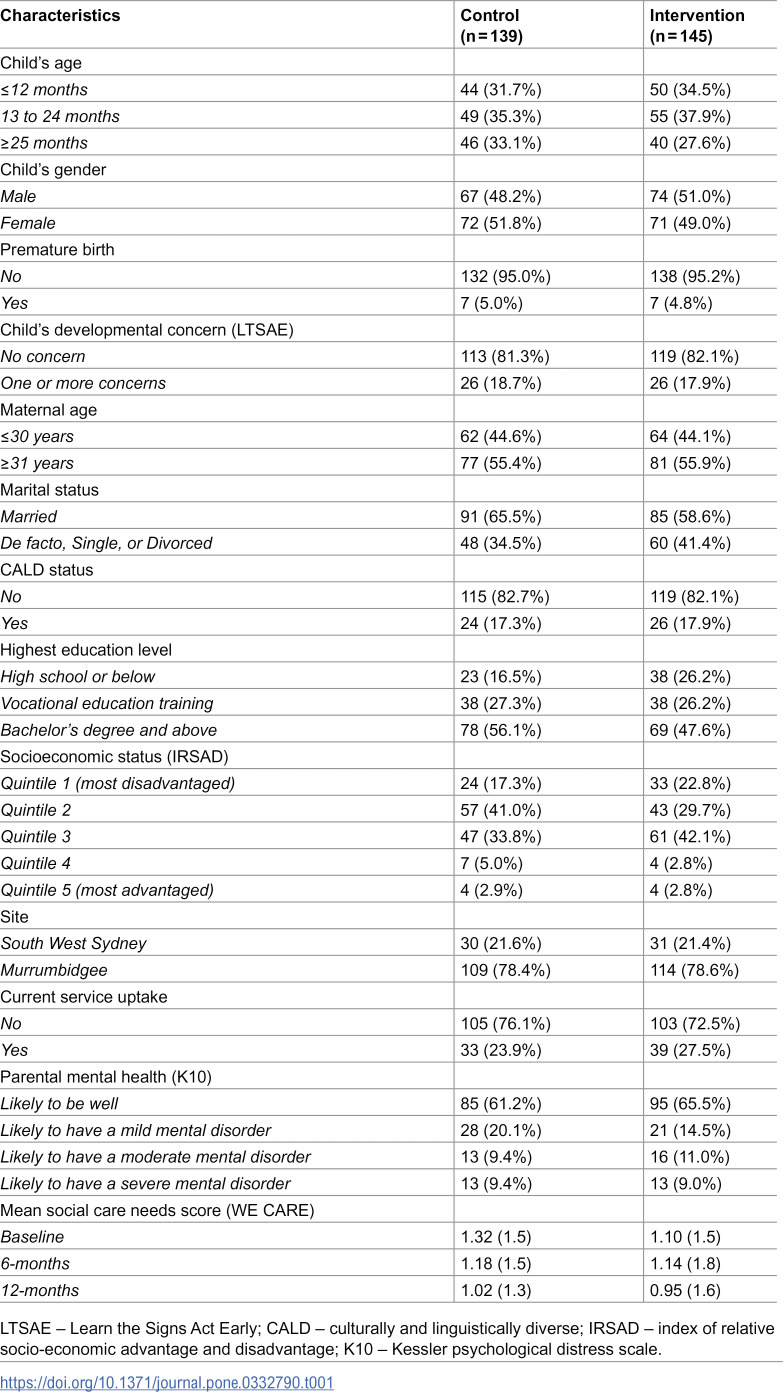 Figure 2
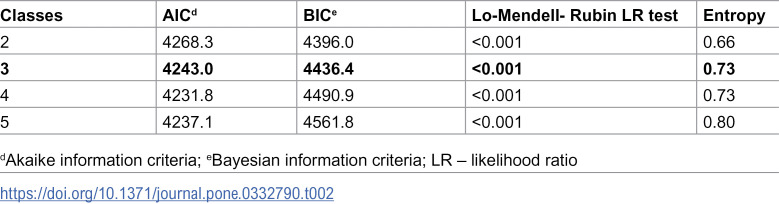 Figure 3
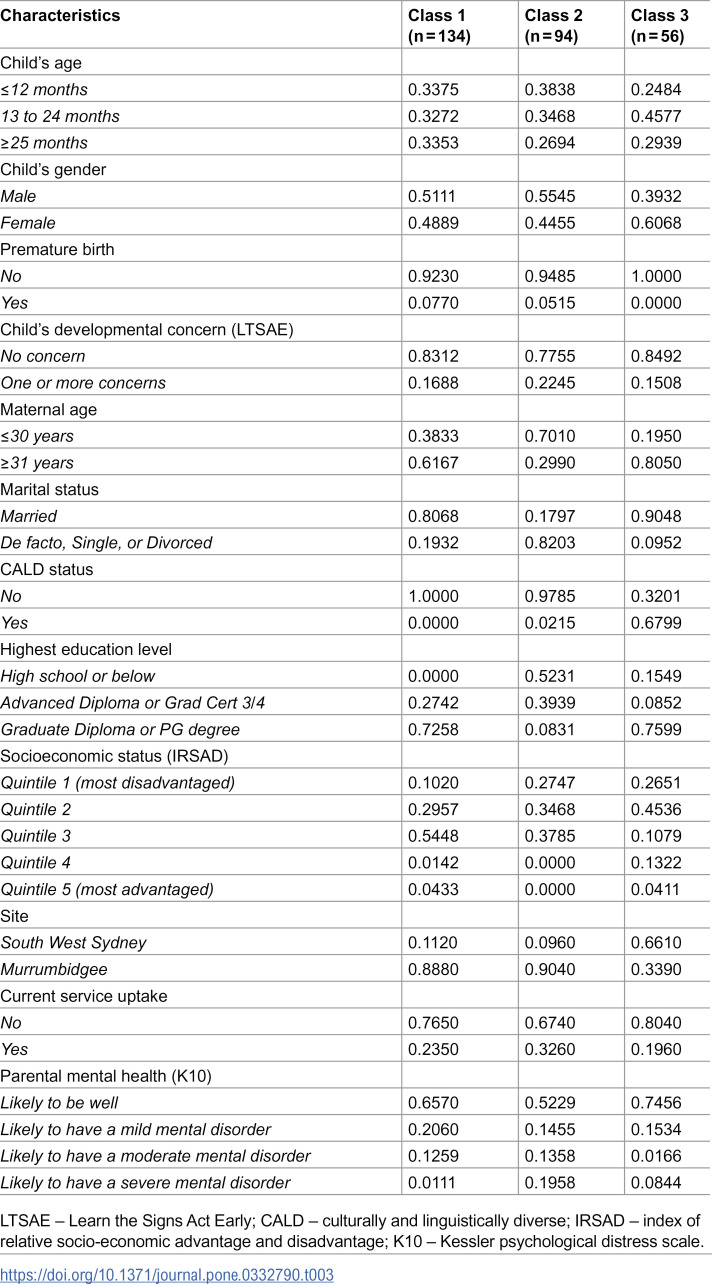 Figure 4
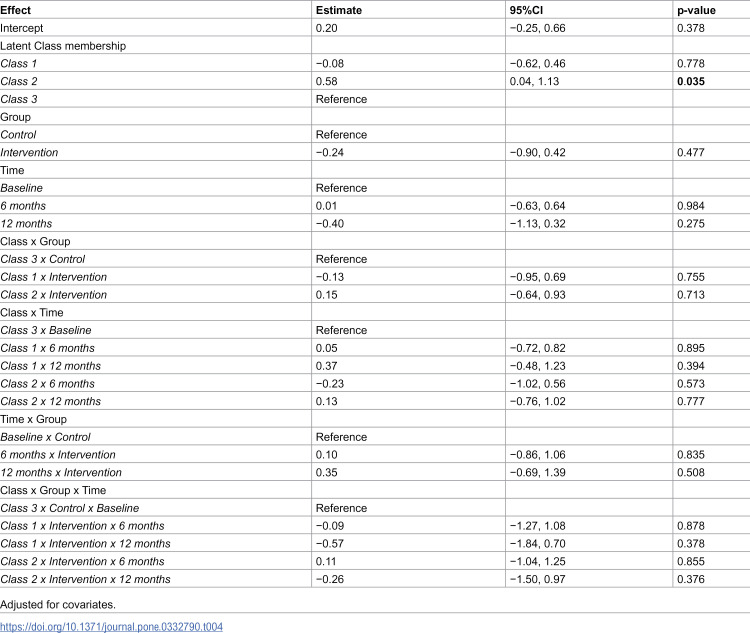 Figure 5
Peer Reviews
No public reviews on file for this paper yet. If you reviewed it on a platform where reviews are public (OpenReview, ICLR, NeurIPS, ICML), you can paste yours below so the community can read it here.
Videos
No videos yet. Explain this paper in a talk, walkthrough, or lecture? Add one.
Taxonomy
TopicsDigital Mental Health Interventions · Telemedicine and Telehealth Implementation · Mobile Health and mHealth Applications