Comparative Evaluation of the Antibacterial Efficacy of Metronidazole, Chlorhexidine, and Normal Saline as Laser- and Sonic-Activated Intracanal Irrigants Against Enterococcus faecalis: In Vitro Study Protocol
Sharvari Deshmukh, Aditya Patel

TL;DR
This study compares how well metronidazole, chlorhexidine, and saline work as root canal cleaners when activated by laser or sonic methods against a stubborn bacteria called Enterococcus faecalis.
Contribution
The study introduces a novel in vitro protocol to evaluate laser- and sonic-activated irrigants against E. faecalis biofilms in human teeth.
Findings
The antibacterial efficacy of MTR, CHX, and saline will be compared under laser and sonic activation.
Results will provide insights into optimizing root canal disinfection protocols.
Findings may improve endodontic treatment outcomes by reducing persistent infections.
Abstract
The persistence of Enterococcus faecalis is a significant challenge in endodontic therapy, due to its ability to form biofilms and penetrate the dentinal tubules, frequently leading to treatment failures. Therefore, despite the proven antimicrobial activity of metronidazole (MTR) and chlorhexidine (CHX), the resilience of E. faecalis necessitates integrating activation techniques. Laser and sonic activation methods show promise in enhancing the antibacterial performance of irrigants. However, studies on the activation-enhanced efficacy of MTR, CHX, and saline remain limited. This study aimed to compare the antibacterial efficacy of MTR, CHX, and normal saline as intracanal irrigants when activated by laser and sonic techniques against E. faecalis in extracted human mandibular premolars. It is a laboratory-based in vitro experimental study involving extracted human teeth. Ninety…
Genes, proteins, chemicals, diseases, species, mutations and cell lines named across the full text — each resolved to its canonical identifier and authoritative record.
Click any figure to enlarge with its caption.
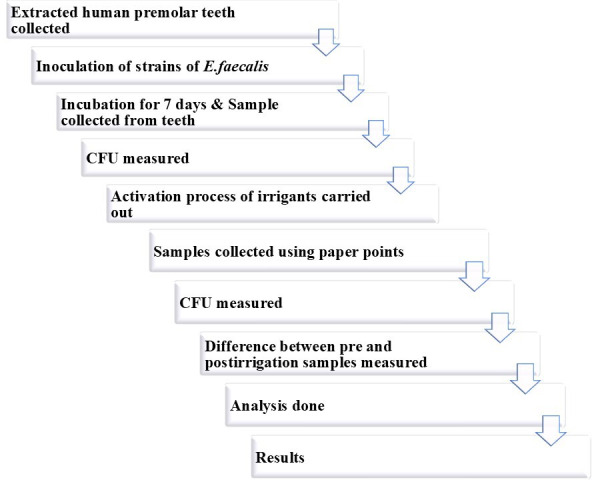 Figure 1
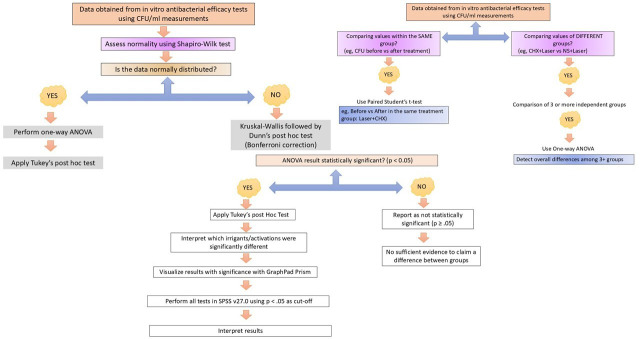 Figure 2
Peer Reviews
No public reviews on file for this paper yet. If you reviewed it on a platform where reviews are public (OpenReview, ICLR, NeurIPS, ICML), you can paste yours below so the community can read it here.
Videos
No videos yet. Explain this paper in a talk, walkthrough, or lecture? Add one.
Taxonomy
TopicsDental Research and COVID-19