Description of Encephalon Morphology of Nile Tilapia Oreochromis niloticus (Linnaeus, 1758) (Perciformes: Cichlidae) From Brazil
Anna Luiza de Souza Pereira, Echily Sartori, Gabriela Munis Campos, Carolina Demétrio Ferreira, Pedro Pierro Mendonça, Cristiane dos Santos Vergilio

TL;DR
This study describes the brain structure of Nile tilapia, a widely farmed fish, providing insights into its anatomy for future research in behavior and reproduction.
Contribution
The study provides the first comprehensive anatomical and histological characterization of the Nile tilapia brain.
Findings
The Nile tilapia brain has a typical teleost organization with olfactory bulbs, telencephalic lobes, optic tectum, and a prominent cerebellum.
The brain structure is similar to other cichlids and related teleosts but differs from more distantly related fish groups.
Detailed anatomical descriptions can aid future studies in reproductive biology, behavior, and systematics.
Abstract
The Nile tilapia ( Oreochromis niloticus ) is a cichlid species native to Africa and is widely farmed in tropical and subtropical regions around the world, making it one of the most commercially important aquaculture species. Despite its significance, there is still a lack of detailed anatomical descriptions of its brain. This study aimed to provide a comprehensive anatomical and histological characterisation of the O. niloticus brain. Brain samples were collected from adult fish (n = 19) raised in a commercial aquaculture system in Brazil. The brain morphology of O. niloticus exhibits the general organisational pattern typical of teleosts, featuring two olfactory bulbs at the most cranial part of the brain, followed by prominent telencephalic lobes, a mesencephalon with a well‐developed pair of optic tectum, a ventrally located diencephalon with two large paired inferior lobes of…
Genes, proteins, chemicals, diseases, species, mutations and cell lines named across the full text — each resolved to its canonical identifier and authoritative record.
Click any figure to enlarge with its caption.
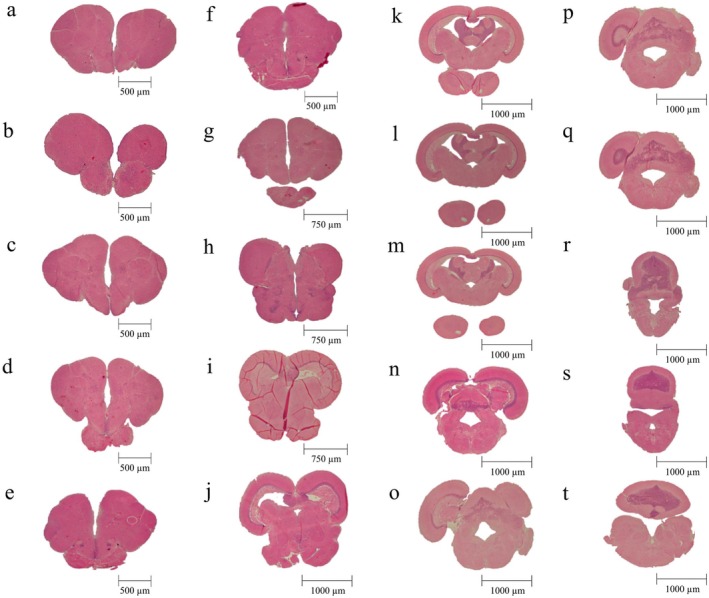 Figure 1
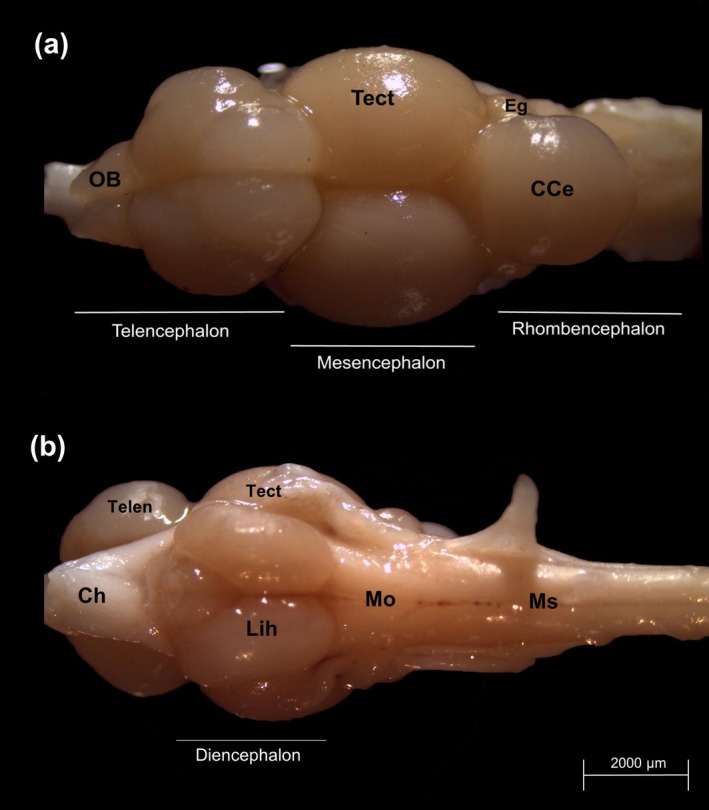 Figure 2
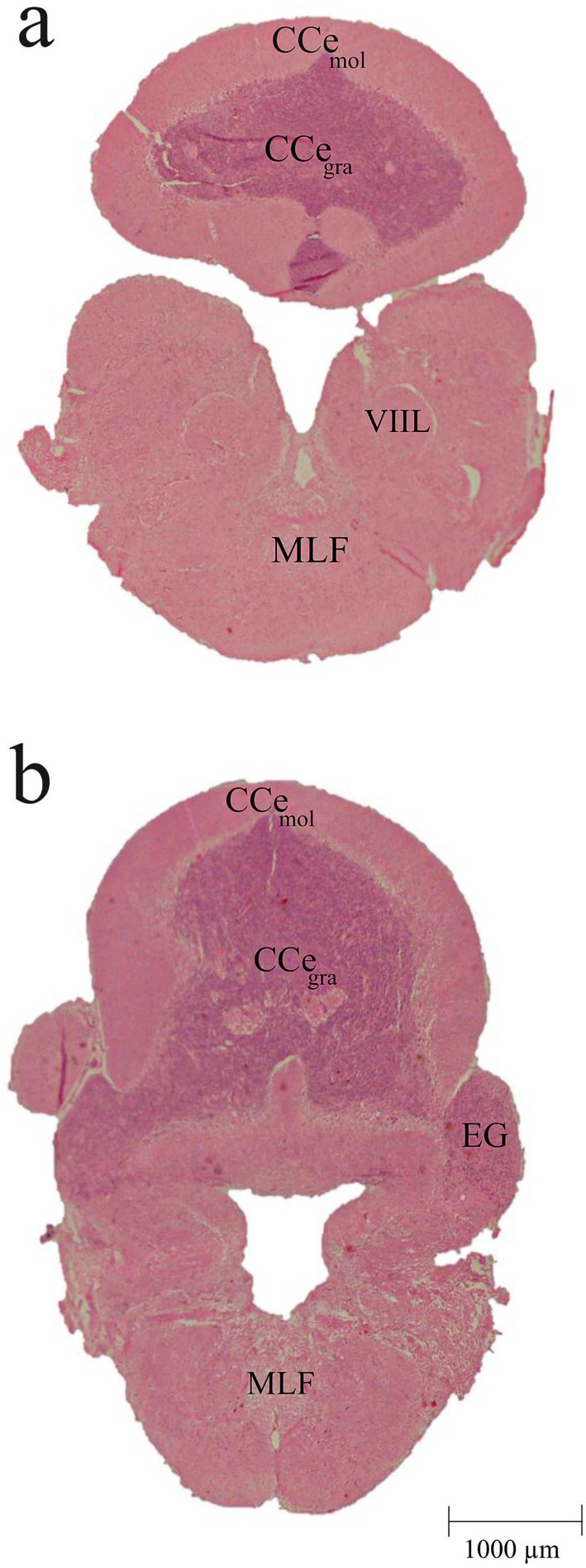 Figure 3
 Figure 4
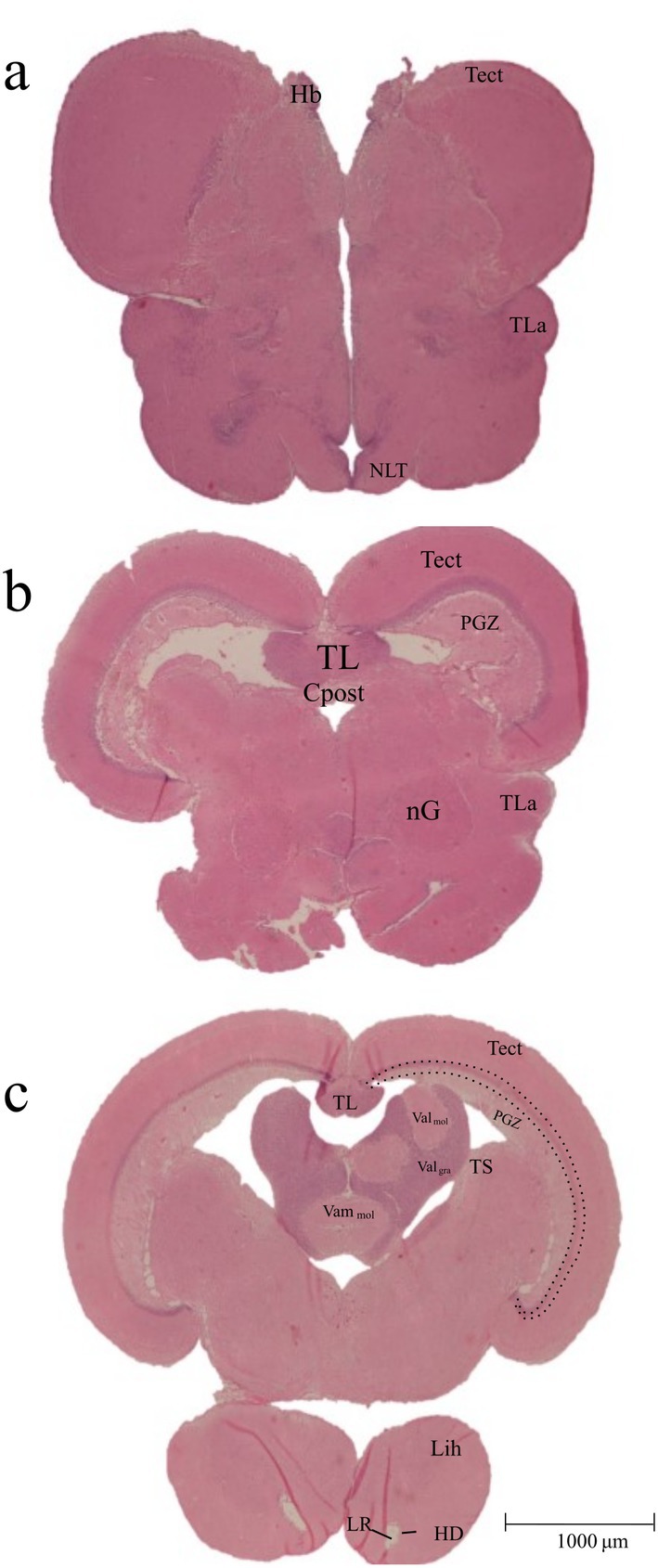 Figure 5
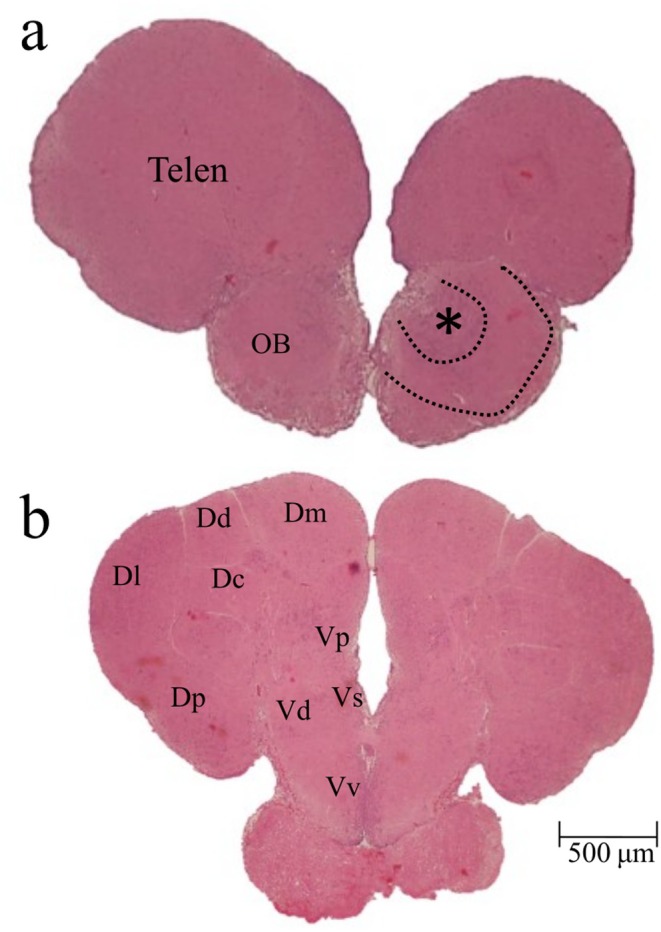 Figure 6
Peer Reviews
No public reviews on file for this paper yet. If you reviewed it on a platform where reviews are public (OpenReview, ICLR, NeurIPS, ICML), you can paste yours below so the community can read it here.
Videos
No videos yet. Explain this paper in a talk, walkthrough, or lecture? Add one.
Taxonomy
TopicsComparative Animal Anatomy Studies · Fish biology, ecology, and behavior · Reproductive biology and impacts on aquatic species