Mechanochemical interactions in cancer cells: The role of substrate stiffness in cell behavior and drug response
Sayed Reza Ramezani, Afsaneh Mojra, Mohammad Tafazzoli-Shadpour

TL;DR
This study explores how the stiffness of the environment affects prostate cancer cell behavior and drug response, finding that softer substrates improve drug effectiveness.
Contribution
The study introduces a novel approach to evaluate the combined effects of substrate stiffness and drug treatments on prostate cancer cells with different metastatic potentials.
Findings
Cells on soft substrates showed a 40–60% increase in cell death compared to 20–30% on stiff substrates.
Drug treatments altered cell mechanics, with Docetaxel reducing elastic modulus and Bicalutamide increasing it.
Soft substrates correlated with lower phalloidin content in cancer cells compared to stiff substrates.
Abstract
Cancer cells adhere to the extracellular matrix, where they sense and respond to variations in substrate stiffness, influencing their proliferation and invasive potential. Numerous studies have examined the biological activities of cells in relation to mechanical forces; however, research addressing the combined effects of mechanical and chemical interactions on cancer cell behavior across different metastatic stages remains limited. Moreover, the influence of chemotherapeutic drugs in the context of specific cellular characteristics remains underexplored. Therefore, in this study, synthetic polyacrylamide gels with varying elastic moduli were utilized to effectively mimic the diversity of host tissue environments for prostate cancer cells. Additionally, cellular behavior of prostate cancer cells with differing metastatic potential—low (LNCaP), medium (DU145), and high (PC3)—was…
Genes, proteins, chemicals, diseases, species, mutations and cell lines named across the full text — each resolved to its canonical identifier and authoritative record.
Click any figure to enlarge with its caption.
 Figure 1
 Figure 2
 Figure 3
 Figure 4
 Figure 5
 Figure 6
 Figure 7
 Figure 8
 Figure 9
 Figure 10
 Figure 11
 Figure 12
 Figure 13
 Figure 14
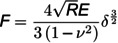 Figure 15
 Figure 16
 Figure 17
 Figure 18
 Figure 19
 Figure 20
 Figure 21
 Figure 22
 Figure 23
 Figure 24
 Figure 25
 Figure 26
 Figure 27
 Figure 28
 Figure 29
 Figure 30
 Figure 31
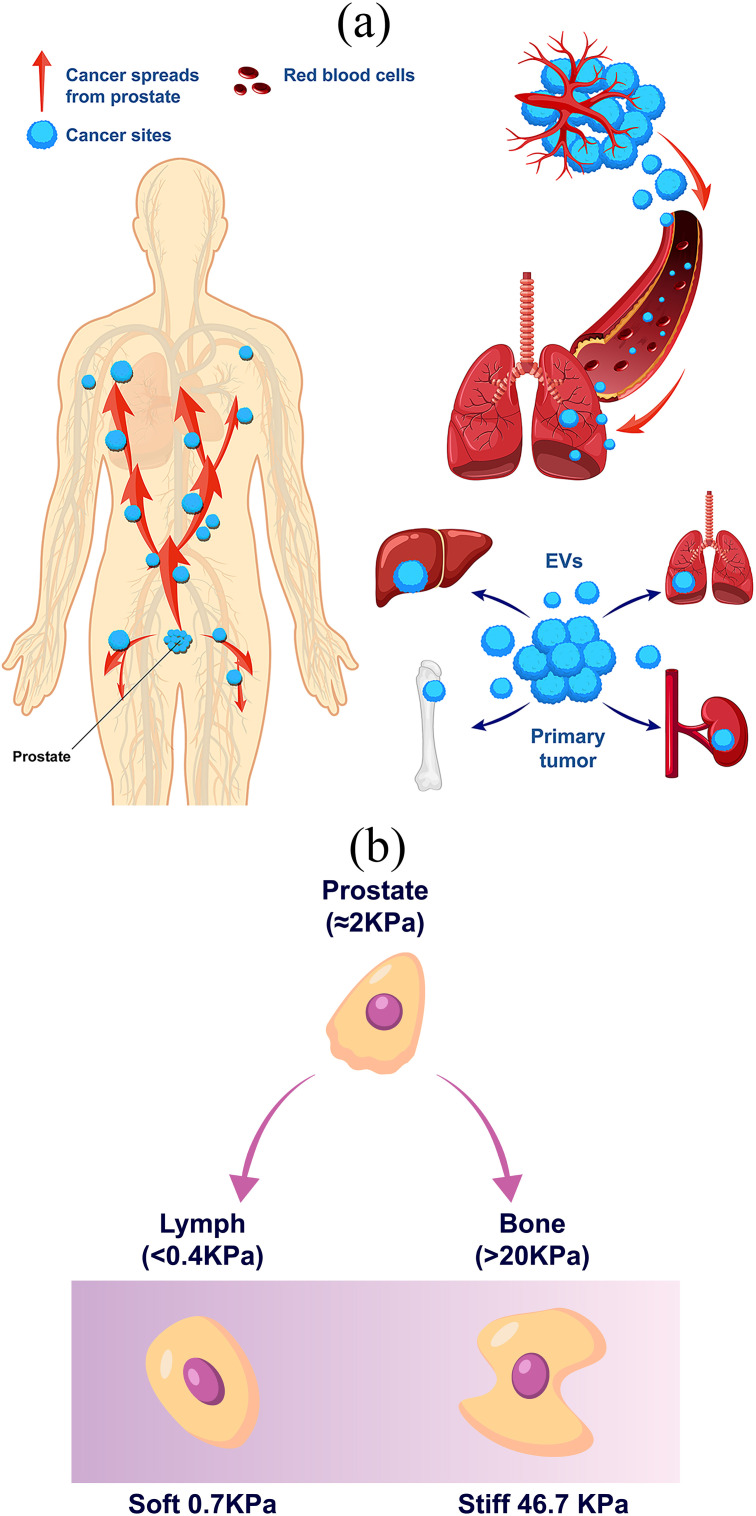 Figure 32
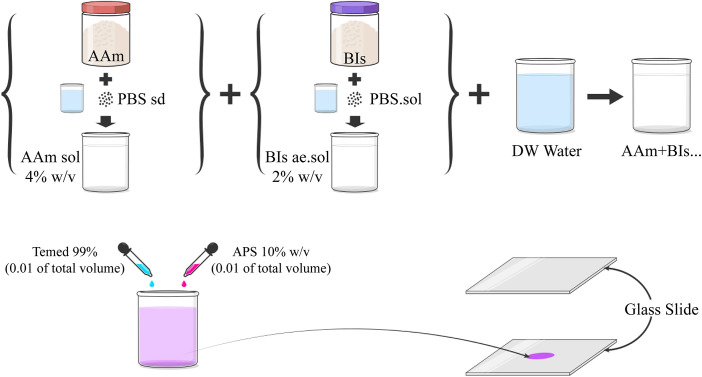 Figure 33
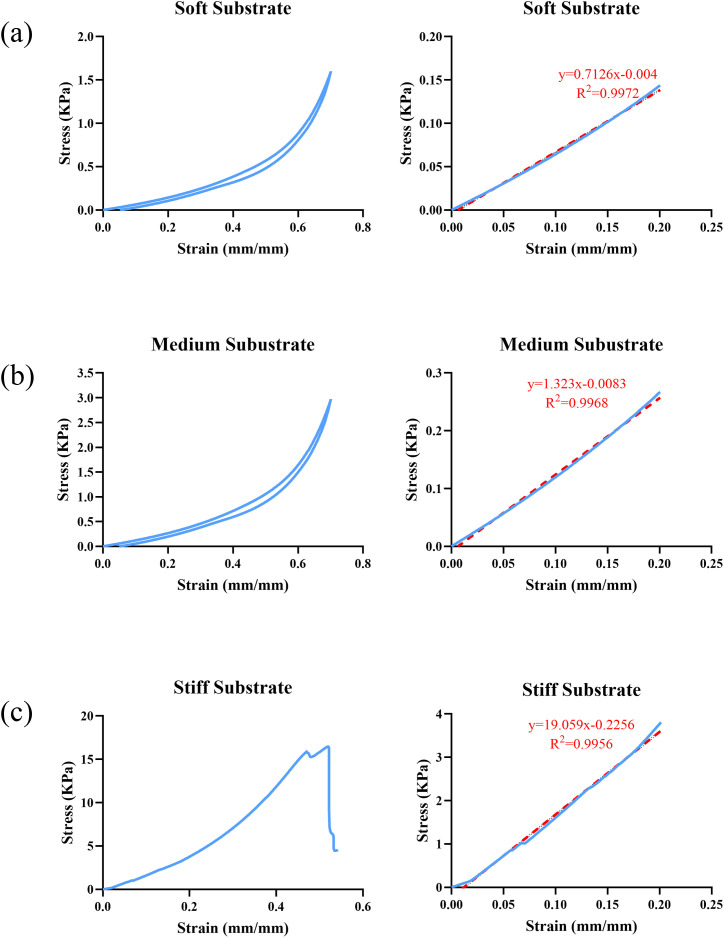 Figure 34
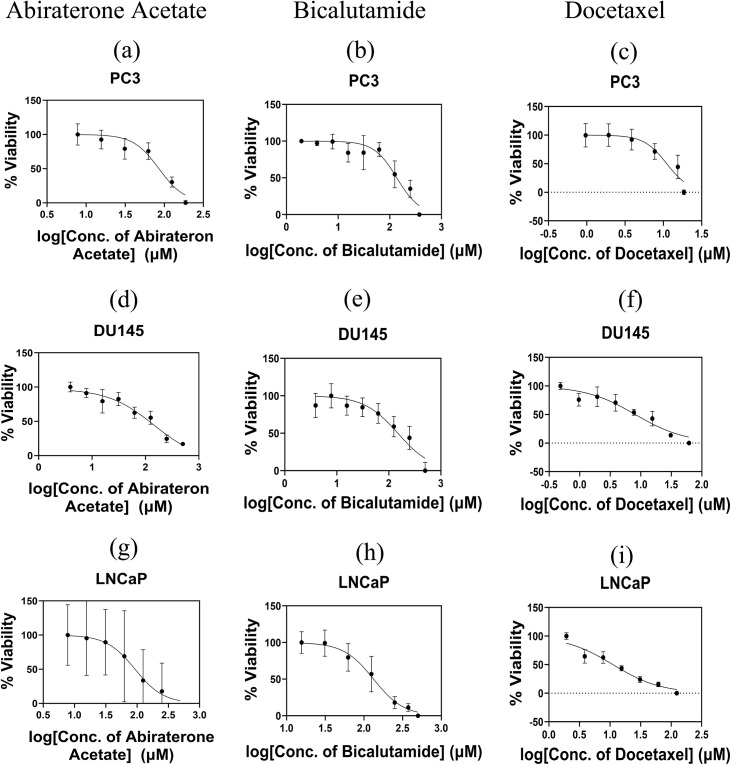 Figure 35
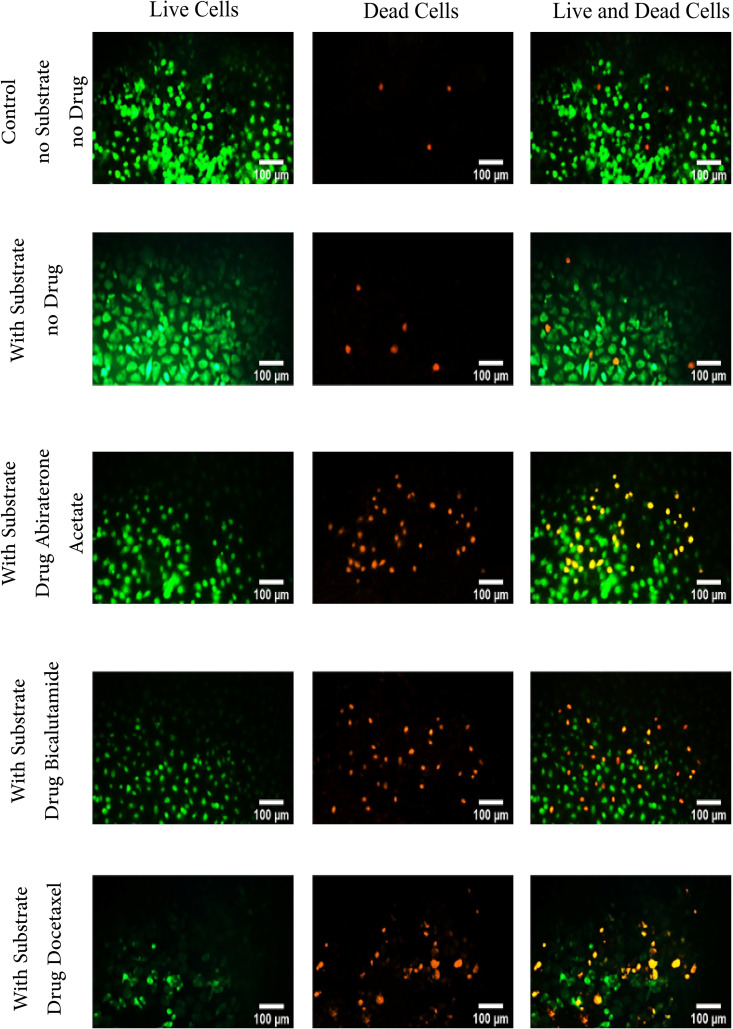 Figure 36
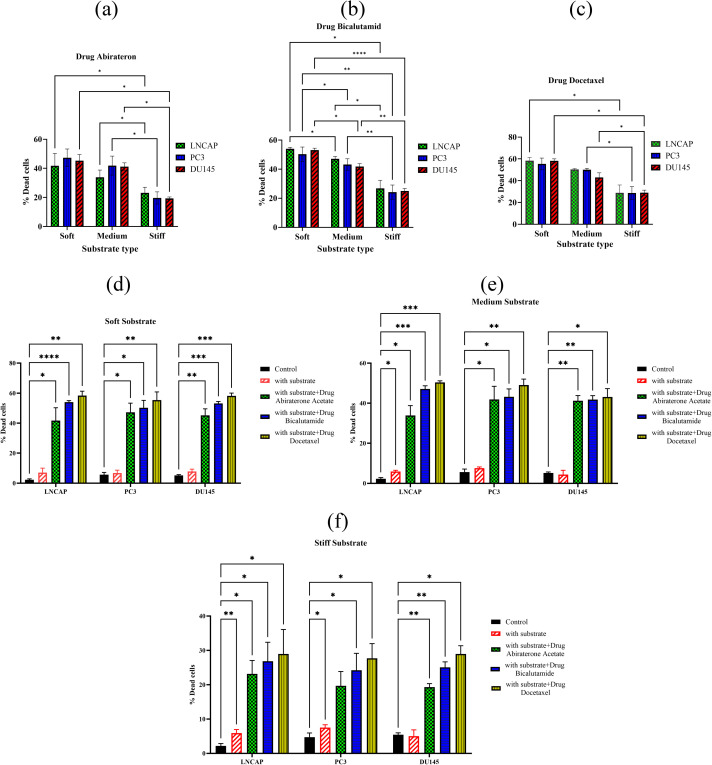 Figure 37
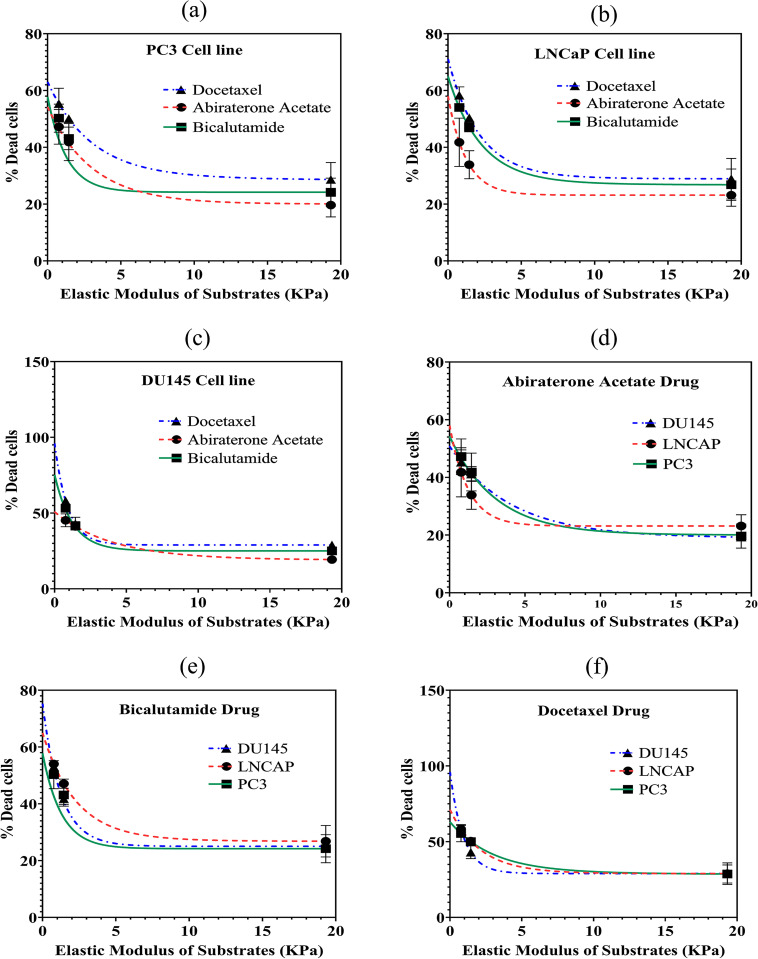 Figure 38
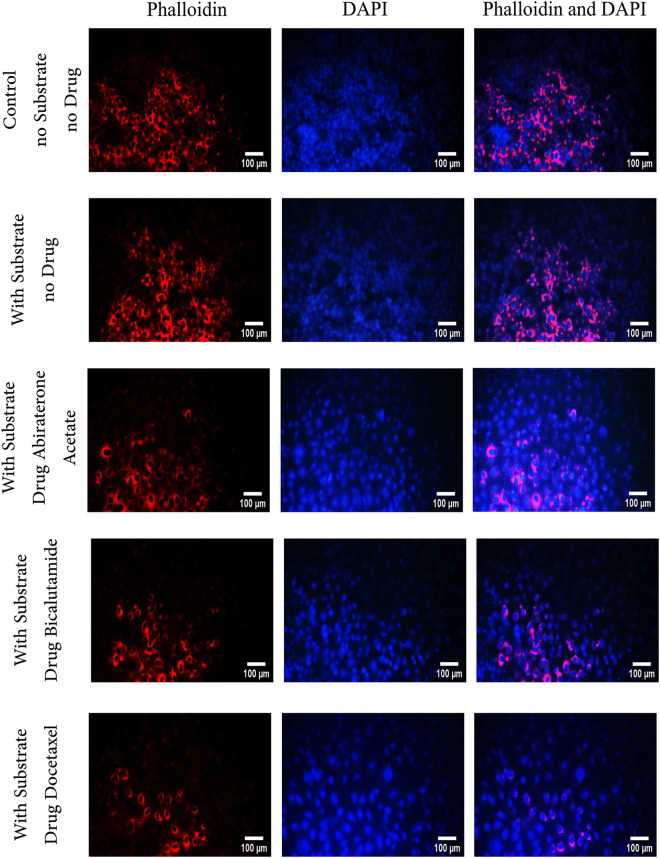 Figure 39
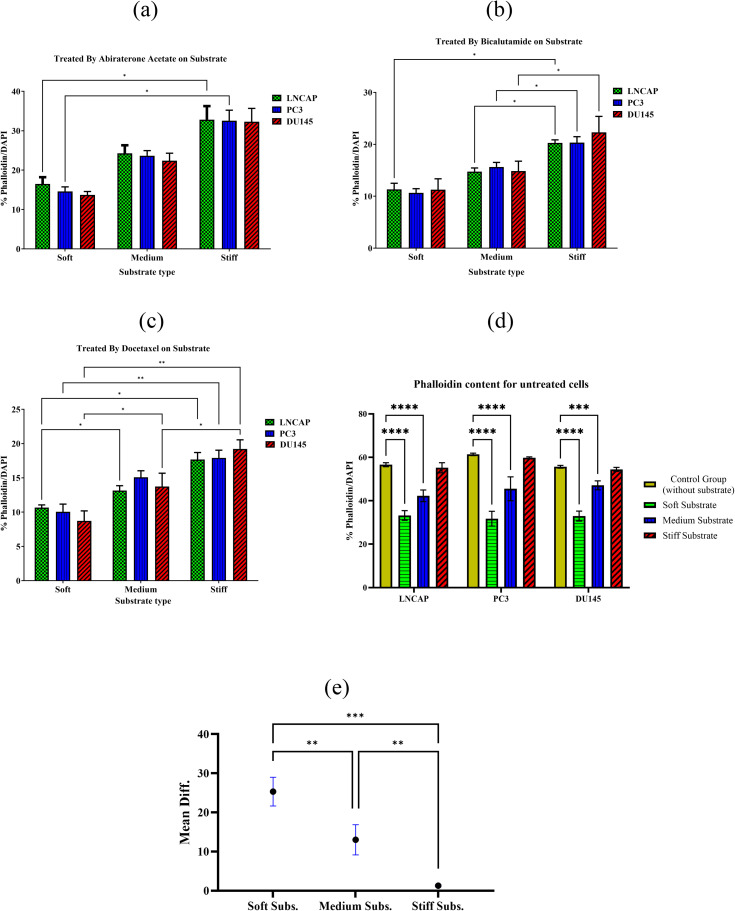 Figure 40
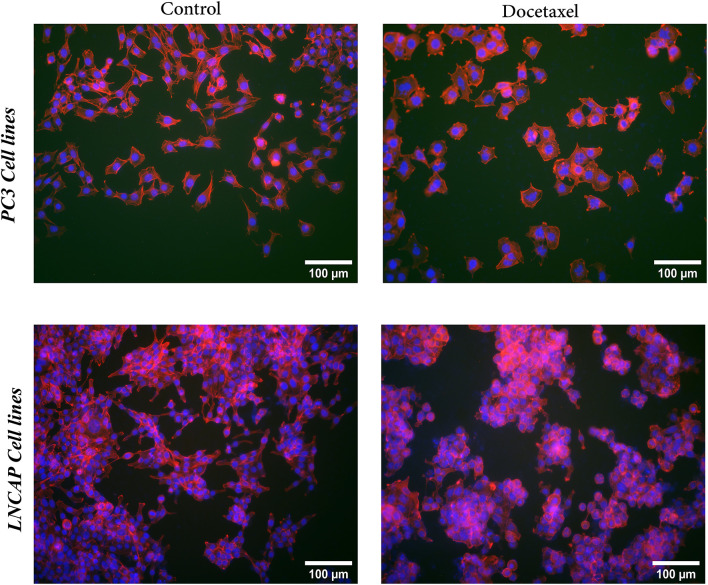 Figure 41
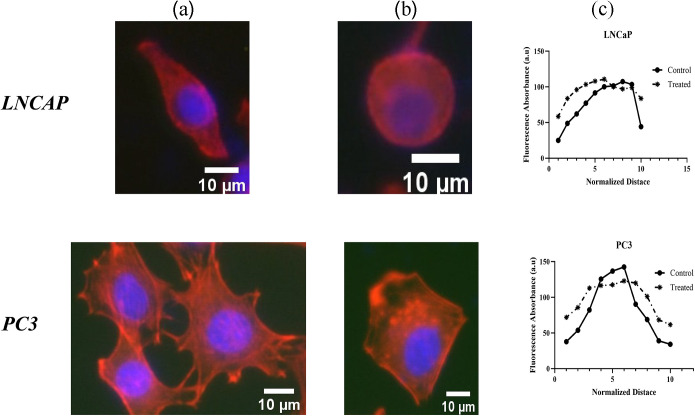 Figure 42
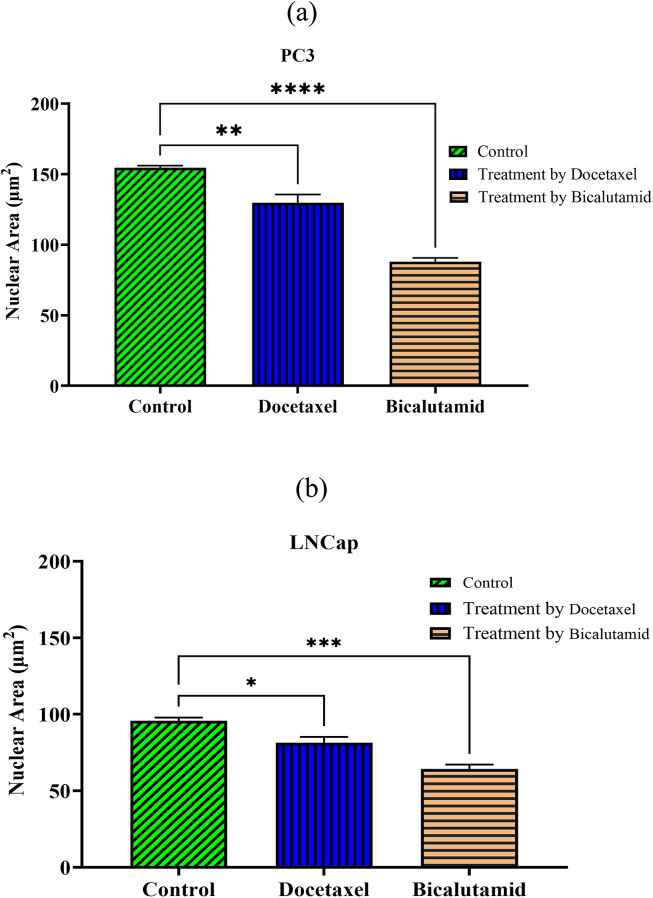 Figure 43
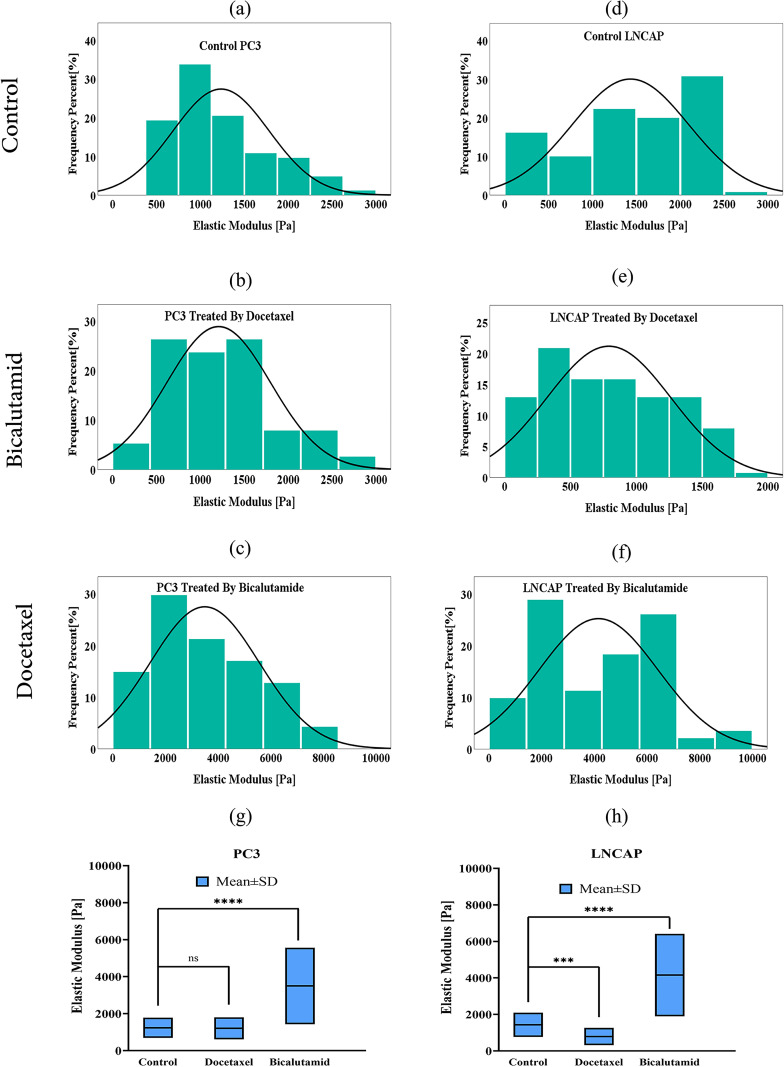 Figure 44
 Figure 45
 Figure 46
 Figure 47
 Figure 48
Peer Reviews
No public reviews on file for this paper yet. If you reviewed it on a platform where reviews are public (OpenReview, ICLR, NeurIPS, ICML), you can paste yours below so the community can read it here.
Videos
No videos yet. Explain this paper in a talk, walkthrough, or lecture? Add one.
Taxonomy
TopicsCellular Mechanics and Interactions · Cell Adhesion Molecules Research · Lipid Membrane Structure and Behavior