Influence of agility training on body-size and object solidity perception in pet dogs
Dario Starić, Lea Arnauer, Sarah Marshall-Pescini, Friederike Range, Brittany N. Florkiewicz, Brittany N. Florkiewicz, Brittany N. Florkiewicz, Brittany N. Florkiewicz

TL;DR
This study explores how agility training affects pet dogs' perception of their body size and object solidity, finding that experience influences body-awareness.
Contribution
The study introduces a novel two-choice paradigm to assess body-awareness in dogs, considering the impact of agility training.
Findings
Dogs could correctly assess their body size but results for shape perception were less conclusive.
Agility-trained dogs showed better shape perception and faster decision-making in certain tasks.
Dogs demonstrated some understanding of material solidity.
Abstract
Several studies suggest that dogs are a suitable model to study body-awareness in a systematic and ecologically relevant manner. However, previous studies used a single door paradigm, which does not allow for the control of motivation and thus may yield false positive results. Moreover, it is unclear how life experience might influence body-awareness. In this study, we tested self body-size and -shape as well as object solidity perception in pet dogs and agility trained dogs in a two-choice paradigm. The subjects had to walk through one of the two openings in a fence to reach a reward. The openings were of different shape and/or size (Experiment 1) or covered by different materials (Experiment 2). Dogs could correctly assess their size, while the results are less conclusive for shape perception. They also showed some understanding of the solidity of materials. Agility dogs took less…
Genes, proteins, chemicals, diseases, species, mutations and cell lines named across the full text — each resolved to its canonical identifier and authoritative record.
Click any figure to enlarge with its caption.
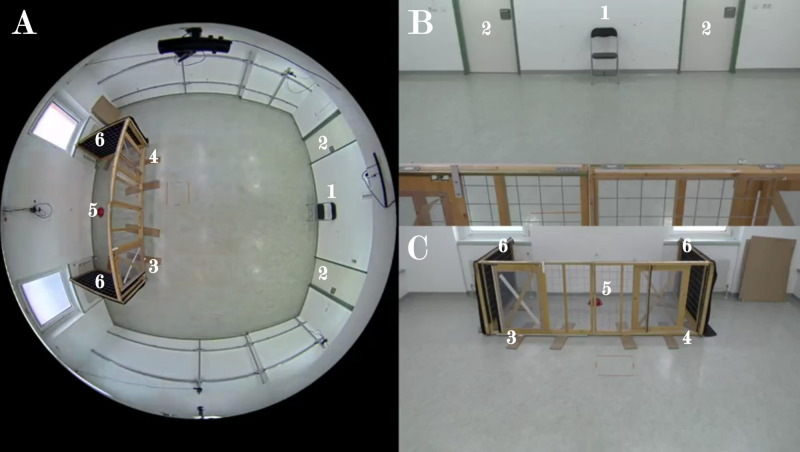 Figure 1
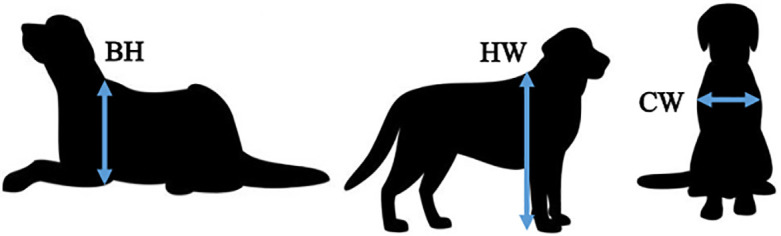 Figure 2
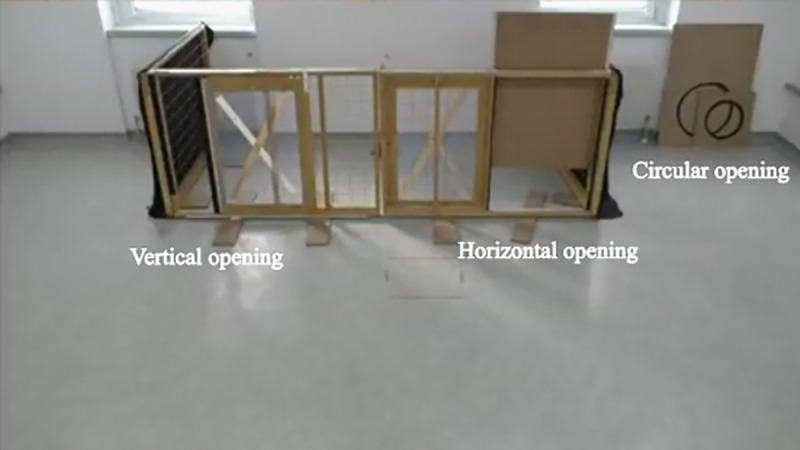 Figure 3
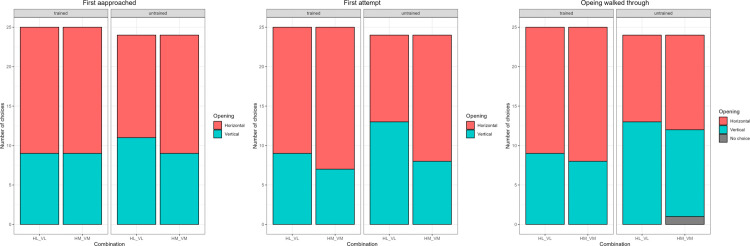 Figure 4
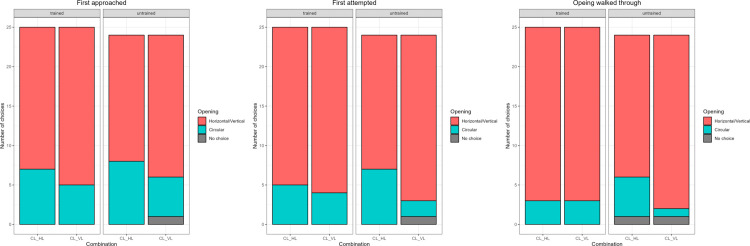 Figure 5
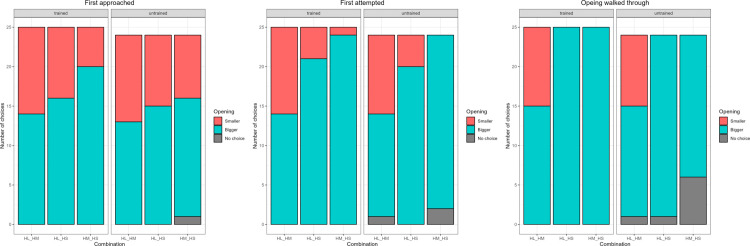 Figure 6
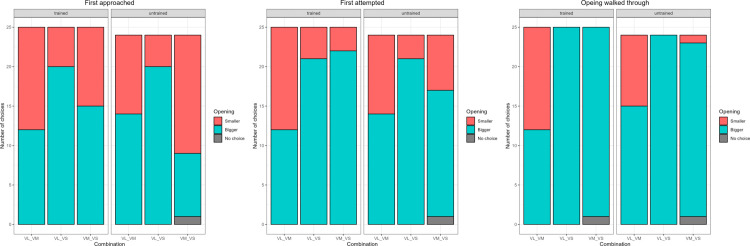 Figure 7
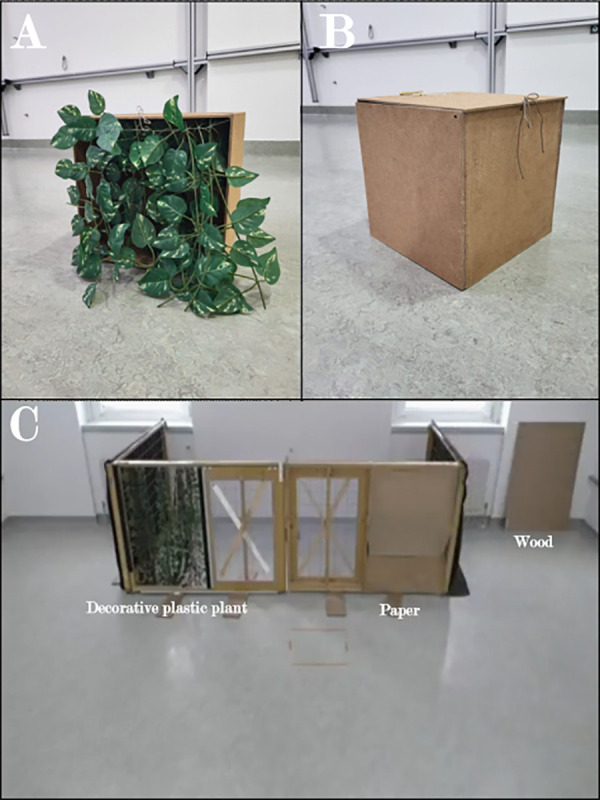 Figure 8
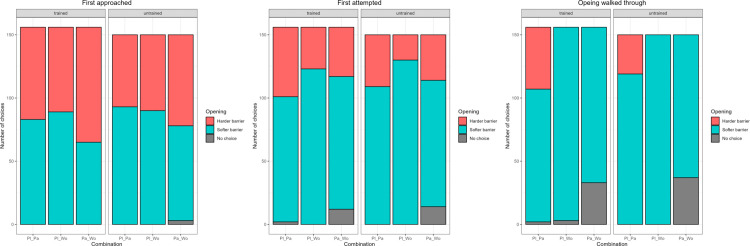 Figure 9
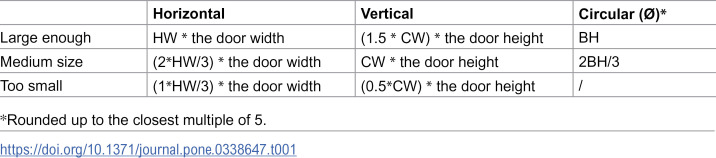 Figure 10
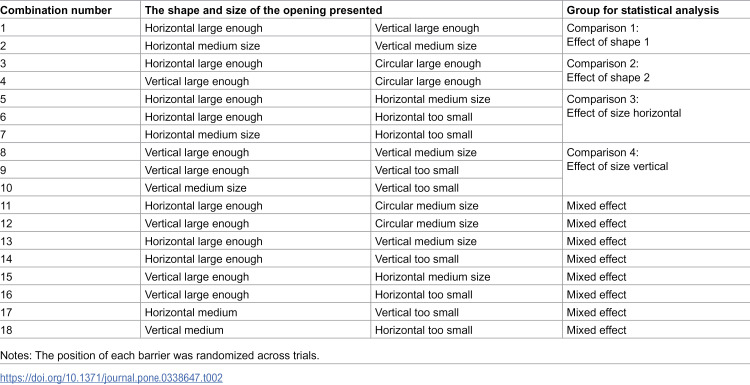 Figure 11
 Figure 12
 Figure 13
 Figure 14
 Figure 15
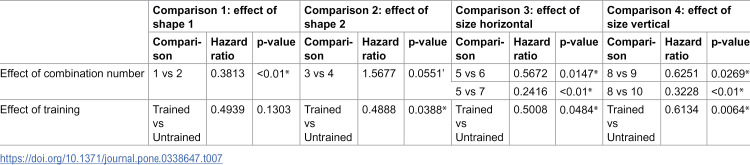 Figure 16
 Figure 17
 Figure 18
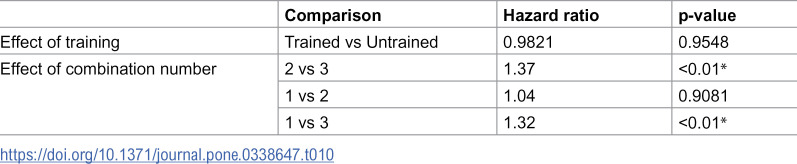 Figure 19
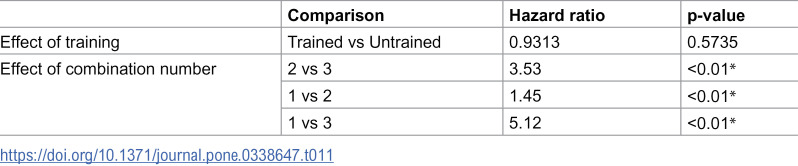 Figure 20
Peer Reviews
No public reviews on file for this paper yet. If you reviewed it on a platform where reviews are public (OpenReview, ICLR, NeurIPS, ICML), you can paste yours below so the community can read it here.
Videos
No videos yet. Explain this paper in a talk, walkthrough, or lecture? Add one.
Taxonomy
TopicsHuman-Animal Interaction Studies · Hemispheric Asymmetry in Neuroscience · Primate Behavior and Ecology