Adjusting for truncated study duration in recurrent event analysis: A weighting approach for clinical trials
John Michael Raj A, Tinku Thomas, Pratibha Dwarkanath, Farshid Danesh, Farshid Danesh, Farshid Danesh

TL;DR
This paper introduces a weighting method to reduce bias in risk estimates caused by early dropout or study termination in clinical trials with recurrent events.
Contribution
A novel time-based weighting approach is proposed to adjust for truncated follow-up in recurrent event analysis.
Findings
The weighted PWP-GT model showed lower bias (1.0% vs. 1.3%) and improved precision in simulations.
Weighting reduced standard errors and produced more conservative hazard ratios in real trial data.
Abstract
In recurrent event analysis with fixed follow-up intervals, truncated follow-up due to early dropout or study termination introduces bias and reduces precision in risk estimates, particularly in clinical trials where shorter observation periods may underestimate event risks. We propose a time-based weighting approach using the ratio of observed-to-expected follow-up duration in the Prentice-Williams-Peterson Gap Time (PWP-GT) model. The method was evaluated in simulations and applied to a double-blinded trial (N = 4000) comparing 500 mg vs. 1500 mg daily calcium supplementation for preeclampsia prevention. For demonstration of the problem and application of the weighting method, drug non-adherence at follow-up visits was considered as the recurrent event. Simulations showed the weighted PWP-GT model had lower bias (1.0% vs. 1.3%) and improved precision compared to the unweighted…
Genes, proteins, chemicals, diseases, species, mutations and cell lines named across the full text — each resolved to its canonical identifier and authoritative record.
Click any figure to enlarge with its caption.
 Figure 1
 Figure 2
 Figure 3
 Figure 4
 Figure 5
 Figure 6
 Figure 7
 Figure 8
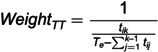 Figure 9
 Figure 10
 Figure 11
 Figure 12
 Figure 13
 Figure 14
 Figure 15
 Figure 16
 Figure 17
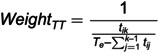 Figure 18
 Figure 19
 Figure 20
 Figure 21
 Figure 22
 Figure 23
 Figure 24
 Figure 25
 Figure 26
 Figure 27
 Figure 28
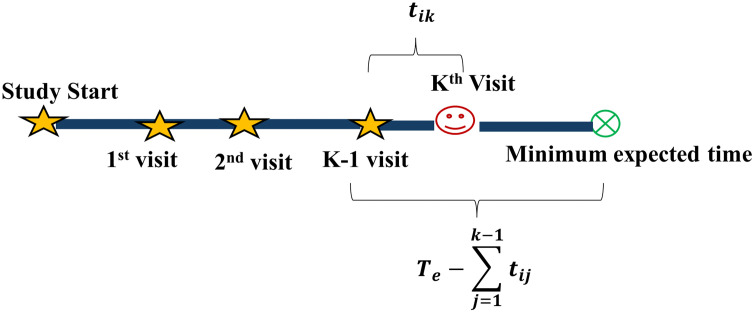 Figure 29
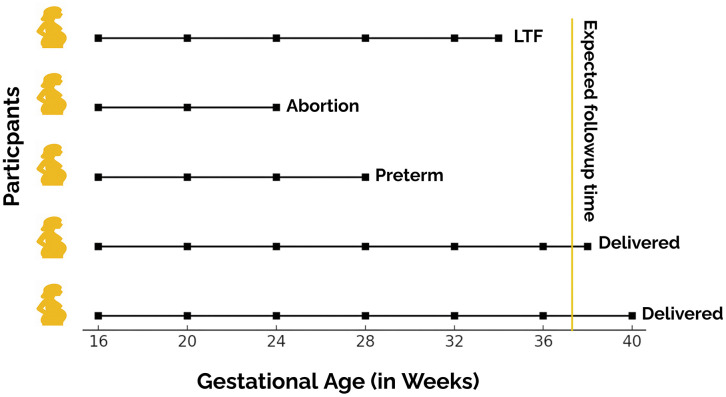 Figure 30
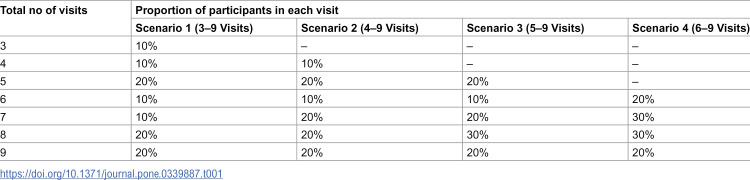 Figure 31
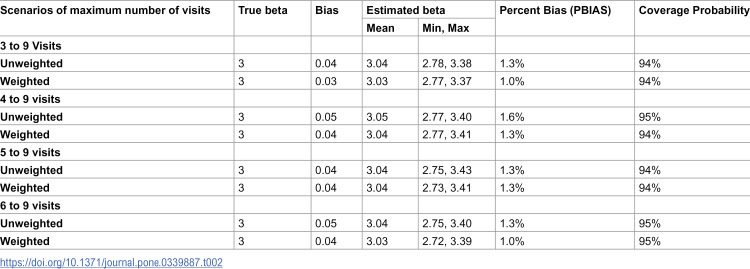 Figure 32
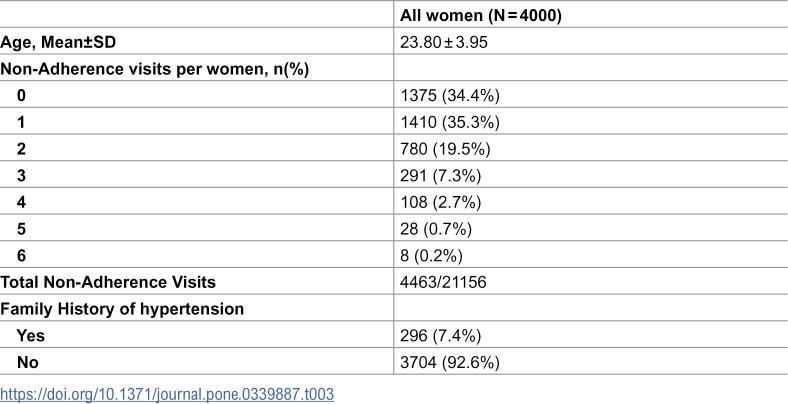 Figure 33
 Figure 34
Peer Reviews
No public reviews on file for this paper yet. If you reviewed it on a platform where reviews are public (OpenReview, ICLR, NeurIPS, ICML), you can paste yours below so the community can read it here.
Videos
No videos yet. Explain this paper in a talk, walkthrough, or lecture? Add one.
Taxonomy
TopicsPregnancy and preeclampsia studies · Advanced Causal Inference Techniques · Genetic Associations and Epidemiology