Identification of stable internal reference genes for expression analysis in the liver and pancreas of diabetic mouse (Mus musculus L.) models under physiological, pathological and treatment conditions
Van Diep Nong, Duc Quan Nguyen, Thi Trang Do, Thi Huong Giang Tran, Thanh Hien Nguyen, Tat Thanh Le, Huy Thinh Tran, Huy Hoang Nguyen

TL;DR
This study identifies the most stable reference genes for gene expression analysis in the liver and pancreas of diabetic mouse models under various conditions.
Contribution
The study provides a validated set of reference genes for accurate RT-qPCR normalization in diabetic mouse models.
Findings
ACT and RPL13A are the most stable reference genes in liver tissue.
UBC and RPL13A are the most stable reference genes in pancreatic tissue.
RPL13A and UBC show the highest stability across both liver and pancreatic tissues.
Abstract
Accurate gene expression analysis via reverse transcription quantitative real-time PCR is vital for studying diabetes mellitus. Accurate and reliable normalization of RT-qPCR data, in accordance with the MIQE guidelines, demands a group of at least two stably expressed reference genes, especially in diabetic models where metabolic dysregulation often alters the profile of gene expression. To identify the best reference genes, this study systematically evaluates the stability of eleven candidate reference genes, including ACT, B2M, GAPDH, HPRT1, PPIA, RPL13A, RPLP0, TBP, UBC, YWHAZ, and 18SRNA, in liver, pancreas, and both types of tissues across four mouse groups of control, obesity, STZ-induced diabetic and treated STZ-diabetic groups. The identification of a robust group of reference genes was conducted by four widely used statistical algorithms of geNorm, NormFinder, BestKeeper, and…
Genes, proteins, chemicals, diseases, species, mutations and cell lines named across the full text — each resolved to its canonical identifier and authoritative record.
Click any figure to enlarge with its caption.
 Figure 1
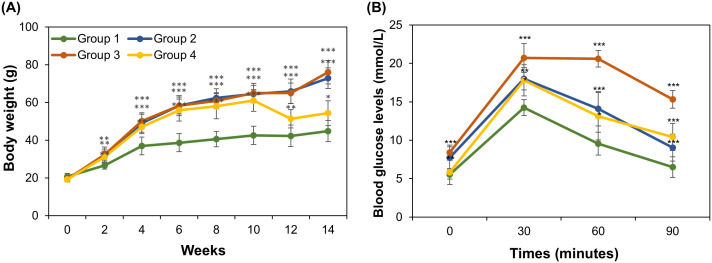 Figure 2
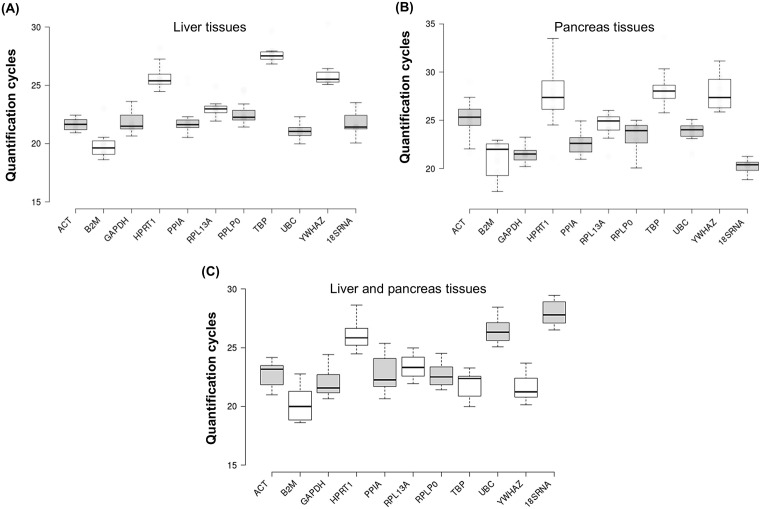 Figure 3
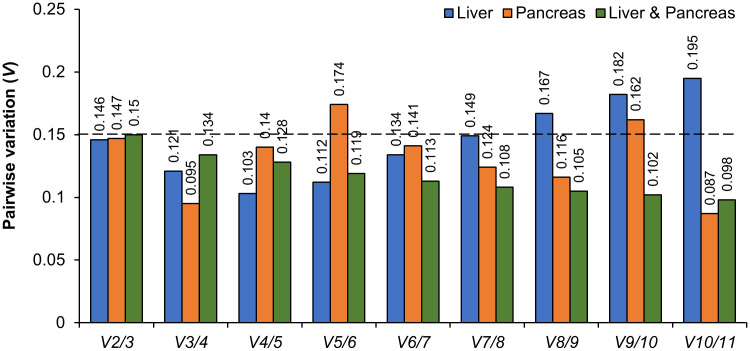 Figure 4
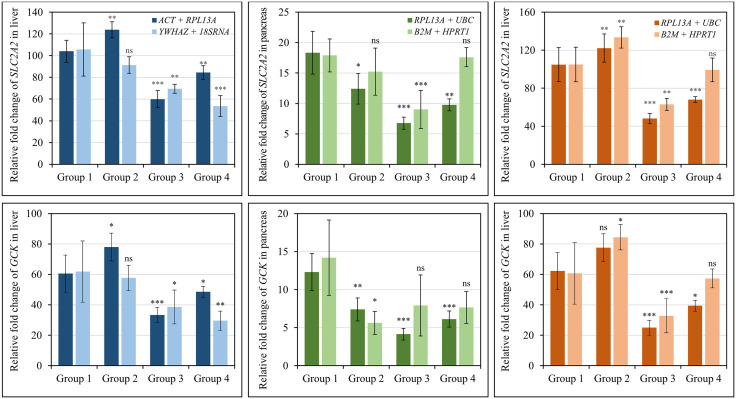 Figure 5
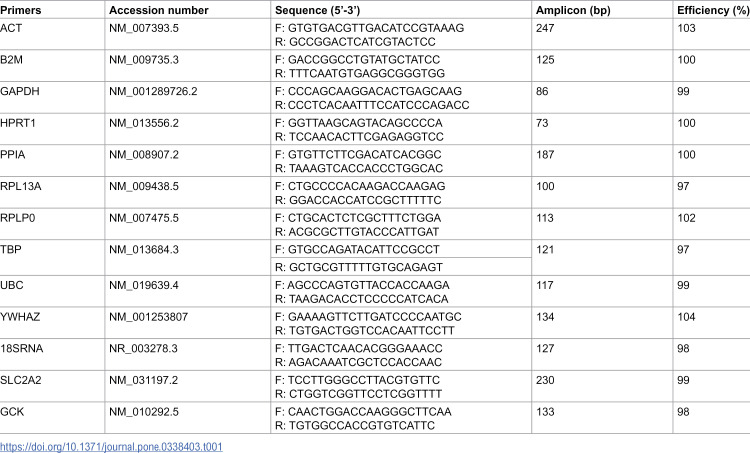 Figure 6
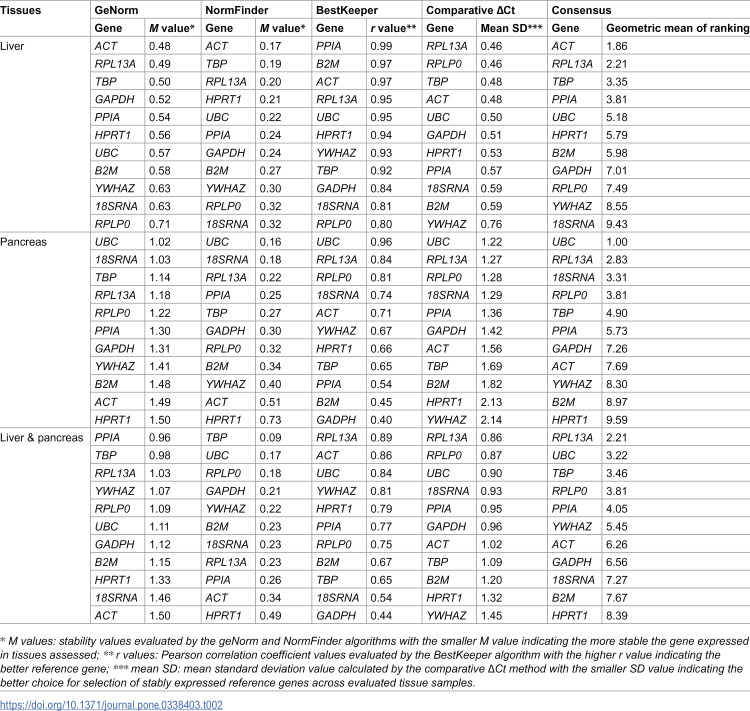 Figure 7
Peer Reviews
No public reviews on file for this paper yet. If you reviewed it on a platform where reviews are public (OpenReview, ICLR, NeurIPS, ICML), you can paste yours below so the community can read it here.
Videos
No videos yet. Explain this paper in a talk, walkthrough, or lecture? Add one.
Taxonomy
TopicsMolecular Biology Techniques and Applications · Gene expression and cancer classification · Peroxisome Proliferator-Activated Receptors