Moltkia coerulea extracts alleviate caspase-3 activity via reducing oxidative stress in LPS-induced neurotoxicity in BV-2 cells
Aslı CAN AĞCA, Derya ALTAY, Hüdaverdi KUL, Aslı F. CEYLAN, Betül SEVER YILMAZ

TL;DR
Moltkia coerulea plant extracts reduce oxidative stress and cell death in brain cells, suggesting potential neuroprotective benefits.
Contribution
The study identifies specific phenolic compounds in M. coerulea that reduce oxidative stress and caspase-3 activity in microglial cells.
Findings
M. coerulea extracts reduced ROS levels and caspase-3 activation in LPS-treated BV-2 cells.
Chlorogenic acid, rosmarinic acid, vanillin, and rutin were identified as key phenolic compounds in the extracts.
Both aqueous and methanolic extracts showed neuroprotective effects in microglial cells.
Abstract
Moltkia coerulea, a medicinal plant traditionally used for its neuroprotective properties, contains diverse phenolic compounds. However, its mechanisms of action in neuroinflammation remain unclear. We hypothesized that extracts of M. coerulea may protect microglial cells from lipopolysaccharide (LPS)-induced oxidative stress and apoptosis by modulating reactive oxygen species (ROS) and caspase-3 activity. Aqueous and methanol extracts (5–50 μg/mL) were tested in BV-2 microglial cells. Cell viability was assessed by MTT assay, while ROS generation and caspase-3 activity were measured using fluorescence-based kits. The effective concentration (10 μg/mL) was selected for mechanistic assays based on viability data and previous studies. The phenolic profile of the plant extracts was determined by liquid chromatography with tandem mass spectrometry (LC/MS/MS). Both extracts improved cell…
Genes, proteins, chemicals, diseases, species, mutations and cell lines named across the full text — each resolved to its canonical identifier and authoritative record.
Click any figure to enlarge with its caption.
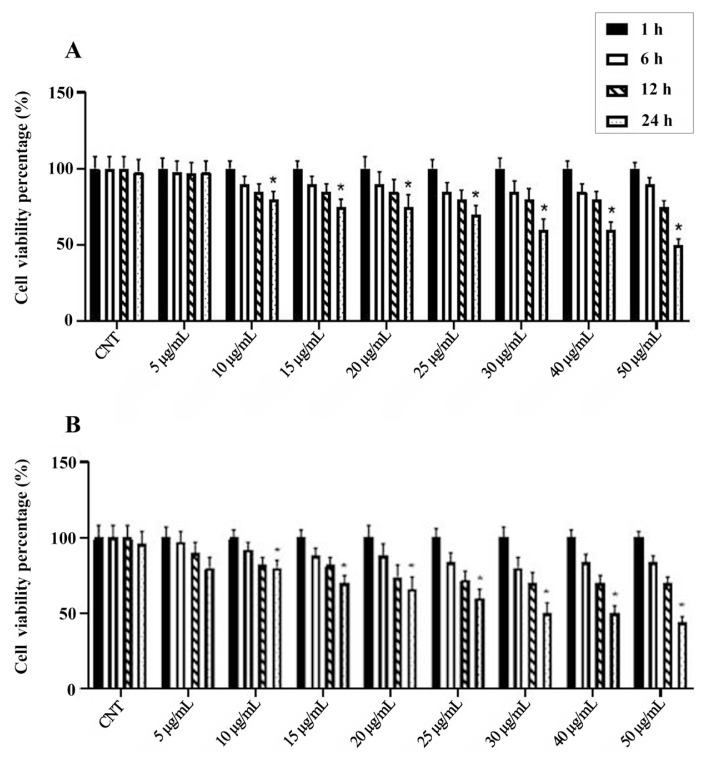 Figure 1
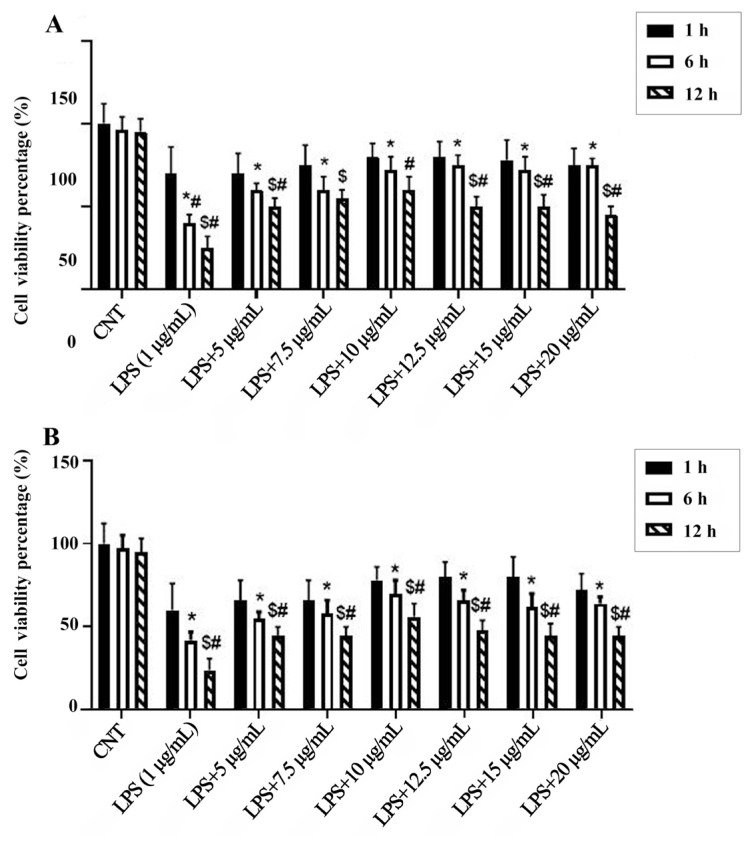 Figure 2
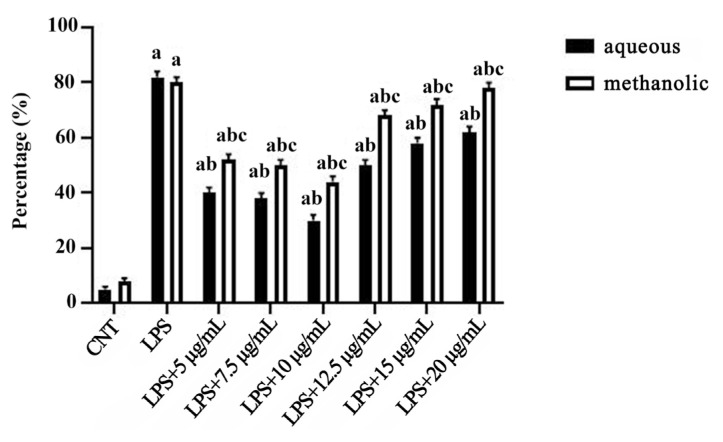 Figure 3
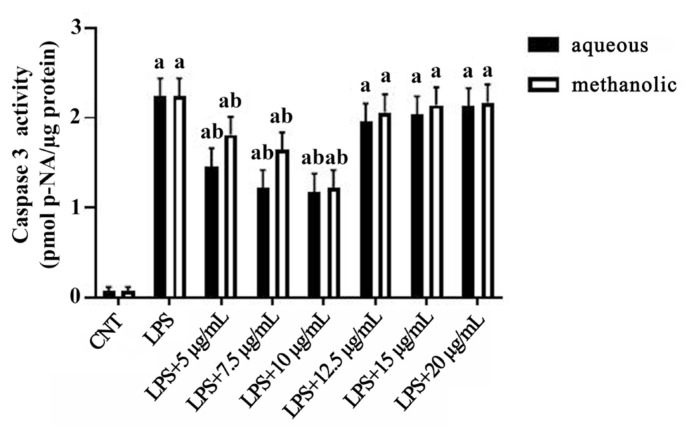 Figure 4
Peer Reviews
No public reviews on file for this paper yet. If you reviewed it on a platform where reviews are public (OpenReview, ICLR, NeurIPS, ICML), you can paste yours below so the community can read it here.
Videos
No videos yet. Explain this paper in a talk, walkthrough, or lecture? Add one.
Taxonomy
TopicsPhytochemistry and Biological Activities · Sesquiterpenes and Asteraceae Studies · Bioactive Natural Diterpenoids Research