Diets and environments of late pleistocene pygmy and Columbian mammoths: Isotopic evidence from Southern California
Chance D. Hannold, Yang Wang, Xiaoming Wang, Regan Dunn, Jonathan Hoffman

TL;DR
This study uses isotopic analysis to compare the diets and environments of pygmy and Columbian mammoths in Late Pleistocene Southern California.
Contribution
The study provides new isotopic evidence on the diets and paleoenvironments of coexisting mammoth species on the mainland and islands.
Findings
Mammoths primarily consumed C3 vegetation, though some ate C4 or CAM plants.
Mainland mammoths had higher δ13C values, suggesting different dietary or environmental conditions.
Island mammoths had δ18O values similar to modern precipitation, while mainland values suggest wetter or cooler conditions.
Abstract
Pygmy mammoths (Mammuthus exilis) and Columbian mammoths (Mammuthus columbi) coexisted on the island of Santarosae (now the Northern Channel Islands of California) until the Late Pleistocene megafaunal extinctions, but the ecology of these mammoths is not yet well explored. In this study, we reconstructed the diets and environments of Late Pleistocene pygmy and Columbian mammoths using stable isotopes in tooth enamel samples from the Northern Channel Islands and Rancho La Brea. The enamel δ13C values indicate that these mammoths primarily consumed C3 vegetation. However, a few individuals consumed significant amounts of C4 plants, CAM plants, or water-stressed woody C3 plants. The mean diet-δ13C value for mainland mammoths (−24.2 ± 1.4‰) is about 2‰ higher than that of island mammoths (−26.4 ± 1.9‰), suggesting that most mainland mammoths consumed either water-stressed C3 vegetation, or…
Genes, proteins, chemicals, diseases, species, mutations and cell lines named across the full text — each resolved to its canonical identifier and authoritative record.
Click any figure to enlarge with its caption.
 Figure 1
 Figure 2
 Figure 3
 Figure 4
 Figure 5
 Figure 6
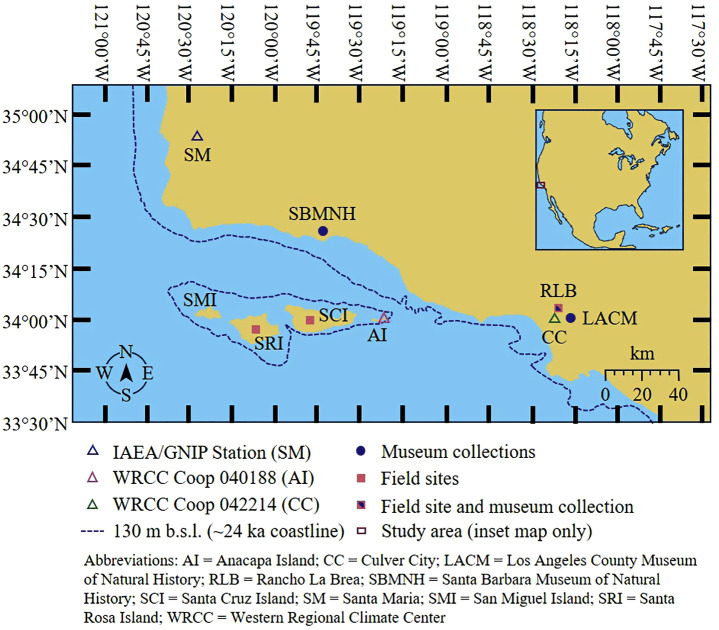 Figure 7
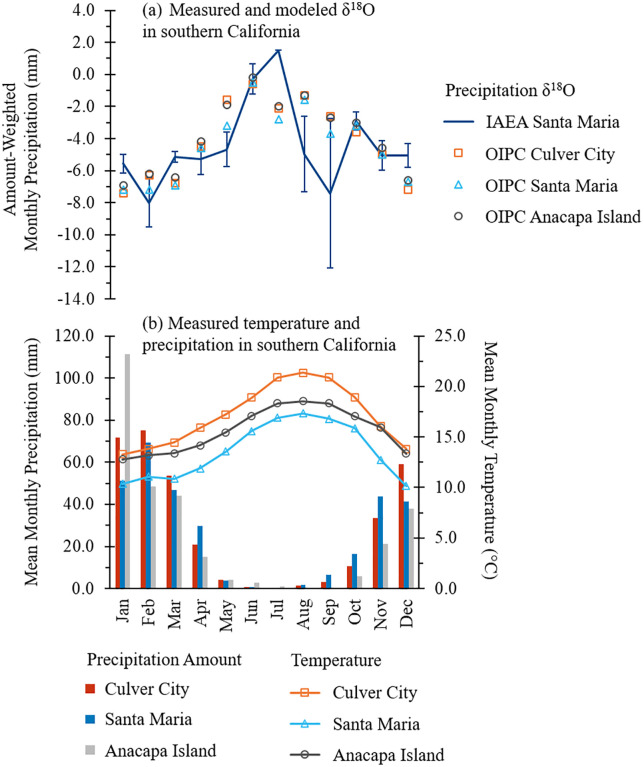 Figure 8
 Figure 9
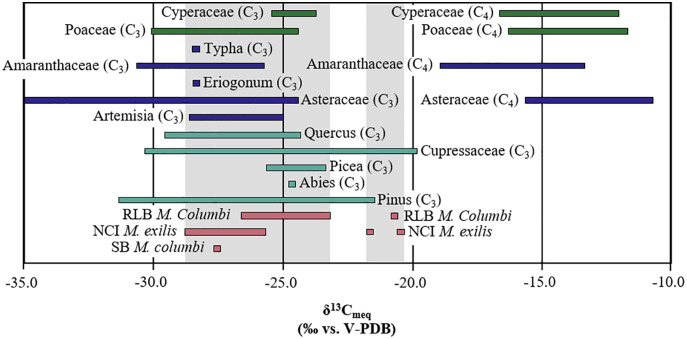 Figure 10
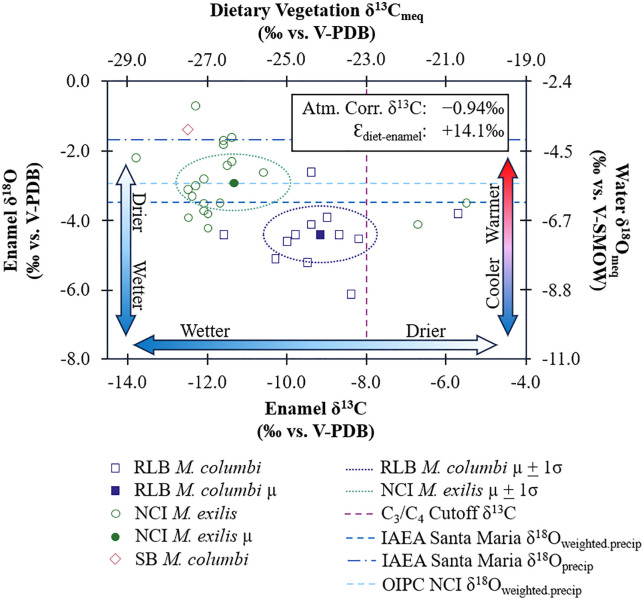 Figure 11
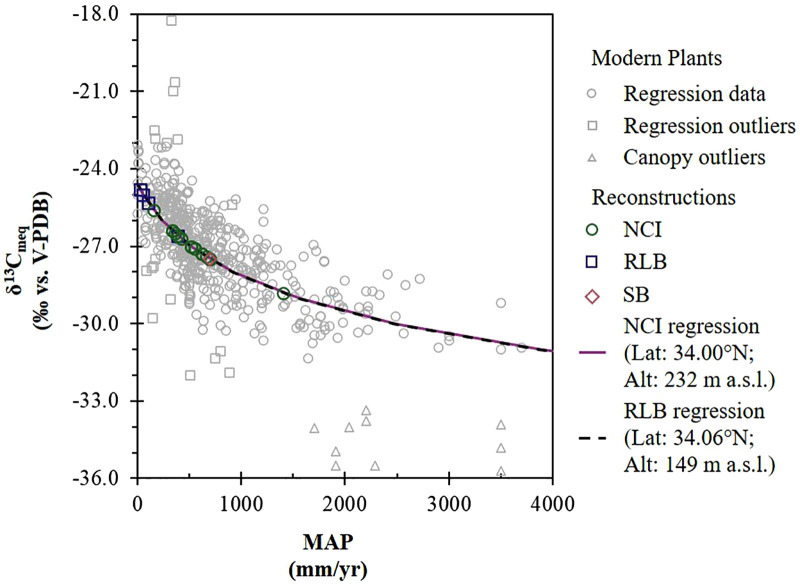 Figure 12
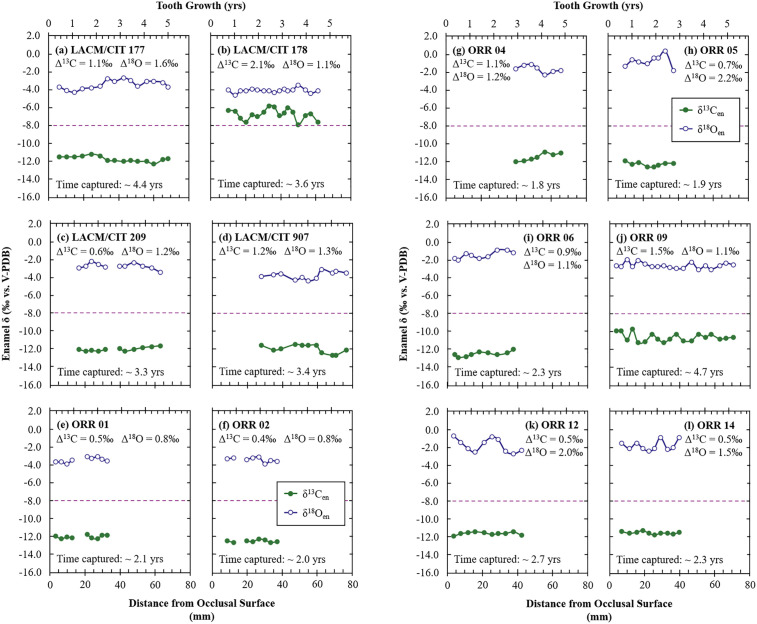 Figure 13
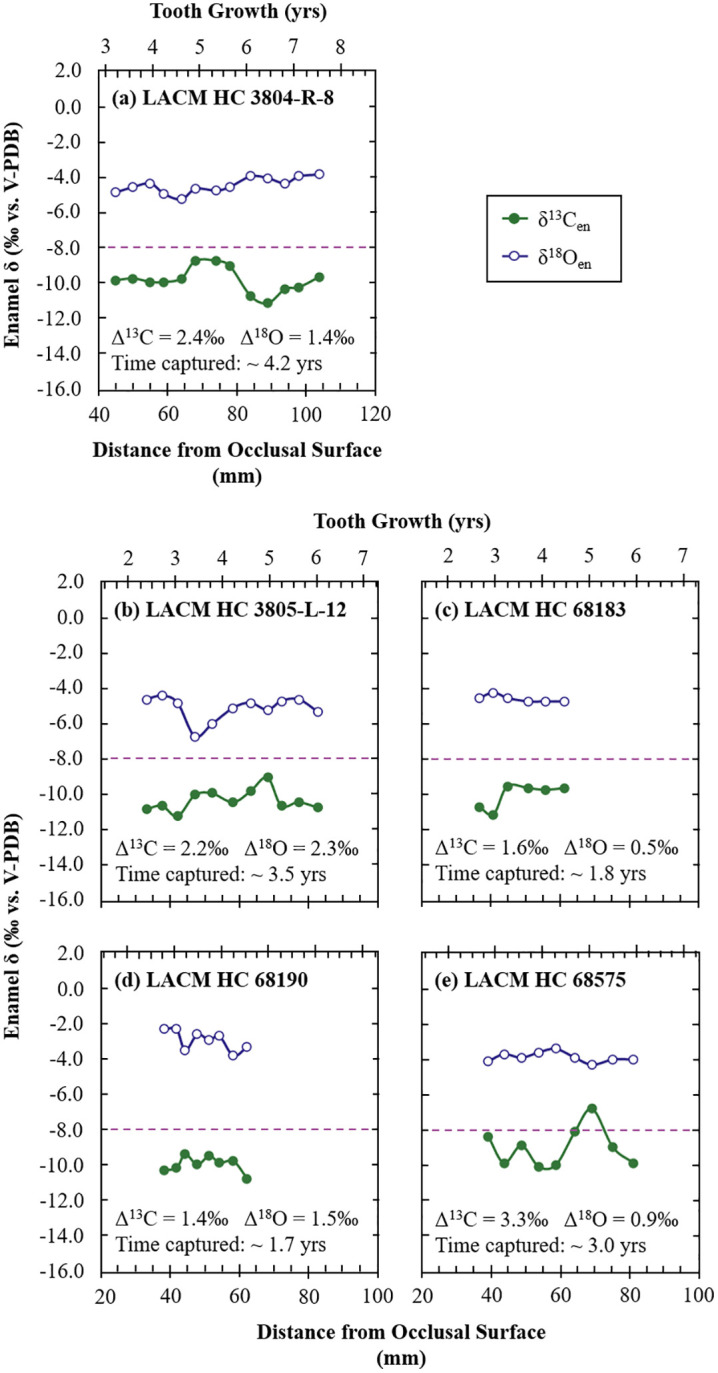 Figure 14
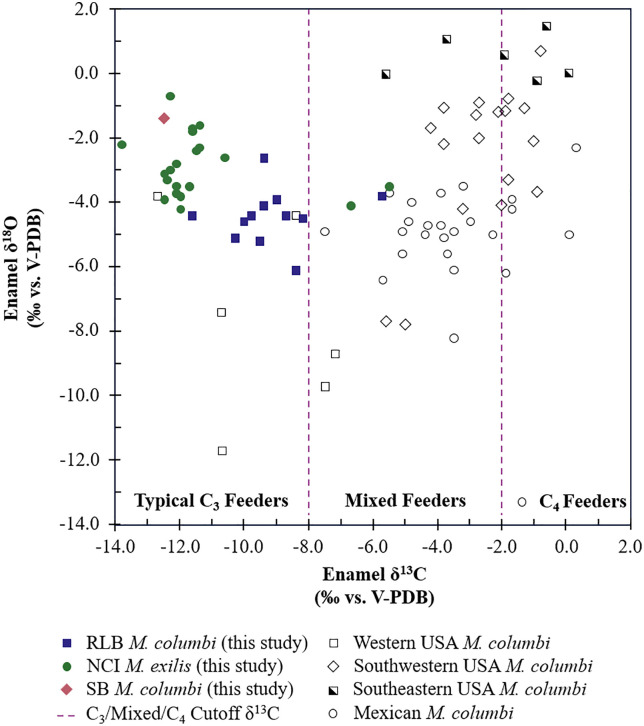 Figure 15
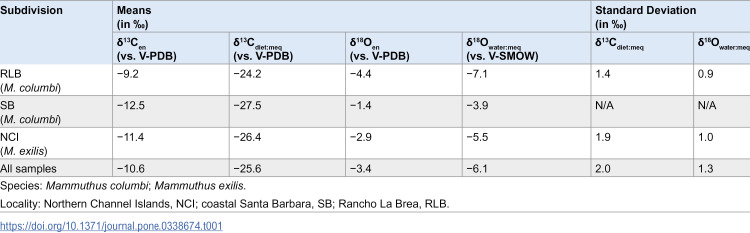 Figure 16
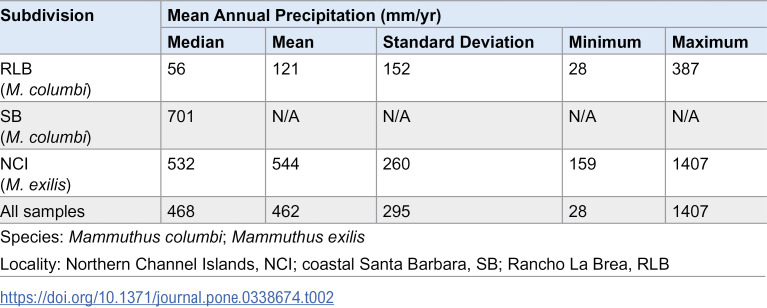 Figure 17
Peer Reviews
No public reviews on file for this paper yet. If you reviewed it on a platform where reviews are public (OpenReview, ICLR, NeurIPS, ICML), you can paste yours below so the community can read it here.
Videos
No videos yet. Explain this paper in a talk, walkthrough, or lecture? Add one.
Taxonomy
TopicsPleistocene-Era Hominins and Archaeology · Evolution and Paleontology Studies · Geology and Paleoclimatology Research