Investigating human paleodiet at Mesolithic Yuzhniy Oleniy Ostrov, Karelia using a multi-proxy stable isotope approach
Rebekka I. I. Eckelmann, Laura Arppe, Rick J. Schulting, Sambit Ghosh, Jakub Trubač, Aneta Kuchařová, Matthew J. Wooller, Dmitry Gerasimov, Vyacheslav Moiseyev, Kristiina Mannermaa

TL;DR
This study uses multiple isotope methods to explore the diet of Mesolithic people in Karelia, revealing a high reliance on freshwater resources and plant foods.
Contribution
The study introduces the first archaeological compound-specific isotope analysis of amino acids in north-western Russia to better understand dietary practices.
Findings
Yuzhniy Oleniy Ostrov shows distinct isotopic patterns with high δ¹⁵N values, indicating a freshwater-based diet.
Results suggest minimal marine or seal contributions and a significant role for plant foods in the diet.
Isotopic data indicate a shared dietary regime with little variability between individuals.
Abstract
This study employs multiple isotopic proxies to investigate dietary practices at Yuzhniy Oleniy Ostrov (YOO, Karelia, north-western Russia), the largest Mesolithic cemetery in northern Europe. Building on previous research, we combine bulk δ¹³C and δ¹⁵N collagen measurements from 60 human individuals with new δ¹³C values on enamel bioapatite (n = 10) and the first archaeological compound-specific isotope analysis of amino acids (CSIA-AA) from north-western Russia (n = 6), to provide a more comprehensive view of local resource use and dietary patterns. Results show that YOO forms a distinct isotopic cluster within the broader circum-Baltic hunter-gatherer-fisher spectrum, characterized by unusually high δ¹⁵N values for an inland site. CSIA-AA and combined enamel-collagen δ¹³C data do not indicate marine contributions or freshwater seal hunting as the drivers of these values, instead…
Genes, proteins, chemicals, diseases, species, mutations and cell lines named across the full text — each resolved to its canonical identifier and authoritative record.
Click any figure to enlarge with its caption.
 Figure 1
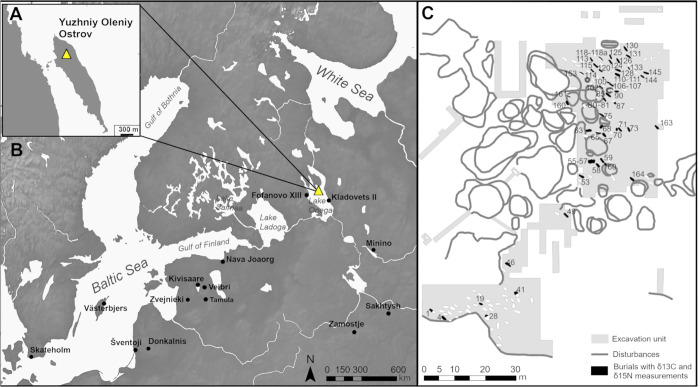 Figure 2
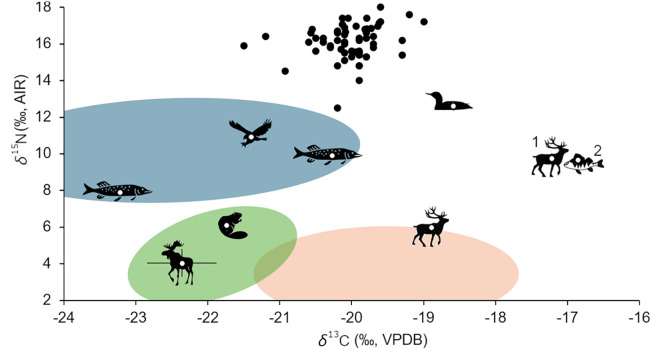 Figure 3
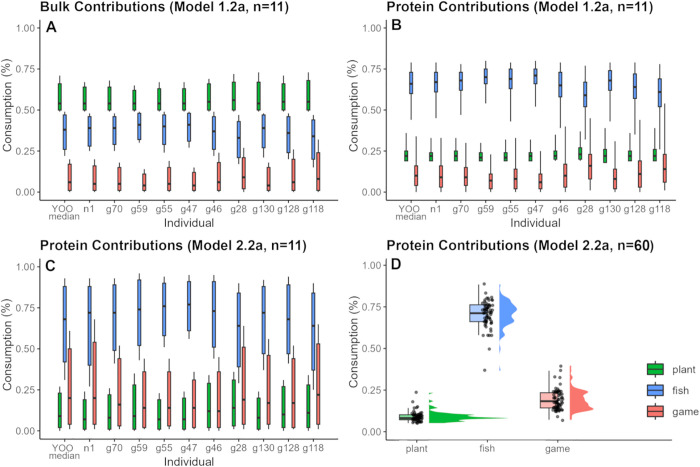 Figure 4
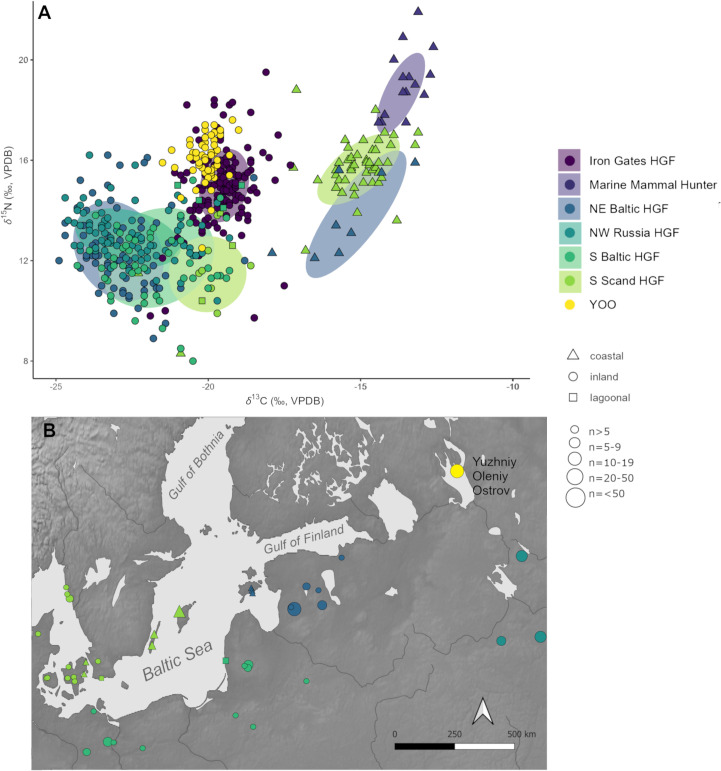 Figure 5
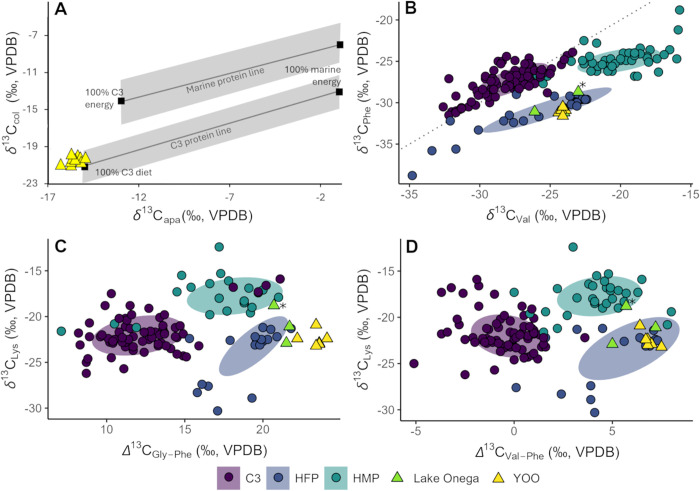 Figure 6
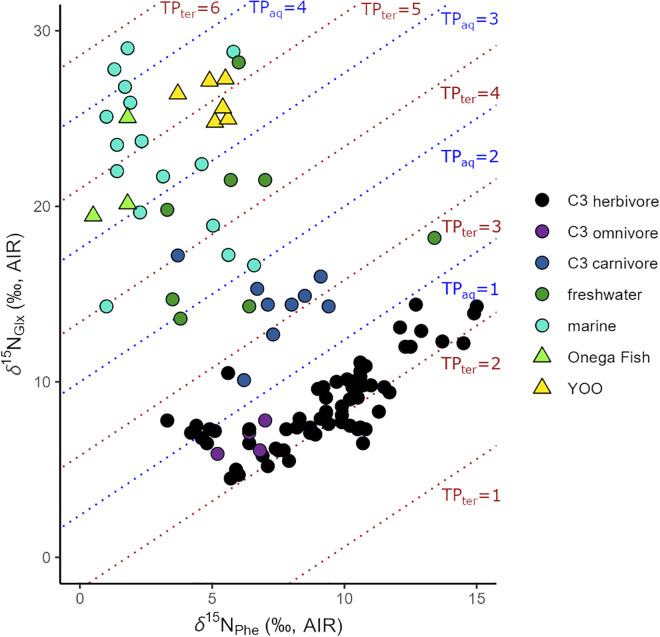 Figure 7
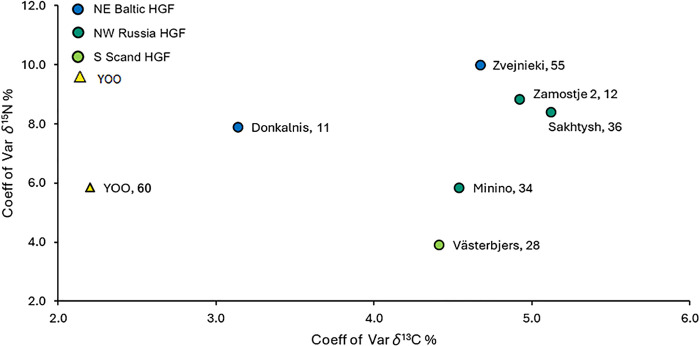 Figure 8
 Figure 9
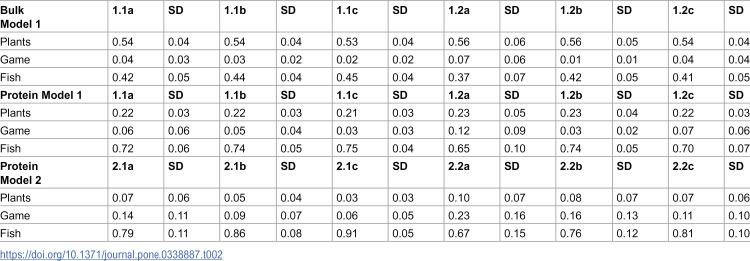 Figure 10
Peer Reviews
No public reviews on file for this paper yet. If you reviewed it on a platform where reviews are public (OpenReview, ICLR, NeurIPS, ICML), you can paste yours below so the community can read it here.
Videos
No videos yet. Explain this paper in a talk, walkthrough, or lecture? Add one.
Taxonomy
TopicsArchaeology and ancient environmental studies · Pleistocene-Era Hominins and Archaeology · Isotope Analysis in Ecology