Prevalence of Schistosoma bovis and Schistosoma haematobium hybrids in endemic communities in Ghana
Yvonne Ashong, Frank Twum Aboagye, Isaac Owusu-Frimpong, Samuel Nyarko, Jewelna Akorli, Linda Batsa Debrah, Samuel Armoo, Alex Yaw Debrah, Dziedzom K. de Souza, Mike Yaw Osei-Atweneboana, David Munisi, David Munisi, David Munisi, David Diemert, David Diemert

TL;DR
This study found that a significant portion of Schistosoma infections in Ghana are actually hybrids or different species than previously thought, highlighting the need for better diagnostics and control strategies.
Contribution
The study provides new insights into the prevalence of Schistosoma bovis and hybrid infections in Ghana using molecular methods.
Findings
33.33% of samples initially identified as S. haematobium were actually S. bovis.
11.49% of cases were identified as S. bovis and S. haematobium hybrids.
Prevalence rates varied significantly between districts and age groups.
Abstract
Schistosomiasis, a debilitating parasitic disease caused by Schistosoma species, poses significant public health challenges in tropical regions, particularly in sub-Saharan Africa. There is growing evidence of species hybridization which may affect transmission dynamics, host range, and treatment resistance and hamper effective control strategies. This study investigated the prevalence and genetic diversity of Schistosoma bovis and Schistosoma haematobium hybrids in endemic communities in Ghana. A cross-sectional study was conducted with urine samples collected from 840 schoolchildren in Ga South and Birim North districts. Microscopy was used for initial screening, followed by molecular characterization and sequencing to confirm species identification and detection of hybrids. Prevalence rates were calculated, and genetic analyses were performed using phylogenetic methods based on the…
Genes, proteins, chemicals, diseases, species, mutations and cell lines named across the full text — each resolved to its canonical identifier and authoritative record.
Click any figure to enlarge with its caption.
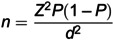 Figure 1
 Figure 2
 Figure 3
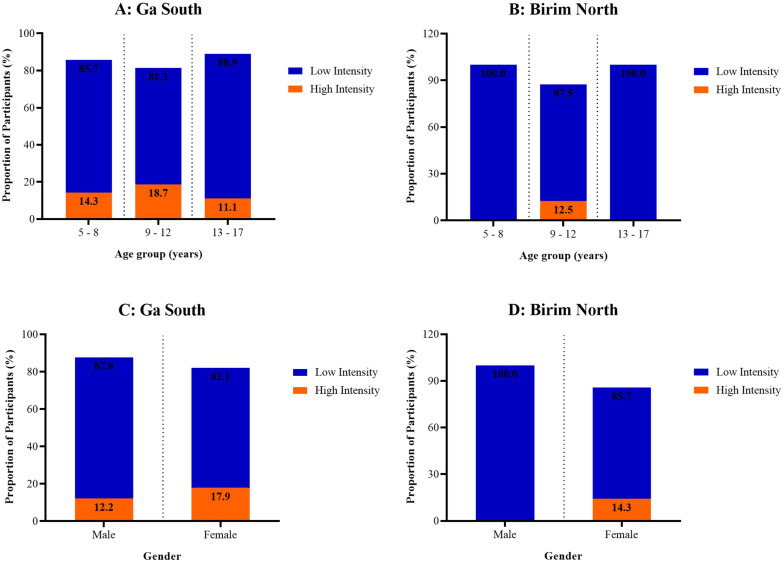 Figure 4
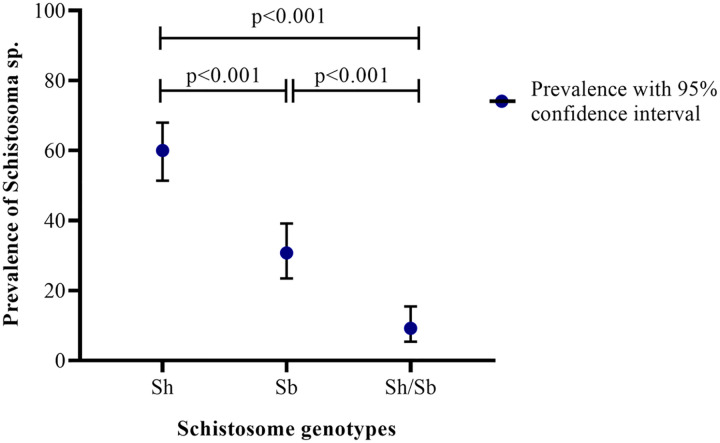 Figure 5
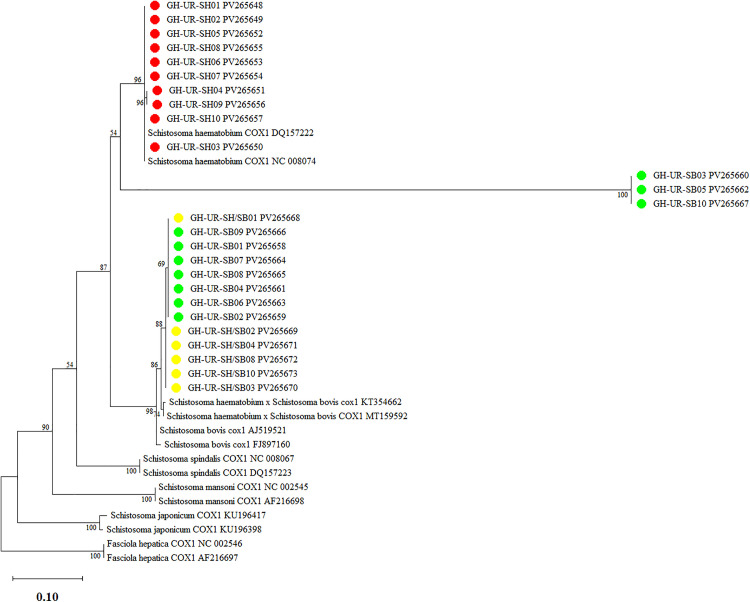 Figure 6
 Figure 7
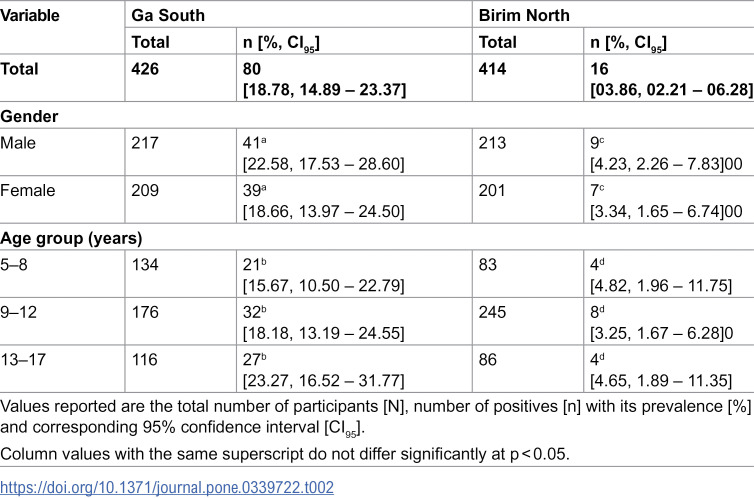 Figure 8
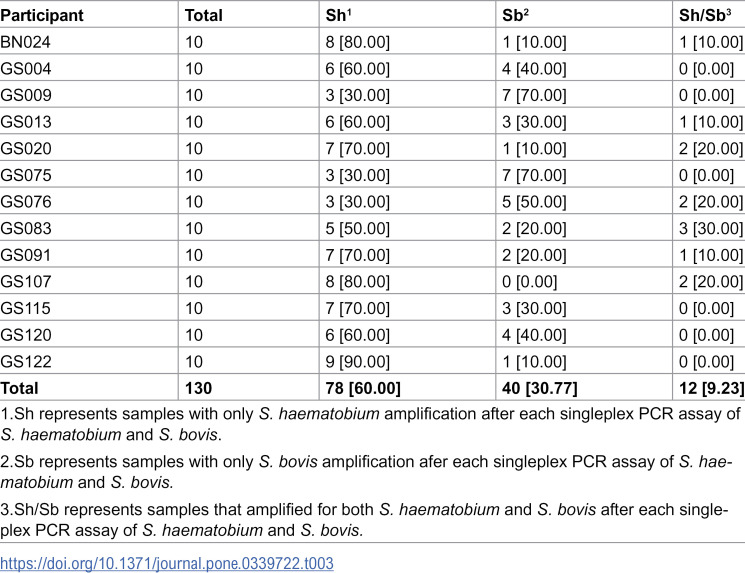 Figure 9
Peer Reviews
No public reviews on file for this paper yet. If you reviewed it on a platform where reviews are public (OpenReview, ICLR, NeurIPS, ICML), you can paste yours below so the community can read it here.
Videos
No videos yet. Explain this paper in a talk, walkthrough, or lecture? Add one.
Taxonomy
TopicsParasites and Host Interactions · Research on Leishmaniasis Studies · Parasite Biology and Host Interactions