RIPK3 inhibitor GSK872 targets angiotensin II induced cardiomyocyte hypertrophy by regulating Ca2+/ calmodulin dependent protein kinase II
Jingjing Zhang, Huijie Yu, Yuxin Yang, Ajie Liu, Peng Wang

TL;DR
This study shows that the RIPK3 inhibitor GSK872 reduces heart cell enlargement caused by AngII by controlling CaMKII activity and oxidative stress.
Contribution
The study identifies a novel mechanism by which GSK872 alleviates AngII-induced cardiomyocyte hypertrophy through RIPK3 and CaMKII regulation.
Findings
GSK872 reduces AngII-induced cardiomyocyte hypertrophy by inhibiting RIPK3 and CaMKII activation.
Treatment with GSK872 corrects CaMKIIδ splicing and reduces oxidative stress and mitochondrial dysfunction.
Inhibiting RIPK3 with GSK872 shows protective effects against myocardial dysfunction and regulated necrosis.
Abstract
Receptor interacting protein kinase 3 (RIPK3) plays a crucial role in the signaling pathway of necrotic apoptosis, and calcium/calmodulin dependent protein kinase II (CaMKII) is a novel substrate for RIPK3 induced regulated necrosis. The aim of this study is to investigate the regulation and mechanism of RIPK3 on AngII induced cardiomyocyte hypertrophy. Using AngII to stimulate myocardial cells for 72 hours, inducing myocardial cell hypertrophy; Intervention of RIPK3 expression using RIPK3 inhibitor GSK872. Detect indicators related to myocardial hypertrophy, cell damage, regulatory necrosis, CaMKII activation and gene expression, oxidative stress, mitochondrial membrane potential, etc. After AngII stimulation of cardiomyocytes, the expression of hypertrophy markers ANP and BNP increased, LDH release increased, ATP levels decreased, splicing factors ASF and SC35 expression increased,…
Genes, proteins, chemicals, diseases, species, mutations and cell lines named across the full text — each resolved to its canonical identifier and authoritative record.
Click any figure to enlarge with its caption.
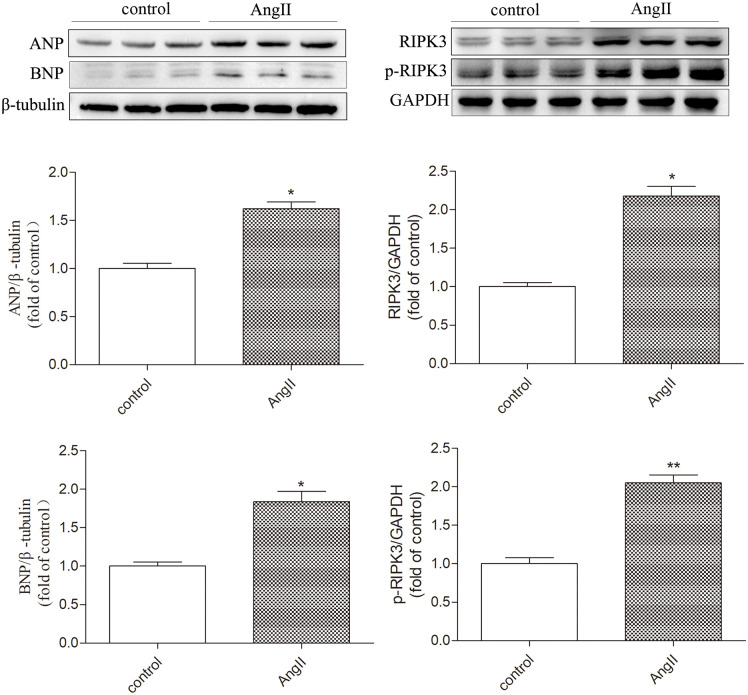 Figure 1
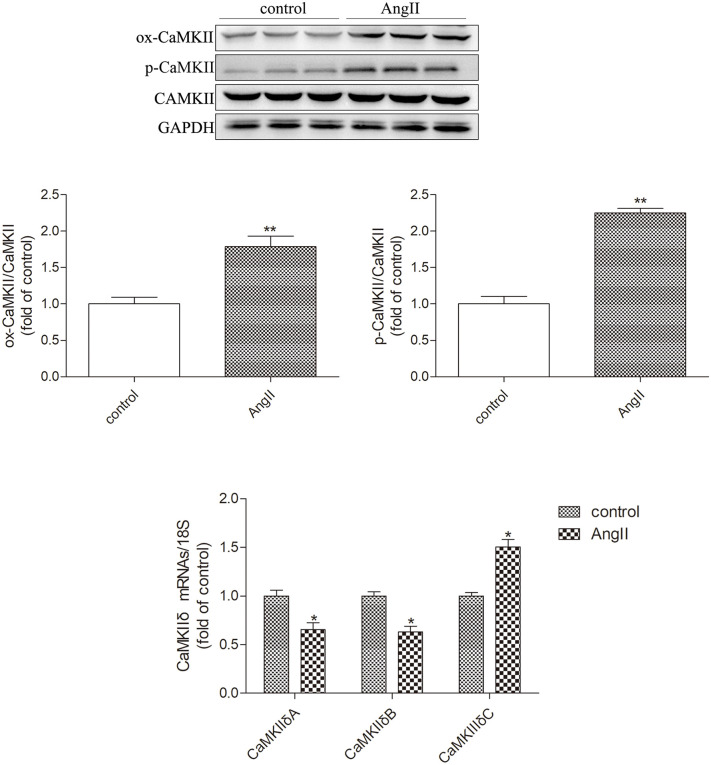 Figure 2
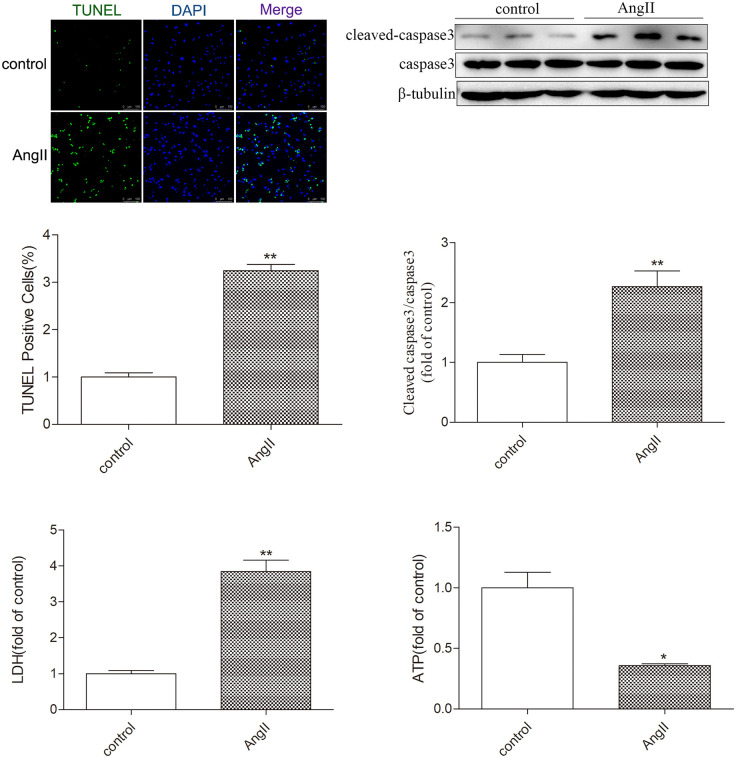 Figure 3
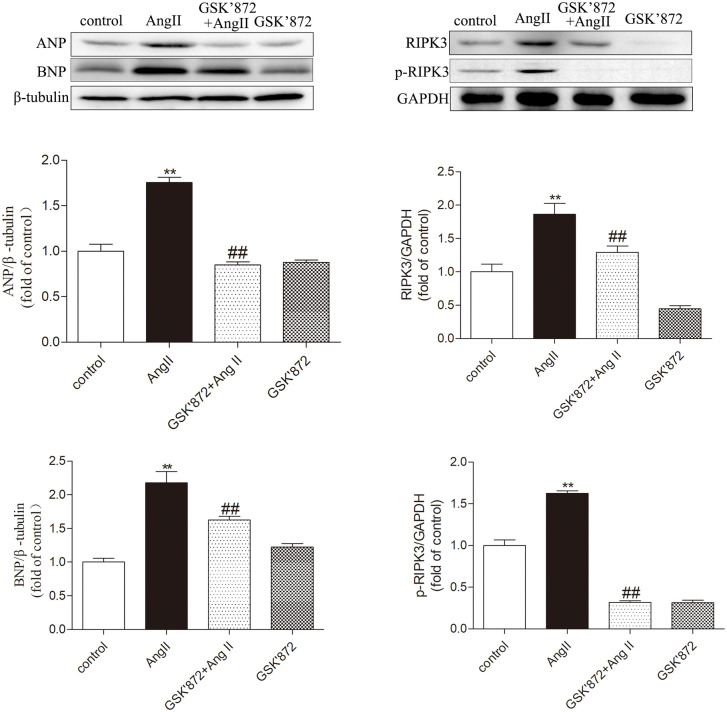 Figure 4
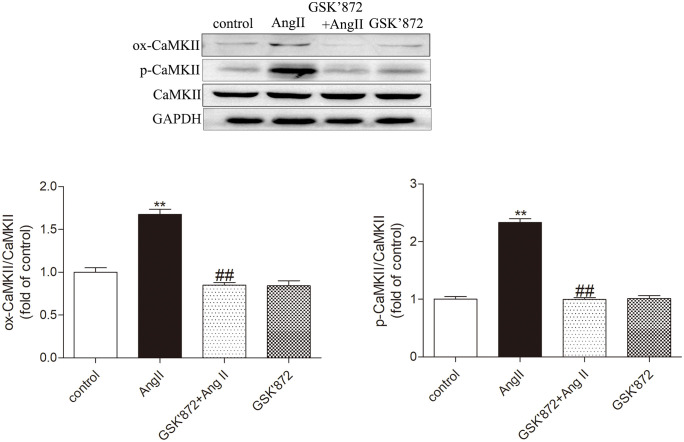 Figure 5
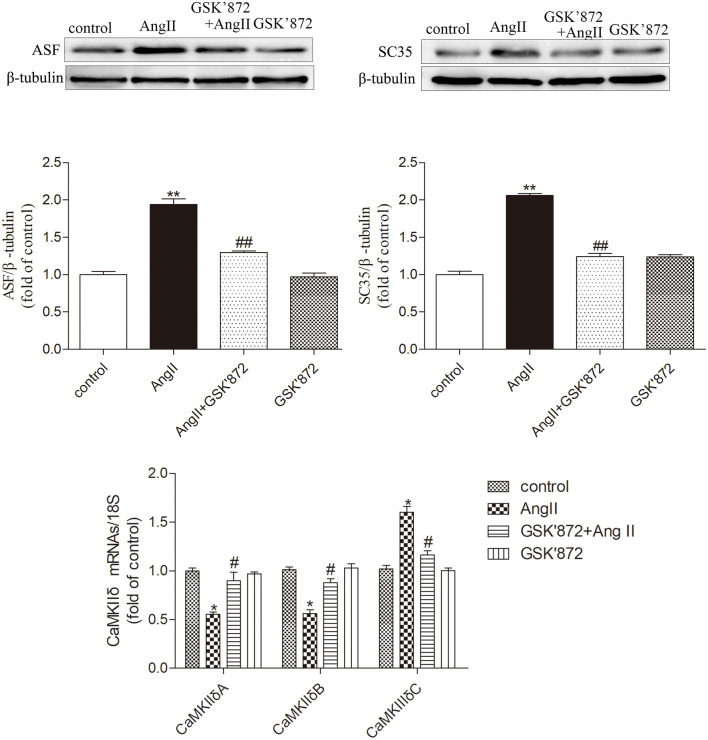 Figure 6
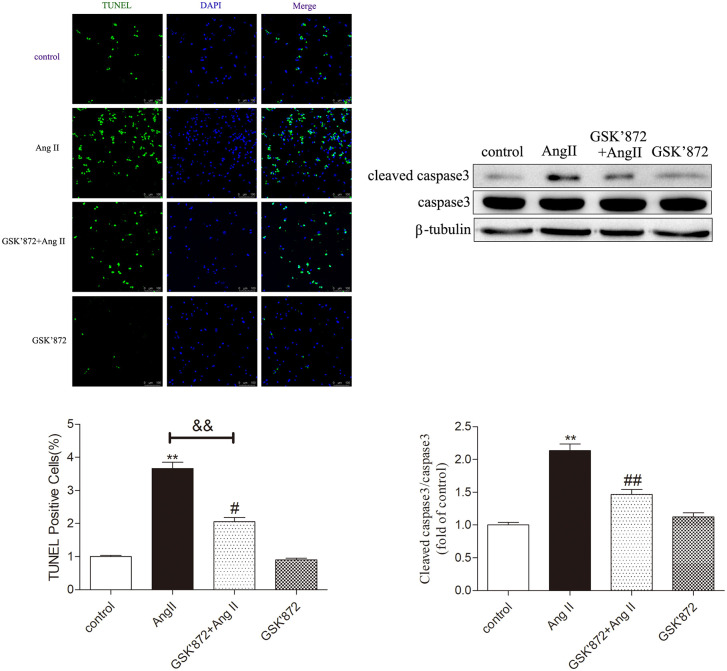 Figure 7
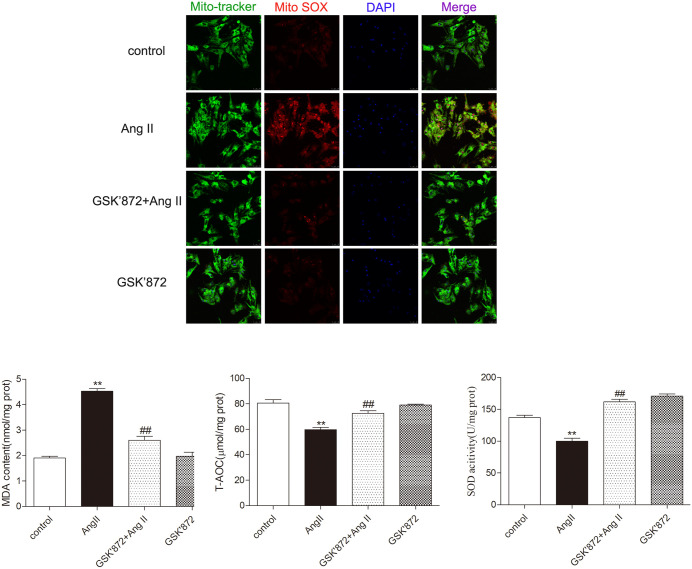 Figure 8
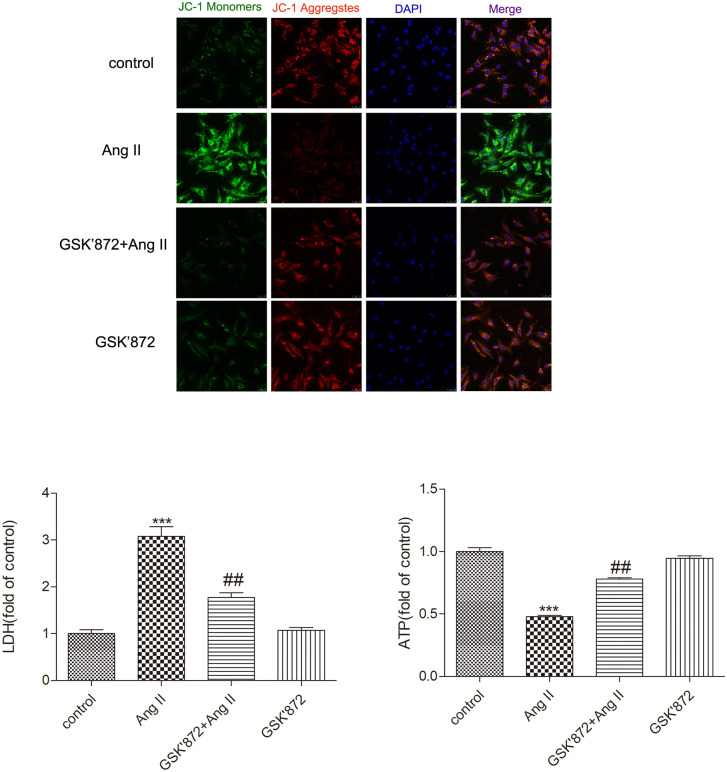 Figure 9
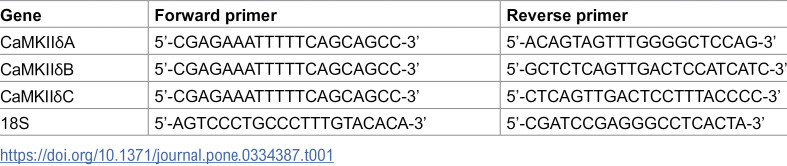 Figure 10
Peer Reviews
No public reviews on file for this paper yet. If you reviewed it on a platform where reviews are public (OpenReview, ICLR, NeurIPS, ICML), you can paste yours below so the community can read it here.
Videos
No videos yet. Explain this paper in a talk, walkthrough, or lecture? Add one.
Taxonomy
TopicsCell death mechanisms and regulation · Protein Kinase Regulation and GTPase Signaling · Ubiquitin and proteasome pathways