The mediation effect of general self-efficacy in relation to procrastination and sense of coherence among adults with attention deficit hyperactivity disorder
Agnieszka Malinowska, Wojciech Rodzeń, Nicholas Aderinto Oluwaseyi, Nicholas Aderinto Oluwaseyi, Nicholas Aderinto Oluwaseyi, Nicholas Aderinto Oluwaseyi

TL;DR
This study explores how general self-efficacy can reduce the negative effects of procrastination on psychological well-being in adults with ADHD.
Contribution
The study identifies general self-efficacy as a partial mediator between procrastination and sense of coherence in adults with ADHD.
Findings
Procrastination is negatively related to sense of coherence and self-efficacy in adults with ADHD.
Self-efficacy partially mediates the relationship between procrastination and sense of coherence.
Psychological factors like self-efficacy are critical for managing ADHD symptoms and improving quality of life.
Abstract
Procrastination, defined as a tendency to delay starting or finishing tasks despite awareness of negative consequences, is a common problem among adults diagnosed with Attention Deficit Hyperactivity Disorder (ADHD). In the context of ADHD, procrastination not only exacerbates difficulties related to concentration and organization but also affects overall life functioning, interpersonal relationships, and mental health. Therefore, identifying protective factors that can mitigate the impact of procrastination on the lives of people with ADHD is crucial. The aim of this study was to underscore the importance of general self-efficacy as a potential intervention target for improving the psychological well-being in terms of the sense of coherence. The study involved 180 people aged 18–56 years. All the study participants had been diagnosed with ADHD, some of whom were undergoing therapy and…
Genes, proteins, chemicals, diseases, species, mutations and cell lines named across the full text — each resolved to its canonical identifier and authoritative record.
Click any figure to enlarge with its caption.
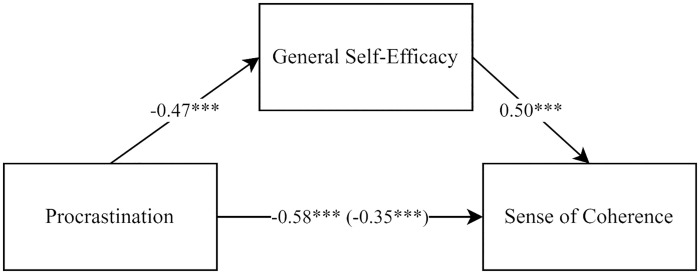 Figure 1
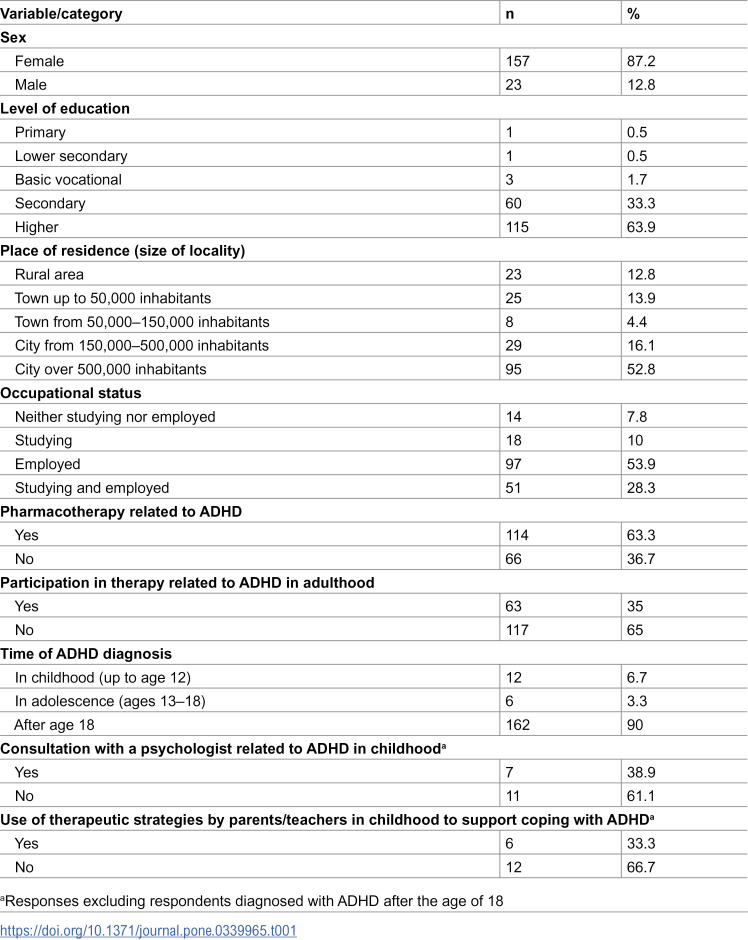 Figure 2
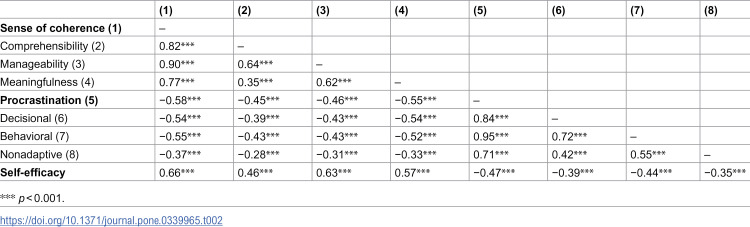 Figure 3
Peer Reviews
No public reviews on file for this paper yet. If you reviewed it on a platform where reviews are public (OpenReview, ICLR, NeurIPS, ICML), you can paste yours below so the community can read it here.
Videos
No videos yet. Explain this paper in a talk, walkthrough, or lecture? Add one.
Taxonomy
TopicsHealth, psychology, and well-being · Perfectionism, Procrastination, Anxiety Studies · Attention Deficit Hyperactivity Disorder