The impact of hypophosphatemia on biochemical profile and renal outcomes in primary hyperparathyroidism: a nationwide retrospective study
Naim ATA, Bekir UÇAN, Halil DURANTAŞ, Oğulcan BOZ, Mustafa ŞAHİN, M. Mahir ÜLGÜ, Şuayip BİRİNCİ, Muhammed KIZILGÜL

TL;DR
This study shows that low phosphorus levels in primary hyperparathyroidism are linked to more severe symptoms and kidney stones, suggesting routine phosphorus monitoring may be important.
Contribution
The study identifies hypophosphatemia as an indicator of more severe disease and increased kidney stone risk in PHPT patients.
Findings
Hypophosphatemia was present in 14.3% of PHPT patients and was associated with higher parathyroid hormone and calcium levels.
Low phosphorus levels independently increased the risk of kidney stone formation (OR = 1.53).
Abstract
Although low phosphorus (P) concentrations are a recognized feature of primary hyperparathyroidism (PHPT), they are not among the diagnostic or surgical criteria. The present study evaluates the association between serum phosphorus levels and clinical outcomes in PHPT patients. A search of the Turkish Ministry of Health’s National Electronic Database was conducted using ICD-10 diagnostic codes and laboratory data to identify PHPT cases within the Turkish population from 2017 to 2022. The records of a total of 113,330 PHPT patients (77.5% female; mean age 58.9 ± 15.6 years) were analyzed, revealing a mean serum phosphorus level of 3.24 ± 0.79 mg/dL. Patients with nephrolithiasis, vitamin D <20 μg/L, and calcium ≥11.4 mg/dL had significantly lower phosphorus levels (p<0.0001). Hypophosphatemia (HypoP) (P < 2.5 mg/dL) was present in 14.3% of patients and was associated with higher…
Genes, proteins, chemicals, diseases, species, mutations and cell lines named across the full text — each resolved to its canonical identifier and authoritative record.
Click any figure to enlarge with its caption.
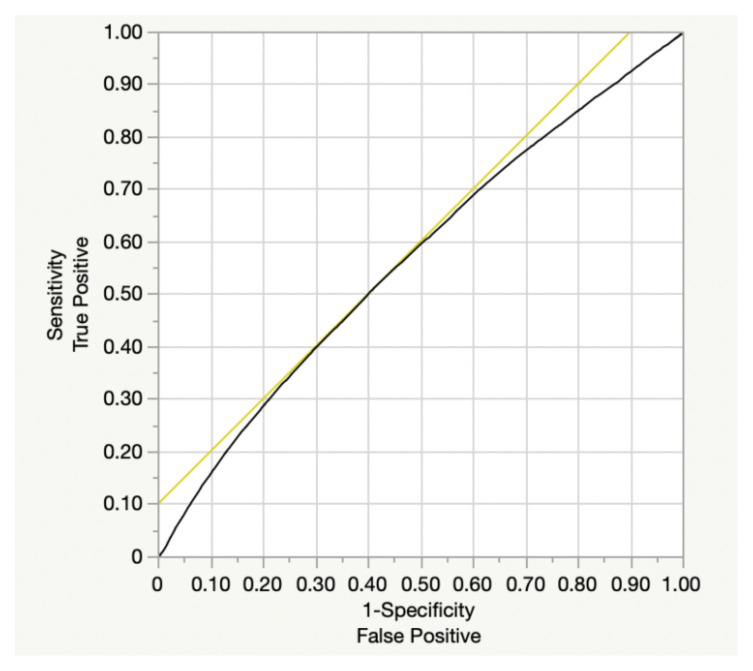 Figure 1
Peer Reviews
No public reviews on file for this paper yet. If you reviewed it on a platform where reviews are public (OpenReview, ICLR, NeurIPS, ICML), you can paste yours below so the community can read it here.
Videos
No videos yet. Explain this paper in a talk, walkthrough, or lecture? Add one.
Taxonomy
TopicsParathyroid Disorders and Treatments · Vitamin D Research Studies · Inflammatory Myopathies and Dermatomyositis