The Heretic King: Possible Diagnoses of Pharaoh Akhenaten
Matthew D Turner, Kari Schweiger

TL;DR
This paper examines theories about Pharaoh Akhenaten's unusual appearance and concludes it was likely a deliberate political choice, not a medical condition.
Contribution
The paper provides a critical review of historical medical diagnoses of Akhenaten and challenges their validity.
Findings
Previous medical theories about Akhenaten's appearance are not supported by evidence.
The pharaoh's unusual imagery was likely a deliberate political and religious statement.
No conclusive medical condition explains Akhenaten's artistic representation.
Abstract
Akhenaten, the heretic pharaoh of Ancient Egypt, is one of the most infamous figures in ancient history. His unprecedented break with over a thousand years of tradition, along with the unusual impression he left on the archaeological record, has prompted generations of Egyptologists to propose theories explaining the bizarre depiction of the pharaoh’s anatomy. In this paper, we review the various diagnoses that have been suggested to account for Akhenaten’s appearance. We ultimately conclude that his distinctive imagery was almost certainly a deliberate propagandistic choice by the monarchy and did not reflect any underlying medical condition.
Genes, proteins, chemicals, diseases, species, mutations and cell lines named across the full text — each resolved to its canonical identifier and authoritative record.
Click any figure to enlarge with its caption.
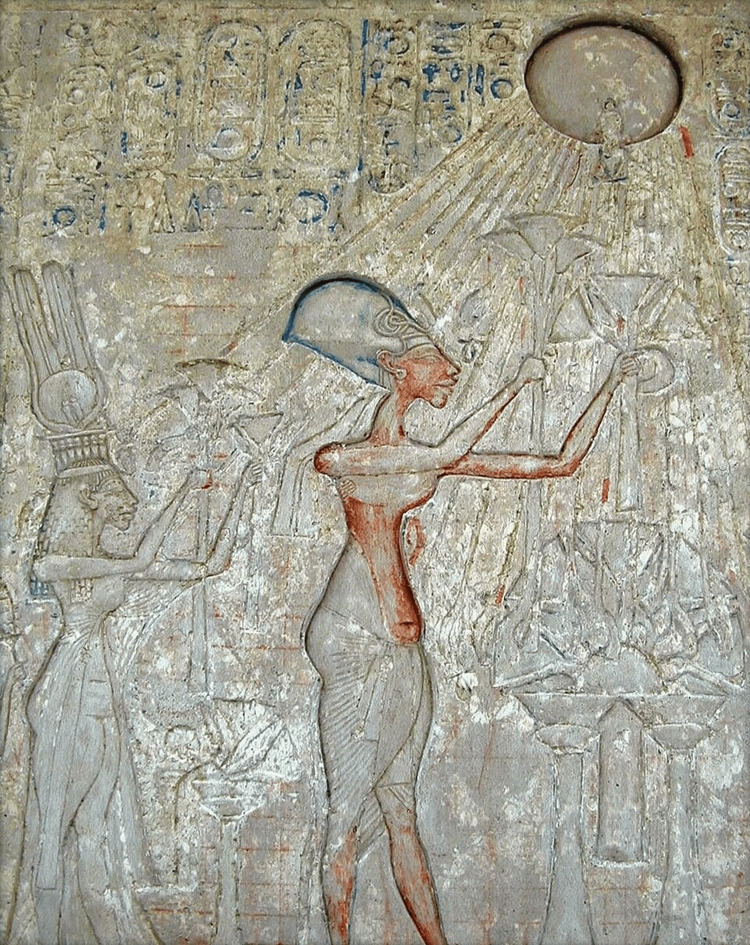 Figure 1
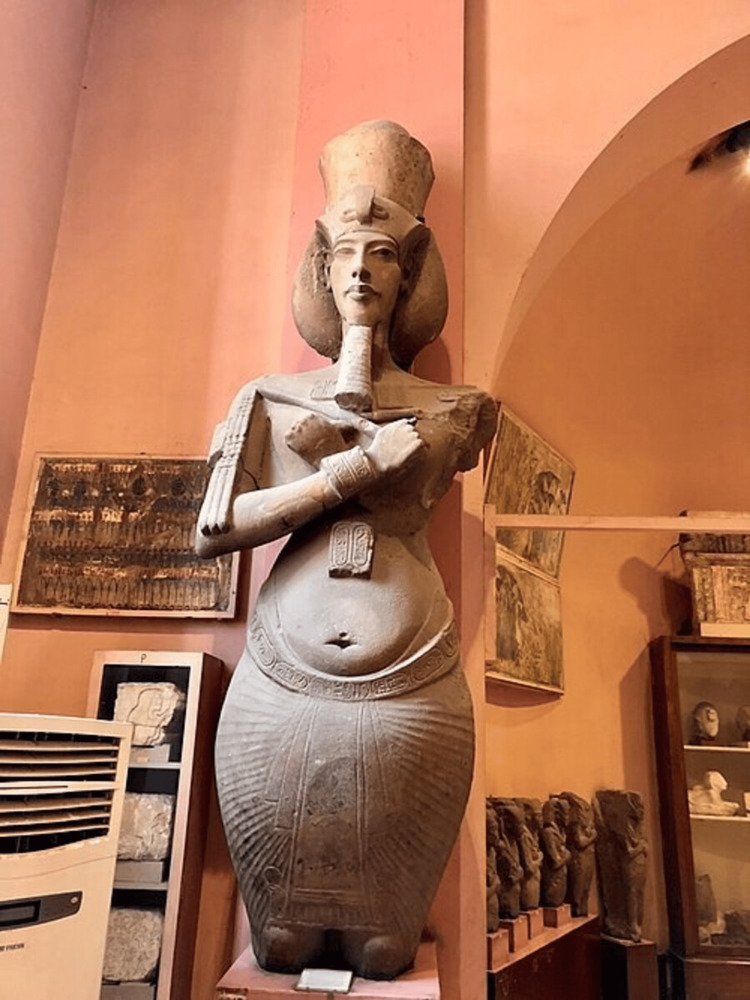 Figure 2
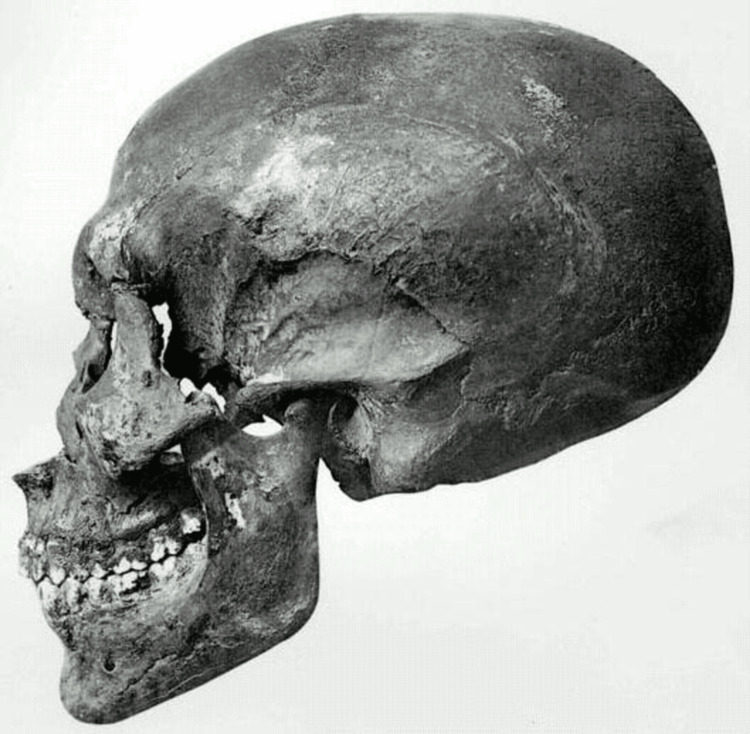 Figure 3
Peer Reviews
No public reviews on file for this paper yet. If you reviewed it on a platform where reviews are public (OpenReview, ICLR, NeurIPS, ICML), you can paste yours below so the community can read it here.
Videos
No videos yet. Explain this paper in a talk, walkthrough, or lecture? Add one.
Taxonomy
TopicsPaleopathology and ancient diseases · Ancient Egypt and Archaeology · Forensic Anthropology and Bioarchaeology Studies