The poplar pathogen Sphaerulina musiva has a dynamic genome architecture marked by chromosomal inversions and changes in transposable element abundance
Alex Z. Zaccaron, Alexandre Lassagne, Kelsey L. Søndreli, Martha A. Sudermann, Ricardo I. Alcalá Briseño, Niklaus J. Grünwald, Alexandra J. Weisberg, Jared M. LeBoldus

TL;DR
This study reveals how the poplar pathogen Sphaerulina musiva adapts through genomic changes like transposable elements and chromosomal inversions.
Contribution
The paper provides high-quality genome assemblies of 18 S. musiva isolates, revealing dynamic genomic features and their geographic correlations.
Findings
Transposable element content varies significantly among isolates, influencing genome size and geographic distribution.
Chromosomal inversions covering 34% of the genome are common in the pathogen’s native range and may affect gene clusters.
Candidate effector genes are enriched in accessory genes and have longer intergenic regions in TE-rich isolates.
Abstract
Fungal plant pathogens possess dynamic genomes, frequently shaped by transposable elements, that enable rapid adaptation to adverse conditions and host resistance mechanisms. However, assessing the adaptive significance of these genomic features remains challenging, in part due to the lack of high-quality genome assemblies for multiple members of a given species. To gain insights into genomic factors shaping pathogen evolution, we sequenced and assembled near-chromosome-scale genomes of 18 geographically diverse North American isolates of Sphaerulina musiva, a significant, important pathogen causing Septoria leaf spot and stem canker disease of poplar trees. Comparative genomic analyses indicated that all isolates possess 13 chromosomes with no evidence of accessory chromosomes. Transposable element (TE) content varied considerably among isolates (6.8 %–15.7 %), with a higher abundance…
Genes, proteins, chemicals, diseases, species, mutations and cell lines named across the full text — each resolved to its canonical identifier and authoritative record.
Click any figure to enlarge with its caption.
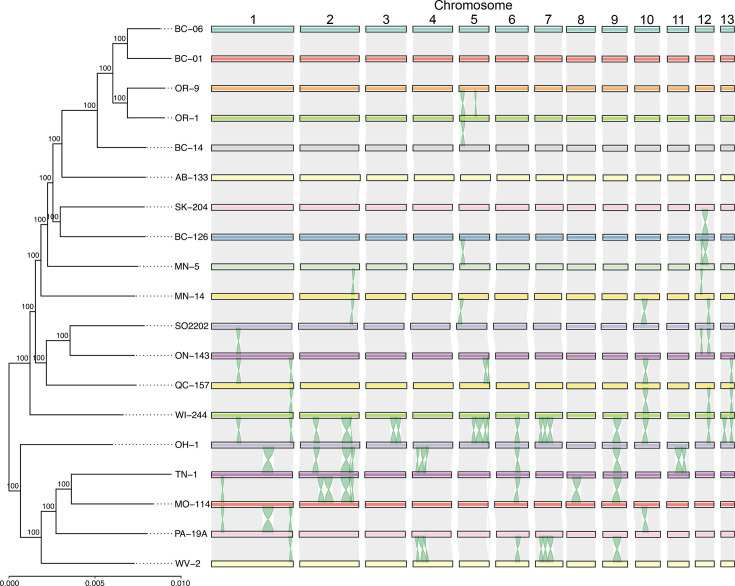 Figure 1
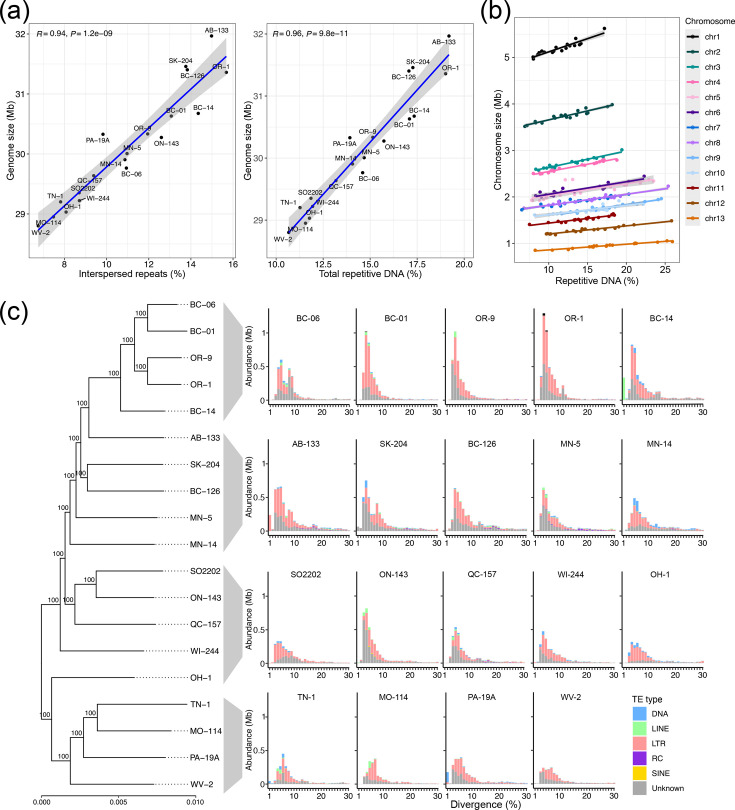 Figure 2
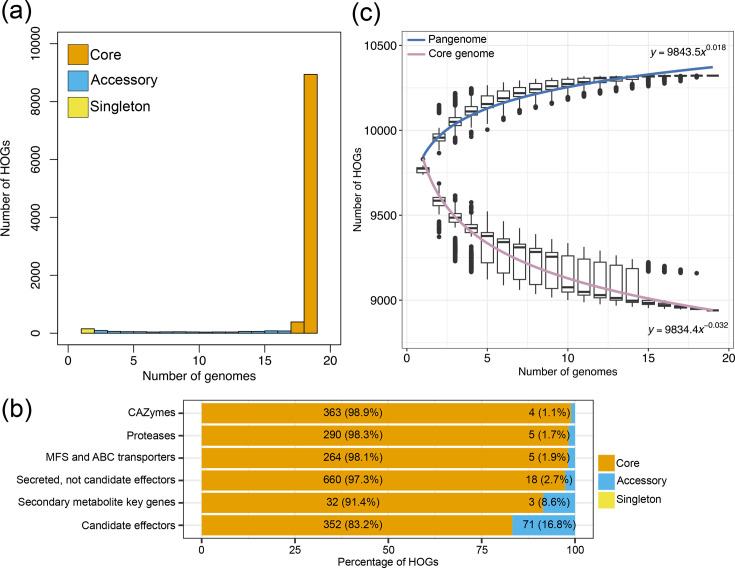 Figure 3
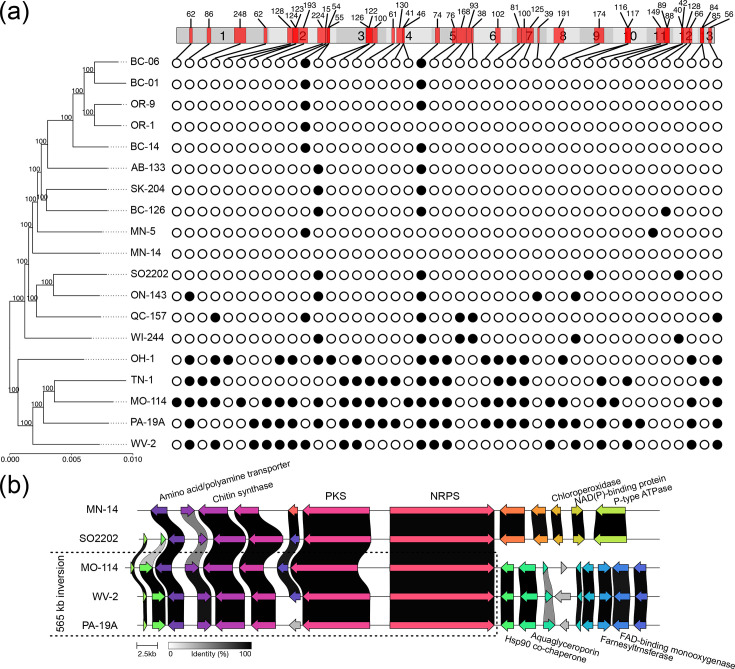 Figure 4
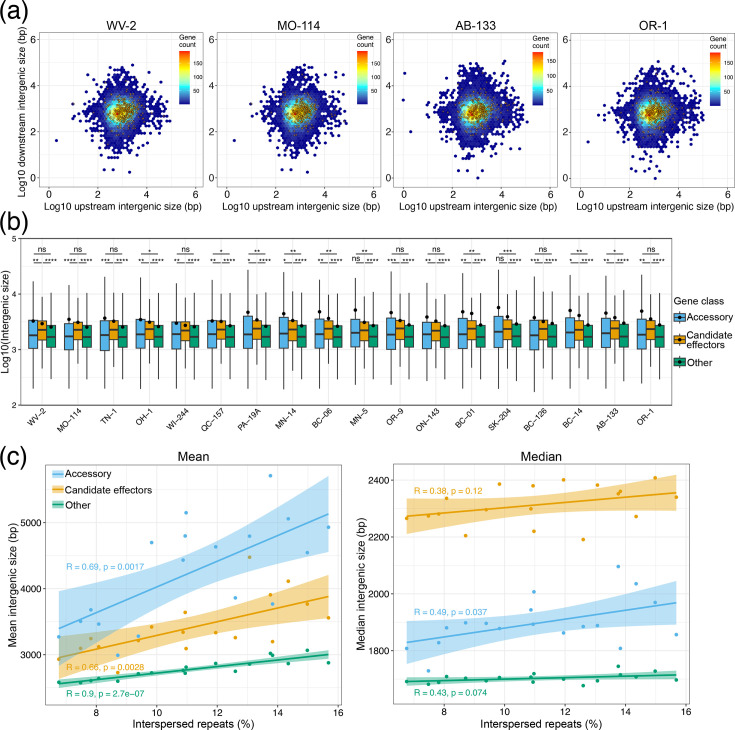 Figure 5
Peer Reviews
No public reviews on file for this paper yet. If you reviewed it on a platform where reviews are public (OpenReview, ICLR, NeurIPS, ICML), you can paste yours below so the community can read it here.
Videos
No videos yet. Explain this paper in a talk, walkthrough, or lecture? Add one.
Taxonomy
TopicsPlant Pathogens and Fungal Diseases · Chromosomal and Genetic Variations · Bioenergy crop production and management