Anti‐Diabetic Effects of Ayanin, a Flavonoid Compound, in STZ/HFD‐Induced Diabetic Mice by Upregulating GLUT4 and Suppressing Macrophage‐Driven Inflammation in Adipose Tissues
Yibing Lv, Chunyu Wu, Wenke Yang, Chenyang Wang, Jianmei Huang, Jinming Wang, XiaoLiang Xia, Dong Wu, Ke Yang, Zhenglong Guo, Shixiu Liao

TL;DR
Ayanin, a compound from red wine grapes, helps reduce diabetes symptoms in mice by boosting glucose transport and reducing inflammation in fat tissues.
Contribution
Ayanin's novel anti-diabetic mechanism via AMPKα/GLUT4 pathway activation and macrophage-driven inflammation suppression is revealed.
Findings
AYN improves glucose tolerance and reduces hyperglycemia in diabetic mice.
AYN activates AMPKα and increases GLUT4 and CPT-1α expression in metabolic tissues.
AYN reduces macrophage infiltration and pro-inflammatory responses in adipose tissues.
Abstract
Insulin resistance, marked by reduced GLUT4 expression in metabolic tissues such as adipose tissue and skeletal muscle, is a key contributor to the pathogenesis of Type 2 diabetes. Therapeutic agents that enhance GLUT4 expression in these tissues have demonstrated potential in the treatment of diabetes. Ayanin (AYN) is a flavonoid found in red wine grapes. This study evaluated the anti‐diabetic properties of AYN and investigated its mechanisms. In an in vivo study, the oral administration of AYN to diabetic mice resulted in ameliorated hyperglycemia and glucose tolerance and alleviated lipid dysfunction. The investigation into the underlying mechanisms revealed that AYN activated p‐AMPKα, which subsequently enhanced GLUT4 and CPT‐1α expression in both adipose and muscle tissues, as well as increased CPT‐1α expression in livers. In vitro experiments demonstrated that AYN activated AMPKα,…
Genes, proteins, chemicals, diseases, species, mutations and cell lines named across the full text — each resolved to its canonical identifier and authoritative record.
Click any figure to enlarge with its caption.
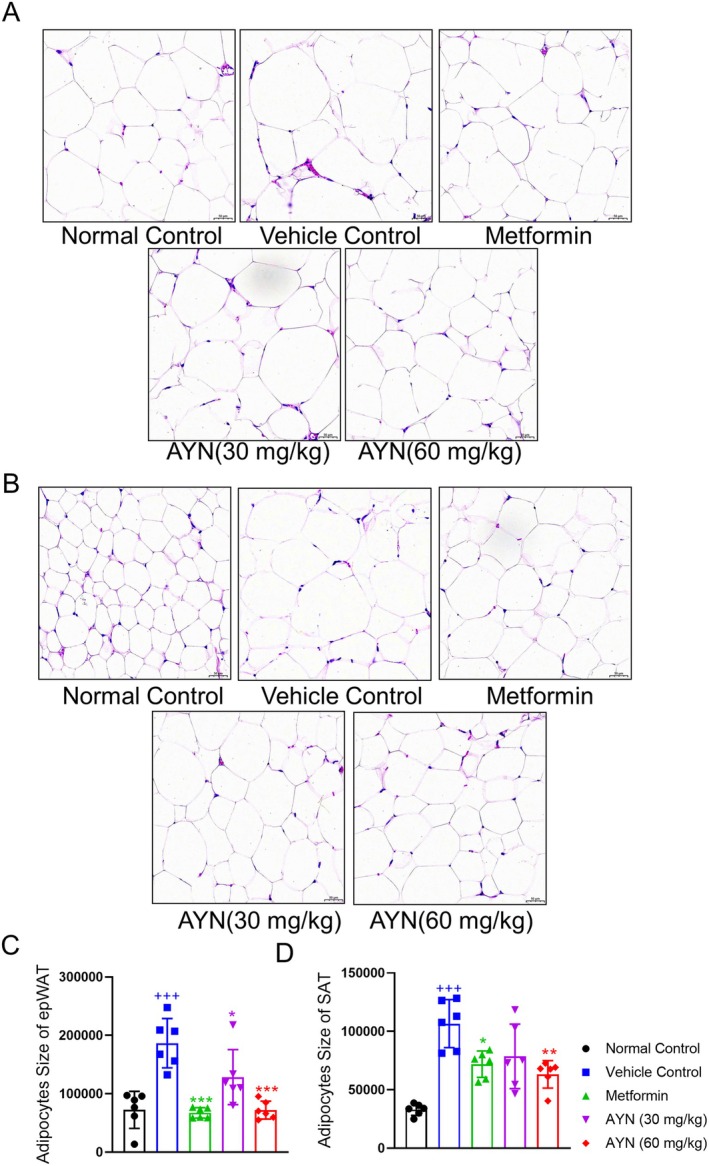 Figure 1
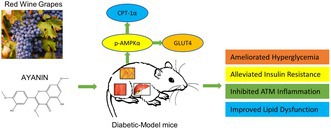 Figure 2
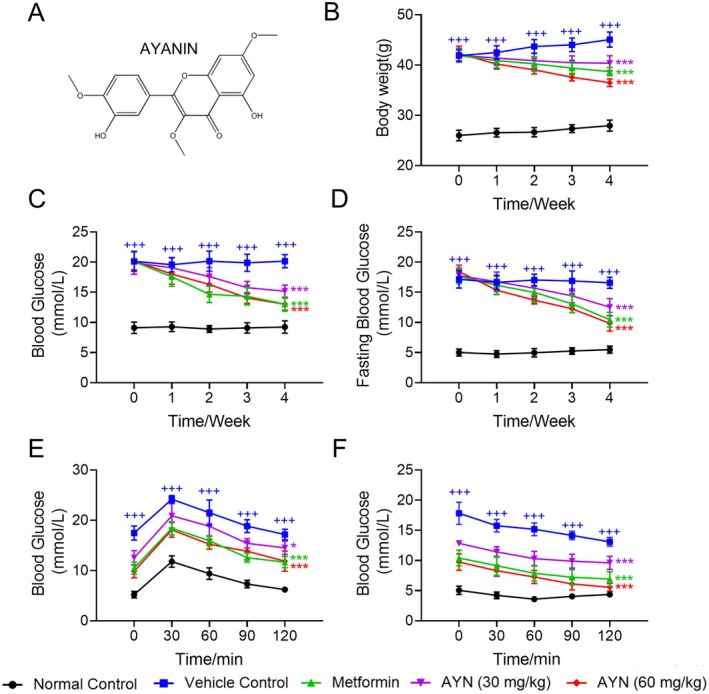 Figure 3
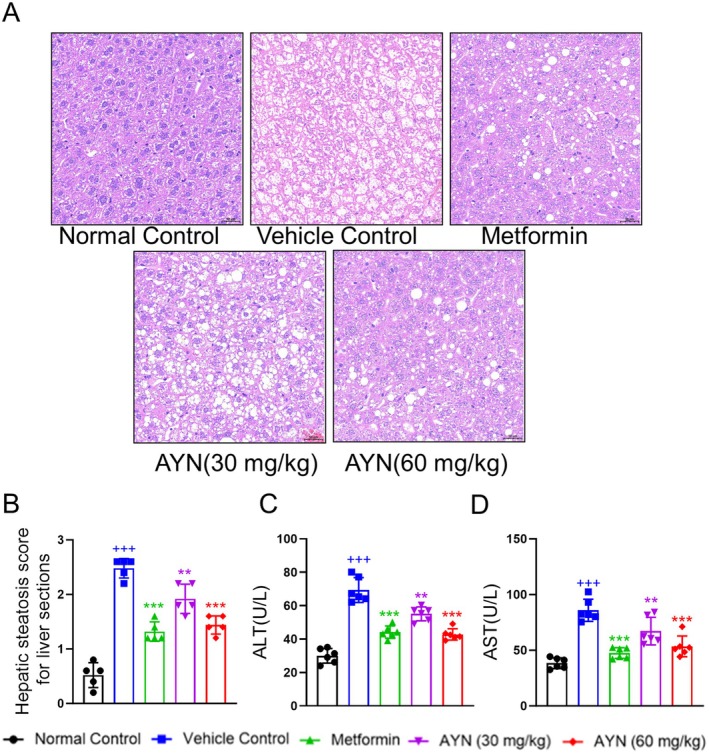 Figure 4
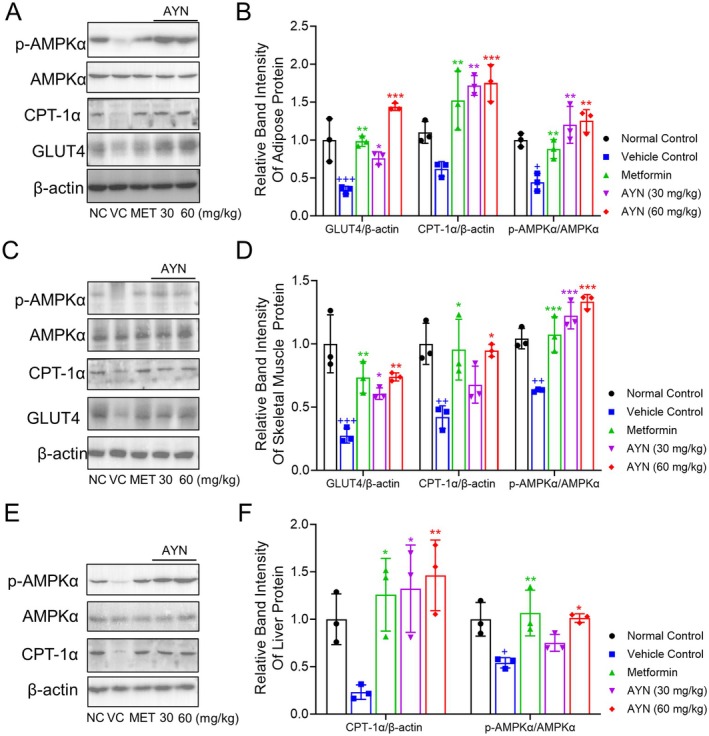 Figure 5
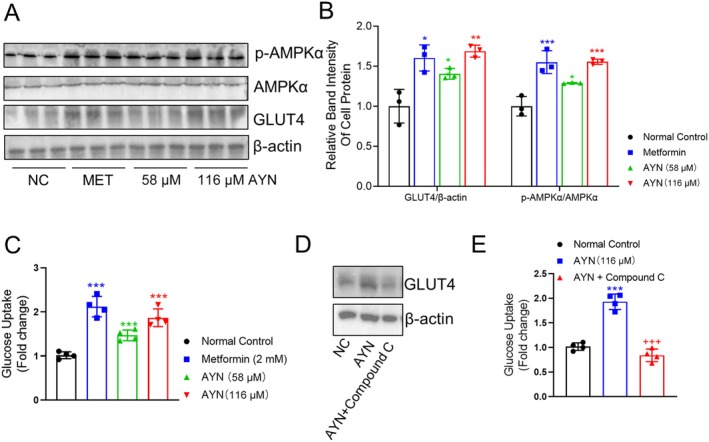 Figure 6
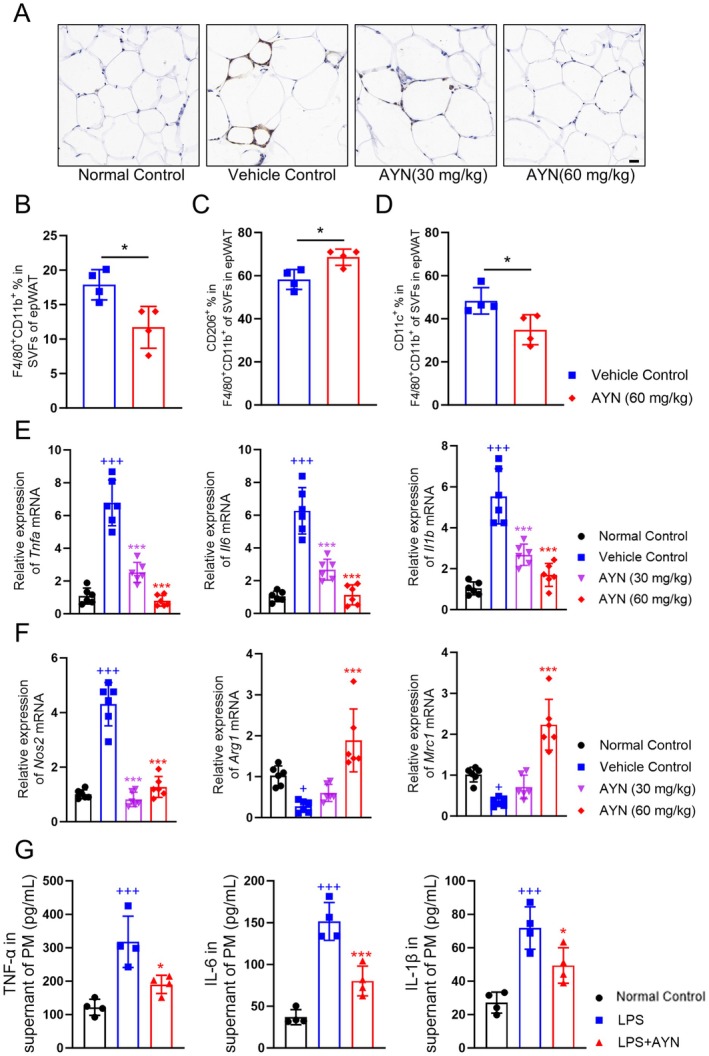 Figure 7
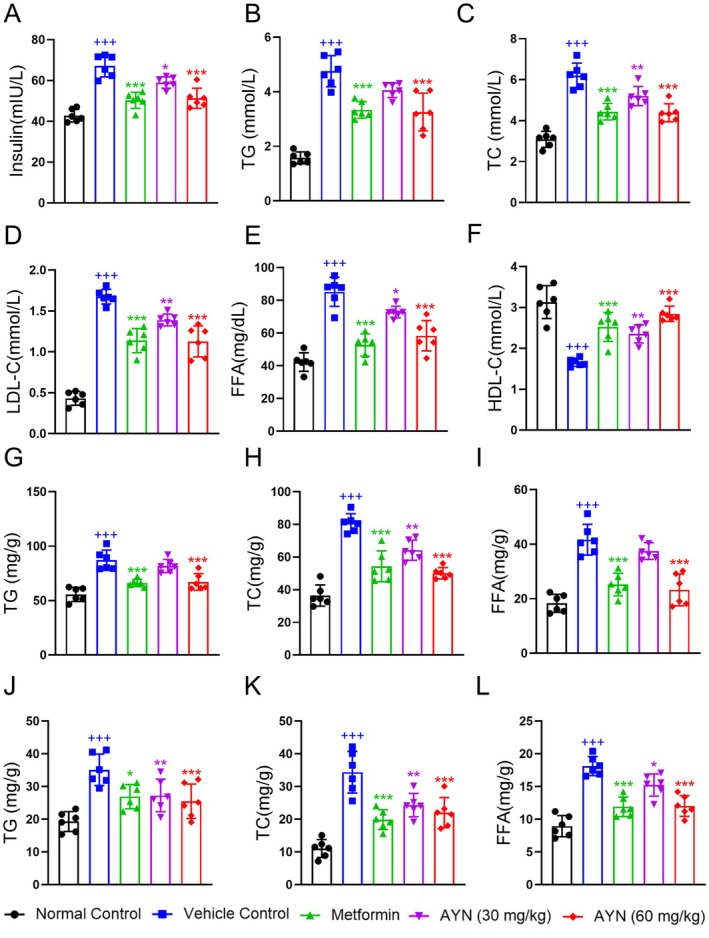 Figure 8
Peer Reviews
No public reviews on file for this paper yet. If you reviewed it on a platform where reviews are public (OpenReview, ICLR, NeurIPS, ICML), you can paste yours below so the community can read it here.
Videos
No videos yet. Explain this paper in a talk, walkthrough, or lecture? Add one.
Taxonomy
TopicsMetabolism, Diabetes, and Cancer · Adipose Tissue and Metabolism · Adipokines, Inflammation, and Metabolic Diseases