Bidirectional Ventricular Tachycardia Secondary to Dichloromethane Intoxication: A Case Report
Luís Henrique Sardinha Borborema, Daniel A Adedd Filho

TL;DR
A 30-year-old woman developed a rare heart rhythm disorder after accidentally ingesting dichloromethane, a chemical solvent.
Contribution
This is the first reported case linking dichloromethane intoxication to bidirectional ventricular tachycardia.
Findings
The patient developed BVT and cardiac arrest after dichloromethane ingestion.
No structural heart disease or electrolyte issues were found, implicating the chemical as the cause.
This case suggests a new potential trigger for BVT.
Abstract
Bidirectional ventricular tachycardia (BVT) is a rare ventricular tachyarrhythmia, and only a limited number of etiologies have been described to date. We report the case of a previously healthy 30-year-old woman who developed BVT followed by cardiac arrest after accidental ingestion of dichloromethane, an organochlorine solvent used in illicit volatile inhalant preparations. Further evaluation revealed no structural heart disease, electrolyte disturbance, or exposure to medications classically associated with BVT, supporting dichloromethane intoxication as a plausible and, to our knowledge, previously unreported trigger of this arrhythmia.
Genes, proteins, chemicals, diseases, species, mutations and cell lines named across the full text — each resolved to its canonical identifier and authoritative record.
Click any figure to enlarge with its caption.
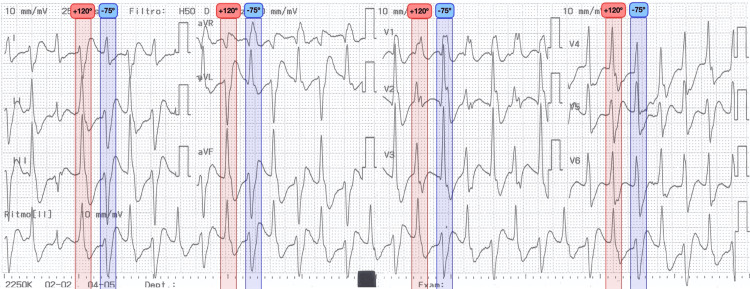 Figure 1
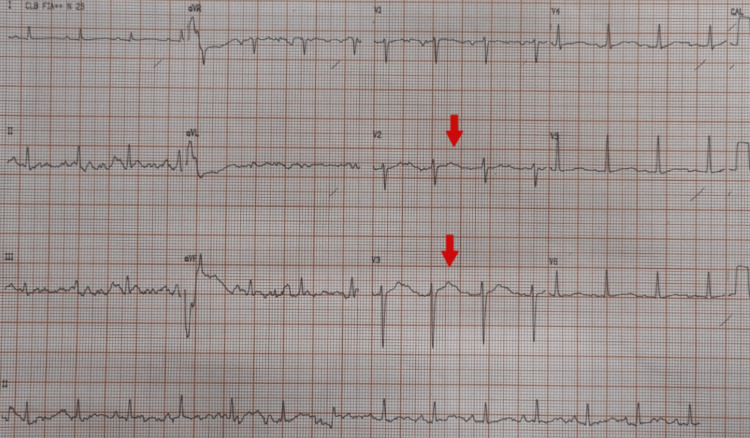 Figure 2
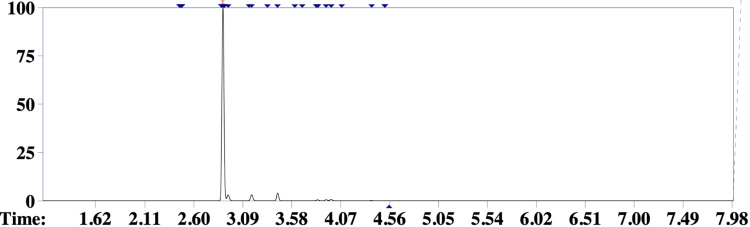 Figure 3
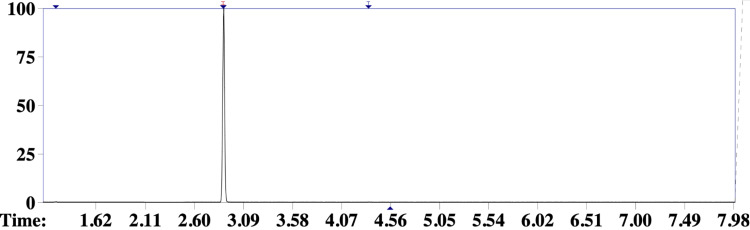 Figure 4
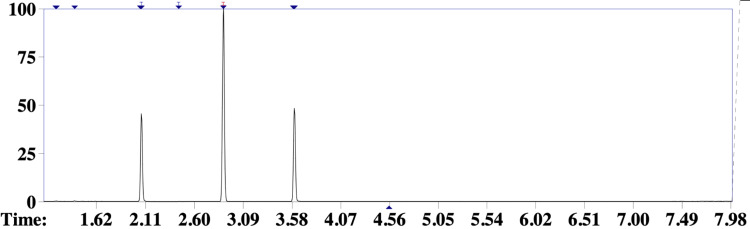 Figure 5
Peer Reviews
No public reviews on file for this paper yet. If you reviewed it on a platform where reviews are public (OpenReview, ICLR, NeurIPS, ICML), you can paste yours below so the community can read it here.
Videos
No videos yet. Explain this paper in a talk, walkthrough, or lecture? Add one.
Taxonomy
TopicsCarcinogens and Genotoxicity Assessment · Poisoning and overdose treatments · Occupational exposure and asthma