Comparative transcriptome analysis provides insights into the gene regulation network of cytoplasmic male sterility in chilli pepper
Meng Wang, Hu Zhao, Xing Wu, Zongjun Li, Zengjing Zhao, Mingxia Gong, Liping Huang, Risheng Wang

TL;DR
This study explores how gene activity differs in male-sterile and fertile chili pepper plants, identifying key genes involved in fertility and building a regulatory network to help improve hybrid breeding.
Contribution
The study constructs a gene regulatory network for cytoplasmic male sterility in chili pepper using transcriptome analysis and identifies key genes involved in fertility restoration.
Findings
Genes related to plant hormone signaling and sugar metabolism are differentially expressed in restorer lines compared to sterile and maintainer lines.
A regulatory network based on critical genes was constructed, providing insights into CMS fertility regulation in chili pepper.
qRT-PCR confirmed the involvement of SAUR, A-ARR, GH3, and other genes in CMS fertility regulation.
Abstract
Cytoplasmic male sterility (CMS) is a common biological phenomenon in chilli pepper hybrid production. Although several restorer-of-fertility (Rf) genes have been identified in pepper CMS lines, a regulatory network has yet to be constructed. Morphological characteristics of the sterile, maintainer, and restorer flower buds were studied at three different developmental stages. We conducted transcriptome analysis of the CMS/Rf system in pepper plants. Pentose and glucuronate interconversion pathways were particularly enriched in most comparison groups. In addition, differentially expressed genes among the different lines at flower bud stages 2 and 3 were generally enriched in amino sugar and nucleotide sugar metabolism pathways. In our study, the small auxin upregulated RNA (SAUR), A-ARR and GH3 genes in the plant hormone signal transduction pathway, Capana12g000348, CKX7 and cis-zeatin…
Genes, proteins, chemicals, diseases, species, mutations and cell lines named across the full text — each resolved to its canonical identifier and authoritative record.
Click any figure to enlarge with its caption.
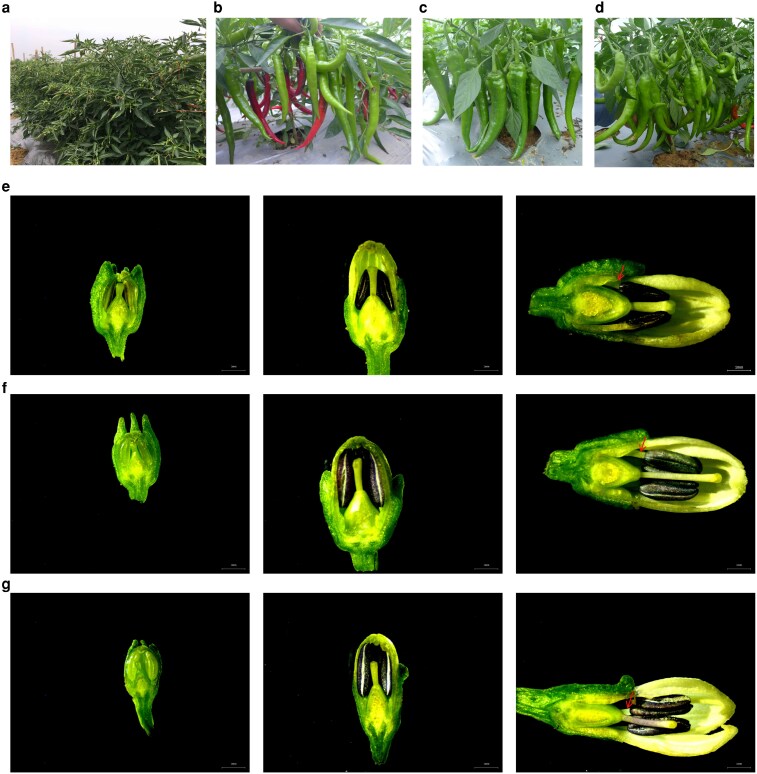 Figure 1
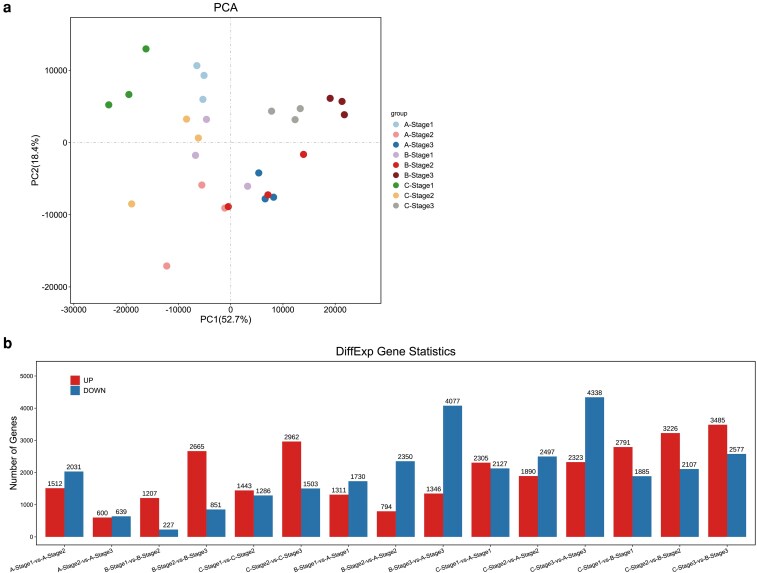 Figure 2
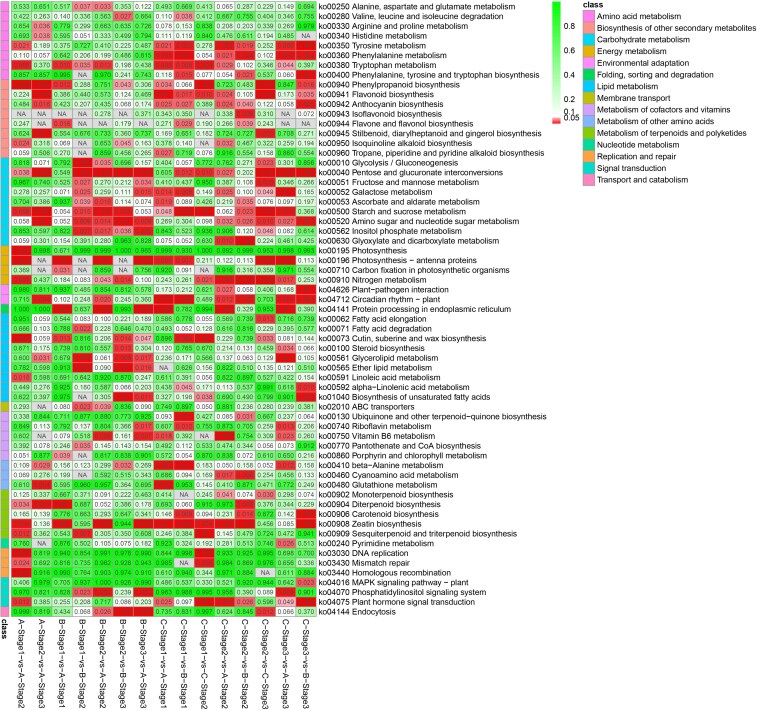 Figure 3
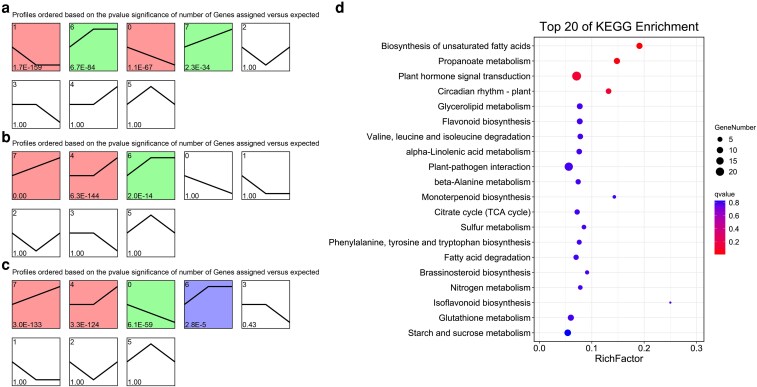 Figure 4
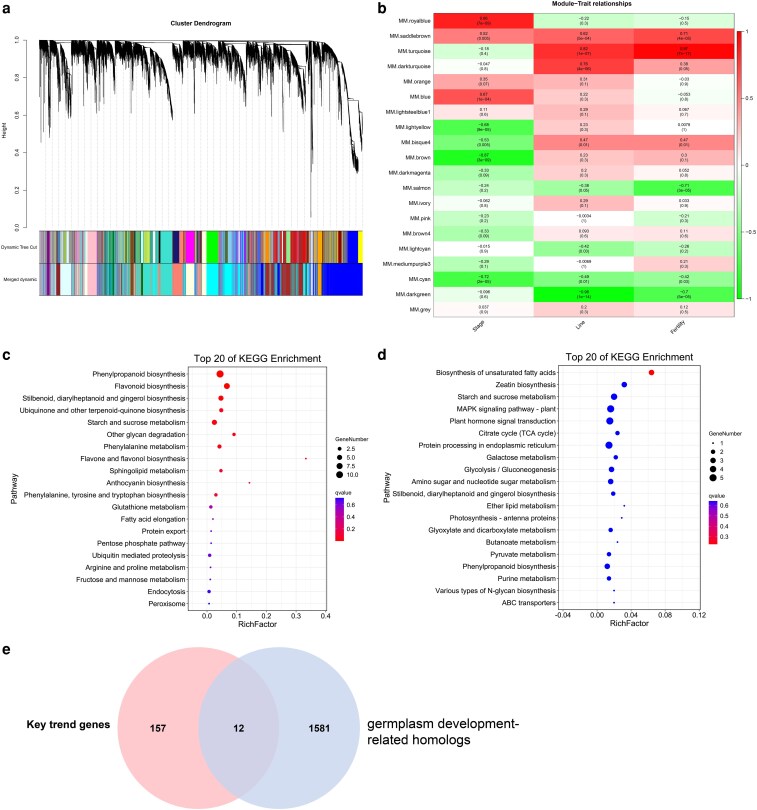 Figure 5
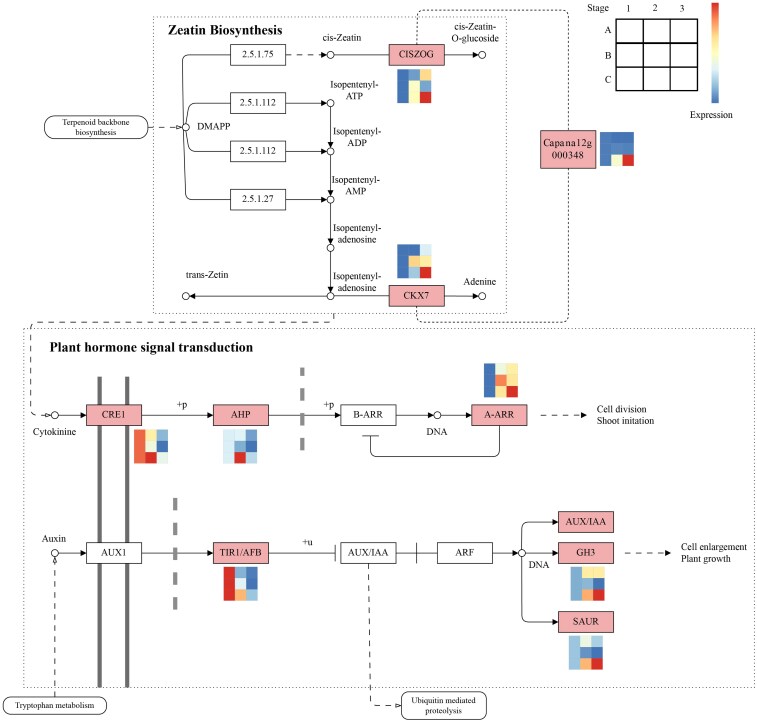 Figure 6
Peer Reviews
No public reviews on file for this paper yet. If you reviewed it on a platform where reviews are public (OpenReview, ICLR, NeurIPS, ICML), you can paste yours below so the community can read it here.
Videos
No videos yet. Explain this paper in a talk, walkthrough, or lecture? Add one.
Taxonomy
TopicsPlant Reproductive Biology · Plant Molecular Biology Research · Photosynthetic Processes and Mechanisms