Severe Pelvic Organ Prolapse Managed Without Surgery: Pessary Discontinued After Pelvic Floor Muscle Training With M‐Mode Ultrasound
Yukimasa Ide, Nobutaka Shimizu, Rio Ninomiya, Tomoko Ogawa, Tetsuya Fukumoto, Shinji Hyodo, Rie Yoshimura, Yoshitaka Kurano, Satoshi Fukata, Keiji Inoue

TL;DR
A 63-year-old woman with severe uterine prolapse successfully discontinued a vaginal pessary after 4 months of pelvic floor muscle training guided by ultrasound.
Contribution
Pelvic floor muscle training with M-mode ultrasound can reduce reliance on pessaries in severe pelvic organ prolapse.
Findings
Pelvic floor muscle training with M-mode ultrasound improved pelvic floor function in a patient with stage III prolapse.
The patient's prolapse improved to stage II without recurrence after 2 years of nonsurgical management.
Physical therapist-guided PFMT may allow pessary removal in patients with severe uterine prolapse.
Abstract
We report the case of a patient with severe uterine prolapse who underwent successful vaginal pessary removal after pelvic floor muscle training. A 63‐year‐old woman presented with urinary dysfunction and residual urine. She was diagnosed with stage III pelvic organ prolapse by an obstetrician‐gynecologist, and a vaginal pessary was inserted. The patient underwent pelvic floor muscle training for 4 months while the vaginal pessary remained in situ. M‐mode ultrasonography revealed improved pelvic floor function, necessitating vaginal pessary removal. The patient's uterine prolapse improved to pelvic organ prolapse‐quantification stage II without recurrence of pelvic organ prolapse, urinary dysfunction, or residual urine after 2 years. In patients with severe uterine prolapse who use a vaginal pessary, appropriate pelvic floor muscle training guided by a physical therapist may eliminate…
Genes, proteins, chemicals, diseases, species, mutations and cell lines named across the full text — each resolved to its canonical identifier and authoritative record.
Click any figure to enlarge with its caption.
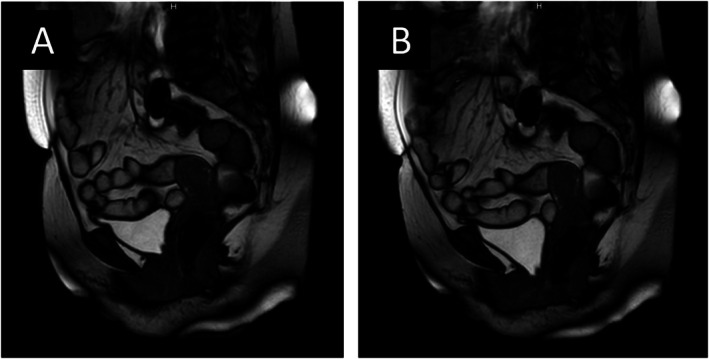 Figure 1
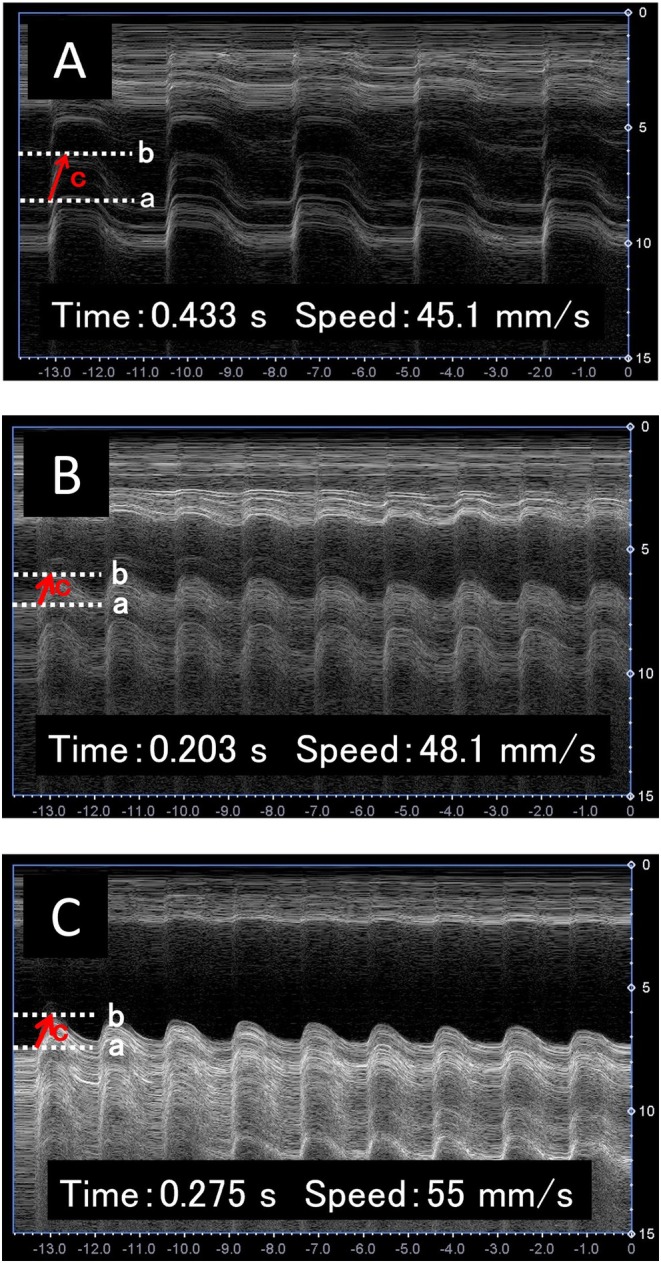 Figure 2
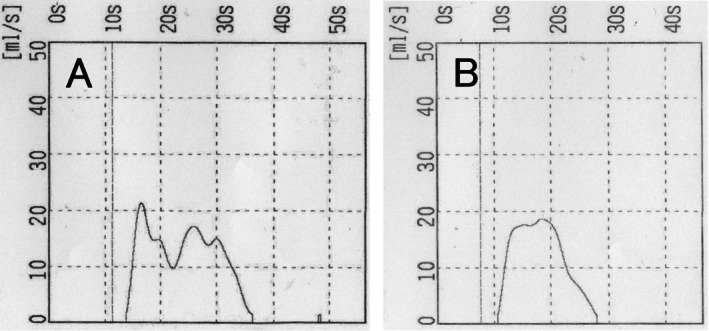 Figure 3
Peer Reviews
No public reviews on file for this paper yet. If you reviewed it on a platform where reviews are public (OpenReview, ICLR, NeurIPS, ICML), you can paste yours below so the community can read it here.
Videos
No videos yet. Explain this paper in a talk, walkthrough, or lecture? Add one.
Taxonomy
TopicsPelvic floor disorders treatments · Endometriosis Research and Treatment · Ureteral procedures and complications