Genetic and Causal Insights Into White Matter Hyperintensities Across the Brain‐Body Axis
Manpreet Singh, Kimia Shafighi, Flavie E. Detcheverry, Gabrielle Dagasso, Fanta Dabo, Ikrame Housni, Sridar Narayanan, Nils D. Forkert, Sarah A Gagliano Taliun, Danilo Bzdok, AmanPreet Badhwar

TL;DR
This study explores how genetic factors across the body influence white matter hyperintensities in the brain, linking them to Alzheimer's disease and vascular dysfunction.
Contribution
The study identifies shared genetic pathways between white matter hyperintensities and Alzheimer's disease across multiple tissues and establishes causal links to brain imaging phenotypes.
Findings
WMH-associated SNPs are enriched in the CNS, liver, cardiovascular system, and kidneys, with vascular endothelial cells playing a key role.
Genes linked to WMHs and Alzheimer's disease were identified, showing significant overlap in genetic contributions.
Causal relationships between WMH-associated SNPs and brain imaging-derived phenotypes were established, impacting regional brain volumes.
Abstract
White matter hyperintensities (WMHs), visible as bright regions on T2‐weighted FLAIR MRI, are frequent with age and elevated in Alzheimer's disease (AD). Representing axonal damage, demyelination, and edema, WMHs are driven by vascular mechanisms, including endothelial dysfunction and impaired cerebrovascular autoregulation. WMHs also exhibit strong heritability (55–73%), with overlapping genetic pathways shared with AD. Emerging evidence suggests systemic factors across the brain‐body axis influence WMHs, yet these contributions and their genetic overlap with AD remain underexplored. Our study investigated genetic underpinnings specific to WMHs and those shared with AD by assessing partitioned heritability of WMHs and AD across the brain‐body axis with SNP level tissue‐ and cell‐specific annotations; identifying genes associated with WMHs and AD through integration of gene expression…
Genes, proteins, chemicals, diseases, species, mutations and cell lines named across the full text — each resolved to its canonical identifier and authoritative record.
Click any figure to enlarge with its caption.
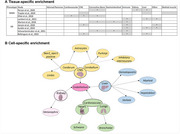 Figure 1
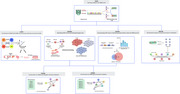 Figure 2
 Figure 3
Peer Reviews
No public reviews on file for this paper yet. If you reviewed it on a platform where reviews are public (OpenReview, ICLR, NeurIPS, ICML), you can paste yours below so the community can read it here.
Videos
No videos yet. Explain this paper in a talk, walkthrough, or lecture? Add one.
Taxonomy
TopicsDementia and Cognitive Impairment Research · Alzheimer's disease research and treatments · Advanced Neuroimaging Techniques and Applications