Identification and characterization of five anti-mitotic sesquiterpene lactones from Arnica cordifolia
Tanner C. Lockwood, David E. Williams, Layla Molina, Raymond J. Andersen, Roy M. Golsteyn

TL;DR
This study identifies five anti-mitotic compounds from the plant Arnica cordifolia, including three new structures, which could have potential in cancer treatment.
Contribution
The discovery of three new sesquiterpene lactones and new anti-mitotic activities for two known compounds from A. cordifolia.
Findings
Five anti-mitotic sesquiterpene lactones were isolated, including three with previously unknown structures.
Aromaticin induced ubiquitin foci, suggesting it may target the ubiquitin-proteasome pathway.
The compounds caused mitotic arrest in cancer cells with distinct effects on spindle morphology.
Abstract
Unique ecozones, such as those in Canada, play an important role in the production of distinct natural product chemicals that help plants survive highly variable abiotic conditions and herbivory. Extracts prepared from Arnica cordifolia Hook. (heartleaf arnica), a North American species related to the European medicinal plant Arnica montana L., induce mitotic arrest in human cancer cell lines with a mitotic spindle morphology distinct from other mitotic inhibitors isolated from prairie plant species. This study aimed to identify the anti-mitotic compound(s) of A. cordifolia. The cytotoxic and anti-mitotic activities of A. cordifolia extracts and their active compounds on human cancer cells were characterized by MTT assays, light microscopy, flow cytometry, and immunofluorescence microscopy. The active compounds were isolated by bioassay-guided HPLC fractionation and identified by NMR.…
Genes, proteins, chemicals, diseases, species, mutations and cell lines named across the full text — each resolved to its canonical identifier and authoritative record.
Click any figure to enlarge with its caption.
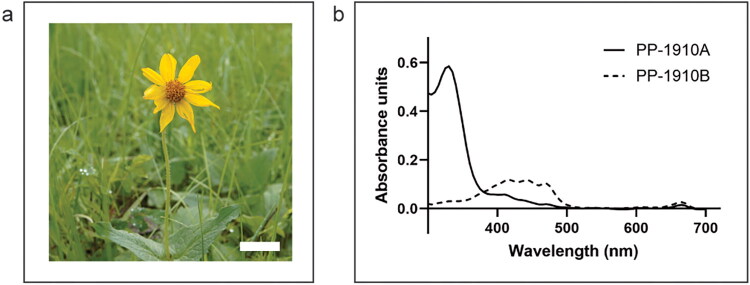 Figure 1
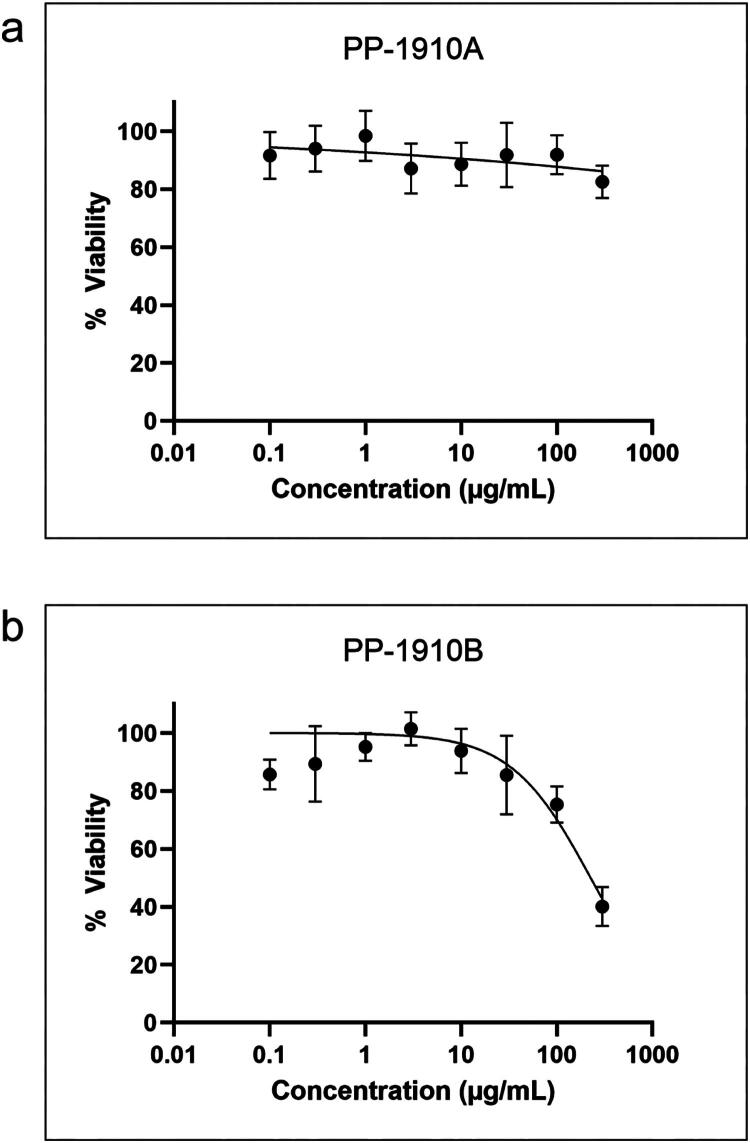 Figure 2
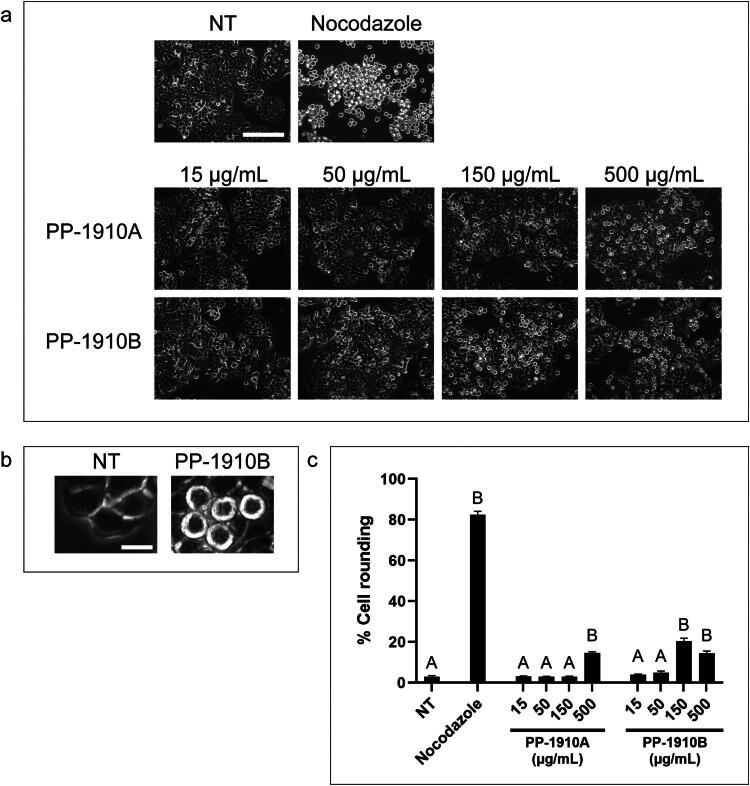 Figure 3
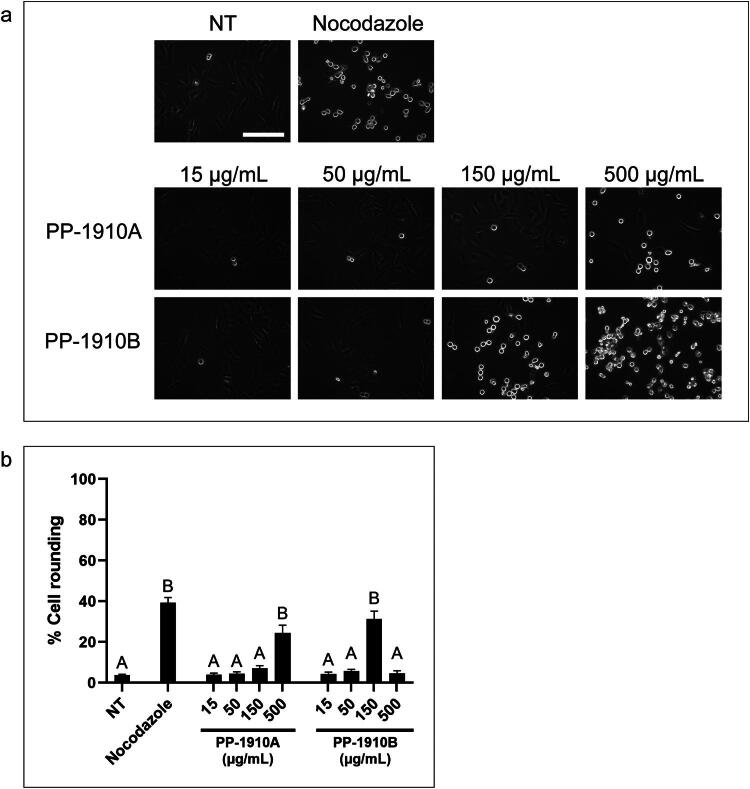 Figure 4
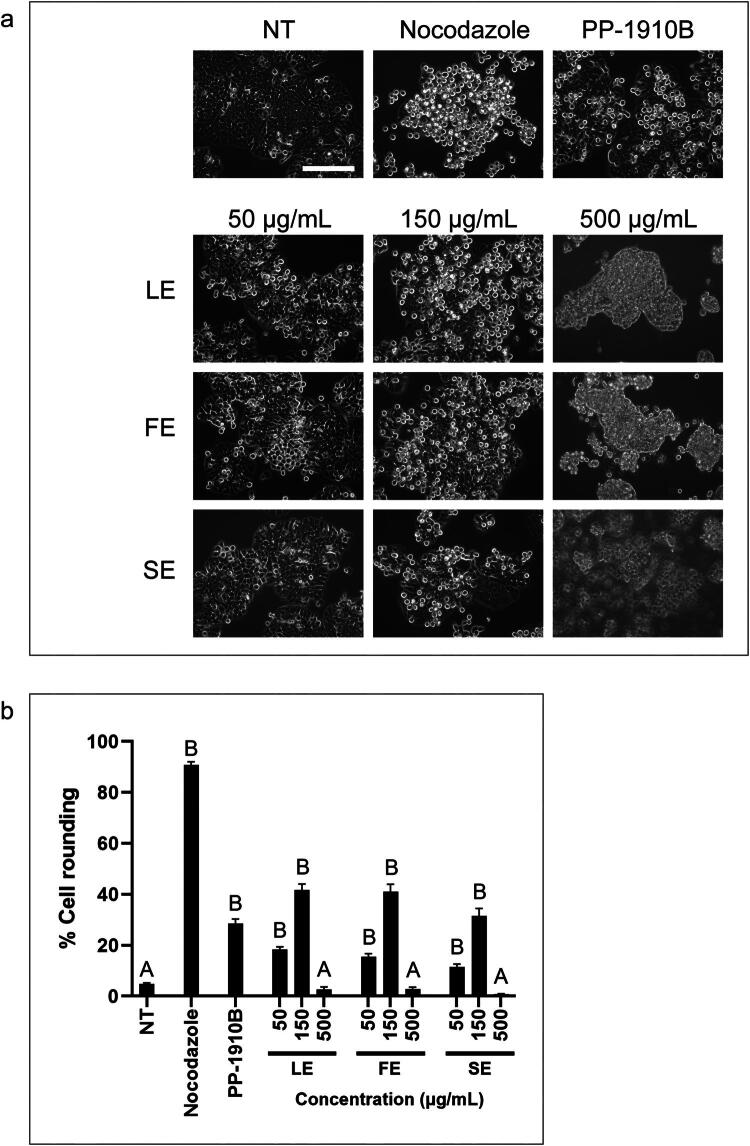 Figure 5
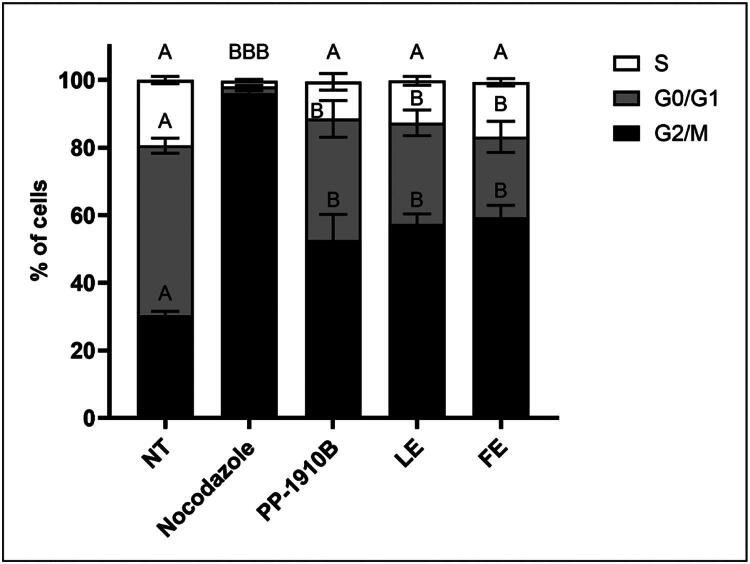 Figure 6
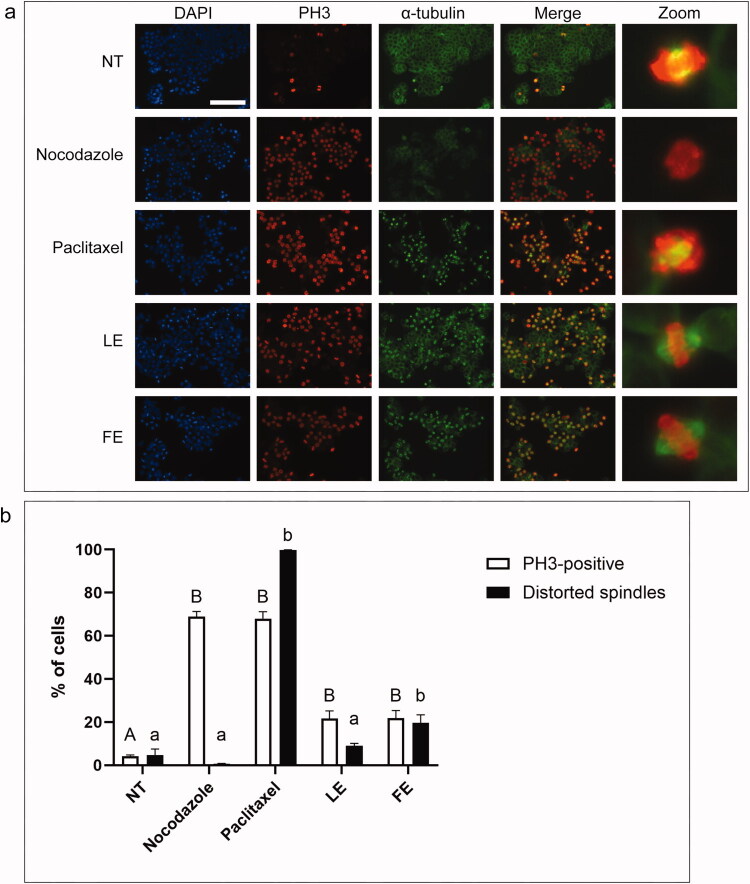 Figure 7
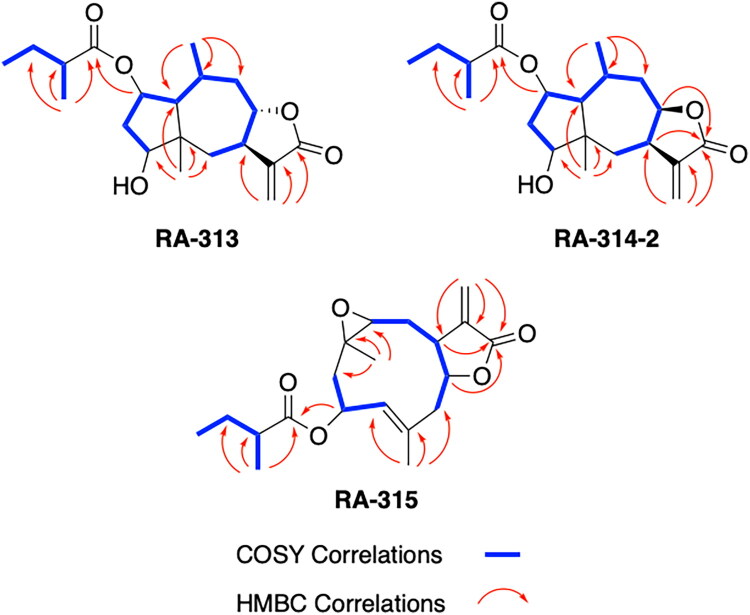 Figure 8
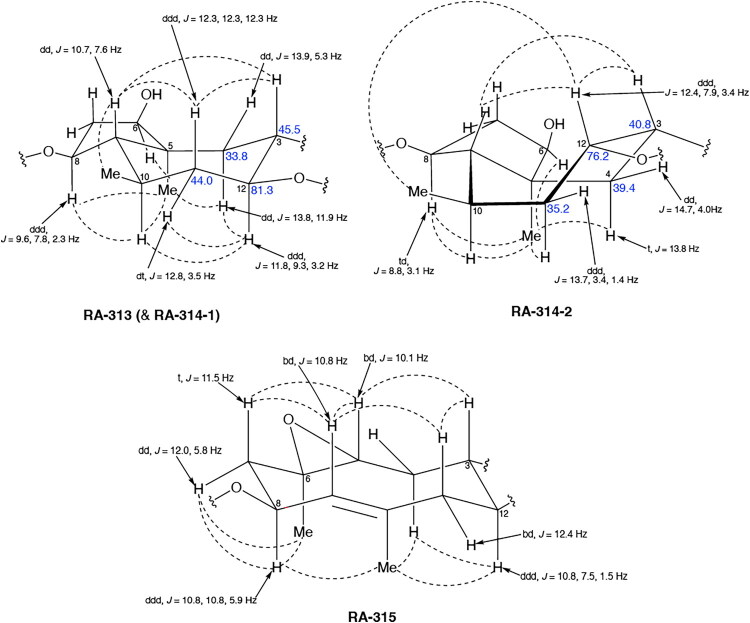 Figure 9
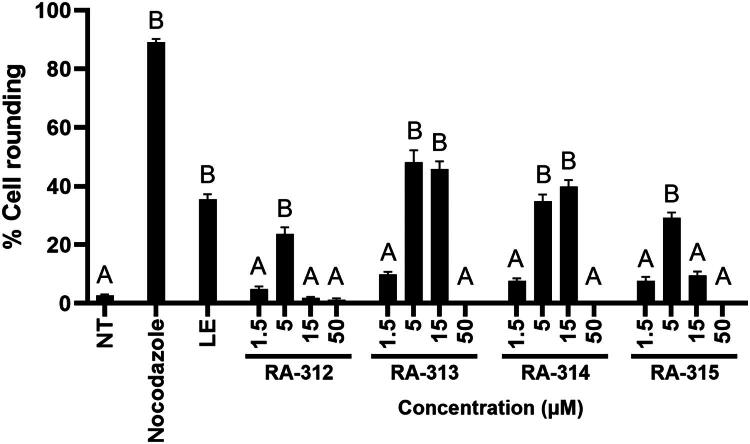 Figure 10
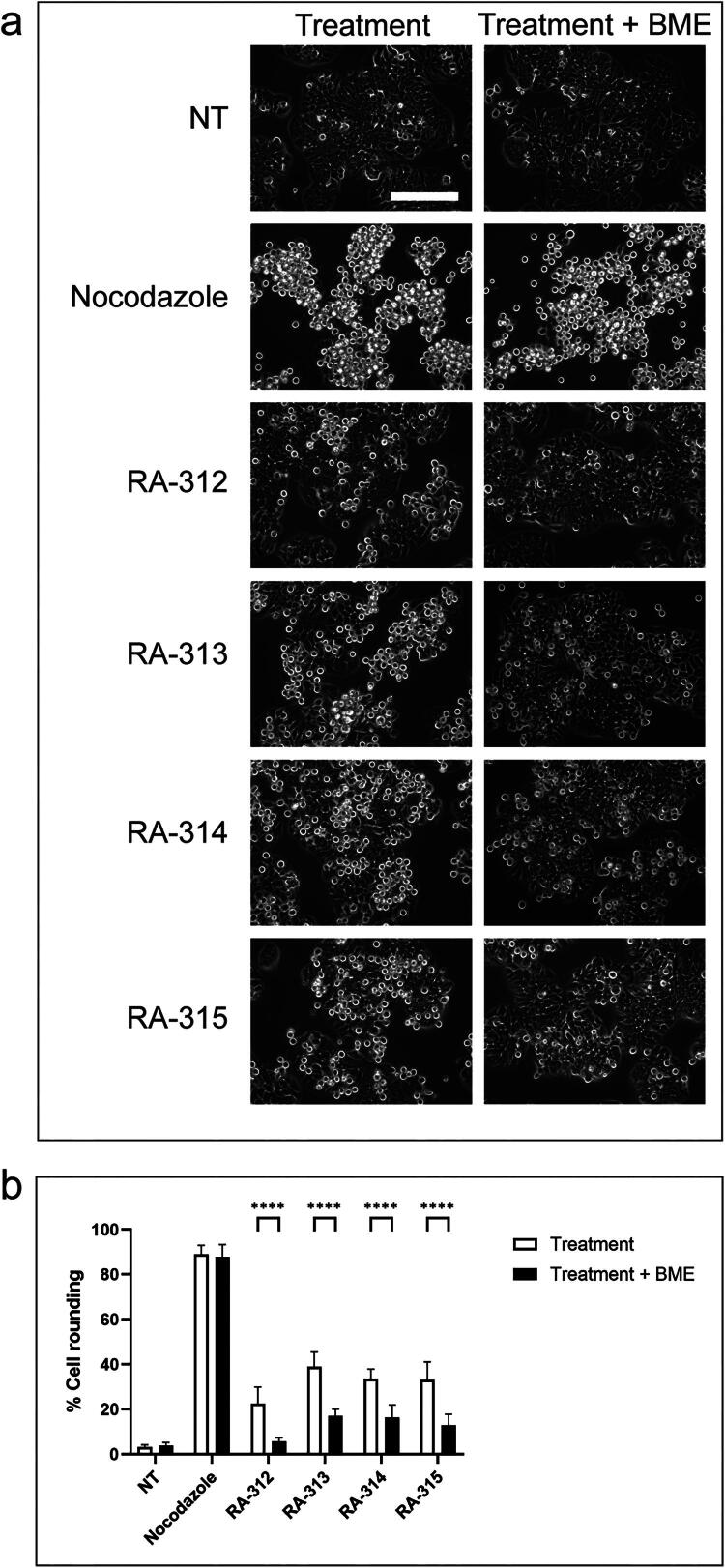 Figure 11
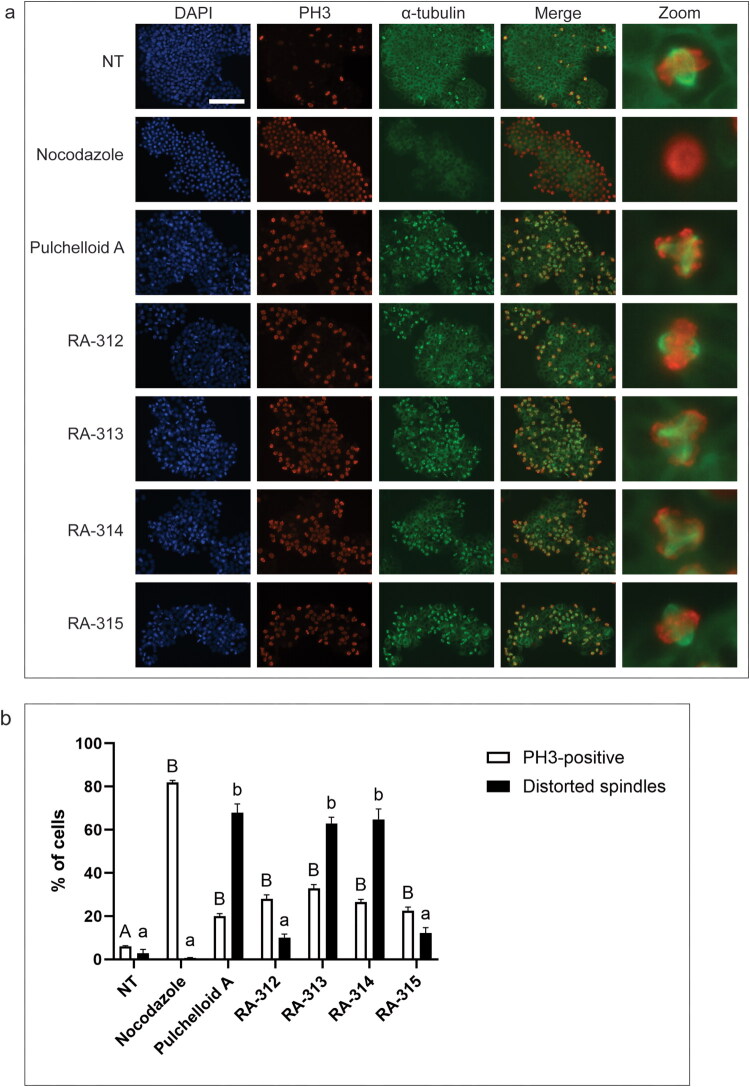 Figure 12
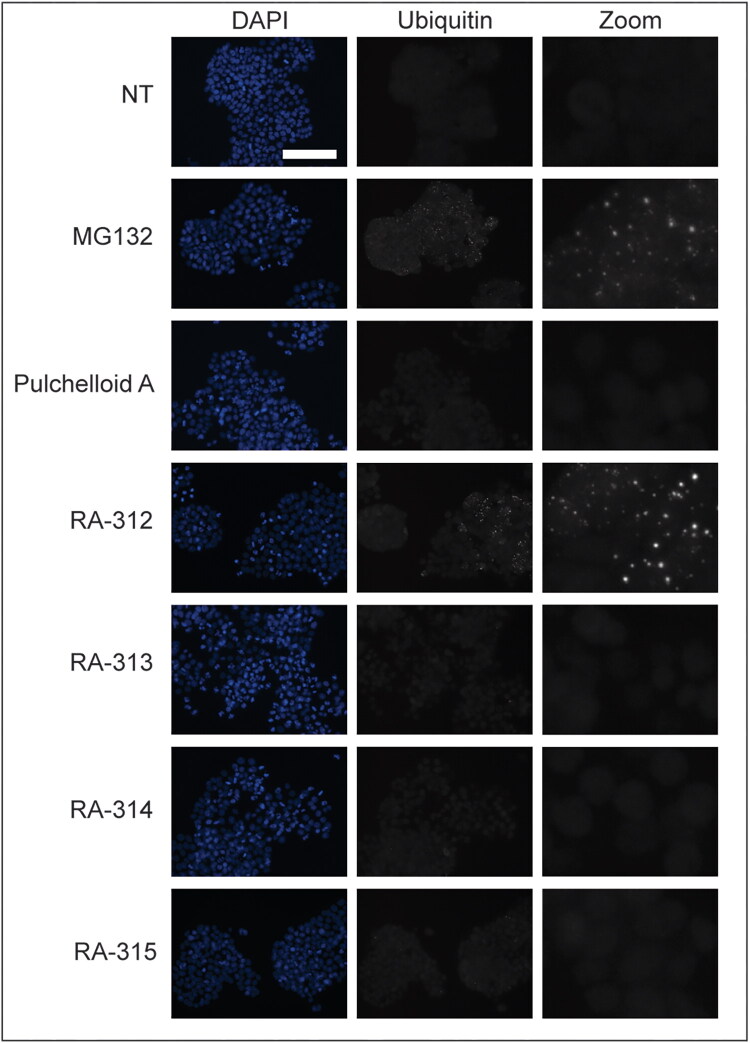 Figure 13
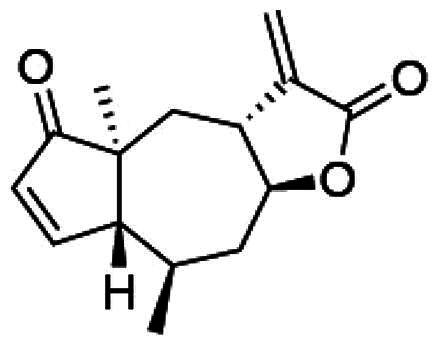 Figure 14
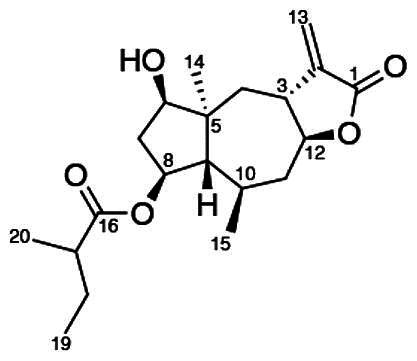 Figure 15
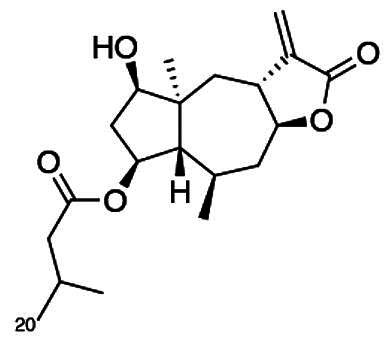 Figure 16
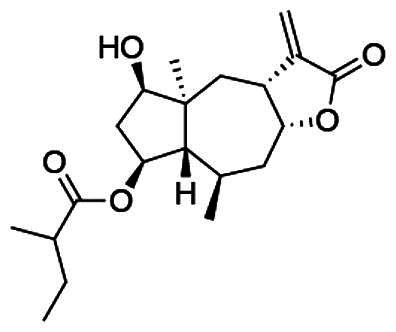 Figure 17
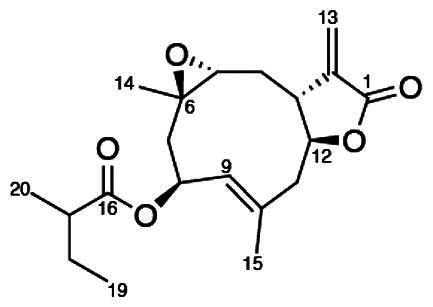 Figure 18
 Figure 19
Peer Reviews
No public reviews on file for this paper yet. If you reviewed it on a platform where reviews are public (OpenReview, ICLR, NeurIPS, ICML), you can paste yours below so the community can read it here.
Videos
No videos yet. Explain this paper in a talk, walkthrough, or lecture? Add one.
Taxonomy
TopicsSesquiterpenes and Asteraceae Studies · Phytochemistry and Biological Activities · Plant Toxicity and Pharmacological Properties