Lower limb neuromotor control during perturbed and unperturbed gait conditions in male runners with Achilles tendinopathy: an exploratory analysis
Andrew Quarmby, Philip Kurtz, Mina Khajooei, Myoung-Hwee Kim, Michael Cassel, Frank Mayer, Tilman Engel

TL;DR
This study explores how runners with Achilles tendinopathy control their leg muscles during walking and running, finding differences compared to healthy runners.
Contribution
The study identifies neuromotor control differences in Achilles tendinopathy during walking and running tasks using perturbed and unperturbed conditions.
Findings
During walking, Achilles tendinopathy runners showed delayed muscle onset in tibialis anterior, peroneus longus, and vastus medialis.
During running, Achilles tendinopathy runners had longer gastrocnemius medialis activity and delayed gluteus maximus onset.
Perturbed walking revealed delayed tibialis anterior reflex latency in Achilles tendinopathy runners.
Abstract
Achilles tendinopathy (AT) is common among runners and typically presents with Achilles tendon pain. Neuromotor alterations have been reported in AT during demanding tasks such as running; however, alterations during functional tasks such as walking remain poorly understood. Such information may be relevant and inform rehabilitation targets. Therefore, this exploratory study investigated lower limb neuromotor control during walking and running in people with AT compared with healthy controls (CO). Twenty-four male runners participated (AT = 12, CO = 12) and completed walking (WALK), perturbed walking (PERTWALK), running (RUN), and perturbed running (PERTRUN) on a custom split-belt treadmill. Lower limb muscle activity was recorded using electromyography to assess activity onset, offset, and duration during unperturbed tasks, and reflex latency and amplitude during perturbed tasks. A…
Genes, proteins, chemicals, diseases, species, mutations and cell lines named across the full text — each resolved to its canonical identifier and authoritative record.
Click any figure to enlarge with its caption.
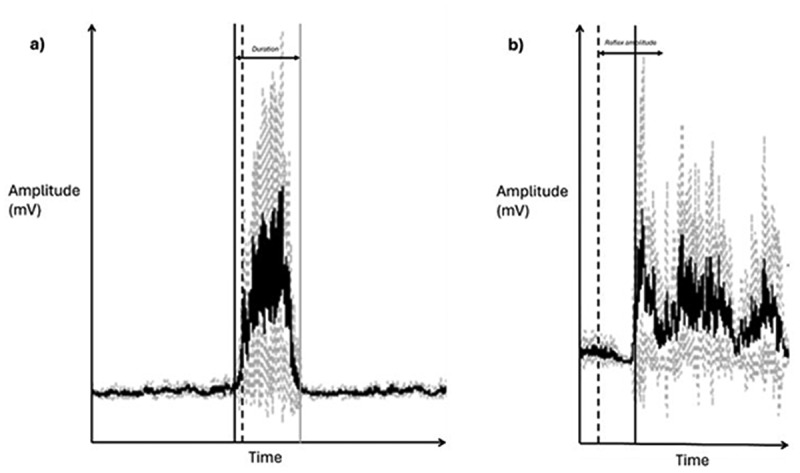 Figure 1
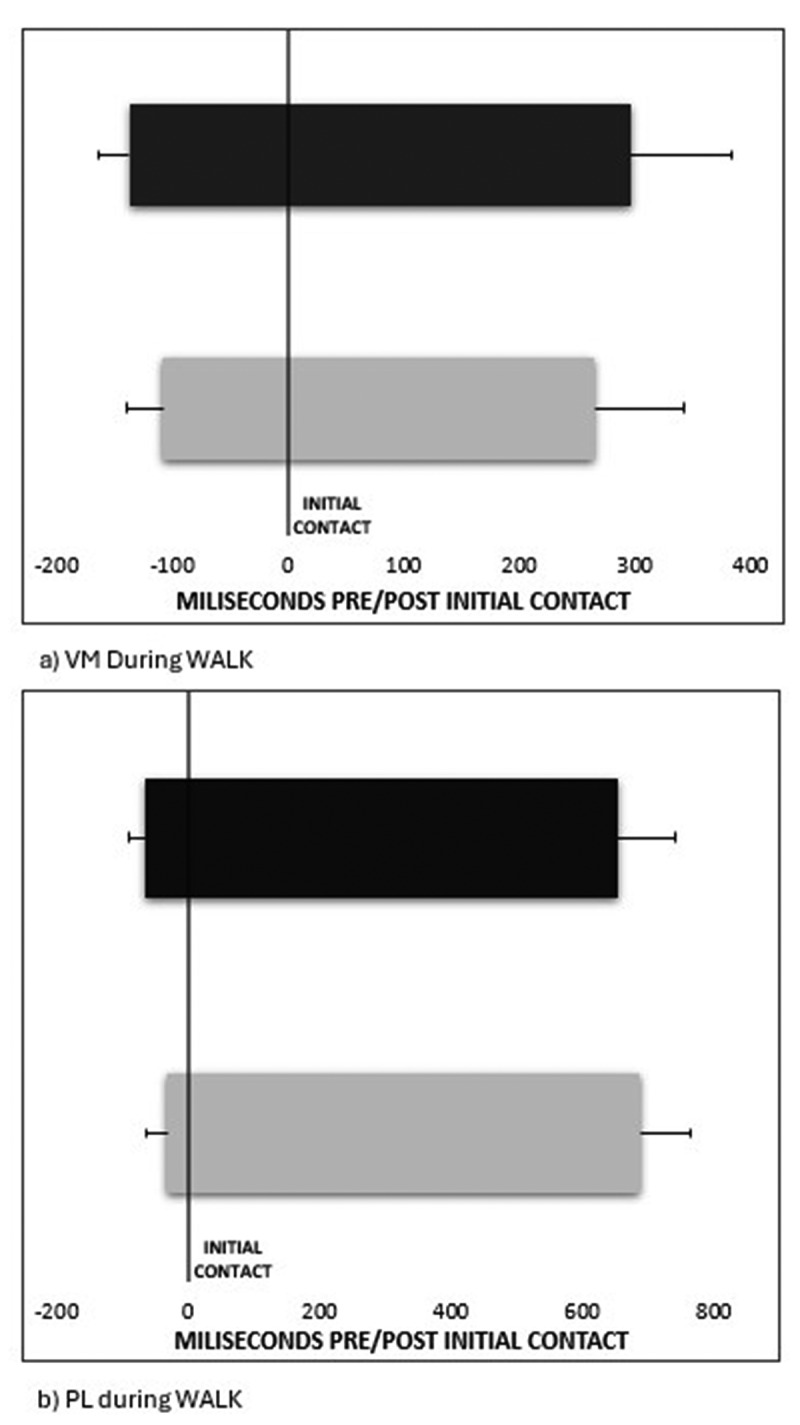 Figure 2
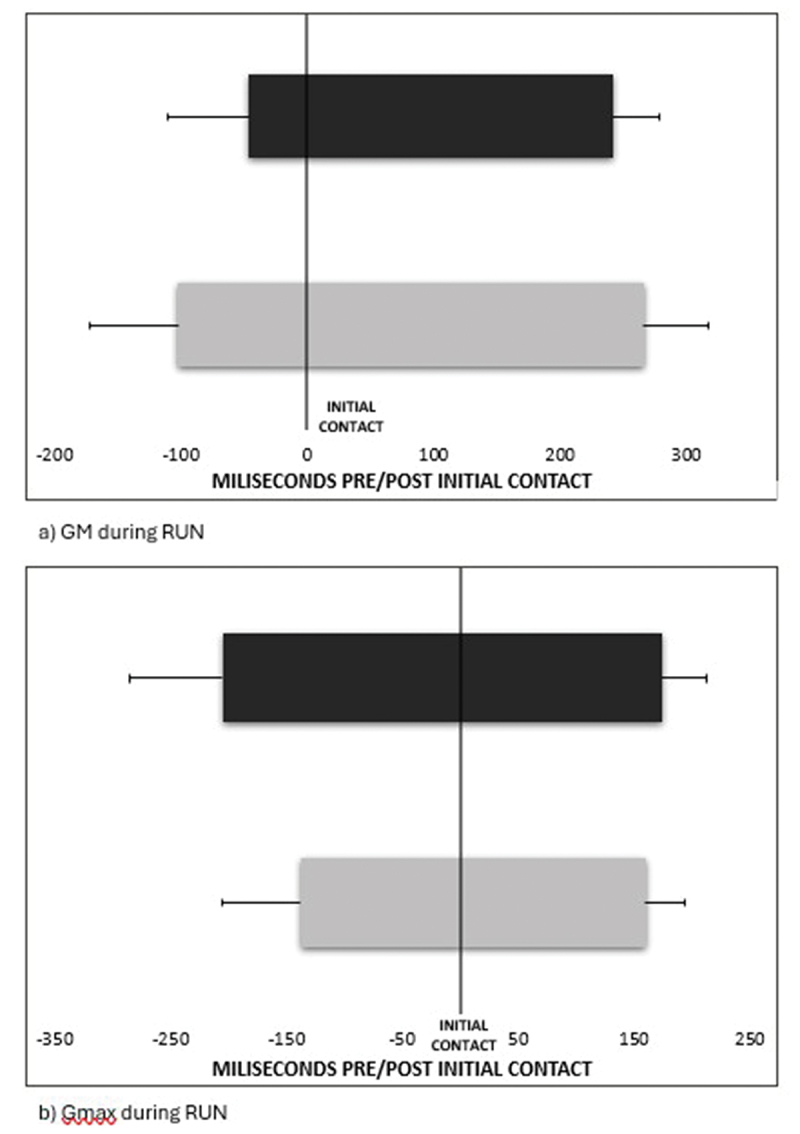 Figure 3
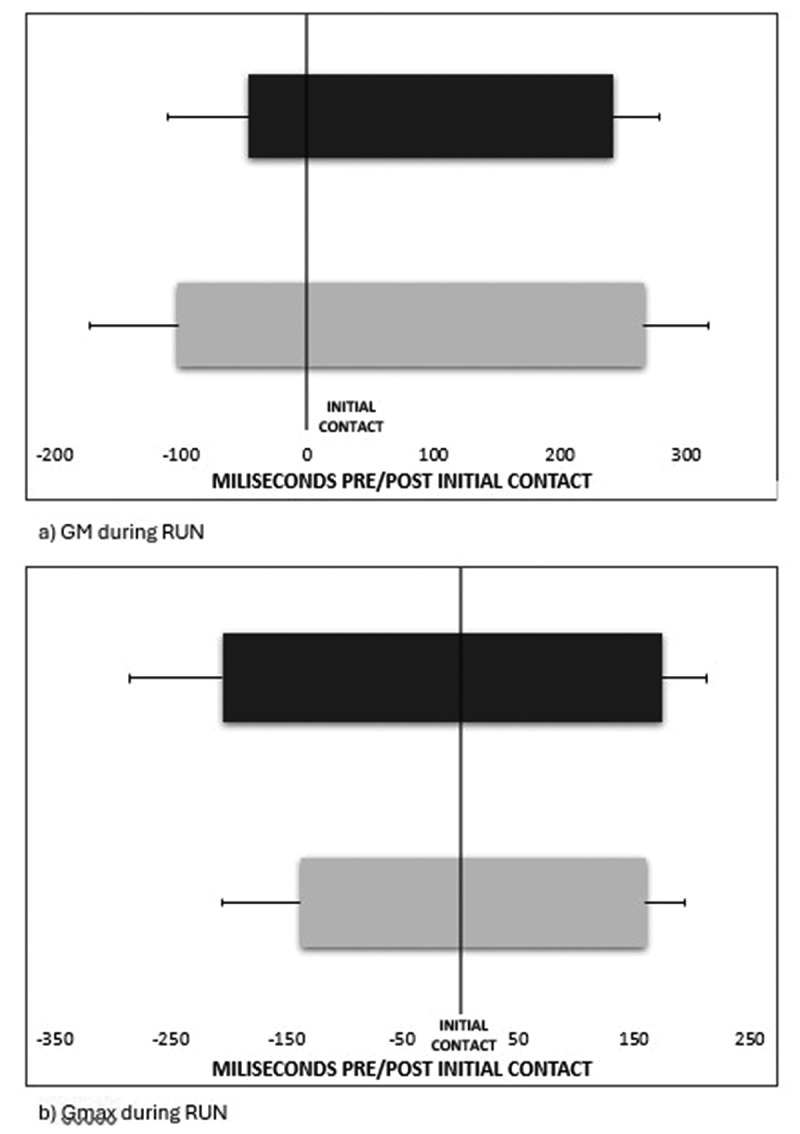 Figure 4
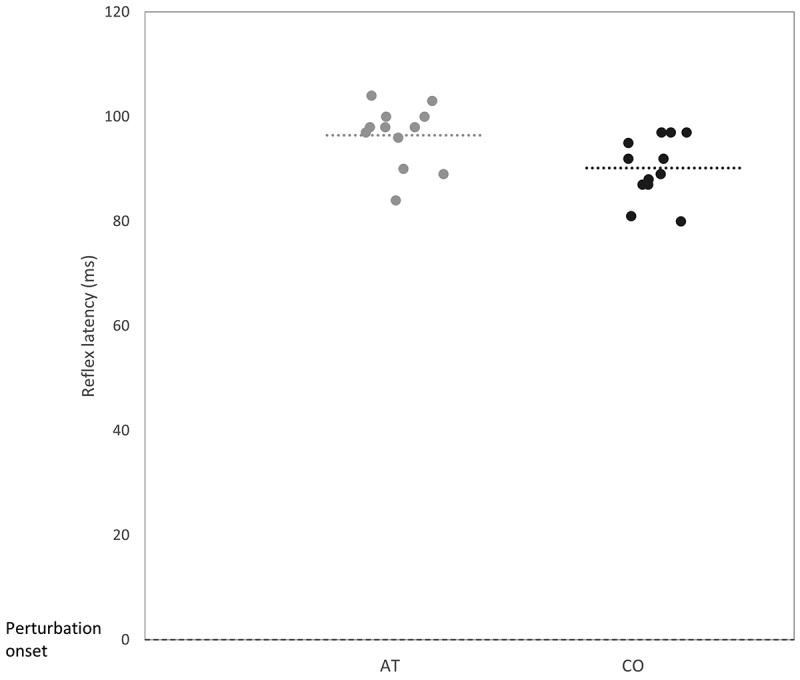 Figure 5
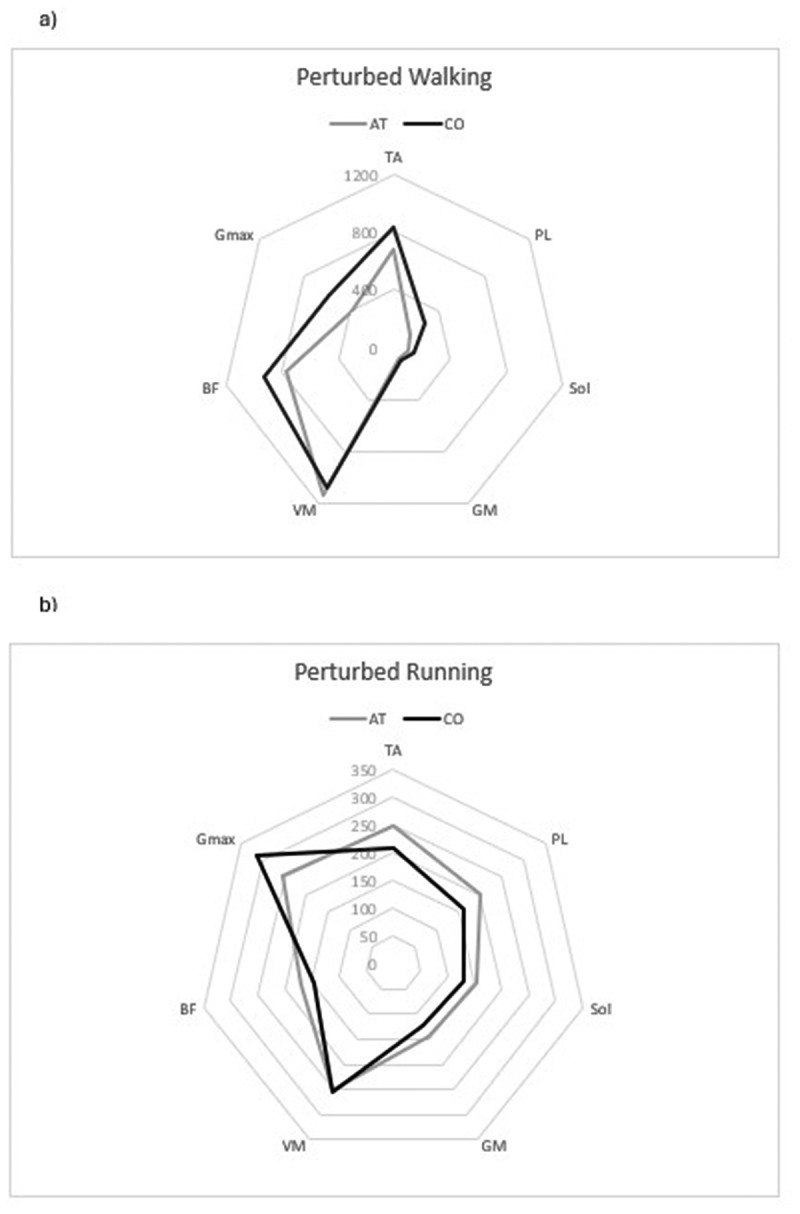 Figure 6
Peer Reviews
No public reviews on file for this paper yet. If you reviewed it on a platform where reviews are public (OpenReview, ICLR, NeurIPS, ICML), you can paste yours below so the community can read it here.
Videos
No videos yet. Explain this paper in a talk, walkthrough, or lecture? Add one.
Taxonomy
TopicsTendon Structure and Treatment · Sports injuries and prevention · Lower Extremity Biomechanics and Pathologies