A chance-constrained program for the allocation of nurses in acute home healthcare
Jedidja Lok-Visser, Hayo Bos, Erwin W. Hans, Gréanne Leeftink

TL;DR
This paper introduces a new method to optimally allocate nurses for urgent home healthcare tasks using a chance-constrained program.
Contribution
The novel acute care team location problem is introduced and modeled as a chance-constrained program for optimal nurse allocation.
Findings
The approach enables optimal configuration of acute care teams to respond to urgent home healthcare incidents.
The model supports tactical capacity planning in home healthcare organizations.
Single and multi-location problems are solved using optimal and sample average approximation methods.
Abstract
Home healthcare capacity is under great pressure due to demographic developments. Existing literature has exclusively focused on the planning, scheduling, and routing of non-acute care activities. However, similar to other healthcare settings, home healthcare also experiences acute care activities that disrupt operational performance. We study the planning and control of an acute care team for dealing with unplanned and urgent home healthcare activities. Particularly, we focus on determining the number of nurses per care level and their standby locations. The primary aim of this study is to introduce this novel problem, which we define as the acute care team location problem. We formulate this problem as a chance-constrained program. We solve the single location problem to optimality, and the multi-location problem with sample average approximation. The results show that our approach…
Genes, proteins, chemicals, diseases, species, mutations and cell lines named across the full text — each resolved to its canonical identifier and authoritative record.
Click any figure to enlarge with its caption.
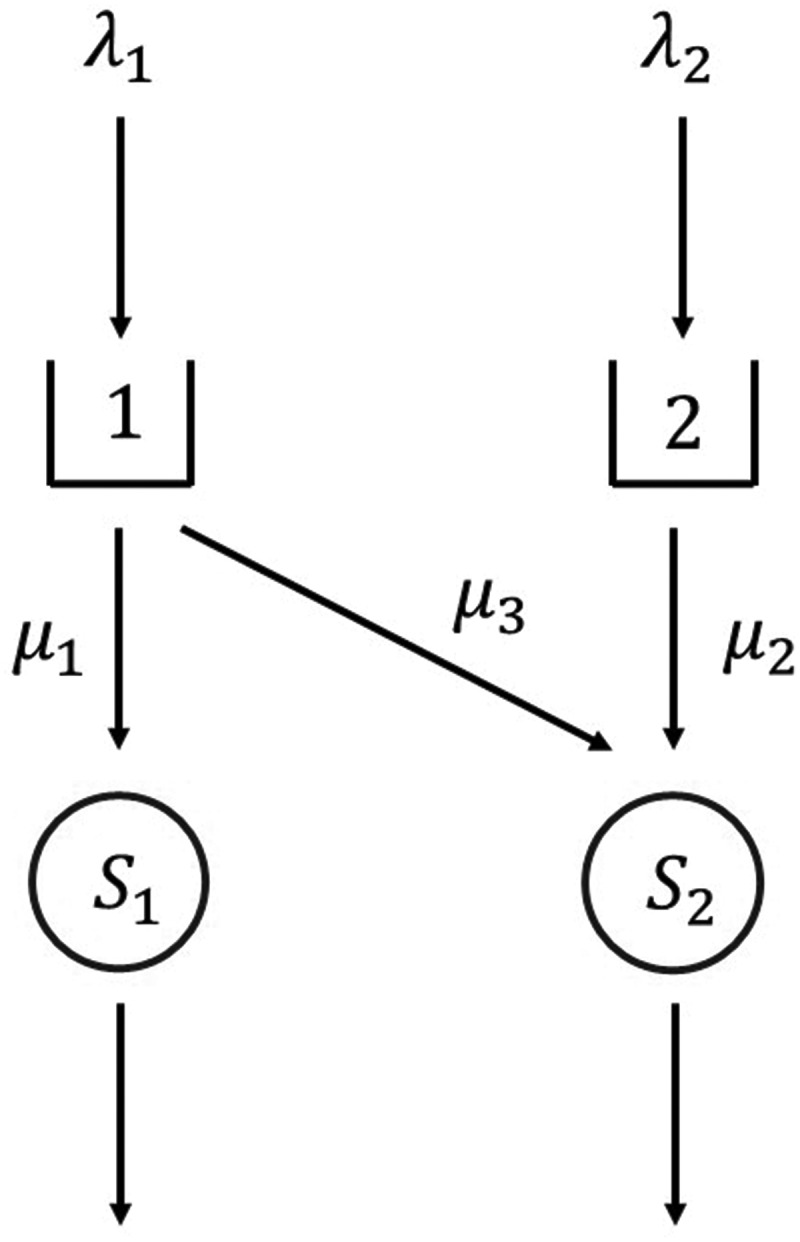 Figure 1
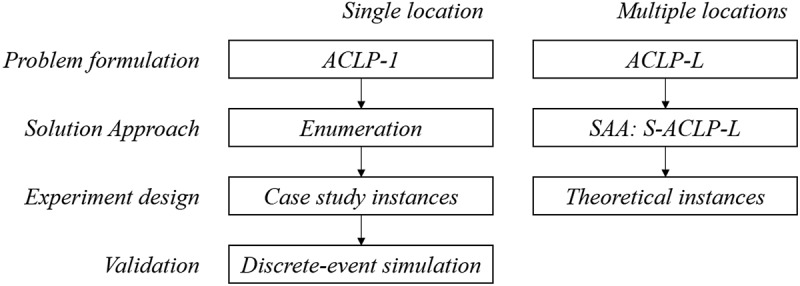 Figure 2
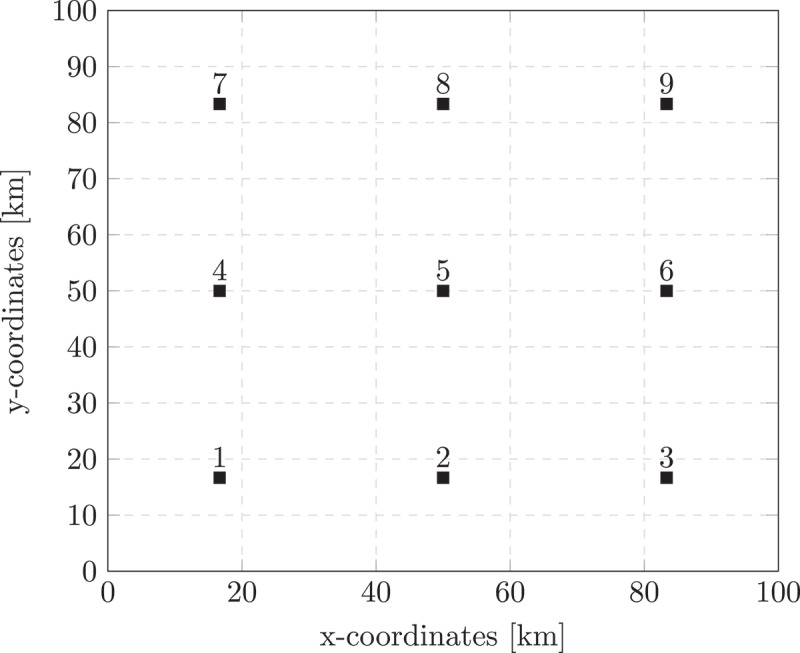 Figure 3
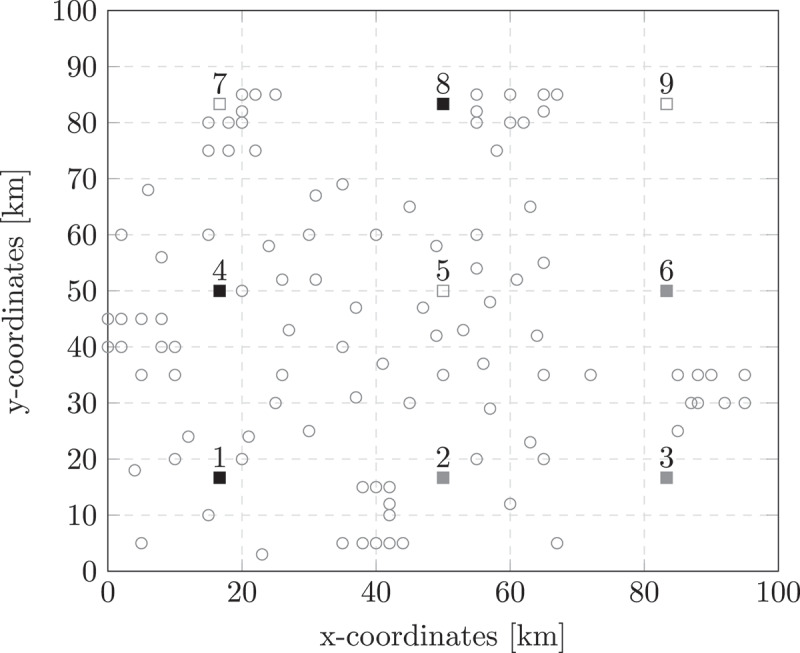 Figure 4
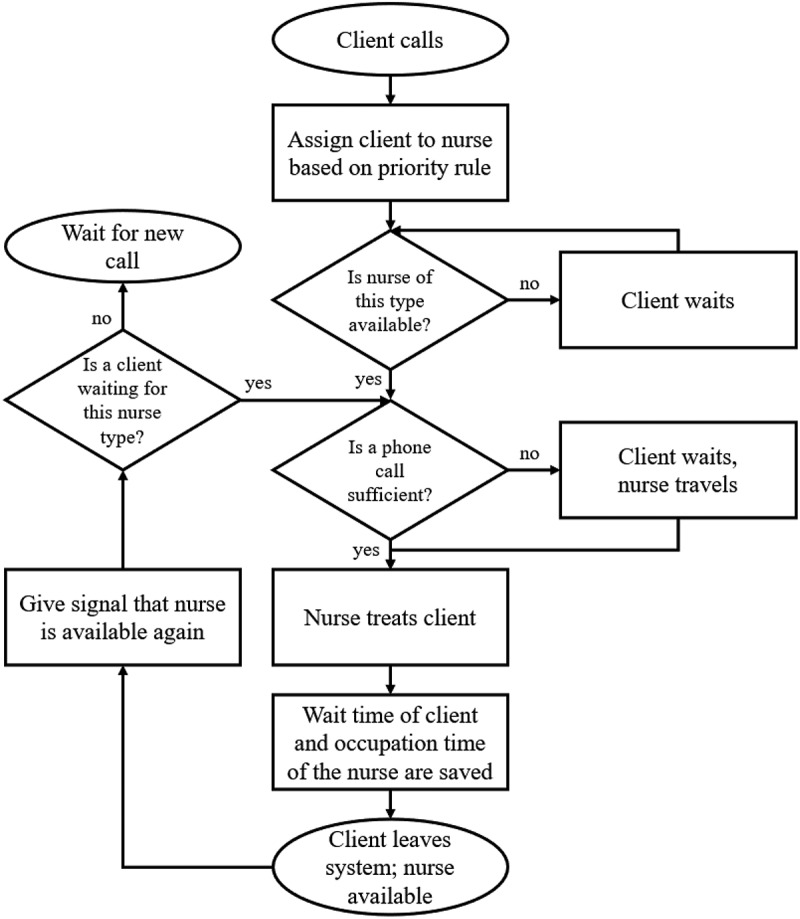 Figure 5
 Figure 6
 Figure 7
 Figure 8
 Figure 9
 Figure 10
 Figure 11
 Figure 12
 Figure 13
 Figure 14
 Figure 15
 Figure 16
 Figure 17
 Figure 18
 Figure 19
 Figure 20
 Figure 21
 Figure 22
 Figure 23
 Figure 24
 Figure 25
 Figure 26
 Figure 27
 Figure 28
 Figure 29
 Figure 30
 Figure 31
 Figure 32
 Figure 33
 Figure 34
 Figure 35
 Figure 36
 Figure 37
 Figure 38
 Figure 39
 Figure 40
 Figure 41
 Figure 42
 Figure 43
 Figure 44
 Figure 45
 Figure 46
 Figure 47
 Figure 48
 Figure 49
 Figure 50
Peer Reviews
No public reviews on file for this paper yet. If you reviewed it on a platform where reviews are public (OpenReview, ICLR, NeurIPS, ICML), you can paste yours below so the community can read it here.
Videos
No videos yet. Explain this paper in a talk, walkthrough, or lecture? Add one.
Taxonomy
TopicsHealthcare Operations and Scheduling Optimization · Sleep and Work-Related Fatigue · Scheduling and Timetabling Solutions