Data-driven prognostic factors analysis and personalized follow-up strategies for post-progression survival in locally advanced esophageal squamous cell carcinoma after definitive chemoradiotherapy
Jianjian Qiu, Zhiping Wang, Yuling Ye, Yilin Yu, Mingqiu Chen, Baihua Yang

TL;DR
This study identifies factors affecting survival after cancer recurrence in esophageal cancer patients and proposes personalized follow-up strategies based on data analysis.
Contribution
The study introduces a data-driven model for predicting post-progression survival and tailoring follow-up care in esophageal squamous cell carcinoma patients.
Findings
Prognostic factors like N stage, tumor length, and blood markers were linked to post-progression survival.
Conditional survival analysis showed improved outcomes with longer survival times in risk groups.
Personalized follow-up strategies were proposed based on risk scores and recurrence risks.
Abstract
This study investigates clinical characteristics influencing post-progression survival (PPS) in locally advanced esophageal squamous cell carcinoma (ESCC) after definitive chemoradiotherapy (dCRT), aiming to develop individualized follow-up strategies using conditional PPS. The correlation between PPS and overall survival (OS) using Spearman correlation analysis. LASSO regression, Cox regression, and machine-learning methods were employed to identify prognostic factors, and a prediction model was constructed. The Shapley additive explanations (SHAP) method was used to interpret the model. Conditional PPS survival rates and recurrence risks were analyzed. This study enrolled 741 patients, with a median follow-up of 27.2 months. PPS was positively correlated with OS. Prognostic factors included: N stage, tumor length, chemotherapy cycles, platelet-to-albumin ratio,…
Genes, proteins, chemicals, diseases, species, mutations and cell lines named across the full text — each resolved to its canonical identifier and authoritative record.
Click any figure to enlarge with its caption.
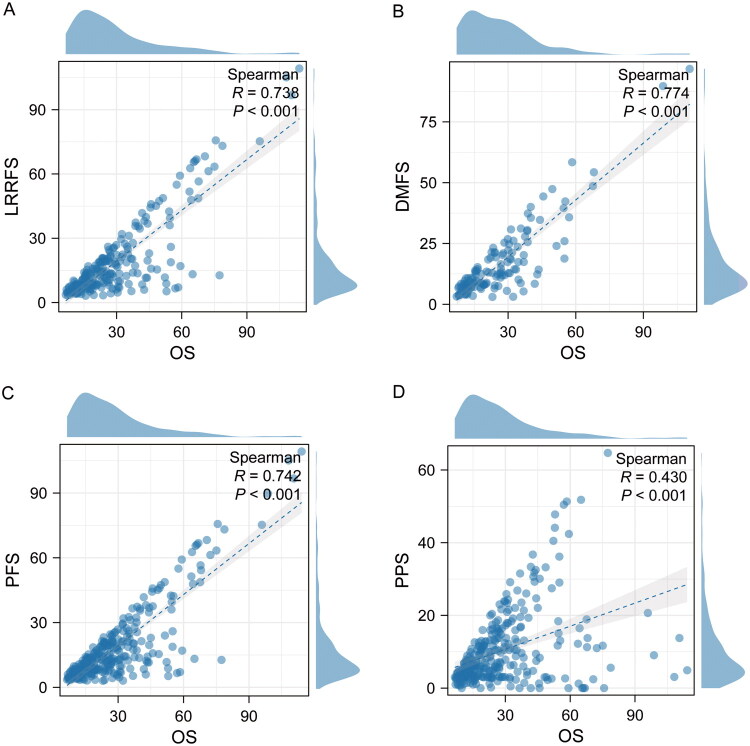 Figure 1
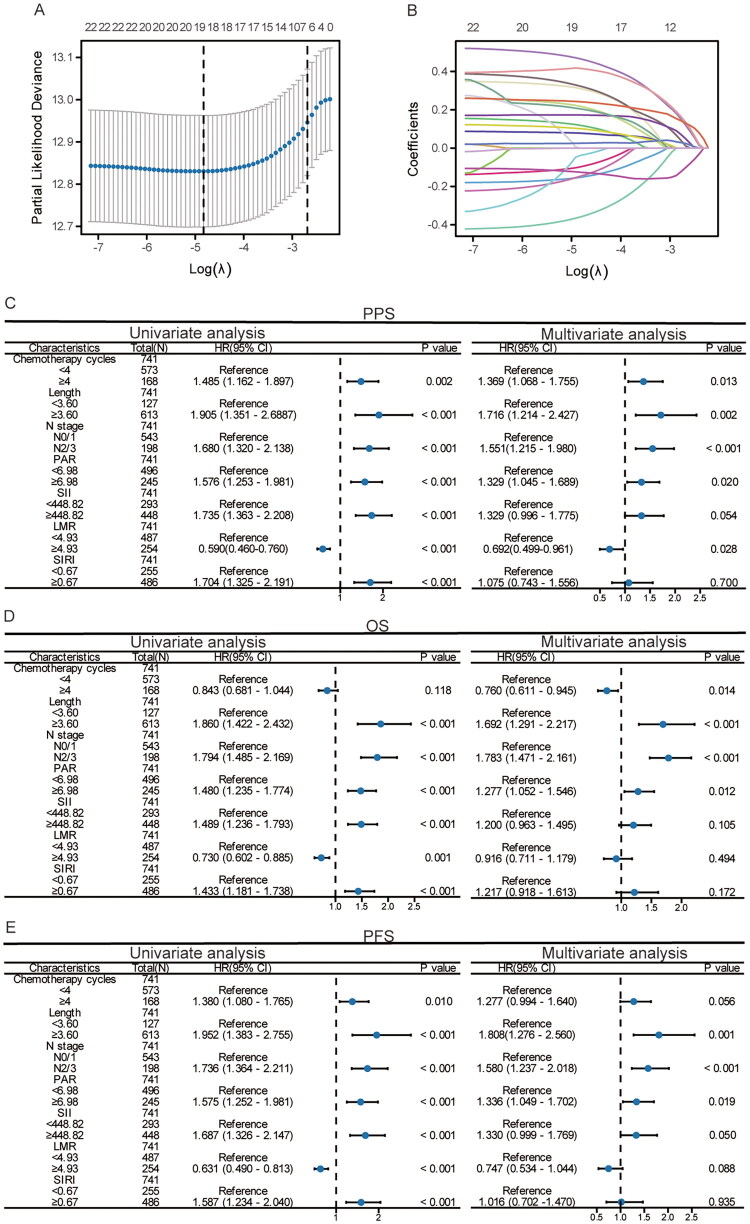 Figure 2
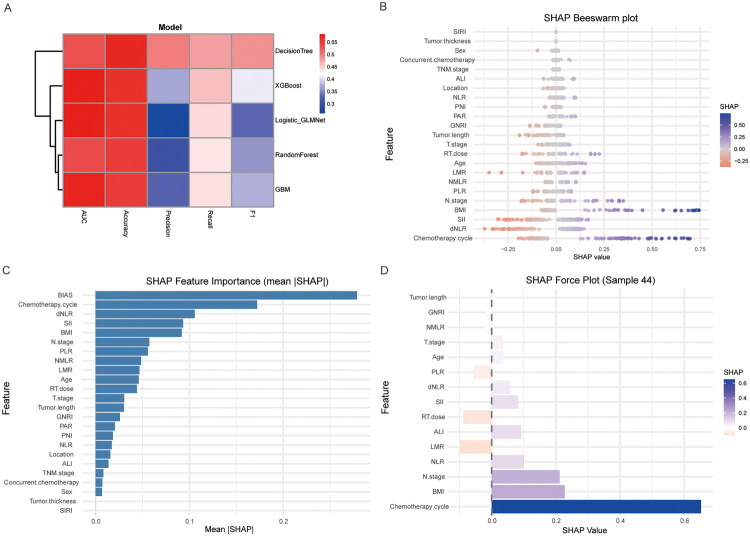 Figure 3
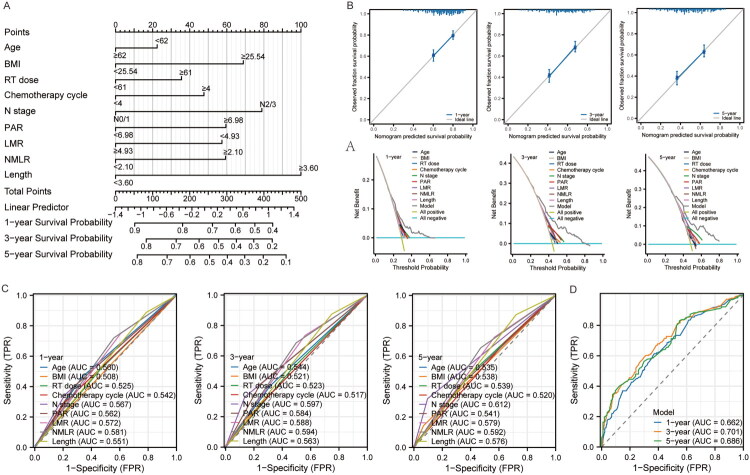 Figure 4
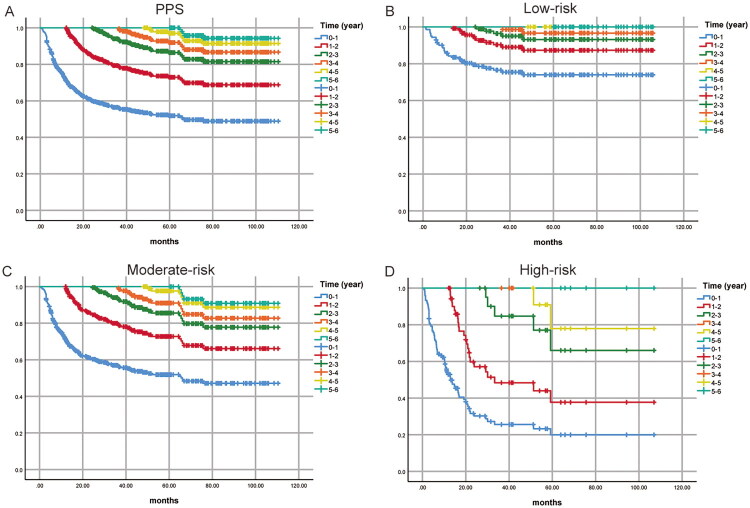 Figure 5
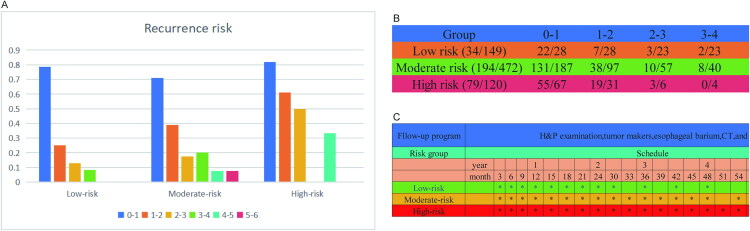 Figure 6
Peer Reviews
No public reviews on file for this paper yet. If you reviewed it on a platform where reviews are public (OpenReview, ICLR, NeurIPS, ICML), you can paste yours below so the community can read it here.
Videos
No videos yet. Explain this paper in a talk, walkthrough, or lecture? Add one.
Taxonomy
TopicsEsophageal Cancer Research and Treatment · Head and Neck Cancer Studies · Pancreatic and Hepatic Oncology Research