Community Health Participatory interventions in the prevention and control of non-communicable diseases including mental health in crisis-affected Low-and Middle-Income Countries – a scoping review
Sara Imtiaz, Nadia Khaleeq, Noor Sanauddin, Saima Afaq, Hannah Maria Jennings, Amber Tahir, Mariam Abdeali, Zala Khan, Farman Khan, Rubia Zafar, Asima Khan, Abdul Rahman Shahab, Farhad Ali, Helen Elsey, Farwah Hassan, Alishba Khan, Sayed Murtaza Sadat Hofiani, Nagina Alimi

TL;DR
This review explores how community-based health interventions can help manage non-communicable diseases in crisis-affected low- and middle-income countries.
Contribution
The study provides a comprehensive overview of CHP interventions for NCDs in crisis settings, highlighting strategies and challenges.
Findings
CHP interventions are increasingly used in both urban and rural areas to empower communities for NCD prevention.
Mental health is a primary focus, but other NCDs and risk factors are also being addressed.
Barriers include limited resources and socio-cultural constraints, while facilitators involve community leadership and cultural adaptations.
Abstract
The rising burden of Non-Communicable Diseases (NCDs) requires a comprehensive strategy by integrating community-based interventions – especially in Low- and Middle-Income Countries (LMICs). Over the past decade, researchers have emphasized communities as key agents of change in health systems. While Community Health Participatory (CHP) interventions show promise in NCD management, their application in crisis-affected contexts remains underexplored. This scoping review examines the adoption of CHP interventions, strategies employed, their barriers and facilitators encountered in crisis-affected LMICs to prevent and control NCDs. Utilising the Arksey and O’Malley framework, comprehensive search was conducted across PubMed, Web of Science, Scopus, and Google Scholar. Primary studies and grey literature in English were included focusing on CHP interventions among adults in such settings.…
Genes, proteins, chemicals, diseases, species, mutations and cell lines named across the full text — each resolved to its canonical identifier and authoritative record.
Click any figure to enlarge with its caption.
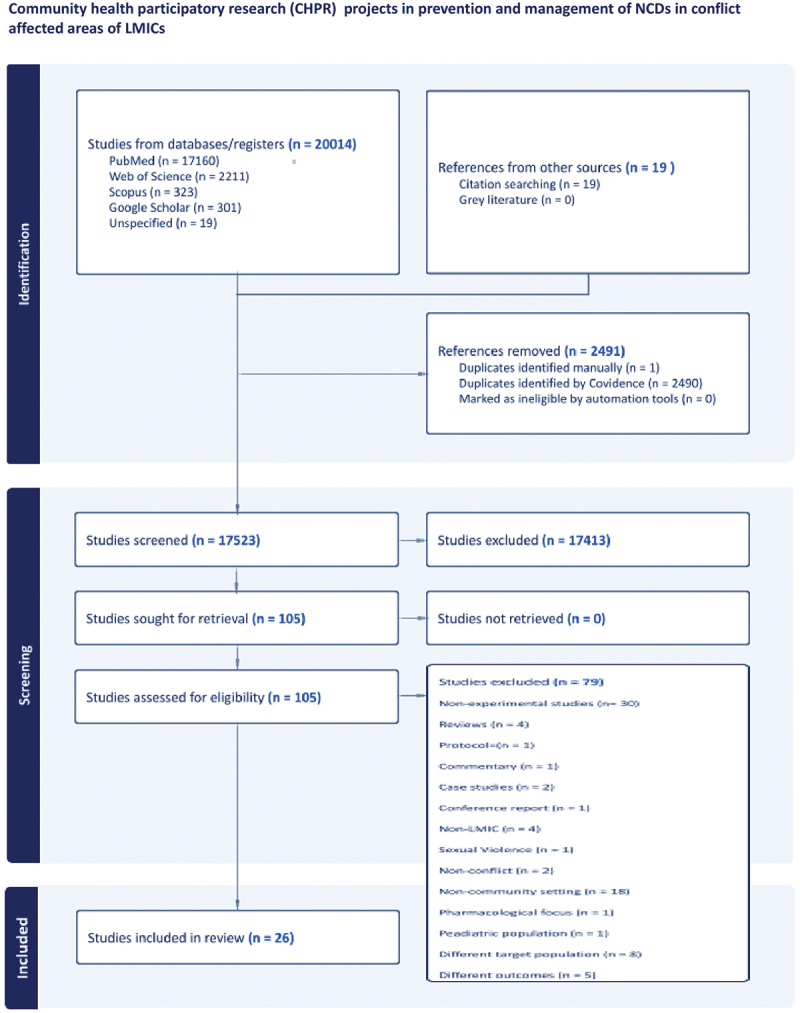 Figure 1
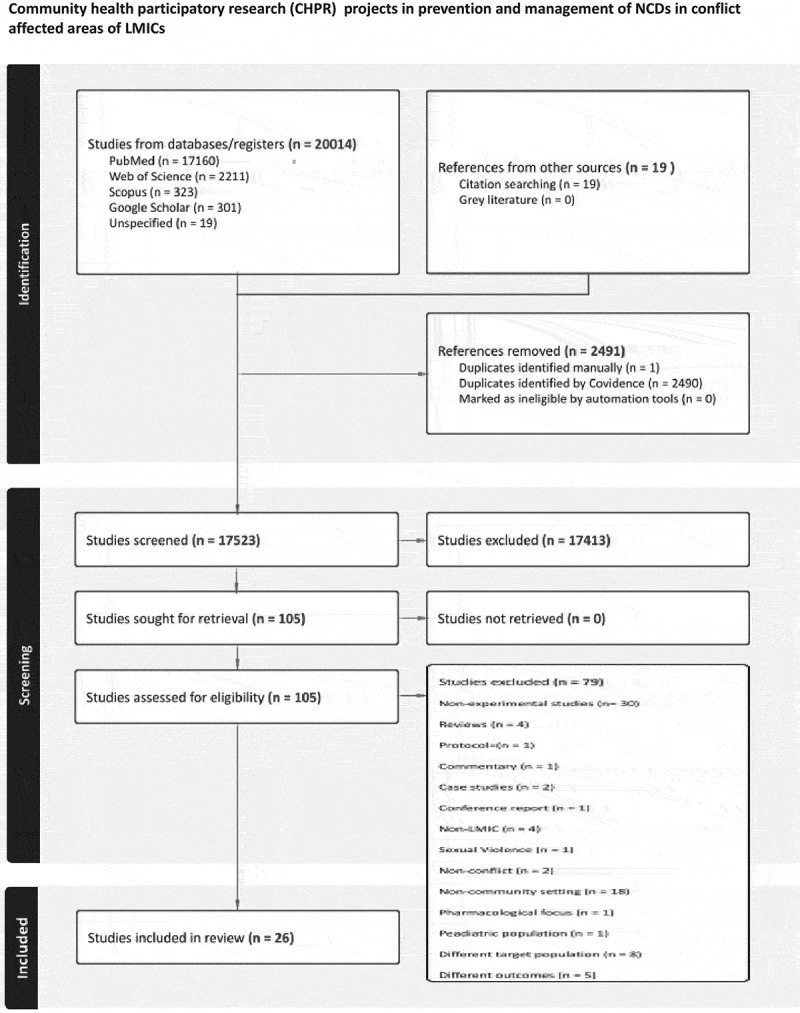 Figure 2
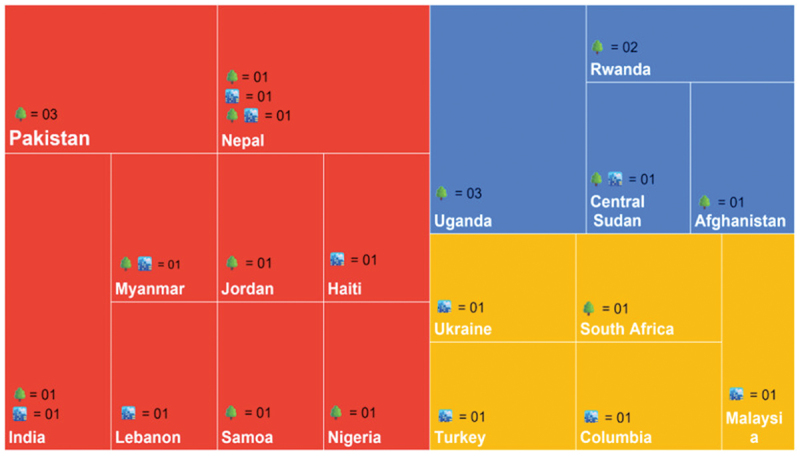 Figure 3
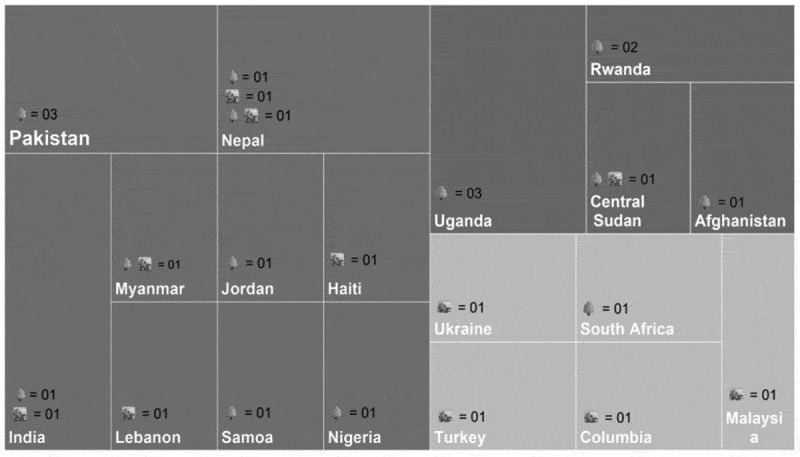 Figure 4
 Figure 5
 Figure 6
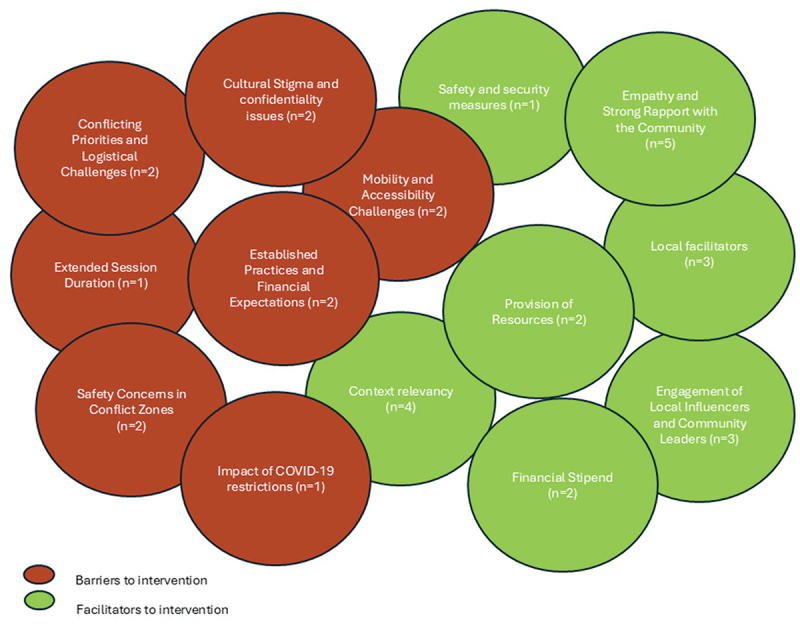 Figure 7
 Figure 8
Peer Reviews
No public reviews on file for this paper yet. If you reviewed it on a platform where reviews are public (OpenReview, ICLR, NeurIPS, ICML), you can paste yours below so the community can read it here.
Videos
No videos yet. Explain this paper in a talk, walkthrough, or lecture? Add one.
Taxonomy
TopicsGlobal Public Health Policies and Epidemiology · Mental Health Treatment and Access · Diabetes Management and Education