The role of salvianolic acid B and benzoylpaeoniflorin in enhancing angiogenesis through Nrf2/HO-1/VEGFA signaling axis in ischemic stroke recovery
Chao Zhao, Xiaodan Bai, Yi Ding, Aiguo Zeng, Aidong Wen, Qiang Fu, Jingwen Wang

TL;DR
This study shows that combining two plant compounds helps brain recovery after stroke by promoting blood vessel growth through a specific signaling pathway.
Contribution
The novel finding is that SAB-BP enhances angiogenesis in ischemic stroke via the Nrf2/HO-1/VEGFA signaling axis.
Findings
SAB-BP reduced neurological impairment and promoted functional vessel formation in ischemic stroke models.
SAB-BP upregulated Nrf2, HO-1, HIF-1α, and VEGFA protein expression.
The pro-angiogenic effect of SAB-BP was inhibited by an Nrf2 inhibitor, confirming the pathway's role.
Abstract
Angiogenesis is one of the essential protective mechanisms that promote neural repair and regeneration after ischemic stroke (IS). Salvianolic Acid B (SAB) and Benzoyl paeoniflorin (BP) are compounds extracted from the Chinese medicines Salvia miltiorrhiza Bunge and Paeonia suffruticosa Andrews, respectively. We investigated whether SAB combined with BP alleviated IS by promoting micrangium angiogenesis and determined the potential molecular mechanisms. The impact of SAB-BP on angiogenesis after IS was investigated in middle cerebral artery occlusion (MCAO) rat model, ponatinib-induced ischemic stroke in zebrafish, and human umbilical vein endothelial cells (HUVECs). The neuroprotective effect of SAB-BP in rats was assessed using behavior tests and histopathological staining. The cerebral thrombosis assessment and angiogenesis assay were performed in the zebrafish model. Cell…
Genes, proteins, chemicals, diseases, species, mutations and cell lines named across the full text — each resolved to its canonical identifier and authoritative record.
Click any figure to enlarge with its caption.
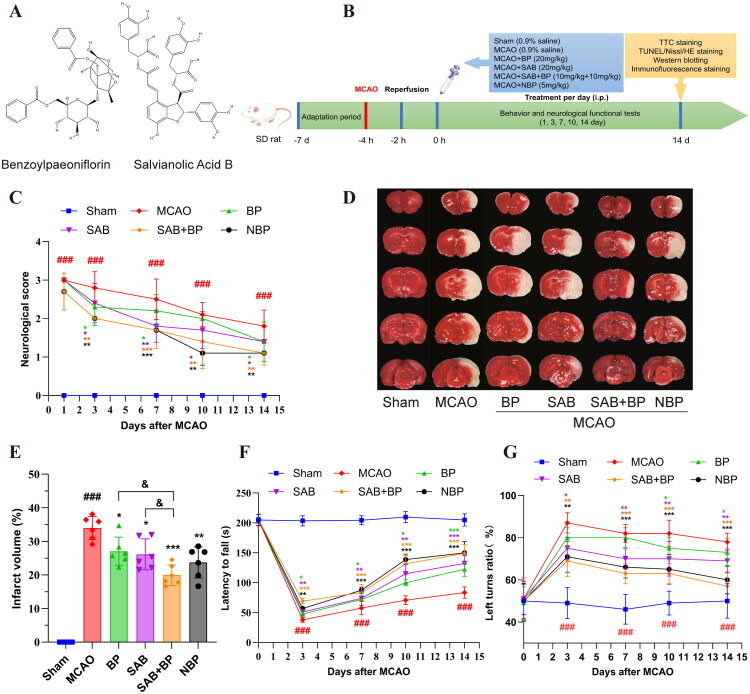 Figure 1
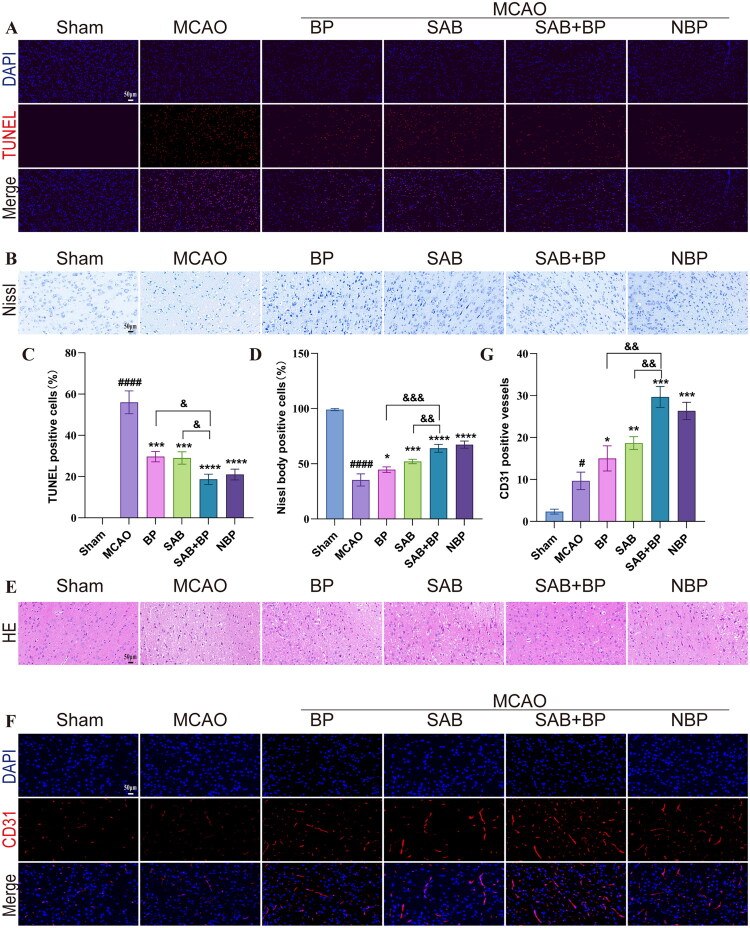 Figure 2
 Figure 3
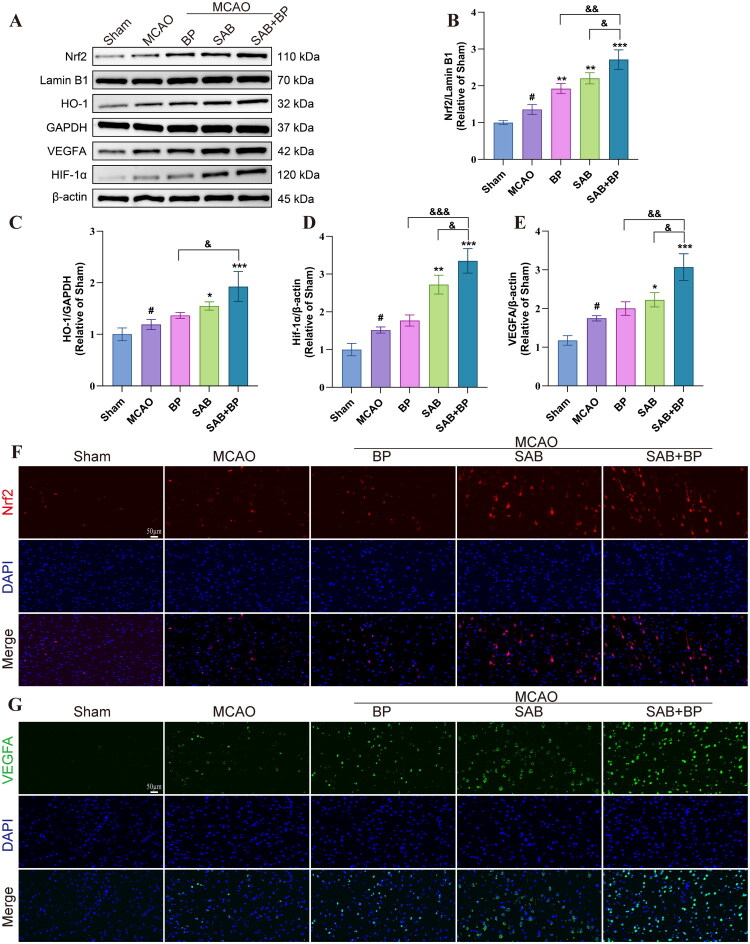 Figure 4
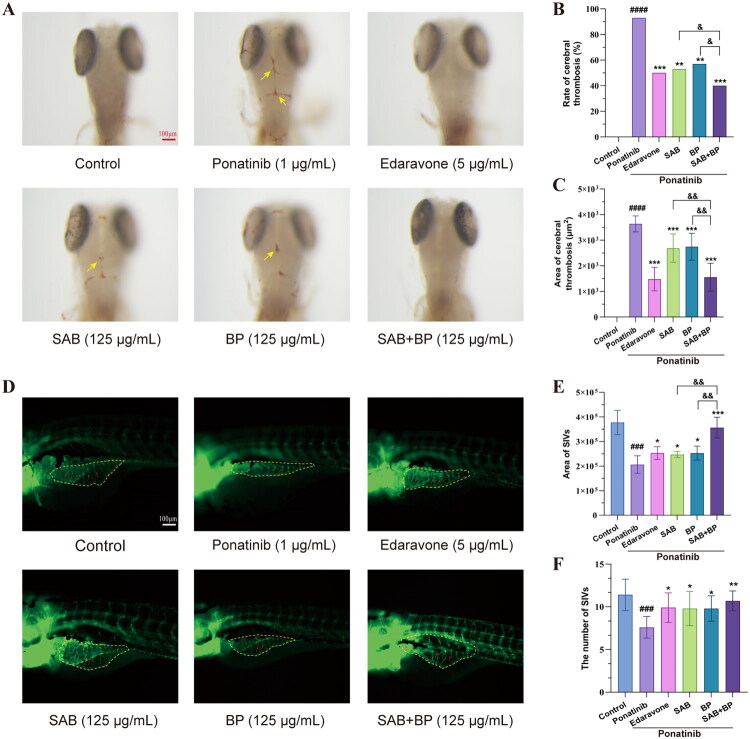 Figure 5
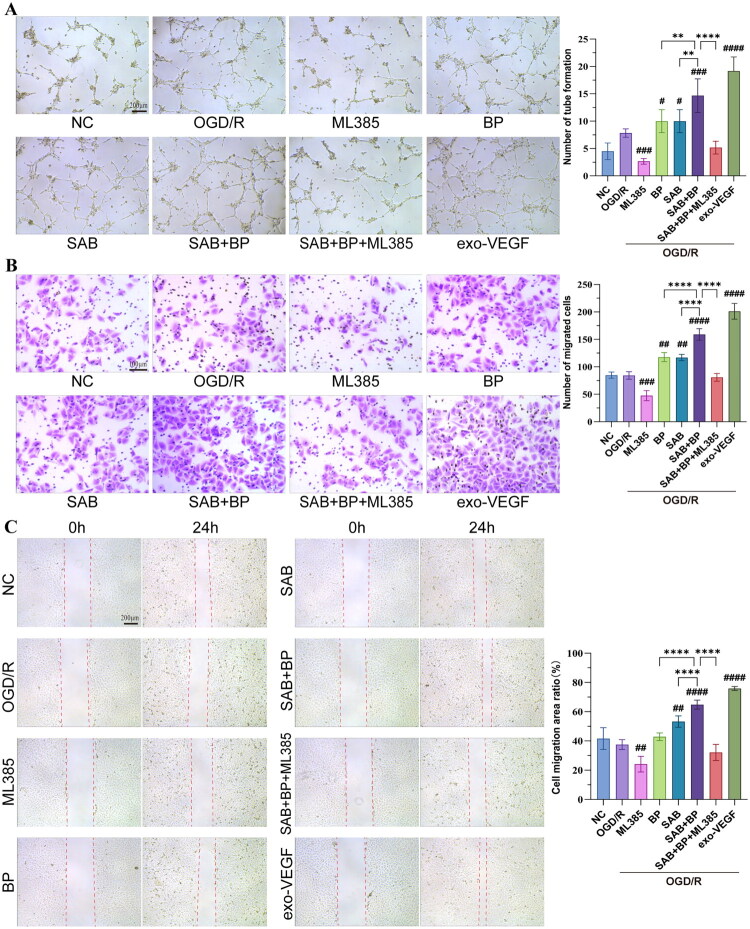 Figure 6
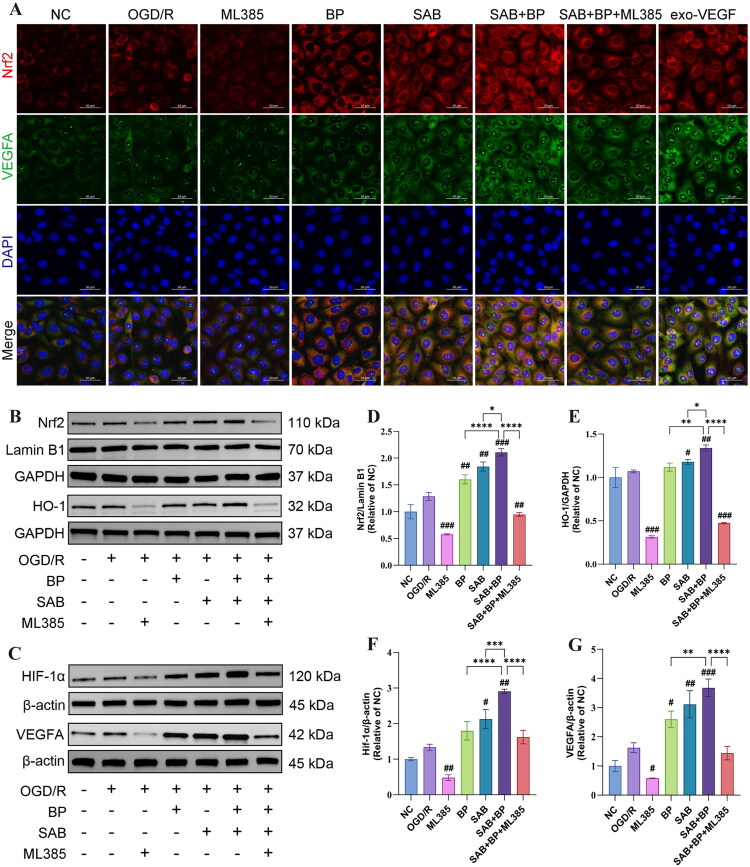 Figure 7
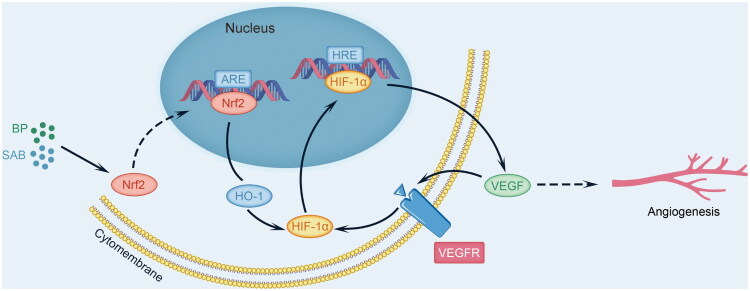 Figure 8
Peer Reviews
No public reviews on file for this paper yet. If you reviewed it on a platform where reviews are public (OpenReview, ICLR, NeurIPS, ICML), you can paste yours below so the community can read it here.
Videos
No videos yet. Explain this paper in a talk, walkthrough, or lecture? Add one.
Taxonomy
TopicsTraditional Chinese Medicine Analysis · Magnolia and Illicium research · Ginger and Zingiberaceae research